 Vorschau anzeigen
 Versenden
 Teilen
 Details anzeigen

 Herunterladen
 Ähnliche Objekte
 Röntgenaufnahme
 Diashow
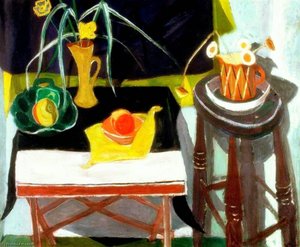
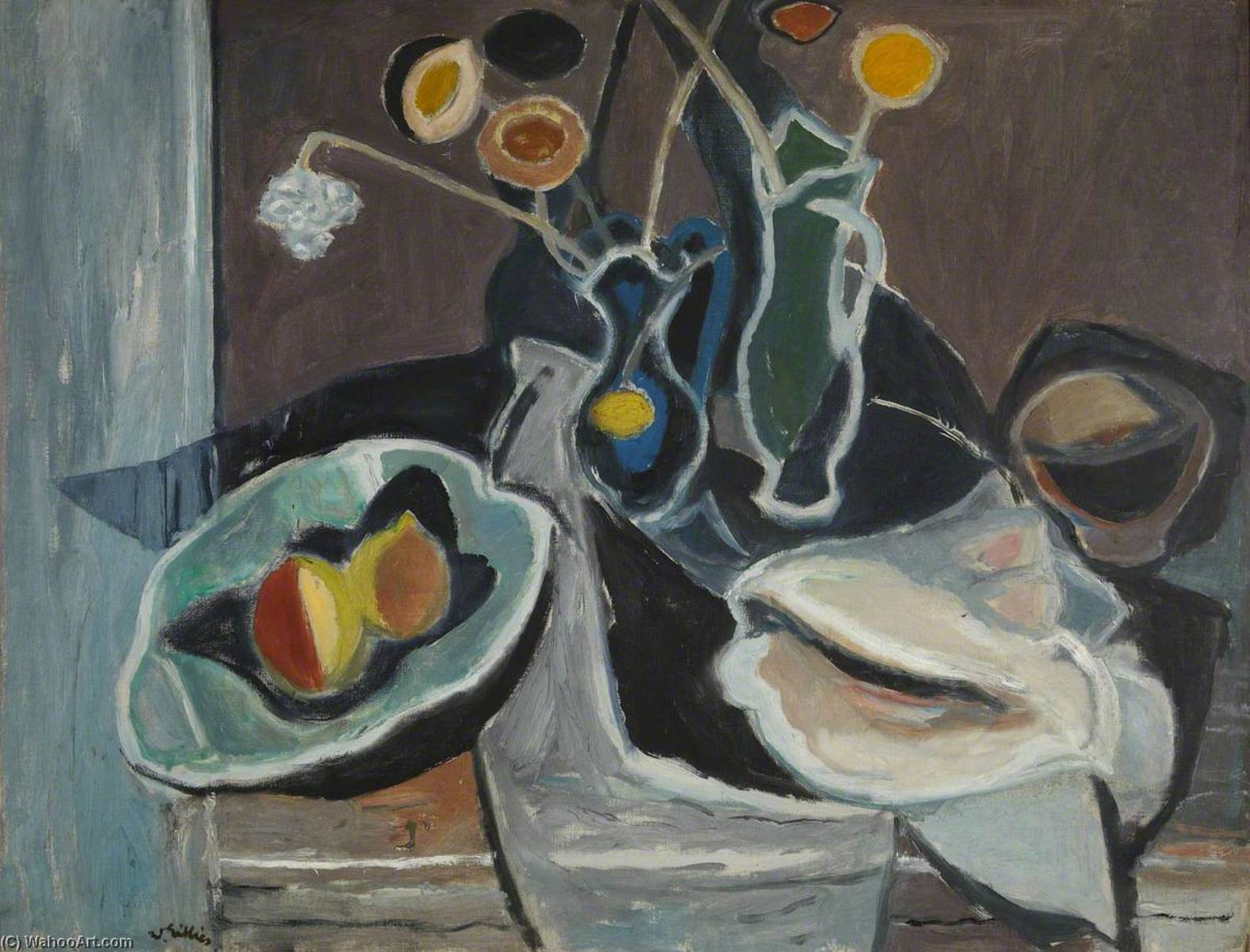
Two Jugs, Flowers and Conch Shell
 Oil On Canvas
- WallArt
- Cubist Influences
 1952
1952 68.0 x 89.0 cm
 Royal Scottish Academy of Art – Architektur
 Weiterlesen
Giclée / Kunstdruck
Giclée- oder Leinwanddruck in Museumsqualität mit schneller Produktion und flexiblen Veredelungsoptionen. ( Handgemalte Reproduktion bestellen Bild kaufen)




P118B $10

P118H $10

P118W $10

P438Z $10

P508JH $12

P508YH $12

P805H $10

P805Z $10

P919BZ $10

P919G $10

P919XJ $10

P959ZH $10

P968JZ $12

W106C $8

W218G $10

W218JH $8

W218Y $10

W307PJ $10

W316G $10

W316PJ $8

W316Y $10

W398PJ $8

W4111J $10

W500HY $15

W500JH $15

W692G $12

W849H $8

W940BG $15

W953PJ $8




Wählen Sie aus unseren vordefinierten Formaten, die den ursprünglichen Proportionen des Kunstwerks entsprechen.

Sie können Ihre eigenen Maße eingeben, um ein bestimmtes Format oder einen speziellen Platz einzupassen. Wenn das von Ihnen gewählte Format nicht den Proportionen des Originalbildes entspricht, werden wir das Kunstwerk entweder beschneiden oder das Bild mit einem gespiegelten oder einfarbigen Rand erweitern. Ein digitaler Entwurf wird Ihnen zur Genehmigung zugesandt, bevor die Produktion beginnt.
Bitte beachten Sie, dass die Vorschau auf dem Bildschirm nicht den tatsächlichen Zuschnitt oder die Erweiterung widerspiegelt. Nur der Entwurf zeigt die endgültige Komposition präzise an.
Obwohl Sondermaße verfügbar sind, empfehlen wir die Auswahl eines Maßes aus der vordefinierten Liste, um die ursprünglichen Proportionen zu bewahren.
Weltweiter Versand () innerhalb von 2 Wochen statt der üblichen 4/5 Wochen. (24 August)

Kostenloser weltweiter Expressversand

Hochwertige Leinenleinwand

Umfassender Versicherungsschutz beim Versand

Zollgebühren-Rückerstattungsgarantie

Garantie für exakte Farbtreue

60 Tage Rückgaberecht (nur bei Mängeln)

100% Geld-zurück-Garantie

Mengenrabatt verfügbar
 Die Glasoption ist nur für Größen unter 110 cm verfügbar.

Two Jugs, Flowers and Conch Shell
Giclée / Kunstdruck
Format der Reproduktion
-


Gesamtpreis
$ 62
Sammlerstück-Beschreibung
A Still Life of Quiet Contemplation: William George Gillies’ “Two Jugs, Flowers and Conch Shell”
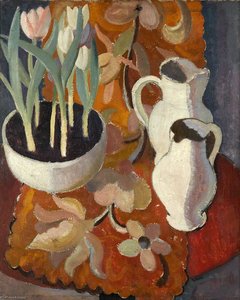
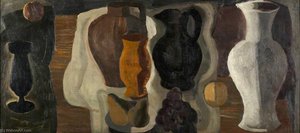
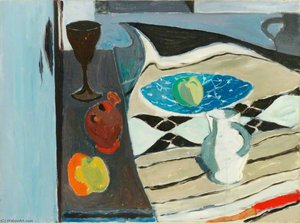
William George Gillies' "Two Jugs, Flowers and Conch Shell," painted in 1952, is more than a simple depiction of objects; it’s a carefully constructed tableau brimming with subtle symbolism and an undeniable sense of contemplative stillness. This work, residing within the Royal Scottish Academy of Art & Architecture collection, offers a glimpse into Gillies' evolving artistic language – a synthesis of his early explorations in Cubism with the evocative color palettes and imaginative forms he embraced later in life. The painting immediately draws the eye to the two vases, overflowing with an abundance of flowers, their vibrant hues—ranging from deep reds and purples to delicate pinks and yellows—creating a rich tapestry against the muted background. These aren’t merely botanical representations; they possess a palpable sense of vitality, as if captured in the very moment of blossoming.
Gillies' technique is characterized by a masterful control of light and shadow, a hallmark of his mature style. He employs a layered approach, building up color through delicate brushstrokes that suggest both texture and depth. The arrangement of objects—the jugs, the fruit, the shells—is deliberately asymmetrical, contributing to the painting’s dynamic balance. Notice how the diagonal placement of the vases anchors the composition while allowing the eye to wander across the scene, absorbing each detail. The inclusion of a conch shell, a symbol often associated with journeys and communication, adds another layer of intrigue, hinting at themes of exploration and connection.
Echoes of Cézanne and Klee: Gillies’ Artistic Journey
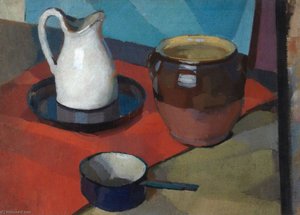
To understand “Two Jugs, Flowers and Conch Shell,” it's crucial to consider Gillies’ artistic development. His early work, influenced by the Cubist movement – particularly his 1933 piece "Two Pots, Saucer and Fruit" – demonstrates a clear engagement with Braque and Picasso’s reductive forms and fragmented perspectives. However, a pivotal encounter in 1934 with Paul Klee profoundly shifted his approach. Klee's use of childlike imagery, vibrant color palettes, and playful distortions ignited within Gillies a desire to infuse his work with imagination and emotional resonance. This influence is strikingly evident here; the painting feels less rigidly analytical than his earlier Cubist pieces, embracing instead a more intuitive and expressive style.
The composition itself bears traces of Cézanne’s still life tradition – the careful arrangement of objects on a table, the emphasis on form and volume. Yet, Gillies departs from Cézanne's geometric precision, introducing a softer, more atmospheric quality through his use of color and light. The background, rendered in muted tones, serves to heighten the vibrancy of the foreground elements, creating a sense of depth and intimacy.
Symbolism and Emotional Resonance
Beyond its formal qualities, “Two Jugs, Flowers and Conch Shell” is rich in symbolic meaning. The flowers themselves represent beauty, fragility, and the ephemeral nature of life – themes frequently explored by Gillies throughout his career. The jugs, often associated with abundance and hospitality, suggest a welcoming atmosphere, while the conch shell evokes notions of travel, communication, and the mysteries of the sea. The overall effect is one of quiet contemplation—a moment captured in time, inviting the viewer to pause and reflect on the beauty and complexity of the natural world.
Gillies’ ability to imbue seemingly simple objects with profound emotional depth is a testament to his artistic skill and sensitivity. “Two Jugs, Flowers and Conch Shell” isn't merely a still life; it’s an invitation into a world of subtle beauty, quiet contemplation, and enduring symbolism – a timeless masterpiece that continues to resonate with viewers today.
A Reproduction for Your Space
Reproductions of “Two Jugs, Flowers and Conch Shell” offer a wonderful way to bring Gillies' evocative style into your home or office. The painting’s rich colors and dynamic composition will add a touch of sophistication and warmth to any space. Consider framing the reproduction in a classic wooden frame to complement its traditional aesthetic, or opt for a sleek, minimalist frame to create a more contemporary look. Whether displayed as a focal point on a wall or incorporated into a larger gallery arrangement, this artwork is sure to captivate and inspire.
Ähnliche Kunstwerke
Über den Künstler
Sir William George Gillies: Ein Leben in der schottischen Kunst
Frühes Leben und Ausbildung
- Geboren: Haddington, East Lothian, Vereinigtes Königreich, 1898.
- Gillies begann sein Studium an der Edinburgh College of Art, wurde aber durch seinen Dienst im Ersten Weltkrieg bei den Royal Engineers unterbrochen.
- Nach dem Krieg kehrte er zurück und setzte seine Ausbildung am Edinburgh College of Art fort, schloss sie ab und arbeitete anschließend über 40 Jahre als engagierter Lehrer dort.
Künstlerische Entwicklung und Einflüsse
- Gillies’ künstlerischer Weg begann mit einer Erkundung des Kubismus, nachdem er unter André Lhote in Paris (1923) studiert hatte und Italien (1924) bereist hatte.
- Frühe Werke wie „Two Pots, Saucer and Fruit“ (1933) zeigen diese Einflüsse und präsentieren eine Cézanne-inspirierte Anordnung mit den unaufdringlichen Farbpaletten von Braque und Picasso.
- Ein entscheidender Moment kam 1934, als er die Werke von Paul Klee entdeckte und sich dadurch inspirieren ließ, eine imaginative Verwendung von Farbe und kindliche Qualitäten in seinen Kompositionen einzusetzen.
- Er entwickelte allmählich einen eigenen Stil, der in schottischen Landschaftsbildern und Stillleben Traditionen verwurzelt ist.
Die 1922er Gruppe und kollaborativer Geist
- Im Jahr 1922 gründete Gillies zusammen mit anderen Künstlern wie William Crozier, William Geissler und William MacTaggart die „1922er Gruppe“.
- Diese Ausstellungsgruppe bot einer Plattform für aufstrebende schottische Künstler, um ihre Werke über ein Jahrzehnt im New Gallery in Edinburgh auszustellen.
- Die Gruppe förderte ein Gefühl von Gemeinschaft und Innovation innerhalb der schottischen Kunstszene.
Themen und Gegenstände
- Landschaften: Gillies ist bekannt für seine Darstellungen der Lothian-, Fife- und Borderregionen Schottlands. Er erfasste den Charakter dieser Landschaften mit einem feinfühligen Blick.
- Stillleben: Stillleben waren ein weiteres wichtiges Thema, oft mit Keramiken, die von seiner jüngeren Schwester Emma Smith Gillies geschaffen wurden, deren frühes Ableben 1936 ihn tief betraf, dargestellt.
- Porträts: Obwohl er in seiner frühen Karriere mit Porträts experimentierte, blieben Landschaften und Stillleben seine Hauptthemen.
Wichtige Leistungen und Anerkennung
- Gillies war von 1959 bis zu seinem Ruhestand im Jahr 1966 Direktor der Edinburgh College of Art.
- Seine produktive Arbeit und sein Engagement für die Lehre hatten einen tiefgreifenden Einfluss auf Generationen schottischer Maler.
- Er wurde zum Royal Academician (RA) ernannt, was eine bedeutende Anerkennung in der Kunstwelt darstellte.
Historische Bedeutung und Vermächtnis
- Sir William George Gillies gilt als einer der wichtigsten schottischen Maler des 20. Jahrhunderts.
- Seine Werke verbinden den frühen Modernismus mit einer eigenständigen schottischen künstlerischen Identität.
- Vermächtnis: Sein Einfluss erstreckt sich über seine Gemälde hinaus und prägt die Richtung der schottischen Kunst durch sein Unterrichten und Mentoring.
- Er starb 1973 und hinterließ ein reiches Œuvre, das bis heute für seine Schönheit, Sensibilität und zeitlose Relevanz gefeiert wird.
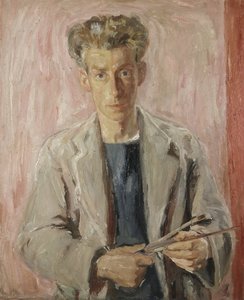
Sir William George Gillies
1898 - 1973 , Vereinigtes Königreich
Kurzinfos
- Artistic Movement Or Style: Kubismus
- Artists Or Movements Influenced By This Artist: ['Scottish Colourists']
- Artists Who Influenced This Artist:
- André Lhote
- Paul Klee
- Cézanne
- Braque
- Picasso
- Date Of Birth: 1898
- Full Name: Sir William George Gillies
- Nationality: Schottisch
- Notable Artworks:
- Young Boy with a Teapot
- Mediterranean Landscape mit Überdachung
- Stillleben – Gelbes Krug und gestreifte Leinwand
- Place Of Birth: Haddington, Vereinigtes Königreich
Ähnliche Artikel

Georges Braque: Die 25 Meisterwerke des Kubismus für Ihr Zuhause | ArtsDot
Entdecken Sie die 25 bedeutendsten Kunstwerke von Georges Braque – vom Kubismus bis zum Fauvismus. Erfahren Sie die Geschichten hinter den Meisterwerken und finden Sie hochwertige Reproduktionen für Ihr Zuhause auf ArtsDot.com.
Sir William George Gillies: Ein schottischer Farbist und seine Reise durch Landschaft und Abstraktion
Entdecken Sie das faszinierende Werk von Sir William George Gillies! Erfahren Sie mehr über seine Entwicklung vom schottischen Realismus zur Abstraktion und die Bedeutung seiner Landschaftsmalerei für die moderne Kunst. Jetzt lesen!

Georges Seurat: Die 25 Meisterwerke des Pointillismus für Ihr Zuhause | ArtsDot
Entdecken Sie die 25 ikonischsten Meisterwerke von Georges Seurat! Tauchen Sie ein in die Welt des Pointillismus, der Farbtheorie und des Impressionismus. Hochwertige Kunst reproduzieren für Ihr Zuhause – jetzt auf ArtsDot.com!
George Paul Chalmers: Rediscovering the Angus Rembrandt & Scottish Colourist Roots
Explore the captivating world of George Paul Chalmers (1833-1878), a pivotal Scottish painter. Discover his landscapes, portraits & connection to the Aesthetic Movement and Colourists. Learn about this 'Angus Rembrandt's' legacy with ArtsDot.
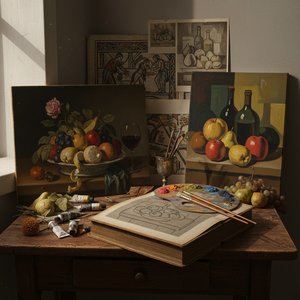
Silent Narratives: Exploring the Enduring Appeal of Still Life Painting Across Centuries
Explore the rich history of still life painting with ArtsDot. Discover Dutch Masters, decode vanitas symbolism & learn about collecting timeless art. Expert insights and museum-quality reproductions.