 Vorschau anzeigen
 Versenden
 Teilen
 Details anzeigen

 Herunterladen
 Ähnliche Objekte
 Röntgenaufnahme
 Diashow
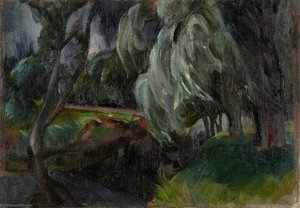
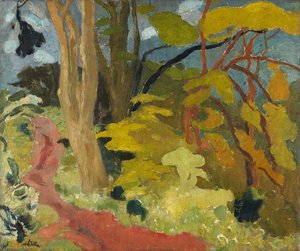
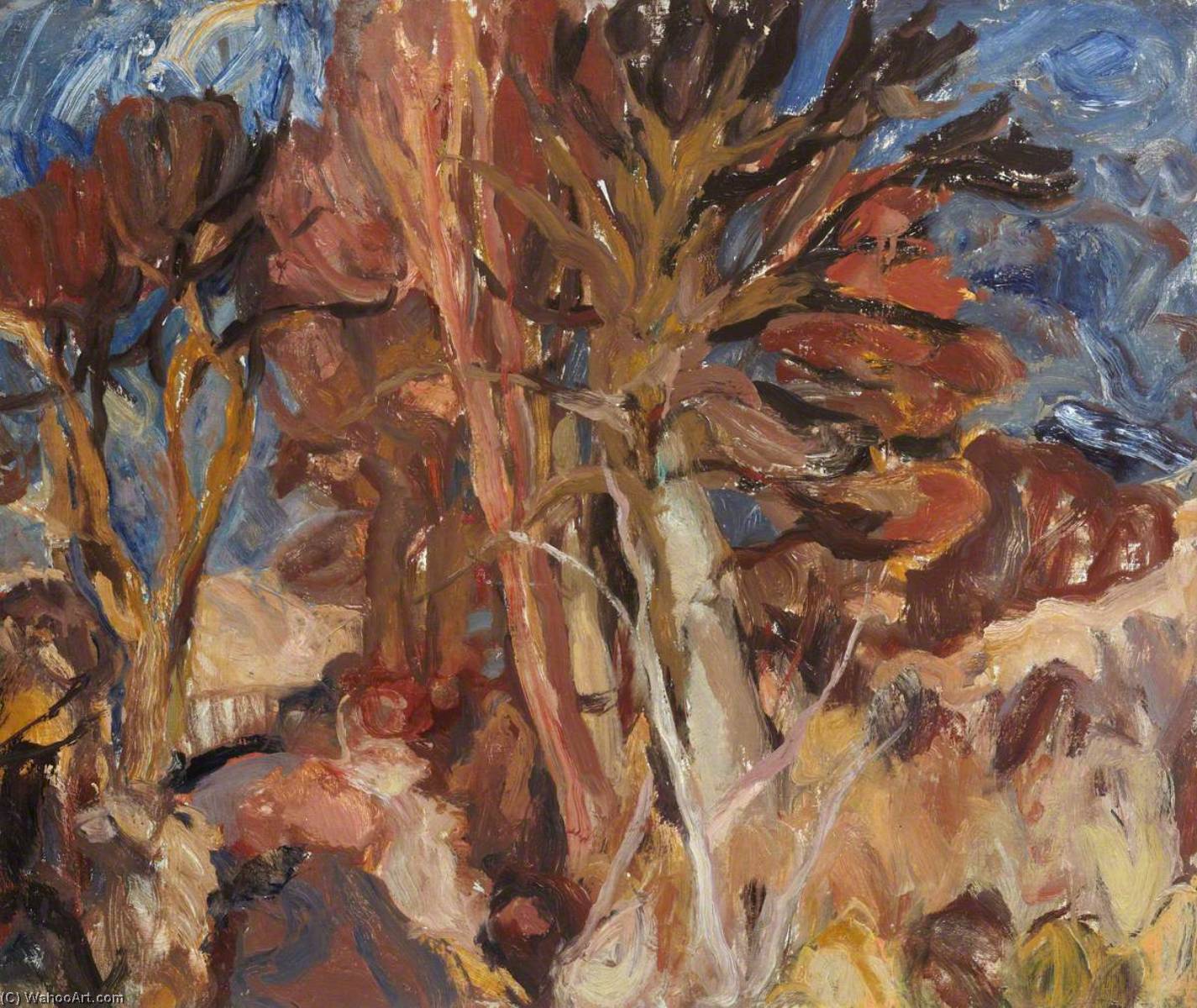
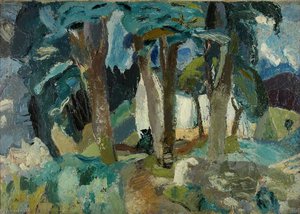
Woodland Landscape (Trees and Sky)


 Weiterlesen
Handgefertigte Ölreproduktion
Handgemaltes Ölgemälde auf Leinwand in Ihrer Wunschgröße und mit Rahmen, auf Bestellung von unseren Künstlern angefertigt. ( Druck bestellen Bild kaufen)




P118B $10

P118H $10

P118W $10

P438Z $10

P508JH $12

P508YH $12

P805H $10

P805Z $10

P919BZ $10

P919G $10

P919XJ $10

P959ZH $10

P968JZ $12

W106C $8

W218G $10

W218JH $8

W218Y $10

W307PJ $10

W316G $10

W316PJ $8

W316Y $10

W398PJ $8

W4111J $10

W500HY $15

W500JH $15

W692G $12

W849H $8

W940BG $15

W953PJ $8




Wählen Sie aus unseren vordefinierten Formaten, die den ursprünglichen Proportionen des Kunstwerks entsprechen.

Sie können Ihre eigenen Maße eingeben, um einen bestimmten Rahmen oder Platz auszufüllen. Wenn die gewählte Größe nicht den Proportionen des Originalbildes entspricht, werden wir das Kunstwerk entweder beschneiden oder das Gemälde durch zusätzliche, handgemalte Elemente erweitern. Ein digitales Mockup wird Ihnen zur Genehmigung zugesandt, bevor die Produktion beginnt.
Bitte beachten Sie, dass die Bildschirmvorschau nicht die tatsächliche Beschneidung oder Erweiterung widerspiegelt. Nur das Mockup zeigt die endgültige Komposition exakt an.
Obwohl Sondermaße verfügbar sind, empfehlen wir, eine Größe aus der vordefinierten Liste zu wählen, um die ursprünglichen Proportionen beizubehalten.
Nach der Bestellung wird das ArtsDot.com-Team dem Kunden Anweisungen per E-Mail zusenden und eine Mockup-Vorschau bereitstellen.
Weltweiter Versand () in nur 3 bis 4 Wochen statt der üblichen 5 Wochen. (26 August). Keine Kompromisse bei der Qualität.

Kostenloser weltweiter Expressversand

Hochwertige Leinenleinwand

Umfassender Versicherungsschutz beim Versand

Zollgebühren-Rückerstattungsgarantie

Garantie für exakte Farbtreue

60 Tage Rückgaberecht (nur bei Mängeln)

100% Geld-zurück-Garantie

Mengenrabatt verfügbar
 Die Glasoption ist nur für Größen unter 110 cm verfügbar.

Woodland Landscape (Trees and Sky)
Art der Reproduktion
Format der Reproduktion
-


Gesamtpreis
$ 263
Beschreibung des Kunstwerks
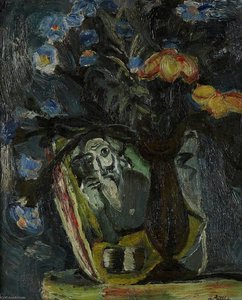
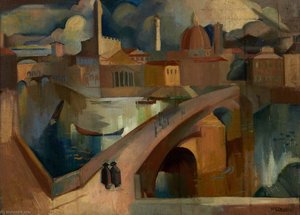
A Vision of Scottish Woodland – Exploring William George Gillies’ “Woodland Landscape”
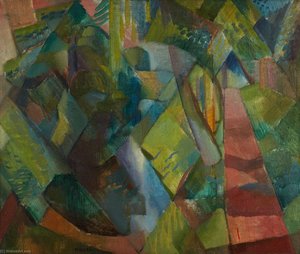
“Woodland Landscape (Trees and Sky)” by Sir William George Gillies, painted circa 1934, stands as a testament to the enduring influence of European avant-garde movements on British landscape painting. Held within the Royal Scottish Academy of Art & Architecture’s collection, this oil on canvas offers more than just a depiction of a serene Highland scene; it embodies a profound engagement with artistic innovation and a subtle layering of symbolic meaning.The Influence of Cubism and Cézanne
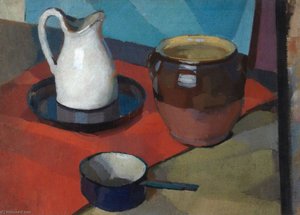
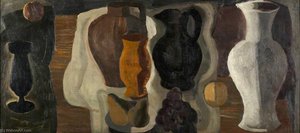
Gillies' initial foray into modern art began in Paris during 1923-24, where he studied under André Lhote and absorbed the principles of Cubism. This formative experience is palpable in early works like “Two Pots, Saucer and Fruit,” demonstrating a deliberate Cézanne-inspired compositional approach—a fractured perspective mirroring Cézanne’s explorations of form and space. The subtle echoes of Picasso and Braque's understated palettes further solidify Gillies’ commitment to pushing beyond traditional representation. He wasn’t merely capturing what he saw; he was actively reshaping it according to the precepts of a revolutionary aesthetic.A Meeting with Klee: Embracing Imagination
However, Gillies’ artistic trajectory took an unexpected turn in 1934 following his encounter with Paul Klee's artwork. Klee’s whimsical use of color and childlike spontaneity profoundly impacted Gillies’ creative vision. This newfound inspiration prompted him to infuse his landscapes with a spirit of imaginative exploration—a departure from the meticulous observation championed by earlier Impressionists. The resulting paintings are characterized by vibrant hues, playful brushstrokes, and an overall sense of joyous spontaneity that distinguishes them from more austere depictions of nature.Technique and Texture: Impasto’s Dramatic Effect
Gillies skillfully employed impasto – thick application of paint – to achieve a remarkable textural quality within “Woodland Landscape.” This technique elevates the painting beyond mere visual representation, inviting viewers to experience the materiality of the artwork itself. The visible brushstrokes create a dynamic surface that captures the essence of Highland weather—the dappled sunlight filtering through dense foliage and the brooding presence of an approaching storm. The artist prioritized conveying mood and atmosphere above precise detail, prioritizing emotional resonance over photographic accuracy.Symbolism Beneath the Surface
The landscape depicted transcends its immediate visual appeal. The towering trees symbolize resilience and strength, rooted firmly in the Highland soil—a visual metaphor for enduring beauty amidst challenging circumstances. Simultaneously, the dark sky evokes a sense of mystery and contemplation, hinting at hidden depths within the natural world. Gillies’ deliberate use of color contributes to this symbolic dimension; warm browns and reds convey warmth and vitality, while cooler blues underscore the melancholic grandeur of the Highland vista.Conclusion: An Artistic Legacy
“Woodland Landscape” remains a captivating example of British landscape painting during the interwar period—a period marked by experimentation and intellectual ferment. Gillies’ unwavering dedication to artistic innovation, coupled with his sensitivity to color and texture, resulted in an artwork that continues to inspire admiration for its expressive power and profound connection to the spirit of Scottish art history. Its enduring beauty lies not only in its depiction of a Highland scene but also in its masterful embodiment of the transformative influence of European avant-garde movements on British artistic sensibilities.Ähnliche Kunstwerke

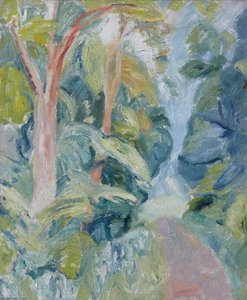
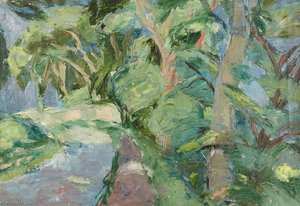
Über den Künstler
Sir William George Gillies: Ein Leben in der schottischen Kunst
Frühes Leben und Ausbildung
- Geboren: Haddington, East Lothian, Vereinigtes Königreich, 1898.
- Gillies begann sein Studium an der Edinburgh College of Art, wurde aber durch seinen Dienst im Ersten Weltkrieg bei den Royal Engineers unterbrochen.
- Nach dem Krieg kehrte er zurück und setzte seine Ausbildung am Edinburgh College of Art fort, schloss sie ab und arbeitete anschließend über 40 Jahre als engagierter Lehrer dort.
Künstlerische Entwicklung und Einflüsse
- Gillies’ künstlerischer Weg begann mit einer Erkundung des Kubismus, nachdem er unter André Lhote in Paris (1923) studiert hatte und Italien (1924) bereist hatte.
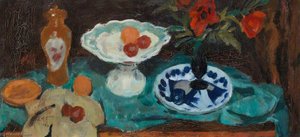
- Frühe Werke wie „Two Pots, Saucer and Fruit“ (1933) zeigen diese Einflüsse und präsentieren eine Cézanne-inspirierte Anordnung mit den unaufdringlichen Farbpaletten von Braque und Picasso.
- Ein entscheidender Moment kam 1934, als er die Werke von Paul Klee entdeckte und sich dadurch inspirieren ließ, eine imaginative Verwendung von Farbe und kindliche Qualitäten in seinen Kompositionen einzusetzen.
- Er entwickelte allmählich einen eigenen Stil, der in schottischen Landschaftsbildern und Stillleben Traditionen verwurzelt ist.
Die 1922er Gruppe und kollaborativer Geist
- Im Jahr 1922 gründete Gillies zusammen mit anderen Künstlern wie William Crozier, William Geissler und William MacTaggart die „1922er Gruppe“.
- Diese Ausstellungsgruppe bot einer Plattform für aufstrebende schottische Künstler, um ihre Werke über ein Jahrzehnt im New Gallery in Edinburgh auszustellen.
- Die Gruppe förderte ein Gefühl von Gemeinschaft und Innovation innerhalb der schottischen Kunstszene.
Themen und Gegenstände
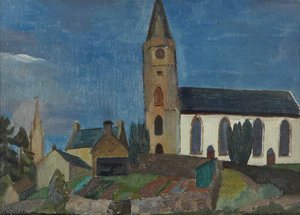
- Landschaften: Gillies ist bekannt für seine Darstellungen der Lothian-, Fife- und Borderregionen Schottlands. Er erfasste den Charakter dieser Landschaften mit einem feinfühligen Blick.
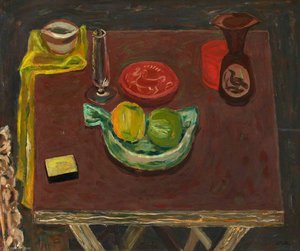
- Stillleben: Stillleben waren ein weiteres wichtiges Thema, oft mit Keramiken, die von seiner jüngeren Schwester Emma Smith Gillies geschaffen wurden, deren frühes Ableben 1936 ihn tief betraf, dargestellt.
- Porträts: Obwohl er in seiner frühen Karriere mit Porträts experimentierte, blieben Landschaften und Stillleben seine Hauptthemen.
Wichtige Leistungen und Anerkennung
- Gillies war von 1959 bis zu seinem Ruhestand im Jahr 1966 Direktor der Edinburgh College of Art.
- Seine produktive Arbeit und sein Engagement für die Lehre hatten einen tiefgreifenden Einfluss auf Generationen schottischer Maler.
- Er wurde zum Royal Academician (RA) ernannt, was eine bedeutende Anerkennung in der Kunstwelt darstellte.
Historische Bedeutung und Vermächtnis
- Sir William George Gillies gilt als einer der wichtigsten schottischen Maler des 20. Jahrhunderts.
- Seine Werke verbinden den frühen Modernismus mit einer eigenständigen schottischen künstlerischen Identität.
- Vermächtnis: Sein Einfluss erstreckt sich über seine Gemälde hinaus und prägt die Richtung der schottischen Kunst durch sein Unterrichten und Mentoring.
- Er starb 1973 und hinterließ ein reiches Œuvre, das bis heute für seine Schönheit, Sensibilität und zeitlose Relevanz gefeiert wird.
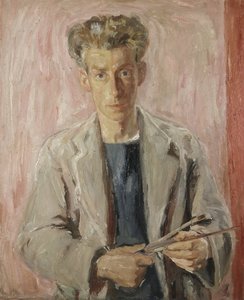
Sir William George Gillies
1898 - 1973 , Vereinigtes Königreich
Kurzinfos
- Artistic Movement Or Style: Kubismus
- Artists Or Movements Influenced By This Artist: ['Scottish Colourists']
- Artists Who Influenced This Artist:
- André Lhote
- Paul Klee
- Cézanne
- Braque
- Picasso
- Date Of Birth: 1898
- Full Name: Sir William George Gillies
- Nationality: Schottisch
- Notable Artworks:
- Young Boy with a Teapot
- Mediterranean Landscape mit Überdachung
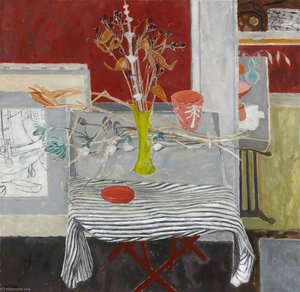
- Stillleben – Gelbes Krug und gestreifte Leinwand
- Place Of Birth: Haddington, Vereinigtes Königreich
Ähnliche Artikel

Impressionistische Landschaften: Die 10 Meisterwerke, die eine Epoche prägten | ArtsDot
Entdecken Sie die 10 Meisterwerke des Impressionismus! Von Monet bis Renoir – erleben Sie die Geschichte, Technik und zeitlose Schönheit ikonischer Landschaftsbilder. Hochwertige Kunstdrucke auf ArtsDot.com. Jetzt entdecken!

Paul Cézanne: Die 25 Meisterwerke des Impressionismus | ArtsDot
Entdecken Sie die 25 Meisterwerke von Paul Cézanne! Tauchen Sie ein in die Welt des Impressionismus und Postimpressionismus. Erfahren Sie mehr über seine Stillleben, Landschaften & berühmten Gemälde – jetzt hochwertige Kunstdrucke auf ArtsDot.com.
Impressionistische Landschaften: Die 10 Meisterwerke, die eine Kunstrichtung prägten | ArtsDot
Entdecken Sie die 10 Meisterwerke des Impressionismus! Von Monet bis Van Gogh – erleben Sie die Geschichten hinter berühmten Landschaftsbildern. Hochwertige Kunst Reproduktionen für Ihr Zuhause auf ArtsDot.com.
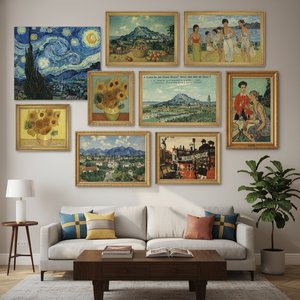
Postimpressionismus: Die 10 Meisterwerke, die eine Ära prägten –
Entdecken Sie die 10 Meisterwerke des Postimpressionismus! Van Gogh, Cézanne & Co. – ihre Geschichten, Techniken und zeitlose Schönheit. Kunstdrucke in Museumsqualiät auf . Jetzt entdecken!
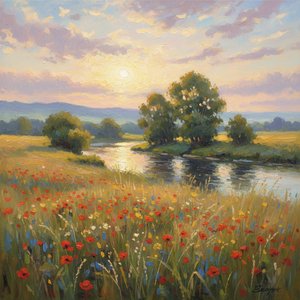
Capturing Fleeting Light: A Comprehensive Exploration of Impressionistic Landscape Painting
Explore the captivating world of Impressionistic landscape painting! Discover techniques, key artists like Monet & Renoir, and its lasting influence on art history. A comprehensive guide for enthusiasts.