 Vorschau anzeigen
 Versenden
 Teilen
 Details anzeigen

 Herunterladen
 Ähnliche Objekte
 Röntgenaufnahme
 Diashow
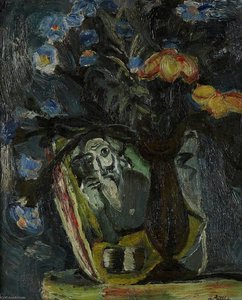
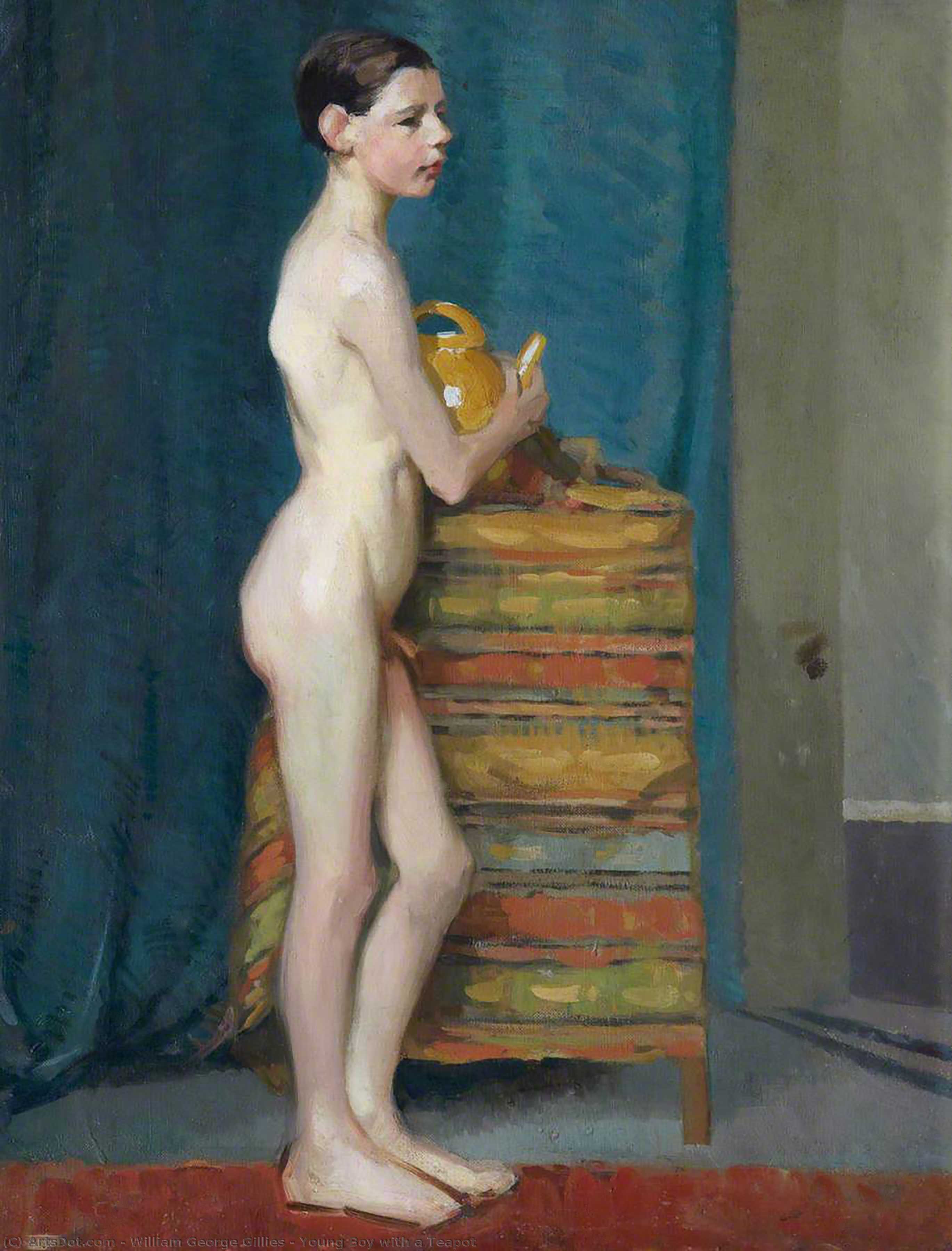
Young Boy with a Teapot
 Oil On Canvas
- WallArt
- Cubist influences
 1922
1922 66.0 x 51.0 cm
 Royal Scottish Academy of Art – Architektur
 Weiterlesen
Giclée / Kunstdruck
Giclée- oder Leinwanddruck in Museumsqualität mit schneller Produktion und flexiblen Veredelungsoptionen. ( Handgemalte Reproduktion bestellen Bild kaufen)




P118B $10

P118H $10

P118W $10

P438Z $10

P508JH $12

P508YH $12

P805H $10

P805Z $10

P919BZ $10

P919G $10

P919XJ $10

P959ZH $10

P968JZ $12

W106C $8

W218G $10

W218JH $8

W218Y $10

W307PJ $10

W316G $10

W316PJ $8

W316Y $10

W398PJ $8

W4111J $10

W500HY $15

W500JH $15

W692G $12

W849H $8

W940BG $15

W953PJ $8




Wählen Sie aus unseren vordefinierten Formaten, die den ursprünglichen Proportionen des Kunstwerks entsprechen.

Sie können Ihre eigenen Maße eingeben, um ein bestimmtes Format oder einen speziellen Platz einzupassen. Wenn das von Ihnen gewählte Format nicht den Proportionen des Originalbildes entspricht, werden wir das Kunstwerk entweder beschneiden oder das Bild mit einem gespiegelten oder einfarbigen Rand erweitern. Ein digitaler Entwurf wird Ihnen zur Genehmigung zugesandt, bevor die Produktion beginnt.
Bitte beachten Sie, dass die Vorschau auf dem Bildschirm nicht den tatsächlichen Zuschnitt oder die Erweiterung widerspiegelt. Nur der Entwurf zeigt die endgültige Komposition präzise an.
Obwohl Sondermaße verfügbar sind, empfehlen wir die Auswahl eines Maßes aus der vordefinierten Liste, um die ursprünglichen Proportionen zu bewahren.
Weltweiter Versand () innerhalb von 2 Wochen statt der üblichen 4/5 Wochen. (24 August)

Kostenloser weltweiter Expressversand

Hochwertige Leinenleinwand

Umfassender Versicherungsschutz beim Versand

Zollgebühren-Rückerstattungsgarantie

Garantie für exakte Farbtreue

60 Tage Rückgaberecht (nur bei Mängeln)

100% Geld-zurück-Garantie

Mengenrabatt verfügbar
 Die Glasoption ist nur für Größen unter 110 cm verfügbar.

Young Boy with a Teapot
Giclée / Kunstdruck
Format der Reproduktion
-


Gesamtpreis
$ 62
Sammlerstück-Beschreibung
A Portrait of Quietude: Young Boy with a Teapot by William George Gillies
William George Gillies’ “Young Boy with a Teapot” is not merely a depiction of a child; it's a carefully constructed tableau of domesticity, imbued with a poignant sense of stillness and observation. Painted in 1922, during a period of significant artistic experimentation in Scotland – a time marked by the echoes of Cubism and the burgeoning influence of Paul Klee – this work stands as a testament to Gillies’ ability to distill complex emotion into deceptively simple forms. The painting immediately draws the viewer in with its muted palette, dominated by earthy browns, ochres, and subtle greens, creating an atmosphere of gentle twilight. The boy, positioned slightly off-center, is rendered with remarkable detail – the delicate curve of his cheekbone, the slight furrow of his brow, the way his gaze drifts just beyond the viewer’s line. He isn't actively engaged; he seems lost in a private reverie, a silent witness to the scene unfolding before him.
The Language of Stillness: Style and Technique
Gillies’ style here is characterized by a masterful blend of observation and suggestion. He employs a technique reminiscent of Cézanne – particularly in the careful arrangement of objects within the shallow space – yet infuses it with a distinctly personal touch. The teapot, a vibrant yellow against the muted background, becomes a focal point, not just as an object but as a symbol of warmth and domestic comfort. Gillies’ brushwork is loose and expressive, avoiding sharp outlines in favor of soft transitions and hazy forms. This contributes to the painting's dreamlike quality, blurring the boundaries between reality and memory. The use of light is particularly noteworthy; it’s diffused and indirect, casting long shadows that deepen the sense of quietude and create a feeling of intimacy within the room.
Roots in the Scottish Landscape: Historical Context
To understand “Young Boy with a Teapot,” one must consider Gillies' place within the broader artistic landscape of 1920s Scotland. Following his studies in Paris and Italy, where he embraced Cubist influences, Gillies returned to Edinburgh and established himself as a key figure in the 1922 Group – a collective of artists who sought to forge a distinctly Scottish modernism. This group was deeply influenced by the landscape and traditions of their homeland, yet they were also eager to engage with contemporary European movements. Gillies’ work reflects this duality; it retains a strong connection to the natural world while simultaneously exploring new formal possibilities. The painting's creation coincided with a period of social and political upheaval in Europe, marked by anxieties about modernity and the rapid pace of change – themes that subtly resonate within the quiet contemplation of the boy and his teapot.
Symbolism and Emotional Resonance
Beyond its formal qualities, “Young Boy with a Teapot” is rich in symbolic meaning. The boy himself represents innocence and vulnerability, while the teapot embodies domesticity, comfort, and perhaps even nostalgia. The empty chair suggests absence or solitude – a subtle hint of melancholy that permeates the entire scene. Some art historians have interpreted the painting as an exploration of childhood memory, capturing a fleeting moment of contemplation from a bygone era. The overall effect is profoundly moving; it evokes a sense of quiet beauty and invites the viewer to pause and reflect on the simple pleasures of life. It’s a reminder that even in moments of stillness, there can be a wealth of emotion and meaning.
This reproduction offers an exceptional opportunity to bring Gillies' evocative vision into your home or office. The meticulous detail and vibrant colors faithfully capture the essence of the original painting, making it a stunning addition to any collection.
Ähnliche Kunstwerke
Über den Künstler
Sir William George Gillies: Ein Leben in der schottischen Kunst
Frühes Leben und Ausbildung
- Geboren: Haddington, East Lothian, Vereinigtes Königreich, 1898.
- Gillies begann sein Studium an der Edinburgh College of Art, wurde aber durch seinen Dienst im Ersten Weltkrieg bei den Royal Engineers unterbrochen.
- Nach dem Krieg kehrte er zurück und setzte seine Ausbildung am Edinburgh College of Art fort, schloss sie ab und arbeitete anschließend über 40 Jahre als engagierter Lehrer dort.
Künstlerische Entwicklung und Einflüsse
- Gillies’ künstlerischer Weg begann mit einer Erkundung des Kubismus, nachdem er unter André Lhote in Paris (1923) studiert hatte und Italien (1924) bereist hatte.
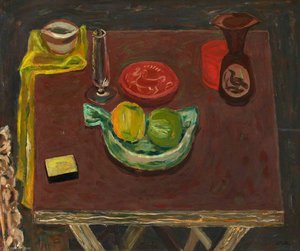
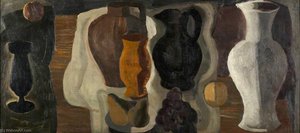
- Frühe Werke wie „Two Pots, Saucer and Fruit“ (1933) zeigen diese Einflüsse und präsentieren eine Cézanne-inspirierte Anordnung mit den unaufdringlichen Farbpaletten von Braque und Picasso.
- Ein entscheidender Moment kam 1934, als er die Werke von Paul Klee entdeckte und sich dadurch inspirieren ließ, eine imaginative Verwendung von Farbe und kindliche Qualitäten in seinen Kompositionen einzusetzen.
- Er entwickelte allmählich einen eigenen Stil, der in schottischen Landschaftsbildern und Stillleben Traditionen verwurzelt ist.
Die 1922er Gruppe und kollaborativer Geist
- Im Jahr 1922 gründete Gillies zusammen mit anderen Künstlern wie William Crozier, William Geissler und William MacTaggart die „1922er Gruppe“.
- Diese Ausstellungsgruppe bot einer Plattform für aufstrebende schottische Künstler, um ihre Werke über ein Jahrzehnt im New Gallery in Edinburgh auszustellen.
- Die Gruppe förderte ein Gefühl von Gemeinschaft und Innovation innerhalb der schottischen Kunstszene.
Themen und Gegenstände
- Landschaften: Gillies ist bekannt für seine Darstellungen der Lothian-, Fife- und Borderregionen Schottlands. Er erfasste den Charakter dieser Landschaften mit einem feinfühligen Blick.
- Stillleben: Stillleben waren ein weiteres wichtiges Thema, oft mit Keramiken, die von seiner jüngeren Schwester Emma Smith Gillies geschaffen wurden, deren frühes Ableben 1936 ihn tief betraf, dargestellt.
- Porträts: Obwohl er in seiner frühen Karriere mit Porträts experimentierte, blieben Landschaften und Stillleben seine Hauptthemen.
Wichtige Leistungen und Anerkennung
- Gillies war von 1959 bis zu seinem Ruhestand im Jahr 1966 Direktor der Edinburgh College of Art.
- Seine produktive Arbeit und sein Engagement für die Lehre hatten einen tiefgreifenden Einfluss auf Generationen schottischer Maler.
- Er wurde zum Royal Academician (RA) ernannt, was eine bedeutende Anerkennung in der Kunstwelt darstellte.
Historische Bedeutung und Vermächtnis
- Sir William George Gillies gilt als einer der wichtigsten schottischen Maler des 20. Jahrhunderts.
- Seine Werke verbinden den frühen Modernismus mit einer eigenständigen schottischen künstlerischen Identität.
- Vermächtnis: Sein Einfluss erstreckt sich über seine Gemälde hinaus und prägt die Richtung der schottischen Kunst durch sein Unterrichten und Mentoring.
- Er starb 1973 und hinterließ ein reiches Œuvre, das bis heute für seine Schönheit, Sensibilität und zeitlose Relevanz gefeiert wird.
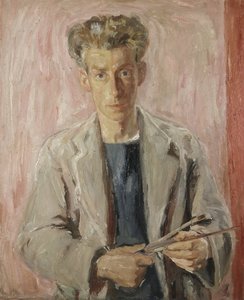
Sir William George Gillies
1898 - 1973 , Vereinigtes Königreich
Kurzinfos
- Artistic Movement Or Style: Kubismus
- Artists Or Movements Influenced By This Artist: ['Scottish Colourists']
- Artists Who Influenced This Artist:
- André Lhote
- Paul Klee
- Cézanne
- Braque
- Picasso
- Date Of Birth: 1898
- Full Name: Sir William George Gillies
- Nationality: Schottisch
- Notable Artworks:
- Young Boy with a Teapot
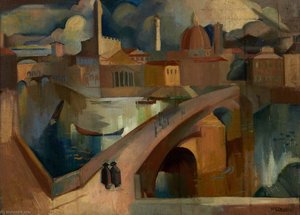
- Mediterranean Landscape mit Überdachung
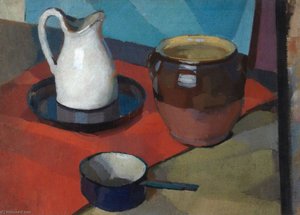
- Stillleben – Gelbes Krug und gestreifte Leinwand
- Place Of Birth: Haddington, Vereinigtes Königreich
Ähnliche Artikel
Georges Braque: Die 25 Meisterwerke des Kubismus für Ihr Zuhause | ArtsDot
Entdecken Sie die 25 bedeutendsten Kunstwerke von Georges Braque – vom Kubismus bis zum Fauvismus. Erfahren Sie die Geschichten hinter den Meisterwerken und finden Sie hochwertige Reproduktionen für Ihr Zuhause auf ArtsDot.com.

Georges Seurat: Die 25 Meisterwerke des Pointillismus für Ihr Zuhause | ArtsDot
Entdecken Sie die 25 ikonischsten Meisterwerke von Georges Seurat! Tauchen Sie ein in die Welt des Pointillismus, der Farbtheorie und des Impressionismus. Hochwertige Kunst reproduzieren für Ihr Zuhause – jetzt auf ArtsDot.com!
Sir William George Gillies: Ein schottischer Farbist und seine Reise durch Landschaft und Abstraktion
Entdecken Sie das faszinierende Werk von Sir William George Gillies! Erfahren Sie mehr über seine Entwicklung vom schottischen Realismus zur Abstraktion und die Bedeutung seiner Landschaftsmalerei für die moderne Kunst. Jetzt lesen!
Penry Williams: Evoking Welsh Nostalgia Through Impressionistic Landscapes
Explore the captivating world of Penry Williams (1802-1885), a Welsh artist renowned for his evocative Impressionistic landscapes and scenes of Italy. Discover his life, style & legacy with ArtsDot.
William Salter: A Life Immersed in Colour – Victorian Botanical Art & Social Vision
Explore the life & art of William Salter (1804-1875), a Victorian master renowned for his botanical illustrations and striking portraits. Discover his social vision & legacy at ArtsDot.