 Vorschau anzeigen
 Versenden
 Teilen
 Details anzeigen

 Herunterladen
 Ähnliche Objekte
 Röntgenaufnahme
 Diashow
 Statistiken
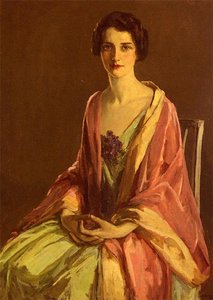
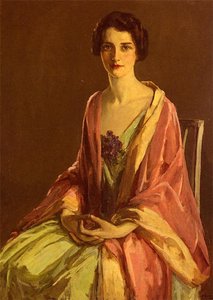
Francine J. M. Clark


 Weiterlesen
Handgefertigte Ölreproduktion
Handgemaltes Ölgemälde auf Leinwand in Ihrer Wunschgröße und mit Rahmen, auf Bestellung von unseren Künstlern angefertigt. ( Zu Druck wechseln Zum digitalen Bild wechseln)




P118B $10

P118H $10

P118W $10

P438Z $10

P508JH $12

P508YH $12

P805H $10

P805Z $10

P919BZ $10

P919G $10

P919XJ $10

P959ZH $10

P968JZ $12

W106C $8

W218G $10

W218JH $8

W218Y $10

W307PJ $10

W316G $10

W316PJ $8

W316Y $10

W398PJ $8

W4111J $10

W500HY $15

W500JH $15

W692G $12

W849H $8

W940BG $15

W953PJ $8




Wählen Sie aus unseren vordefinierten Formaten, die den ursprünglichen Proportionen des Kunstwerks entsprechen.

Sie können Ihre eigenen Maße eingeben, um einen bestimmten Rahmen oder Platz auszufüllen. Wenn die gewählte Größe nicht den Proportionen des Originalbildes entspricht, werden wir das Kunstwerk entweder beschneiden oder das Gemälde durch zusätzliche, handgemalte Elemente erweitern. Ein digitales Mockup wird Ihnen zur Genehmigung zugesandt, bevor die Produktion beginnt.
Bitte beachten Sie, dass die Bildschirmvorschau nicht die tatsächliche Beschneidung oder Erweiterung widerspiegelt. Nur das Mockup zeigt die endgültige Komposition exakt an.
Obwohl Sondermaße verfügbar sind, empfehlen wir, eine Größe aus der vordefinierten Liste zu wählen, um die ursprünglichen Proportionen beizubehalten.
Nach der Bestellung wird das ArtsDot.com-Team dem Kunden Anweisungen per E-Mail zusenden und eine Mockup-Vorschau bereitstellen.
Weltweiter Versand () in nur 3 bis 4 Wochen statt der üblichen 5 Wochen. (9 September). Keine Kompromisse bei der Qualität.

Kostenloser weltweiter Expressversand

Hochwertige Leinenleinwand

Umfassender Versicherungsschutz beim Versand

Zollgebühren-Rückerstattungsgarantie

Garantie für exakte Farbtreue

100-Tage-Rückgaberecht (nur bei Mängeln)

100% Geld-zurück-Garantie

Mengenrabatt verfügbar
 Die Glasoption ist nur für Größen unter 110 cm verfügbar.

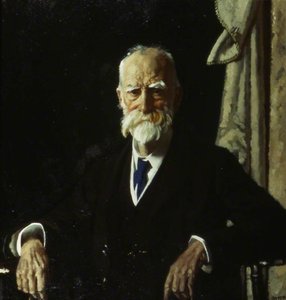
Francine J. M. Clark
Art der Reproduktion
Format der Reproduktion
-


Gesamtpreis
$ 263
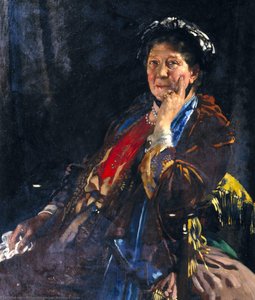
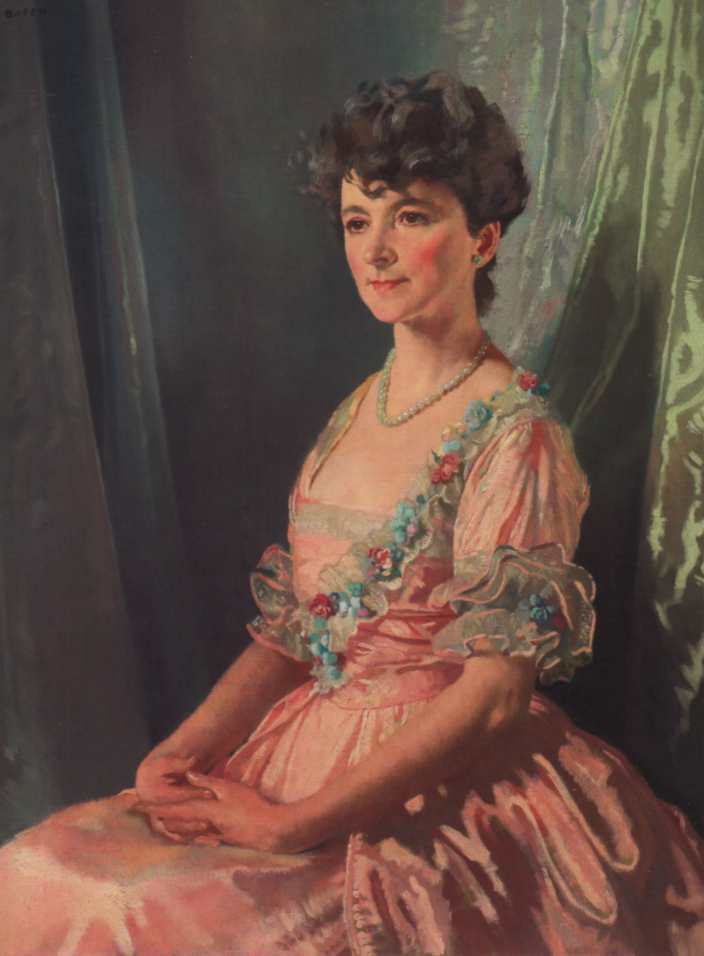
The Enigmatic Gaze: Sir William Orpen’s “Francine J. M. Clark”
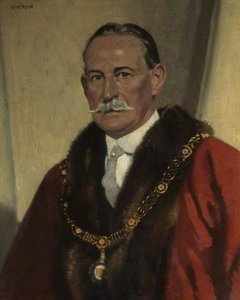
Sir William Newenham Montague Orpen's "Francine J. M. Clark," painted in 1921, is more than a simple portrait; it’s a carefully constructed tableau of Victorian elegance and subtle psychological depth. The painting captures Francine Clary, a prominent figure within the Sterling and Francine Clark Art Institute, seated with an air of quiet contemplation. Her posture—hands gently clasped in her lap, gaze directed towards the viewer—immediately establishes a connection, inviting us into her private world. Orpen’s masterful use of light and shadow sculpts her features, highlighting the delicate curve of her jawline and the gentle slope of her shoulders, while simultaneously hinting at an underlying reserve.
- Subject & Context: The portrait was commissioned during a period of significant artistic transition. Orpen, a veteran of WWI known for his unflinching depictions of battle, was increasingly drawn to quieter subjects and refined techniques. The Clark Art Institute itself represents this shift – a deliberate move away from the grand collections of European aristocracy towards a more accessible and democratic approach to art appreciation.
- Style & Technique: Orpen’s style here is distinctly characterized by his meticulous attention to detail, combined with an expressive use of color and texture. He employs a rich palette—muted greens, browns, and creams—creating a sense of understated luxury. The brushstrokes are visible yet controlled, lending the painting a tactile quality that draws the viewer in. Notice particularly how he uses light to define the folds of her dress and the subtle sheen on her skin.
A Symphony of Color and Light: Unpacking Orpen’s Palette
The color choices within “Francine J. M. Clark” are profoundly deliberate, contributing significantly to the painting's overall mood and narrative. The dominant greens—a deep, forest hue—evoke a sense of tranquility and perhaps even melancholy, subtly mirroring Francine’s contemplative state. These greens are juxtaposed with warmer tones – creams and browns – that suggest comfort and familiarity. Orpen masterfully uses chiaroscuro, the dramatic contrast between light and dark, to create a three-dimensional effect, emphasizing the subject's form and adding depth to the composition. The subtle highlights on her face and hands draw our attention to her features, while the shadows subtly conceal and reveal, creating an intriguing sense of mystery.
- Green Symbolism: Green has long been associated with nature, growth, and renewal, but in this context, it might also represent a certain restraint or a quiet dignity.
- Light as Revelation: Orpen’s skillful manipulation of light isn't merely decorative; it serves to illuminate Francine’s inner life, inviting us to contemplate her thoughts and emotions.
Beyond the Portrait: Reflections on Victorian Society
“Francine J. M. Clark” offers a fascinating glimpse into Victorian society—a period defined by strict social conventions, elaborate rituals, and a complex interplay of restraint and aspiration. The portrait’s formality reflects this era's emphasis on decorum and propriety. Francine’s posture and attire—the pearl necklace, the elegant dress—are all carefully chosen to convey an image of respectability and refinement. However, beneath the surface of outward composure, Orpen subtly hints at a more complex inner life. Her gaze, direct yet slightly distant, suggests a thoughtful observer, perhaps even a woman yearning for something beyond the confines of her social role.
- Social Commentary: The portrait can be interpreted as a subtle commentary on the constraints placed upon women in Victorian society.
- Psychological Depth: Orpen’s ability to capture such nuanced emotion within a formal portrait is a testament to his artistic skill and psychological insight.
A Timeless Masterpiece: Reproduction & Legacy
Reproductions of “Francine J. M. Clark” offer an exceptional opportunity to experience the beauty and artistry of this iconic painting. Whether displayed in a grand salon or a more intimate setting, it continues to captivate viewers with its elegance, subtlety, and profound emotional resonance. The painting’s enduring appeal lies not only in Orpen's technical mastery but also in his ability to capture the essence of a particular moment in time—a portrait that speaks volumes about Victorian society and the complexities of human experience.
Ähnliche Kunstwerke
Über den Künstler
Frühes Leben und Ausbildung
Sir William Newenham Montague Orpen, ein renommierter irischer Künstler, wurde am 27. November 1878 in Stillorgan, County Dublin, geboren. Er war das vierte und jüngste Kind von Arthur Herbert Orpen, einem Rechtsanwalt, und Anne Caulfield, einer Amateurmalerin. Orpens frühes Leben war geprägt von einer glücklichen Kindheit auf Oriel, einem großen Haus mit weitläufigen Grundstücken. Sein künstlerisches Talent wurde schon in jungen Jahren deutlich. Mit 13 Jahren schrieb er sich an der Dublin Metropolitan School of Art ein, wo er alle wichtigen Preise und die British Isles Gold Medal für Aktzeichnen gewann. Später studierte er von 1897 bis 1899 an der Slade School of Art, beherrschte die Ölmalerei und experimentierte mit verschiedenen Techniken.Künstlerische Karriere
Orpens künstlerische Karriere war geprägt von seiner feinen Linienführung und seinen kommerziell erfolgreichen Porträts der wohlhabenden Gesellschaft im edwardianischen Stil. Viele seiner eindrucksvollsten Gemälde sind jedoch Selbstporträts. Während des Ersten Weltkriegs war er der produktivste offizielle Kriegskünstler und schuf 138 Zeichnungen und Gemälde, die er der britischen Regierung vermachte und die sich nun in der Sammlung des Imperial War Museum befinden.- Sir William Newenham Montague Orpens Verbindungen zu hochrangigen britischen Militärs ermöglichten es ihm, länger in Frankreich als andere offizielle Kriegskünstler zu bleiben.
- Er wurde 1918 zum Knight Commander des Order of the British Empire ernannt und zum Mitglied der Royal Academy of Arts gewählt.
- Orpens Entschlossenheit, als Kriegskünstler tätig zu sein, kostete ihn sowohl seine Gesundheit als auch seinen sozialen Status in England.
Bemerkenswerte Werke und Vermächtnis
- Die Szene aus Hamlet, ein zweimeterbreites Gemälde, gewann 1899 den Slade Composition Prize.
- Der Spiegel, der 1900 im New English Art Club ausgestellt wurde, bezieht sich auf Jan van Eycks A Arnolfini Portrait und Elemente niederländischer Innenräume des 17. Jahrhunderts.
- Orpens Mittag am Strand, der 1910 im New English Art Club ausgestellt wurde, zeigt seinen charakteristischen Plein-Air-Stil.
Museen und Sammlungen
- Das Imperial War Museum beherbergt Orpens 138 gespendete Werke, darunter Zeichnungen und Gemälde aus dem Ersten Weltkrieg.
- Die British Council Collection, die von der Dublin City Gallery The Hugh Lane und dem Dublin City Council betrieben wird, umfasst eine breite Palette von Kunstwerken, darunter Werke renommierter Künstler wie Morris Louis, William Larkin und Alison Watt.
- Das Museum Faculty of English Language and Literature in Oxford, Großbritannien, ist ein Schatz für Literaturbegeisterte und beherbergt Kunstwerke, die die reiche Geschichte der englischen Literatur zeigen.
Schlussfolgerung
Sir William Newenham Montague Orpens künstlerisches Vermächtnis ist ein Beweis für seine Meisterschaft im edwardianischen Porträt. Seine Beiträge zur Sammlung des Imperial War Museum und sein Einfluss auf die britische Kunstszene sind unbestreitbar. Entdecken Sie weitere Werke von Orpen und anderen bemerkenswerten Künstlern auf ArtsDot.com, und entdecken Sie die Welt der Kunst mit Gerard ter Borchs ruhigen Genreszenen oder Edward Fishers akribischen Stichen.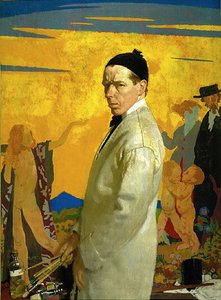
Sir William Newenham Montague Orpen
1878 - 1931 , Irland
Kurzinfos
- Beeinflusste Künstler: ['Jan van Eyck']
- Bemerkenswerte Werke:
- The Play Scene from Hamlet
- The Mirror
- Midday on the Beach
- Geburtsdatum: 27. November 1878
- Geburtsort: Stillorgan, Irland
- Künstlerische Richtung: Realismus, Plein-Air
- Nationalität: Irisch
- Sterbedatum: 1931
- Vollständiger Name: Sir William Newenham Montague Orpen
Ähnliche Artikel
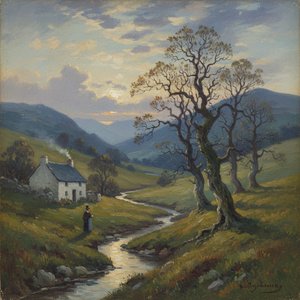
Penry Williams: Evoking Welsh Nostalgia Through Impressionistic Landscapes
Explore the captivating world of Penry Williams (1802-1885), a Welsh artist renowned for his evocative Impressionistic landscapes and scenes of Italy. Discover his life, style & legacy with ArtsDot.
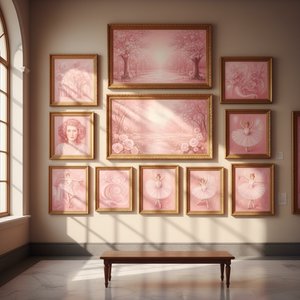
Die zartesten Meisterwerke: Top 10 Gemälde in Lichtrosa & ihre Geschichte |
Entdecken Sie die Top 10 berühmter Gemälde in zarten Rosatönen! Von impressionistischen Meisterwerken bis hin zu romantischen Ikonen – erfahren Sie mehr über Künstler, Techniken & Geschichte. Hochwertige Kunstdrucke auf .
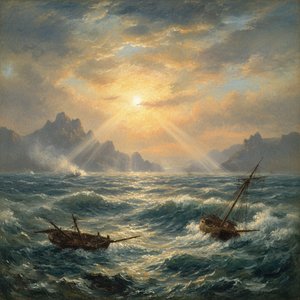
J.M.W. Turner: Licht, Atmosphäre und das Romantische Erhabene – Eine Studie zu seinem künstlerischen Vermächtnis
Entdecken Sie J.M.W. Turner und seine revolutionäre Landschaftsmalerei! Analysieren Sie Licht, Atmosphäre und das Romantische Erhabene in seinem Werk. Expertenwissen & tiefe Einblicke.
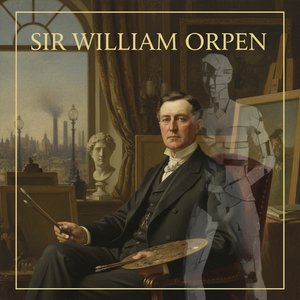
Sir William Orpen: A Study in Edwardian Portraiture & the Shadows of Modernity
Explore the life & art of Sir William Orpen, a master of Edwardian portraiture and poignant WWI depictions. Discover his unique realism, psychological depth, and enduring legacy in this insightful analysis.
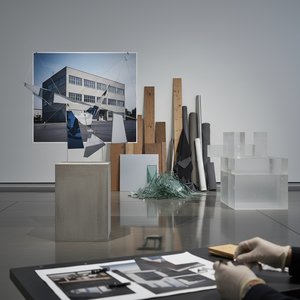
Christopher Williams: Deconstructing Representation & Materiality in Contemporary Art
Explore the groundbreaking work of Christopher Williams, a pivotal figure in contemporary art. This analysis delves into his deconstruction of representation, materiality, and institutional critique – essential reading for serious collectors.