 Vorschau anzeigen
 Versenden
 Teilen
 Details anzeigen

 Herunterladen
 Ähnliche Objekte
 Röntgenaufnahme
 Diashow
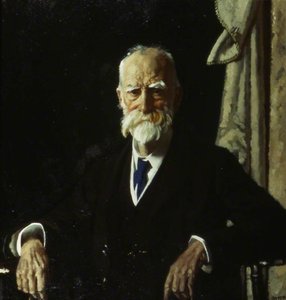
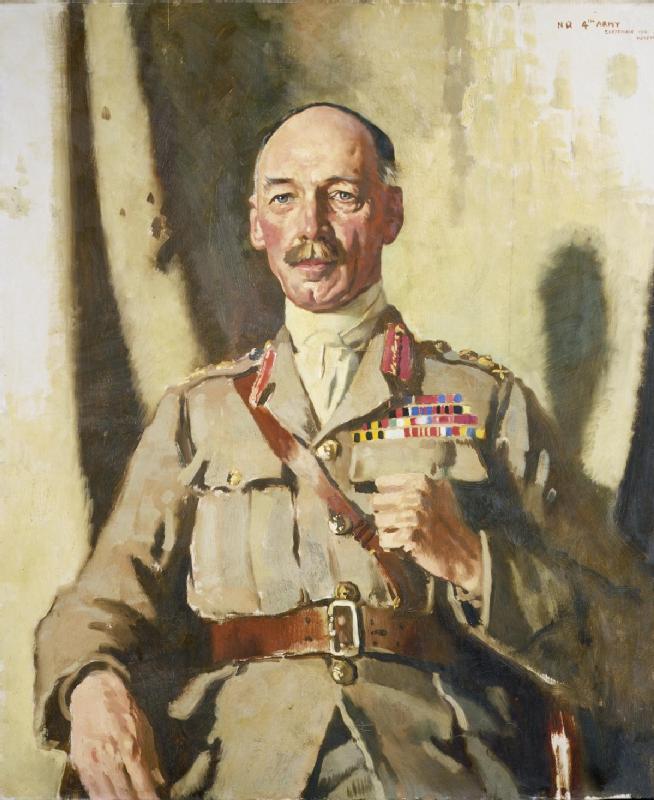
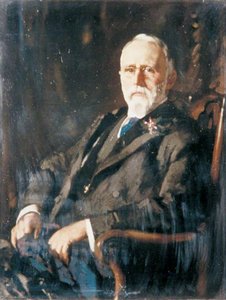
General Sir Henry Seymour Rawlinson (1864 1925) Bt, GCVO, KCB, KCMG


 Weiterlesen
Giclée / Kunstdruck
Giclée- oder Leinwanddruck in Museumsqualität mit schneller Produktion und flexiblen Veredelungsoptionen. ( Handgemalte Reproduktion bestellen Bild kaufen)




P118B $10

P118H $10

P118W $10

P438Z $10

P508JH $12

P508YH $12

P805H $10

P805Z $10

P919BZ $10

P919G $10

P919XJ $10

P959ZH $10

P968JZ $12

W106C $8

W218G $10

W218JH $8

W218Y $10

W307PJ $10

W316G $10

W316PJ $8

W316Y $10

W398PJ $8

W4111J $10

W500HY $15

W500JH $15

W692G $12

W849H $8

W940BG $15

W953PJ $8




Wählen Sie aus unseren vordefinierten Formaten, die den ursprünglichen Proportionen des Kunstwerks entsprechen.

Sie können Ihre eigenen Maße eingeben, um ein bestimmtes Format oder einen speziellen Platz einzupassen. Wenn das von Ihnen gewählte Format nicht den Proportionen des Originalbildes entspricht, werden wir das Kunstwerk entweder beschneiden oder das Bild mit einem gespiegelten oder einfarbigen Rand erweitern. Ein digitaler Entwurf wird Ihnen zur Genehmigung zugesandt, bevor die Produktion beginnt.
Bitte beachten Sie, dass die Vorschau auf dem Bildschirm nicht den tatsächlichen Zuschnitt oder die Erweiterung widerspiegelt. Nur der Entwurf zeigt die endgültige Komposition präzise an.
Obwohl Sondermaße verfügbar sind, empfehlen wir die Auswahl eines Maßes aus der vordefinierten Liste, um die ursprünglichen Proportionen zu bewahren.
Weltweiter Versand () innerhalb von 2 Wochen statt der üblichen 4/5 Wochen. (31 August)

Kostenloser weltweiter Expressversand

Hochwertige Leinenleinwand

Umfassender Versicherungsschutz beim Versand

Zollgebühren-Rückerstattungsgarantie

Garantie für exakte Farbtreue

60 Tage Rückgaberecht (nur bei Mängeln)

100% Geld-zurück-Garantie

Mengenrabatt verfügbar
 Die Glasoption ist nur für Größen unter 110 cm verfügbar.

General Sir Henry Seymour Rawlinson (1864 1925) Bt, GCVO, KCB, KCMG
Giclée / Kunstdruck
Format der Reproduktion
-


Gesamtpreis
$ 62
A Portrait of Command: Sir Henry Rawlinson in the Shadow of Victory
William Newenham Montague Orpen’s 1918 portrait of General Sir Henry Seymour Rawlinson is more than simply a likeness; it's a carefully constructed tableau of authority, experience, and the weighty burden of leadership during one of history’s most tumultuous periods. The painting captures Rawlinson not in the heat of battle – though his military career certainly warranted such a depiction – but rather in a moment of contemplative repose, seated within a richly detailed interior that speaks volumes about the man himself. Orpen masterfully utilizes oil on canvas to achieve a remarkable sense of texture and depth, imbuing the scene with a vintage quality that immediately transports the viewer back to the early 20th century.
Rawlinson, a pivotal figure in the British Army’s success during World War I, is presented as a man of considerable stature – both physically and professionally. His uniform, meticulously rendered with intricate details of gold braid and epaulettes, speaks to his high rank and years of service. The subtle tie, the carefully groomed mustache, and the held cigar all contribute to an image of a seasoned officer accustomed to command, yet retaining a certain air of dignified composure. The background, featuring a shadowed wall and two chairs, isn’t merely decorative; it subtly frames Rawlinson, suggesting a space of reflection and strategic thought – a private sanctuary within the larger theater of war.
The Artist's Hand: Orpen's Style and Technique
William Orpen was a distinctive figure in late 19th and early 20th-century British art, renowned for his powerful portraits and unflinching depictions of wartime realities. Unlike many official war artists who focused solely on heroic scenes, Orpen possessed a remarkable ability to capture the psychological toll of conflict – evident in his later works depicting wounded soldiers. In this portrait, he employs a technique characterized by loose brushstrokes and a vibrant, almost impasto-like application of paint, particularly noticeable in the textures of the uniform and the cigar’s glowing ember. This approach lends the painting an immediacy and emotional resonance that transcends mere representation.
Orpen's background included training at the Slade School of Art, where he experimented with innovative approaches to portraiture, often incorporating elements of collage and layered imagery – a technique subtly echoed in the composition here. The use of shadow is particularly effective, creating a sense of drama and highlighting Rawlinson’s form while simultaneously hinting at the unseen pressures and responsibilities he carried. The careful attention to light and dark contributes significantly to the painting's overall mood, evoking both strength and a quiet introspection.
Historical Context: Leadership in the Trenches
Painted in 1918, just as the Allied forces were poised for their final push towards victory on the Western Front, this portrait offers a poignant glimpse into the leadership of a man who played a crucial role in those decisive battles. Sir Henry Rawlinson commanded the Fourth Army during the brutal campaigns of the Somme and Amiens, overseeing some of the most intense fighting of the war. His strategic acumen and unwavering determination were instrumental to the Allied advance, earning him numerous honors including the Victoria Cross and knighthoods.
The portrait’s timing is significant; it reflects a moment of cautious optimism amidst the ongoing carnage. Rawlinson's posture suggests a man aware of the immense sacrifices made by his troops, yet resolute in his commitment to achieving victory. The cigar, often associated with contemplation and strategic planning, further reinforces this impression – a symbol of a leader weighing options and preparing for the challenges ahead. The inclusion of the two chairs hints at the long hours spent strategizing and making critical decisions during those grueling years.
Symbolism and Emotional Resonance
Beyond its straightforward depiction of a military officer, the painting is rich in symbolic meaning. The shadowed wall can be interpreted as representing the darkness and uncertainty of war, while Rawlinson’s posture embodies resilience and steadfastness. The cigar itself isn't simply a prop; it represents the weight of command, the responsibility for countless lives, and perhaps even a touch of personal indulgence amidst the horrors of conflict.
Orpen’s portrait ultimately captures not just a man’s appearance but also his character – a complex blend of authority, experience, and quiet dignity. It is a powerful testament to leadership in times of crisis, offering a valuable insight into the mind of a pivotal figure during one of history's most defining moments. A reproduction of this artwork offers a unique opportunity to connect with this significant historical period and appreciate the artistry of William Orpen’s masterful depiction.
Ähnliche Kunstwerke
Über den Künstler
Frühes Leben und Ausbildung
Sir William Newenham Montague Orpen, ein renommierter irischer Künstler, wurde am 27. November 1878 in Stillorgan, County Dublin, geboren. Er war das vierte und jüngste Kind von Arthur Herbert Orpen, einem Rechtsanwalt, und Anne Caulfield, einer Amateurmalerin. Orpens frühes Leben war geprägt von einer glücklichen Kindheit auf Oriel, einem großen Haus mit weitläufigen Grundstücken. Sein künstlerisches Talent wurde schon in jungen Jahren deutlich. Mit 13 Jahren schrieb er sich an der Dublin Metropolitan School of Art ein, wo er alle wichtigen Preise und die British Isles Gold Medal für Aktzeichnen gewann. Später studierte er von 1897 bis 1899 an der Slade School of Art, beherrschte die Ölmalerei und experimentierte mit verschiedenen Techniken.Künstlerische Karriere
Orpens künstlerische Karriere war geprägt von seiner feinen Linienführung und seinen kommerziell erfolgreichen Porträts der wohlhabenden Gesellschaft im edwardianischen Stil. Viele seiner eindrucksvollsten Gemälde sind jedoch Selbstporträts. Während des Ersten Weltkriegs war er der produktivste offizielle Kriegskünstler und schuf 138 Zeichnungen und Gemälde, die er der britischen Regierung vermachte und die sich nun in der Sammlung des Imperial War Museum befinden.- Sir William Newenham Montague Orpens Verbindungen zu hochrangigen britischen Militärs ermöglichten es ihm, länger in Frankreich als andere offizielle Kriegskünstler zu bleiben.
- Er wurde 1918 zum Knight Commander des Order of the British Empire ernannt und zum Mitglied der Royal Academy of Arts gewählt.
- Orpens Entschlossenheit, als Kriegskünstler tätig zu sein, kostete ihn sowohl seine Gesundheit als auch seinen sozialen Status in England.
Bemerkenswerte Werke und Vermächtnis
- Die Szene aus Hamlet, ein zweimeterbreites Gemälde, gewann 1899 den Slade Composition Prize.
- Der Spiegel, der 1900 im New English Art Club ausgestellt wurde, bezieht sich auf Jan van Eycks A Arnolfini Portrait und Elemente niederländischer Innenräume des 17. Jahrhunderts.
- Orpens Mittag am Strand, der 1910 im New English Art Club ausgestellt wurde, zeigt seinen charakteristischen Plein-Air-Stil.
Museen und Sammlungen
- Das Imperial War Museum beherbergt Orpens 138 gespendete Werke, darunter Zeichnungen und Gemälde aus dem Ersten Weltkrieg.
- Die British Council Collection, die von der Dublin City Gallery The Hugh Lane und dem Dublin City Council betrieben wird, umfasst eine breite Palette von Kunstwerken, darunter Werke renommierter Künstler wie Morris Louis, William Larkin und Alison Watt.
- Das Museum Faculty of English Language and Literature in Oxford, Großbritannien, ist ein Schatz für Literaturbegeisterte und beherbergt Kunstwerke, die die reiche Geschichte der englischen Literatur zeigen.
Schlussfolgerung
Sir William Newenham Montague Orpens künstlerisches Vermächtnis ist ein Beweis für seine Meisterschaft im edwardianischen Porträt. Seine Beiträge zur Sammlung des Imperial War Museum und sein Einfluss auf die britische Kunstszene sind unbestreitbar. Entdecken Sie weitere Werke von Orpen und anderen bemerkenswerten Künstlern auf ArtsDot.com, und entdecken Sie die Welt der Kunst mit Gerard ter Borchs ruhigen Genreszenen oder Edward Fishers akribischen Stichen.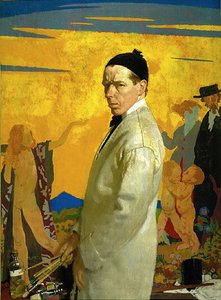
Sir William Newenham Montague Orpen
1878 - 1931 , Irland
Kurzinfos
- Beeinflusste Künstler: ['Jan van Eyck']
- Bemerkenswerte Werke:
- The Play Scene from Hamlet
- The Mirror
- Midday on the Beach
- Geburtsdatum: 27. November 1878
- Geburtsort: Stillorgan, Irland
- Künstlerische Richtung: Realismus, Plein-Air
- Nationalität: Irisch
- Sterbedatum: 1931
- Vollständiger Name: Sir William Newenham Montague Orpen
Ähnliche Artikel
Sir William Orpen: A Study in Edwardian Portraiture & the Shadows of Modernity
Explore the life & art of Sir William Orpen, a master of Edwardian portraiture and poignant WWI depictions. Discover his unique realism, psychological depth, and enduring legacy in this insightful analysis.
William Owen: A Poetic Vision of War & Landscape in British Modernism
Explore the poignant war poetry of Wilfred Owen, a key figure in British Modernism. Discover his innovative style, themes of loss & camaraderie, and lasting impact on 20th-century literature. Analysis & historical context included.
Vasily Vereshchagin: Realism, War & Subversion in 19th-Century Russian Painting
Explore the powerful realism of Vasily Vereshchagin's war paintings & Central Asian scenes. Discover how this Russian master challenged artistic conventions and offered a brutal, honest depiction of 19th-century conflict. Learn about his legacy for discerning collectors.
C.R.W. Nevinson: A Vorticist Vision of War & Modernity
Explore the powerful art of C.R.W. Nevinson, a key British Vorticist painter. Discover his impactful depictions of WWI and evolution beyond Futurism. Expert analysis & high-quality reproductions at ArtsDot.
Echoes of Trauma & Hope: Representing Transformation in Artworks of 1918
Explore the profound artistic responses to World War I's trauma & hope. Discover Expressionist masterpieces by Bacon, de Kooning & more. Expert insights for collectors & art enthusiasts at ArtsDot.