 Vorschau anzeigen
 Versenden
 Teilen
 Details anzeigen

 Herunterladen
 Ähnliche Objekte
 Röntgenaufnahme
 Diashow
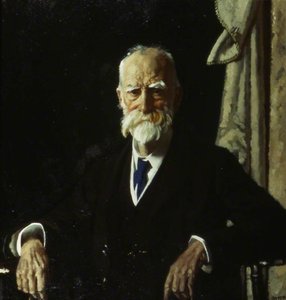
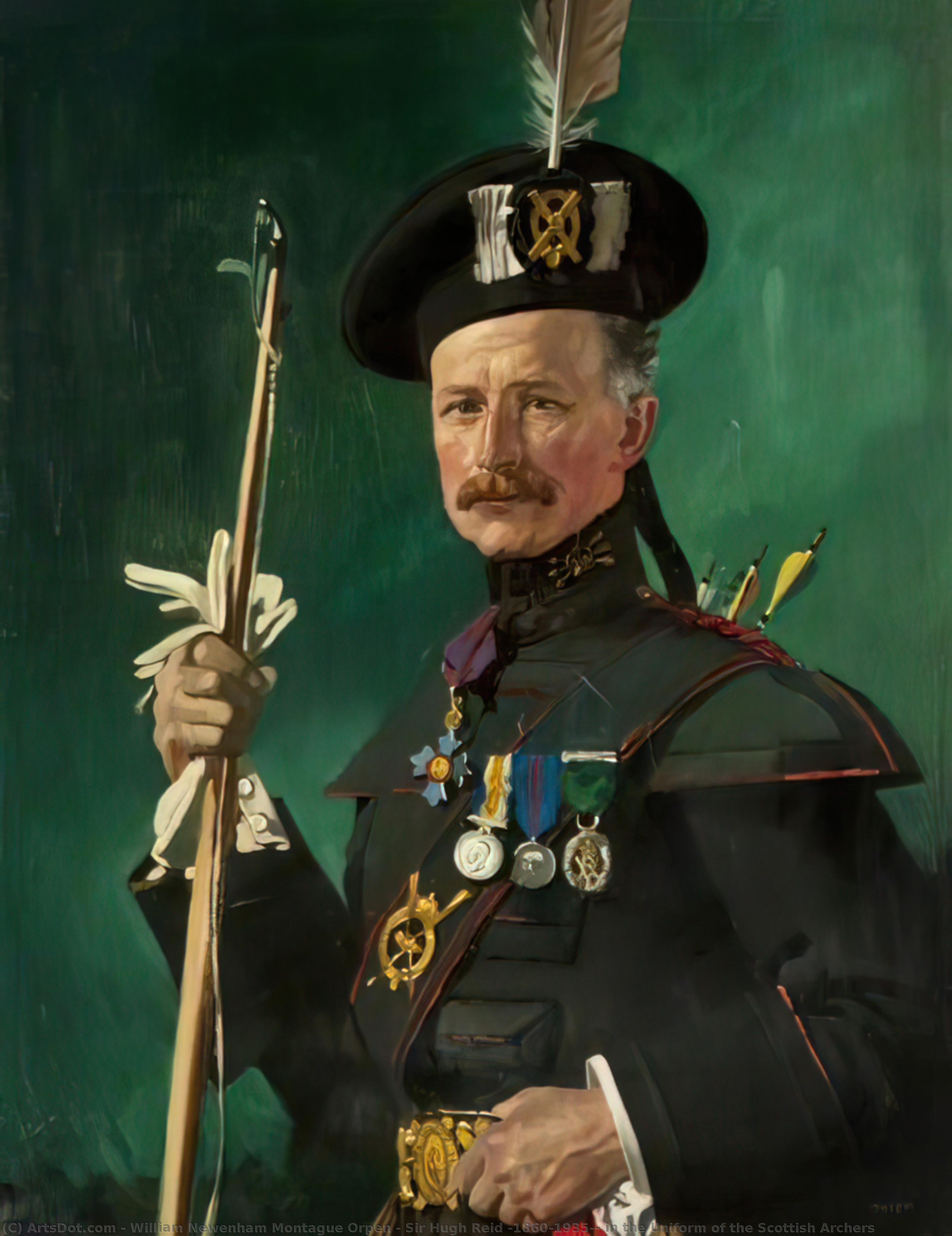
Sir Hugh Reid (1860–1935), in the Uniform of the Scottish Archers
 Oil On Canvas
- WallArt
- Realism
 1929
1929- 19th Century
 107.0 x 81.0 cm
 Weiterlesen
Giclée / Kunstdruck
Giclée- oder Leinwanddruck in Museumsqualität mit schneller Produktion und flexiblen Veredelungsoptionen. ( Handgemalte Reproduktion bestellen Bild kaufen)




P118B $10

P118H $10

P118W $10

P438Z $10

P508JH $12

P508YH $12

P805H $10

P805Z $10

P919BZ $10

P919G $10

P919XJ $10

P959ZH $10

P968JZ $12

W106C $8

W218G $10

W218JH $8

W218Y $10

W307PJ $10

W316G $10

W316PJ $8

W316Y $10

W398PJ $8

W4111J $10

W500HY $15

W500JH $15

W692G $12

W849H $8

W940BG $15

W953PJ $8




Wählen Sie aus unseren vordefinierten Formaten, die den ursprünglichen Proportionen des Kunstwerks entsprechen.

Sie können Ihre eigenen Maße eingeben, um ein bestimmtes Format oder einen speziellen Platz einzupassen. Wenn das von Ihnen gewählte Format nicht den Proportionen des Originalbildes entspricht, werden wir das Kunstwerk entweder beschneiden oder das Bild mit einem gespiegelten oder einfarbigen Rand erweitern. Ein digitaler Entwurf wird Ihnen zur Genehmigung zugesandt, bevor die Produktion beginnt.
Bitte beachten Sie, dass die Vorschau auf dem Bildschirm nicht den tatsächlichen Zuschnitt oder die Erweiterung widerspiegelt. Nur der Entwurf zeigt die endgültige Komposition präzise an.
Obwohl Sondermaße verfügbar sind, empfehlen wir die Auswahl eines Maßes aus der vordefinierten Liste, um die ursprünglichen Proportionen zu bewahren.
Weltweiter Versand () innerhalb von 2 Wochen statt der üblichen 4/5 Wochen. (5 September)

Kostenloser weltweiter Expressversand

Hochwertige Leinenleinwand

Umfassender Versicherungsschutz beim Versand

Zollgebühren-Rückerstattungsgarantie

Garantie für exakte Farbtreue

60 Tage Rückgaberecht (nur bei Mängeln)

100% Geld-zurück-Garantie

Mengenrabatt verfügbar
 Die Glasoption ist nur für Größen unter 110 cm verfügbar.

Sir Hugh Reid (1860–1935), in the Uniform of the Scottish Archers
Giclée / Kunstdruck
Format der Reproduktion
-


Gesamtpreis
$ 62
Sir Hugh Reid (1860–1935), in the Uniform of the Scottish Archers: A Portrait of Edwardian Distinction
Sir William Newenham Montague Orpen’s “Sir Hugh Reid (1860–1935), in the Uniform of the Scottish Archers” is more than a simple portrait; it's a meticulously rendered snapshot of a bygone era, capturing the dignified bearing and subtle power of a man deeply embedded within Scotland’s historic traditions. Executed in 1929, this oil on canvas offers a rare glimpse into Edwardian society through the eyes of one of Britain’s most accomplished war artists – an artist known for his unflinching realism and remarkable ability to immortalize both grand figures and quiet moments.
- Subject & Context: The painting depicts Sir Hugh Reid, a prominent figure associated with the Scottish Archers, a prestigious military organization steeped in centuries of Scottish archery heritage. This wasn’t merely a formal portrait; it was an affirmation of status and loyalty within a society still profoundly influenced by its martial past.
- Orpen's Technique: Orpen’s mastery is immediately apparent in the painting’s remarkably detailed execution. His draughtsmanship, honed through years of experience, allows for a precise rendering of Reid’s features – the graying hair, the thoughtful mustache, and the serious gaze directed slightly off-center. The artist skillfully employs light and shadow to sculpt Reid's form, creating a sense of volume and solidity that transcends the two-dimensional surface.
- Color & Texture: The muted palette—dominated by blacks, grays, and subtle greens—reflects the formality of the occasion and the period’s aesthetic sensibilities. Orpen’s use of texture is equally noteworthy; the rough fabric of Reid's coat, the polished wood of his arrow, and even the delicate feathers adorning his hat are rendered with a tactile realism that invites the viewer to almost reach out and touch the scene.
Symbolism & The Scottish Archers
Beyond the technical brilliance, “Sir Hugh Reid” is rich in symbolic meaning. The uniform itself – the black double-breasted coat, the medals and decorations signifying past achievements, and most notably, the feathered hat – are potent emblems of Scottish military tradition and aristocratic identity. The inclusion of the arrow, a central symbol of archery, reinforces this connection to a proud martial heritage. The Scottish Archers were not simply a sporting organization; they represented a lineage of skill, discipline, and loyalty, qualities highly valued in Edwardian Britain.
- Arrow as Symbol: The arrow held firmly in Reid’s hand is more than just a prop; it represents precision, focus, and the inherent power of the archer's craft. It speaks to a time when marksmanship was a highly valued skill, both for hunting and warfare.
- Medals & Decorations: The medals adorning Reid’s coat are not merely decorative elements; they represent his service and achievements within the Scottish Archers, signifying honor and recognition within the social hierarchy of the period.
A Window into Edwardian Society
Created in 1929, “Sir Hugh Reid” offers a valuable glimpse into the social landscape of Edwardian Britain – a society grappling with rapid industrialization while still clinging to traditional values and aristocratic customs. The painting’s formality reflects this duality, presenting Sir Hugh Reid as a figure both rooted in history and engaged with the present. Orpen's work, like many portraits of the era, served not just as a likeness but as a statement of identity and social standing.
This exceptional reproduction captures the essence of Orpen’s artistry and provides an opportunity to own a piece of significant historical and artistic value. Its meticulous detail and evocative portrayal make it a compelling addition to any art collection or a sophisticated element within interior design, transporting the viewer back to a time of elegance, tradition, and unwavering pride.
Ähnliche Kunstwerke


Über den Künstler
Frühes Leben und Ausbildung
Sir William Newenham Montague Orpen, ein renommierter irischer Künstler, wurde am 27. November 1878 in Stillorgan, County Dublin, geboren. Er war das vierte und jüngste Kind von Arthur Herbert Orpen, einem Rechtsanwalt, und Anne Caulfield, einer Amateurmalerin. Orpens frühes Leben war geprägt von einer glücklichen Kindheit auf Oriel, einem großen Haus mit weitläufigen Grundstücken. Sein künstlerisches Talent wurde schon in jungen Jahren deutlich. Mit 13 Jahren schrieb er sich an der Dublin Metropolitan School of Art ein, wo er alle wichtigen Preise und die British Isles Gold Medal für Aktzeichnen gewann. Später studierte er von 1897 bis 1899 an der Slade School of Art, beherrschte die Ölmalerei und experimentierte mit verschiedenen Techniken.Künstlerische Karriere
Orpens künstlerische Karriere war geprägt von seiner feinen Linienführung und seinen kommerziell erfolgreichen Porträts der wohlhabenden Gesellschaft im edwardianischen Stil. Viele seiner eindrucksvollsten Gemälde sind jedoch Selbstporträts. Während des Ersten Weltkriegs war er der produktivste offizielle Kriegskünstler und schuf 138 Zeichnungen und Gemälde, die er der britischen Regierung vermachte und die sich nun in der Sammlung des Imperial War Museum befinden.- Sir William Newenham Montague Orpens Verbindungen zu hochrangigen britischen Militärs ermöglichten es ihm, länger in Frankreich als andere offizielle Kriegskünstler zu bleiben.
- Er wurde 1918 zum Knight Commander des Order of the British Empire ernannt und zum Mitglied der Royal Academy of Arts gewählt.
- Orpens Entschlossenheit, als Kriegskünstler tätig zu sein, kostete ihn sowohl seine Gesundheit als auch seinen sozialen Status in England.
Bemerkenswerte Werke und Vermächtnis
- Die Szene aus Hamlet, ein zweimeterbreites Gemälde, gewann 1899 den Slade Composition Prize.
- Der Spiegel, der 1900 im New English Art Club ausgestellt wurde, bezieht sich auf Jan van Eycks A Arnolfini Portrait und Elemente niederländischer Innenräume des 17. Jahrhunderts.
- Orpens Mittag am Strand, der 1910 im New English Art Club ausgestellt wurde, zeigt seinen charakteristischen Plein-Air-Stil.
Museen und Sammlungen
- Das Imperial War Museum beherbergt Orpens 138 gespendete Werke, darunter Zeichnungen und Gemälde aus dem Ersten Weltkrieg.
- Die British Council Collection, die von der Dublin City Gallery The Hugh Lane und dem Dublin City Council betrieben wird, umfasst eine breite Palette von Kunstwerken, darunter Werke renommierter Künstler wie Morris Louis, William Larkin und Alison Watt.
- Das Museum Faculty of English Language and Literature in Oxford, Großbritannien, ist ein Schatz für Literaturbegeisterte und beherbergt Kunstwerke, die die reiche Geschichte der englischen Literatur zeigen.
Schlussfolgerung
Sir William Newenham Montague Orpens künstlerisches Vermächtnis ist ein Beweis für seine Meisterschaft im edwardianischen Porträt. Seine Beiträge zur Sammlung des Imperial War Museum und sein Einfluss auf die britische Kunstszene sind unbestreitbar. Entdecken Sie weitere Werke von Orpen und anderen bemerkenswerten Künstlern auf ArtsDot.com, und entdecken Sie die Welt der Kunst mit Gerard ter Borchs ruhigen Genreszenen oder Edward Fishers akribischen Stichen.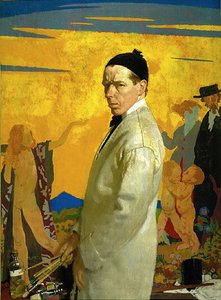
Sir William Newenham Montague Orpen
1878 - 1931 , Irland
Kurzinfos
- Beeinflusste Künstler: ['Jan van Eyck']
- Bemerkenswerte Werke:
- The Play Scene from Hamlet
- The Mirror
- Midday on the Beach
- Geburtsdatum: 27. November 1878
- Geburtsort: Stillorgan, Irland
- Künstlerische Richtung: Realismus, Plein-Air
- Nationalität: Irisch
- Sterbedatum: 1931
- Vollständiger Name: Sir William Newenham Montague Orpen
Ähnliche Artikel
Sir William Orpen: A Study in Edwardian Portraiture & the Shadows of Modernity
Explore the life & art of Sir William Orpen, a master of Edwardian portraiture and poignant WWI depictions. Discover his unique realism, psychological depth, and enduring legacy in this insightful analysis.
Hugh Cameron Wilson: Capturing the Soul of Scotland Through Colour & Atmosphere
Explore the evocative landscapes of Hugh Cameron Wilson, a key figure within the Scottish Colourist movement. Discover his mastery of light, atmosphere & rural scenes – and find high-quality reproductions at ArtsDot.
James Giles: Capturing Scottish Life Through the Lens of British Realism
Explore the life & work of James Giles (1801-1870), a master of Scottish landscape painting and favored artist of Queen Victoria. Discover his atmospheric realism & royal commissions.
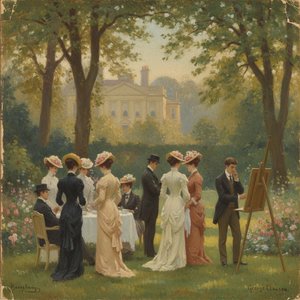
Sir George Clausen: Capturing Edwardian Life & British Impressionism's Nuances
Explore the luminous world of Sir George Clausen, a leading British Impressionist painter. Discover his captivating scenes of Edwardian life, rural England & poignant war art. Learn about his legacy and find high-quality reproductions at ArtsDot.
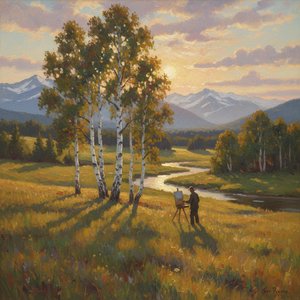
George Agnew Reid: Licht, Farbe und nationale Identität im Werk eines kanadischen Impressionisten
Entdecken Sie das faszinierende Werk von George Agnew Reid, einem Pionier des kanadischen Impressionismus! Erfahren Sie mehr über seine Genre-Malerei, seinen Einsatz von Licht und Farbe sowie seinen Beitrag zur Entwicklung der nationalen Kunstidentität Kanadas.