 Vorschau anzeigen
 Versenden
 Teilen
 Details anzeigen

 Herunterladen
 Ähnliche Objekte
 Röntgenaufnahme
 Diashow
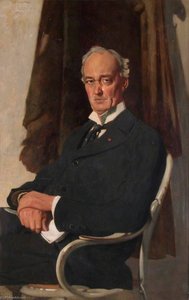
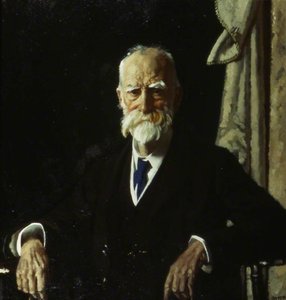
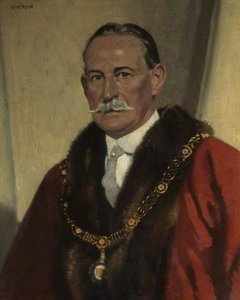
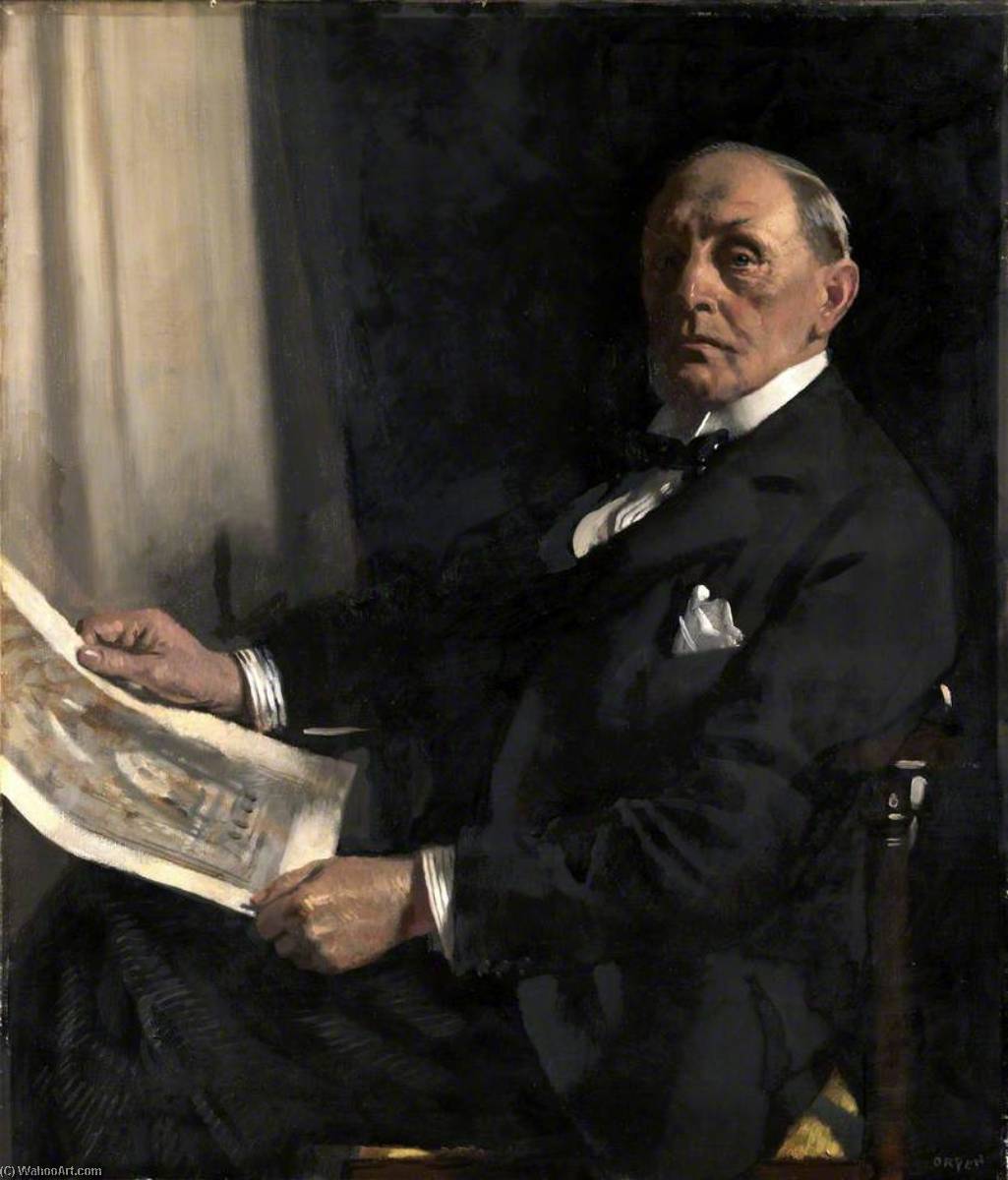
Sir Walter Tapper (1861–1935), RA, PRIBA
 Oil On Canvas
- WallArt
- Gothic Revival
 1929
1929 102.0 x 87.0 cm
 Riba Bibliothek Zeichnungen und Archivbestände
 Weiterlesen
Handgefertigte Ölreproduktion
Handgemaltes Ölgemälde auf Leinwand in Ihrer Wunschgröße und mit Rahmen, auf Bestellung von unseren Künstlern angefertigt. ( Druck bestellen Bild kaufen)




P118B $10

P118H $10

P118W $10

P438Z $10

P508JH $12

P508YH $12

P805H $10

P805Z $10

P919BZ $10

P919G $10

P919XJ $10

P959ZH $10

P968JZ $12

W106C $8

W218G $10

W218JH $8

W218Y $10

W307PJ $10

W316G $10

W316PJ $8

W316Y $10

W398PJ $8

W4111J $10

W500HY $15

W500JH $15

W692G $12

W849H $8

W940BG $15

W953PJ $8




Wählen Sie aus unseren vordefinierten Formaten, die den ursprünglichen Proportionen des Kunstwerks entsprechen.

Sie können Ihre eigenen Maße eingeben, um einen bestimmten Rahmen oder Platz auszufüllen. Wenn die gewählte Größe nicht den Proportionen des Originalbildes entspricht, werden wir das Kunstwerk entweder beschneiden oder das Gemälde durch zusätzliche, handgemalte Elemente erweitern. Ein digitales Mockup wird Ihnen zur Genehmigung zugesandt, bevor die Produktion beginnt.
Bitte beachten Sie, dass die Bildschirmvorschau nicht die tatsächliche Beschneidung oder Erweiterung widerspiegelt. Nur das Mockup zeigt die endgültige Komposition exakt an.
Obwohl Sondermaße verfügbar sind, empfehlen wir, eine Größe aus der vordefinierten Liste zu wählen, um die ursprünglichen Proportionen beizubehalten.
Nach der Bestellung wird das ArtsDot.com-Team dem Kunden Anweisungen per E-Mail zusenden und eine Mockup-Vorschau bereitstellen.
Weltweiter Versand () in nur 3 bis 4 Wochen statt der üblichen 5 Wochen. (28 August). Keine Kompromisse bei der Qualität.

Kostenloser weltweiter Expressversand

Hochwertige Leinenleinwand

Umfassender Versicherungsschutz beim Versand

Zollgebühren-Rückerstattungsgarantie

Garantie für exakte Farbtreue

60 Tage Rückgaberecht (nur bei Mängeln)

100% Geld-zurück-Garantie

Mengenrabatt verfügbar
 Die Glasoption ist nur für Größen unter 110 cm verfügbar.

Sir Walter Tapper (1861–1935), RA, PRIBA
Art der Reproduktion
Format der Reproduktion
-


Gesamtpreis
$ 263
The Subject: A Man Defined by Presence
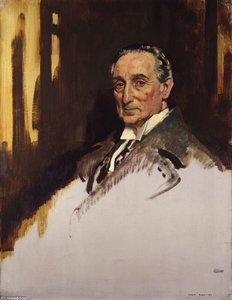
William Orpen’s “Sir Walter Tapper” isn't a painting that immediately assaults the senses with vibrant color or dramatic gesture. Instead, it offers a profound study in understated presence – a portrait of a man rendered with remarkable dignity and a subtle, almost melancholic reserve. Sir Walter John Tapper (1861–1935), a prominent English architect known for his contributions to ecclesiastical design, is captured here not as a figure of power or flamboyant self-regard, but as an individual quietly contemplating the world beyond the window before him. The sitter’s gaze, direct and unwavering, establishes an immediate connection with the viewer, inviting us into his considered thoughts.
Orpen meticulously details Tapper's attire: a dark suit and tie, indicative of his professional life, are complemented by a carefully knotted bow tie – a small detail that speaks volumes about his attention to formality and perhaps even a touch of self-awareness. The subtle lines etched around the eyes and mouth hint at years spent observing, judging, and navigating the complexities of both architectural design and social standing. It’s a portrait less concerned with immediate impressiveness and more invested in revealing the character beneath the surface.
The Style: A Blend of Realism and Impressionistic Sensitivity
Painted in 1929, “Sir Walter Tapper” exemplifies Orpen's distinctive style – a masterful synthesis of realism and impressionistic sensitivity. While rooted in meticulous observation and accurate depiction of form (particularly evident in the rendering of the sitter’s face and hands), the painting is infused with an atmospheric quality that transcends mere representation. Notice how the light, streaming through the window, isn’t simply illuminated; it's rendered with a loose, almost blurred technique, creating a sense of depth and suggesting movement within the scene.
Orpen’s use of color is restrained, favoring muted tones – browns, greys, and subtle blues – that contribute to the painting’s overall mood of quiet contemplation. He employs broken brushstrokes and layering of paint to create a textured surface, adding visual interest without disrupting the sense of realism. This technique allows the eye to wander across the canvas, absorbing the details and nuances of the composition.
Technique and Materials: A Masterful Approach
The painting is executed in oil on canvas, utilizing a layering technique that builds up depth and richness of color. Orpen’s masterful control of light and shadow is particularly noteworthy – he expertly captures the way light falls across Tapper's face and clothing, creating a sense of volume and three-dimensionality. The artist’s attention to detail extends beyond the figure itself; observe the subtle textures of the fabric, the reflections in the windowpane, and the delicate rendering of the background elements.
The canvas size – 102 x 87 cm – is perfectly suited to the intimate scale of the portrait, allowing Orpen to focus on capturing Tapper’s likeness with precision and nuance. The composition itself—the sitter centered within the frame, framed by the window—creates a sense of stability and formality, reflecting the subject's professional standing.
Historical Context and Symbolism: A Portrait of an Era
“Sir Walter Tapper” was created during a period of significant social and cultural change in Britain. The early 20th century witnessed the rise of modern architecture, the decline of traditional values, and increasing anxieties about the future. Tapper himself represented a figure of stability and tradition – an architect deeply rooted in the Gothic Revival style, a movement that sought to recapture the grandeur and spiritual significance of medieval architecture.
The window behind Tapper serves as more than just a backdrop; it symbolizes his connection to the outside world, perhaps representing both opportunity and constraint. His contemplative gaze suggests a man wrestling with the challenges and responsibilities of his position, reflecting the broader uncertainties of the era. The portrait, therefore, becomes not only a likeness but also a subtle commentary on the social and intellectual landscape of its time.
The inclusion of other figures in the background—though indistinct—hints at the presence of a wider community, suggesting Tapper’s role as a respected member of society. The overall effect is one of quiet dignity and understated complexity – a portrait that rewards careful observation and invites contemplation long after the initial viewing.
Ähnliche Kunstwerke

Über den Künstler
Frühes Leben und Ausbildung
Sir William Newenham Montague Orpen, ein renommierter irischer Künstler, wurde am 27. November 1878 in Stillorgan, County Dublin, geboren. Er war das vierte und jüngste Kind von Arthur Herbert Orpen, einem Rechtsanwalt, und Anne Caulfield, einer Amateurmalerin. Orpens frühes Leben war geprägt von einer glücklichen Kindheit auf Oriel, einem großen Haus mit weitläufigen Grundstücken. Sein künstlerisches Talent wurde schon in jungen Jahren deutlich. Mit 13 Jahren schrieb er sich an der Dublin Metropolitan School of Art ein, wo er alle wichtigen Preise und die British Isles Gold Medal für Aktzeichnen gewann. Später studierte er von 1897 bis 1899 an der Slade School of Art, beherrschte die Ölmalerei und experimentierte mit verschiedenen Techniken.Künstlerische Karriere
Orpens künstlerische Karriere war geprägt von seiner feinen Linienführung und seinen kommerziell erfolgreichen Porträts der wohlhabenden Gesellschaft im edwardianischen Stil. Viele seiner eindrucksvollsten Gemälde sind jedoch Selbstporträts. Während des Ersten Weltkriegs war er der produktivste offizielle Kriegskünstler und schuf 138 Zeichnungen und Gemälde, die er der britischen Regierung vermachte und die sich nun in der Sammlung des Imperial War Museum befinden.- Sir William Newenham Montague Orpens Verbindungen zu hochrangigen britischen Militärs ermöglichten es ihm, länger in Frankreich als andere offizielle Kriegskünstler zu bleiben.
- Er wurde 1918 zum Knight Commander des Order of the British Empire ernannt und zum Mitglied der Royal Academy of Arts gewählt.
- Orpens Entschlossenheit, als Kriegskünstler tätig zu sein, kostete ihn sowohl seine Gesundheit als auch seinen sozialen Status in England.
Bemerkenswerte Werke und Vermächtnis
- Die Szene aus Hamlet, ein zweimeterbreites Gemälde, gewann 1899 den Slade Composition Prize.
- Der Spiegel, der 1900 im New English Art Club ausgestellt wurde, bezieht sich auf Jan van Eycks A Arnolfini Portrait und Elemente niederländischer Innenräume des 17. Jahrhunderts.
- Orpens Mittag am Strand, der 1910 im New English Art Club ausgestellt wurde, zeigt seinen charakteristischen Plein-Air-Stil.
Museen und Sammlungen
- Das Imperial War Museum beherbergt Orpens 138 gespendete Werke, darunter Zeichnungen und Gemälde aus dem Ersten Weltkrieg.
- Die British Council Collection, die von der Dublin City Gallery The Hugh Lane und dem Dublin City Council betrieben wird, umfasst eine breite Palette von Kunstwerken, darunter Werke renommierter Künstler wie Morris Louis, William Larkin und Alison Watt.
- Das Museum Faculty of English Language and Literature in Oxford, Großbritannien, ist ein Schatz für Literaturbegeisterte und beherbergt Kunstwerke, die die reiche Geschichte der englischen Literatur zeigen.
Schlussfolgerung
Sir William Newenham Montague Orpens künstlerisches Vermächtnis ist ein Beweis für seine Meisterschaft im edwardianischen Porträt. Seine Beiträge zur Sammlung des Imperial War Museum und sein Einfluss auf die britische Kunstszene sind unbestreitbar. Entdecken Sie weitere Werke von Orpen und anderen bemerkenswerten Künstlern auf ArtsDot.com, und entdecken Sie die Welt der Kunst mit Gerard ter Borchs ruhigen Genreszenen oder Edward Fishers akribischen Stichen.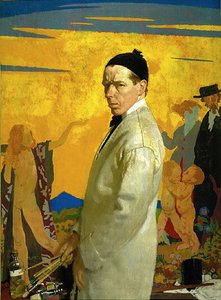
Sir William Newenham Montague Orpen
1878 - 1931 , Irland
Kurzinfos
- Beeinflusste Künstler: ['Jan van Eyck']
- Bemerkenswerte Werke:
- The Play Scene from Hamlet
- The Mirror
- Midday on the Beach
- Geburtsdatum: 27. November 1878
- Geburtsort: Stillorgan, Irland
- Künstlerische Richtung: Realismus, Plein-Air
- Nationalität: Irisch
- Sterbedatum: 1931
- Vollständiger Name: Sir William Newenham Montague Orpen
Ähnliche Artikel
Sir Joshua Reynolds: Die 25 Meisterwerke des Porträtmalers | ArtsDot
Entdecken Sie die 25 Meisterwerke von Sir Joshua Reynolds! Erleben Sie Rokoko & Klassizismus durch ikonische Porträts. Hochwertige Reproduktionen für Ihr Interieur auf ArtsDot.com – jetzt entdecken!

Sir Alfred James Munnings: Die 25 Meisterwerke des Pferdebildes | ArtsDot
Entdecken Sie die 25 Meisterwerke von Sir Alfred James Munnings! Erleben Sie seine beeindruckenden Pferdebilder, geprägt vom Impressionismus und Realismus. Hochwertige Kunstdrucke & Reproduktionen auf ArtsDot.com – für elegante Wandkunst & stilvolles Interieurdesign.
Sir William Orpen: A Study in Edwardian Portraiture & the Shadows of Modernity
Explore the life & art of Sir William Orpen, a master of Edwardian portraiture and poignant WWI depictions. Discover his unique realism, psychological depth, and enduring legacy in this insightful analysis.
Walter Greaves: A Study in Victorian Realism & the Social Landscape of British Art
Explore the life & work of Walter Greaves, a key Victorian realist painter influenced by Whistler. Discover his London streetscapes, portraits, and enduring legacy. Learn about art appraisal & reproduction options at ArtsDot.
Sir William Blake Richmond: Ästhetizismus und Symbolismus – Eine Vision zwischen Präraffaelitismus und Renaissance-Ideal
Entdecken Sie das faszinierende Werk von Sir William Blake Richmond – ein Pionier des Ästhetizismus und Symbolismus. Erfahren Sie mehr über seine Mosaiken in St. Paul’s Cathedral, seinen Einfluss auf die Arts and Crafts Bewegung und sein Vermächtnis als Slade Professor.