 Vorschau anzeigen
 Versenden
 Teilen
 Details anzeigen

 Herunterladen
 Ähnliche Objekte
 Röntgenaufnahme
 Diashow
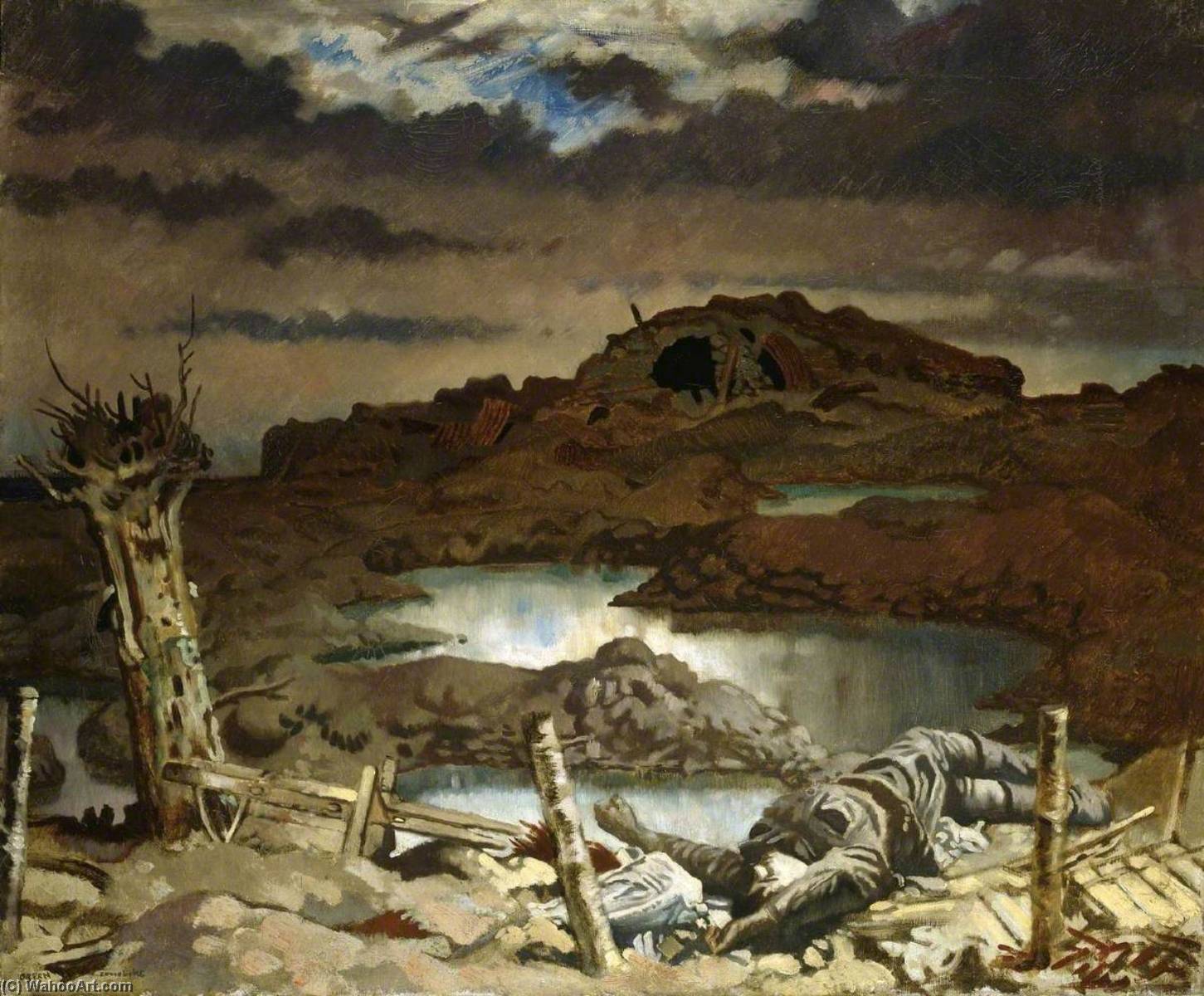
Zonnebeke


 Weiterlesen
Handgefertigte Ölreproduktion
Handgemaltes Ölgemälde auf Leinwand in Ihrer Wunschgröße und mit Rahmen, auf Bestellung von unseren Künstlern angefertigt. ( Druck bestellen Bild kaufen)




P118B $10

P118H $10

P118W $10

P438Z $10

P508JH $12

P508YH $12

P805H $10

P805Z $10

P919BZ $10

P919G $10

P919XJ $10

P959ZH $10

P968JZ $12

W106C $8

W218G $10

W218JH $8

W218Y $10

W307PJ $10

W316G $10

W316PJ $8

W316Y $10

W398PJ $8

W4111J $10

W500HY $15

W500JH $15

W692G $12

W849H $8

W940BG $15

W953PJ $8




Wählen Sie aus unseren vordefinierten Formaten, die den ursprünglichen Proportionen des Kunstwerks entsprechen.

Sie können Ihre eigenen Maße eingeben, um einen bestimmten Rahmen oder Platz auszufüllen. Wenn die gewählte Größe nicht den Proportionen des Originalbildes entspricht, werden wir das Kunstwerk entweder beschneiden oder das Gemälde durch zusätzliche, handgemalte Elemente erweitern. Ein digitales Mockup wird Ihnen zur Genehmigung zugesandt, bevor die Produktion beginnt.
Bitte beachten Sie, dass die Bildschirmvorschau nicht die tatsächliche Beschneidung oder Erweiterung widerspiegelt. Nur das Mockup zeigt die endgültige Komposition exakt an.
Obwohl Sondermaße verfügbar sind, empfehlen wir, eine Größe aus der vordefinierten Liste zu wählen, um die ursprünglichen Proportionen beizubehalten.
Nach der Bestellung wird das ArtsDot.com-Team dem Kunden Anweisungen per E-Mail zusenden und eine Mockup-Vorschau bereitstellen.
Weltweiter Versand () in nur 3 bis 4 Wochen statt der üblichen 5 Wochen. (7 September). Keine Kompromisse bei der Qualität.

Kostenloser weltweiter Expressversand

Hochwertige Leinenleinwand

Umfassender Versicherungsschutz beim Versand

Zollgebühren-Rückerstattungsgarantie

Garantie für exakte Farbtreue

100-Tage-Rückgaberecht (nur bei Mängeln)

100% Geld-zurück-Garantie

Mengenrabatt verfügbar
 Die Glasoption ist nur für Größen unter 110 cm verfügbar.

Zonnebeke
Art der Reproduktion
Format der Reproduktion
-


Gesamtpreis
$ 263
A Somber Echo of the Great War
In the hauntingly evocative painting Zonnebeke, Sir William Newenham Montague Orpen invites the viewer into the visceral, harrowing reality of the First World War. Created in 1918, a year defined by both immense bloodshed and the weary anticipation of peace, this work serves as a profound window into the devastation of the Western Front. The composition presents a stark, monochromatic landscape where the boundaries between earth and sky seem blurred by the heavy, oppressive atmosphere of conflict. A group of soldiers lies scattered across the foreground, their bodies slumped in various states of exhaustion or death against the backdrop of a desolate hillside. Through his masterful use of light and shadow, Orpen captures not just a moment in time, but the very essence of human suffering amidst the mechanical brutality of modern warfare.
The technique employed in Zonnebeke is one of raw, psychological realism. By utilizing a black and white palette, Orpen strips away the distractions of color, forcing the eye to focus on the stark textures of the mud, the heavy drapery of the clouds, and the tragic stillness of the fallen men. This monochromatic approach lends the piece a documentary-like gravity, reminiscent of the era's war photography, yet it is elevated by a painterly sensitivity that captures the dramatic tension of the scene. The presence of an umbrella on the periphery suggests a persistent, biting rain—a detail that adds a layer of sensory discomfort, making the viewer feel the damp chill and the relentless misery of the trenches. Every brushstroke contributes to a sense of weight, as if the very air in the painting is thick with the smoke and sorrow of battle.
Symbolism and the Weight of History
Beyond its immediate depiction of a battlefield, Zonnebeke functions as a powerful symbolic meditation on the loss of innocence and the fragmentation of the human spirit. The scattered figures, disconnected from one another in their individual struggles, mirror the profound isolation experienced by those caught in the machinery of global conflict. The hillside, rising like a silent witness to the carnage, acts as a monumental grave for the fallen, while the turbulent sky suggests a world in total upheaval. For the collector or art enthusiast, this piece offers more than mere historical documentation; it provides an emotional resonance that transcends its 1918 origins. It is a work of profound empathy, designed to provoke reflection on the resilience and fragility of life.
For interior designers and connoisseurs of fine art reproductions, incorporating a piece of such historical magnitude into a collection offers a sophisticated way to anchor a space with narrative depth. Zonnebeke is an ideal centerpiece for a gallery-style room or a study where themes of history, strength, and contemplation are celebrated. As a high-quality reproduction, it allows the dramatic interplay of light and the somber beauty of Orpen’s vision to transform a contemporary setting into a sanctuary of thought and historical reverence. This painting is not merely an image of war; it is a timeless testament to the enduring human condition, making it a captivating acquisition for those who seek art that speaks to the soul.
Ähnliche Kunstwerke
Über den Künstler
Frühes Leben und Ausbildung
Sir William Newenham Montague Orpen, ein renommierter irischer Künstler, wurde am 27. November 1878 in Stillorgan, County Dublin, geboren. Er war das vierte und jüngste Kind von Arthur Herbert Orpen, einem Rechtsanwalt, und Anne Caulfield, einer Amateurmalerin. Orpens frühes Leben war geprägt von einer glücklichen Kindheit auf Oriel, einem großen Haus mit weitläufigen Grundstücken. Sein künstlerisches Talent wurde schon in jungen Jahren deutlich. Mit 13 Jahren schrieb er sich an der Dublin Metropolitan School of Art ein, wo er alle wichtigen Preise und die British Isles Gold Medal für Aktzeichnen gewann. Später studierte er von 1897 bis 1899 an der Slade School of Art, beherrschte die Ölmalerei und experimentierte mit verschiedenen Techniken.Künstlerische Karriere
Orpens künstlerische Karriere war geprägt von seiner feinen Linienführung und seinen kommerziell erfolgreichen Porträts der wohlhabenden Gesellschaft im edwardianischen Stil. Viele seiner eindrucksvollsten Gemälde sind jedoch Selbstporträts. Während des Ersten Weltkriegs war er der produktivste offizielle Kriegskünstler und schuf 138 Zeichnungen und Gemälde, die er der britischen Regierung vermachte und die sich nun in der Sammlung des Imperial War Museum befinden.- Sir William Newenham Montague Orpens Verbindungen zu hochrangigen britischen Militärs ermöglichten es ihm, länger in Frankreich als andere offizielle Kriegskünstler zu bleiben.
- Er wurde 1918 zum Knight Commander des Order of the British Empire ernannt und zum Mitglied der Royal Academy of Arts gewählt.
- Orpens Entschlossenheit, als Kriegskünstler tätig zu sein, kostete ihn sowohl seine Gesundheit als auch seinen sozialen Status in England.
Bemerkenswerte Werke und Vermächtnis
- Die Szene aus Hamlet, ein zweimeterbreites Gemälde, gewann 1899 den Slade Composition Prize.
- Der Spiegel, der 1900 im New English Art Club ausgestellt wurde, bezieht sich auf Jan van Eycks A Arnolfini Portrait und Elemente niederländischer Innenräume des 17. Jahrhunderts.
- Orpens Mittag am Strand, der 1910 im New English Art Club ausgestellt wurde, zeigt seinen charakteristischen Plein-Air-Stil.
Museen und Sammlungen
- Das Imperial War Museum beherbergt Orpens 138 gespendete Werke, darunter Zeichnungen und Gemälde aus dem Ersten Weltkrieg.
- Die British Council Collection, die von der Dublin City Gallery The Hugh Lane und dem Dublin City Council betrieben wird, umfasst eine breite Palette von Kunstwerken, darunter Werke renommierter Künstler wie Morris Louis, William Larkin und Alison Watt.
- Das Museum Faculty of English Language and Literature in Oxford, Großbritannien, ist ein Schatz für Literaturbegeisterte und beherbergt Kunstwerke, die die reiche Geschichte der englischen Literatur zeigen.
Schlussfolgerung
Sir William Newenham Montague Orpens künstlerisches Vermächtnis ist ein Beweis für seine Meisterschaft im edwardianischen Porträt. Seine Beiträge zur Sammlung des Imperial War Museum und sein Einfluss auf die britische Kunstszene sind unbestreitbar. Entdecken Sie weitere Werke von Orpen und anderen bemerkenswerten Künstlern auf ArtsDot.com, und entdecken Sie die Welt der Kunst mit Gerard ter Borchs ruhigen Genreszenen oder Edward Fishers akribischen Stichen.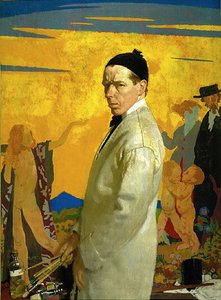
Sir William Newenham Montague Orpen
1878 - 1931 , Irland
Kurzinfos
- Beeinflusste Künstler: ['Jan van Eyck']
- Bemerkenswerte Werke:
- The Play Scene from Hamlet
- The Mirror
- Midday on the Beach
- Geburtsdatum: 27. November 1878
- Geburtsort: Stillorgan, Irland
- Künstlerische Richtung: Realismus, Plein-Air
- Nationalität: Irisch
- Sterbedatum: 1931
- Vollständiger Name: Sir William Newenham Montague Orpen
Ähnliche Artikel

Weiße Meisterwerke: Die Top 10 berühmtesten Gemälde und ihre zeitlose Eleganz
Entdecken Sie die Top 10 berühmter Gemälde, dominiert von Weiß! Von Malewitsch bis Rothko – erfahren Sie Geschichten hinter ikonischen Kunstwerke und lassen Sie sich für Ihre Wohnraumgestaltung inspirieren. Kunstreproduktionen in Museumsqualiät auf

Die Top 10 berühmter Gemälde im Reich der dunklen Töne |
Entdecken Sie die Top 10 berühmter Gemälde, beherrscht von dunklen Tönen! Von Caravaggio bis Manet – erfahren Sie die Geschichten hinter Meisterwerken der Kunstgeschichte. Finden Sie Ihre perfekte Reproduktion auf .

Monochrome Visions: Exploring the Aesthetic & Historical Significance of Black & White Photography
Explore the rich history & artistic power of black and white photography. From early techniques to iconic masters like Ansel Adams, discover why monochrome continues to captivate art lovers today. Expert insights for collectors.
Meisterwerke in Schwarz: Die 10 berühmtesten Gemälde mit Elfenbeinsschattierungen |
Entdecken Sie die düsteren Schönheiten der Kunst! Unsere Top 10 Gemälde dominieren durch Elfenbeinschwarz – von Rembrandt bis Goya. Erfahren Sie mehr über Künstler, Techniken & Bedeutung. Hochwertige Reproduktionen auf
Die Top 10 Gemälde der Kunstgeschichte – Dominiert von tiefem Schwarz
Entdecken Sie die Top 10 Gemälde, die von tiefem Schwarz und dramatischer Atmosphäre geprägt sind. Von Caravaggio bis Manet – Kunstgeschichte erleben & hochwertige Reproduktionen auf finden! Jetzt entdecken.