 Vorschau anzeigen
 Versenden
 Teilen
 Details anzeigen

 Herunterladen
 Ähnliche Objekte
 Röntgenaufnahme
 Diashow
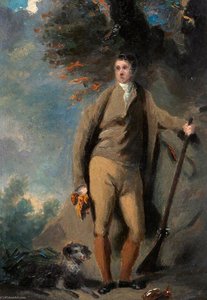
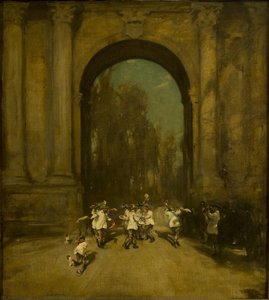
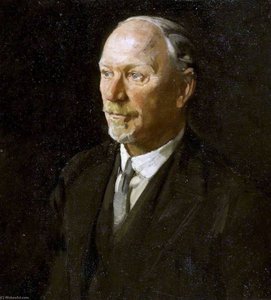
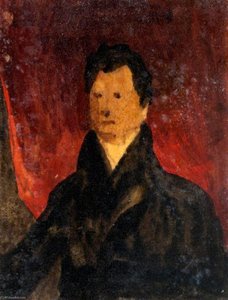
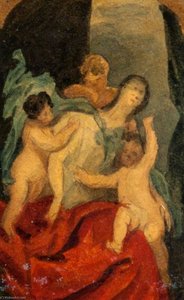
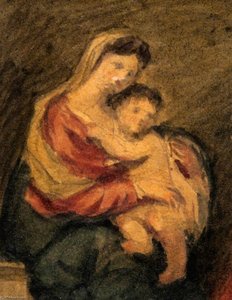
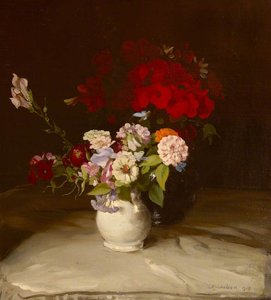
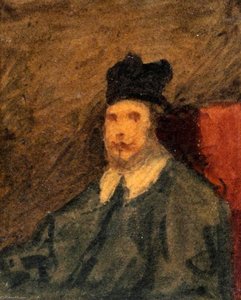
Album Copies of Old Masters and other Paintings (no.15, p.9)


 Weiterlesen
Giclée / Kunstdruck
Giclée- oder Leinwanddruck in Museumsqualität mit schneller Produktion und flexiblen Veredelungsoptionen. ( Handgemalte Reproduktion bestellen Bild kaufen)




P118B $10

P118H $10

P118W $10

P438Z $10

P508JH $12

P508YH $12

P805H $10

P805Z $10

P919BZ $10

P919G $10

P919XJ $10

P959ZH $10

P968JZ $12

W106C $8

W218G $10

W218JH $8

W218Y $10

W307PJ $10

W316G $10

W316PJ $8

W316Y $10

W398PJ $8

W4111J $10

W500HY $15

W500JH $15

W692G $12

W849H $8

W940BG $15

W953PJ $8




Wählen Sie aus unseren vordefinierten Formaten, die den ursprünglichen Proportionen des Kunstwerks entsprechen.

Sie können Ihre eigenen Maße eingeben, um ein bestimmtes Format oder einen speziellen Platz einzupassen. Wenn das von Ihnen gewählte Format nicht den Proportionen des Originalbildes entspricht, werden wir das Kunstwerk entweder beschneiden oder das Bild mit einem gespiegelten oder einfarbigen Rand erweitern. Ein digitaler Entwurf wird Ihnen zur Genehmigung zugesandt, bevor die Produktion beginnt.
Bitte beachten Sie, dass die Vorschau auf dem Bildschirm nicht den tatsächlichen Zuschnitt oder die Erweiterung widerspiegelt. Nur der Entwurf zeigt die endgültige Komposition präzise an.
Obwohl Sondermaße verfügbar sind, empfehlen wir die Auswahl eines Maßes aus der vordefinierten Liste, um die ursprünglichen Proportionen zu bewahren.
Weltweiter Versand () innerhalb von 2 Wochen statt der üblichen 4/5 Wochen. (31 August)

Kostenloser weltweiter Expressversand

Hochwertige Leinenleinwand

Umfassender Versicherungsschutz beim Versand

Zollgebühren-Rückerstattungsgarantie

Garantie für exakte Farbtreue

60 Tage Rückgaberecht (nur bei Mängeln)

100% Geld-zurück-Garantie

Mengenrabatt verfügbar
 Die Glasoption ist nur für Größen unter 110 cm verfügbar.

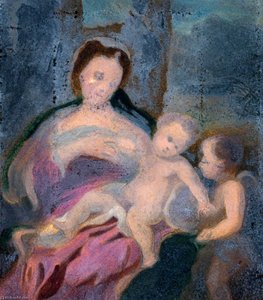
Album Copies of Old Masters and other Paintings (no.15, p.9)
Giclée / Kunstdruck
Format der Reproduktion
-


Gesamtpreis
$ 62
A Serene Portrait of an Era
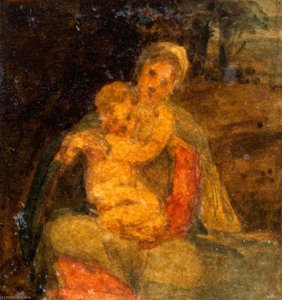
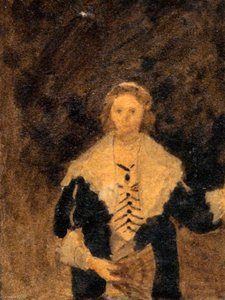
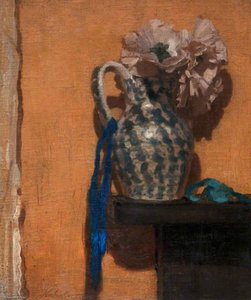
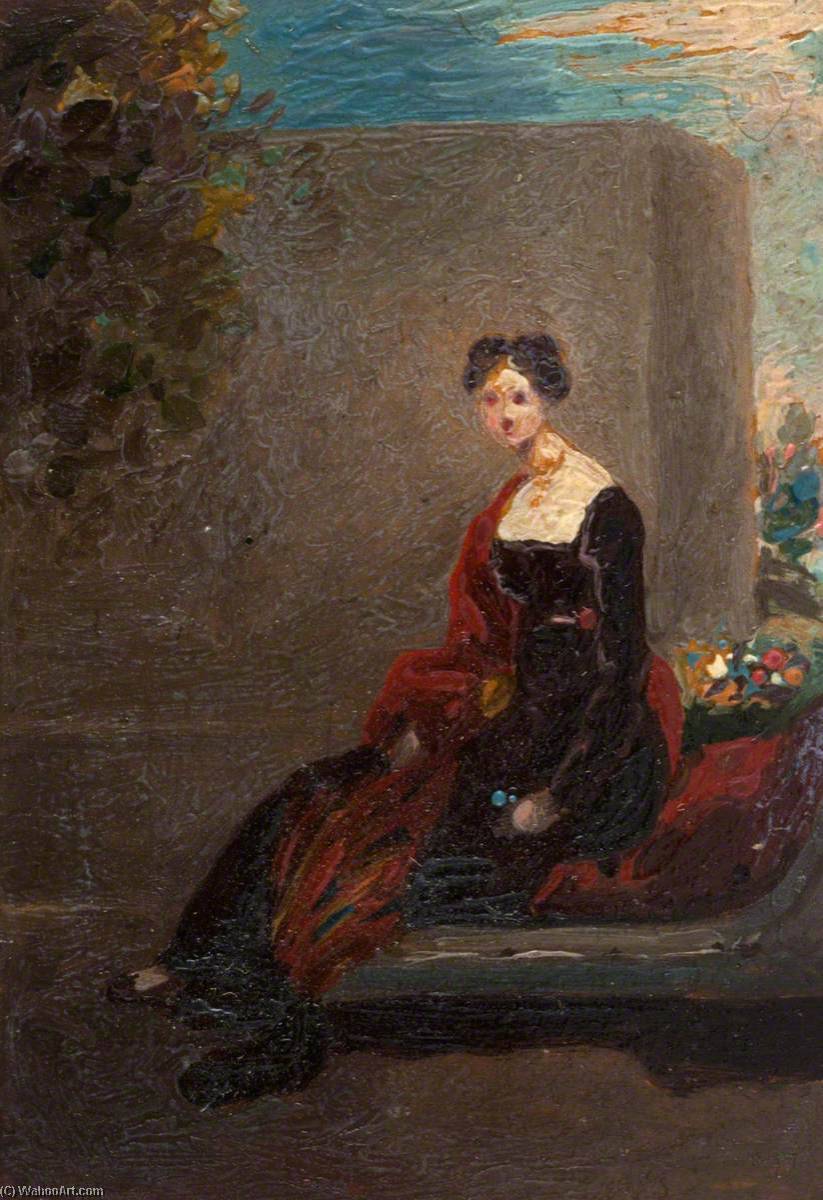
Sir William Nicholson’s “Album Copies of Old Masters and other Paintings” – specifically this exquisite rendition of a woman in red – offers a captivating glimpse into the artistic sensibilities of late 19th-century Britain. More than just a simple portrait, it's a carefully constructed tableau, imbued with the quiet elegance and subtle symbolism characteristic of Nicholson’s oeuvre. The painting, executed in oil on canvas, immediately draws the eye with its harmonious palette – the dominant red of the woman’s dress acting as a vibrant counterpoint to the muted tones of her attire and the surrounding setting. This masterful use of color establishes an immediate sense of drama and intimacy, inviting the viewer into a private moment.
Nicholson's style leans heavily towards Impressionism, yet retains a distinctly British sensibility. Notice the loose brushstrokes, capturing not just the likeness of the subject but also the play of light and shadow across her face and garments. The textured impasto – thick application of paint – adds depth and physicality to the image, lending it a tactile quality that’s both engaging and remarkably detailed. This technique was particularly favored by Nicholson, allowing him to build up layers of color and create a sense of three-dimensionality rarely achieved through smoother painting styles.
The Beggarstaff Legacy & Collaborative Spirit
Understanding the context of this work is crucial to appreciating its full significance. Sir William Nicholson was a pivotal figure in the “Beggarstaffs,” a celebrated graphic design partnership with his brother-in-law, James Pryde. This collaboration began in 1893 and produced an astonishing body of posters, advertisements, and illustrations – all characterized by their bold lines, striking compositions, and often darkly humorous subject matter. The Beggarstaffs’ approach was revolutionary for its time, blending fine art techniques with commercial design, and influencing generations of artists and designers. The “Album Copies” series itself reflects this spirit of experimentation and cross-pollination, drawing upon the couple's diverse artistic experiences.
Nicholson’s background as a painter, illustrator, and printmaker is evident in every brushstroke. He was deeply influenced by Whistler, whose emphasis on capturing fleeting moments of light and color profoundly shaped his own style. The composition echoes Whistler’s aesthetic – a focus on atmosphere and mood rather than literal representation. The woman's pose, with her hands clasped gently before her, conveys a sense of quiet contemplation and inner peace, while the potted plant and vase subtly enhance the scene’s decorative quality.
Symbolism & The Portrait as Window
Beyond its aesthetic appeal, the painting is rich in symbolic meaning. The red dress, often associated with passion, vitality, and even danger, immediately commands attention. It suggests a woman of strength and character, yet also hints at an underlying vulnerability. The setting – a simple bench bathed in soft light – creates a sense of intimacy and privacy, as if we’ve been granted access to a private moment in her life. The inclusion of the plant and vase adds layers of meaning, representing growth, beauty, and perhaps even remembrance.
Nicholson's portraits were not merely likenesses; they were carefully constructed narratives designed to reveal something about the subject’s personality and inner world. This particular portrait invites us to speculate about the woman’s life – her hopes, dreams, and experiences. It is a timeless image that transcends its historical context, speaking to universal themes of beauty, grace, and human connection. The painting's small size (6 x 4 cm) makes it an intimate treasure, perfect for adorning a bedside table or adding a touch of elegance to any room.
A Legacy in Reproduction & Artistic Appreciation
Today, thanks to the meticulous work of artists like Sir William Nicholson, we can experience this masterpiece through high-quality reproductions. The ability to bring such beauty into our homes is a testament to the enduring appeal of art and its power to enrich our lives. Whether you’re an avid collector, an interior designer seeking inspiration, or simply someone who appreciates exquisite craftsmanship, this painting offers a unique opportunity to connect with a pivotal moment in British art history.
Ähnliche Kunstwerke
Über den Künstler
Frühe Jahre und Ausbildung
Sir William Newzam Prior Nicholson, ein renommierter britischer Maler, wurde am 5. Februar 1872 in Newark-on-Trent geboren. Er war der jüngste Sohn von William Newzam Nicholson, einem Industriellen und konservativen Parlamentsabgeordneten, und seiner Frau Annie Elizabeth Prior. Ab dem neunten Lebensjahr besuchte er die Magnus Grammar School, wo er Malunterricht bei William Cubley erhielt, einem Maler und Politiker.Künstlerische Karriere
Nicholsons künstlerische Karriere lässt sich in mehrere Phasen unterteilen, die jeweils durch einen einzigartigen Stil und ein Medium gekennzeichnet sind. In seinen frühen Zwanzigern arbeitete er mit seinem Schwager James Pryde zusammen an Plakatentwürfen und grafischen Arbeiten und schuf innovative Plakate, die ihre Kühnheit der Umrisse und Einfachheit der Behandlung zeigten:- Die Beggarstaff-Partnerschaft (1893–1898): Nicholsons Zusammenarbeit mit James Pryde führte zu einer Reihe revolutionärer Plakate, darunter Don Quixote (1895) und Harpers Magazine (1895).
- Holzschnitt und Holzschnitttechnik (1900er Jahre): Nicholson entwickelte sich aus den Plakaten heraus und verfeinerte seinen persönlichen Stil durch Holzschnitt- und Holzschnitttechniken.
- Malerei (1910er Jahre): Er konzentrierte sich auf die Malerei, ermutigt von Whistler, und stellte erstmals als Maler in der International Society aus.
Wichtige Werke und Ausstellungen
Zu Nicholsons wichtigsten Werken gehören:- Lady in Furs, Mme. P. (ca. 1907), ein Porträt, das seine Beherrschung des Wesens seiner Motive einfängt.
- The Lowestoft Bowl (1911), eine Stilllebenmalerei, die seine Liebe zum Detail und seinen Einsatz von Farbe demonstriert.
- Study for 'Plaza de Toros, Malaga' (1935), eine Landschaft, die seine Fähigkeit hervorhebt, die Atmosphäre eines Ortes einzufangen.
Einflüsse und Entwicklung
Whistler spielte eine entscheidende Rolle in Nicholsons künstlerischer Entwicklung. Er ermutigte Nicholson, sich der Malerei zu widmen, was zu einer Verlagerung von grafischen Arbeiten hin zur Ölmalerei führte. Nicholsons Stil wurde durch den Impressionismus und den Ästhetizismus beeinflusst, wobei er Wert auf formale Elemente wie Komposition, Farbe und Licht legte. Seine frühen Werke zeigten einen starken Einfluss des Jugendstils, während seine späteren Gemälde eine größere Einfachheit und Klarheit aufwiesen.Historische Bedeutung
Sir William Nicholson trug wesentlich zur Entwicklung der britischen Kunst des späten 19. und frühen 20. Jahrhunderts bei. Seine innovativen Plakatentwürfe revolutionierten die grafische Gestaltung und beeinflussten die Entwicklung des Sachplakats in Deutschland. Seine Gemälde zeugen von seinem Talent, das Alltägliche mit Eleganz und Raffinesse darzustellen. Nicholson hinterließ ein bedeutendes künstlerisches Erbe, das weiterhin bewundert und studiert wird.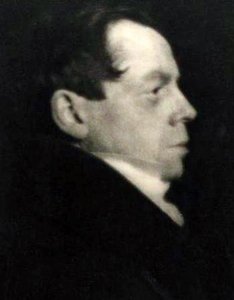
Sir William Nicholson
1872 - 1949 , Vereinigtes Königreich
Kurzinfos
- Beeinflusste Künstler/Bewegungen: ['Beggarstaff Brothers']
- Bemerkenswerte Werke:
- Lady in Furs, Mme. P.
- The Lowestoft Bowl
- Study for 'Plaza de Toros'
- Einflussreiche Künstler: ['Whistler']
- Geburtsdatum: 5. Februar 1872
- Geburtsort: Newark-on-Trent, Vereinigtes Königreich
- Künstlerische Richtung: Porträtmalerei, Stillleben, Holzschnitt
- Nationalität: Britisch
- Sterbedatum: 16. Mai 1949
- Vollständiger Name: Sir William Newzam Prior Nicholson
Ähnliche Artikel

Crimson Threads of Narrative: Exploring Symbolism & Representation in Artworks Featuring the Red Dress
Explore the rich symbolism of the red dress in art history! From ancient power displays to iconic portraits like Cézanne’s 'Madame Cezanne', discover the cultural and artistic significance behind this captivating color. Expert analysis & insights.
Sir William Nicholson: Ein Meister des postimpressionistischen Porträts und der dekorativen Moderne
Entdecken Sie das Werk von Sir William Nicholson – ein Pionier des postimpressionistischen Porträts und der dekorativen Moderne. Erfahren Sie mehr über seine künstlerische Entwicklung, den Einfluss seiner Werke und seine Bedeutung für die britische Kunstgeschichte.

The Enduring Legacy of Oil on Canvas: Technique, History & Aesthetic Impact
Explore the rich history & techniques of oil painting – from Renaissance masters to Impressionism. Discover pigments, layering methods, and why this timeless medium endures. Expert insights for artists & art enthusiasts.

Öl auf Leinwand: Eine historische und technische Erkundung eines zeitlosen künstlerischen Mediums
Entdecken Sie die faszinierende Welt der Ölmalerei! Von historischen Techniken bis zur modernen Anwendung – wir bieten Expertenwissen, Restaurierungstipps und hochwertige Reproduktionen. Jetzt informieren!

The Enduring Power of Painting: A Historical & Contemporary Exploration of Form and Emotion
Explore the rich history & enduring techniques of oil painting with ArtsDot. Discover masterpieces, learn about art collecting, and find authentic handmade reproductions crafted by skilled artists.