 Vorschau anzeigen
 Versenden
 Teilen
 Details anzeigen

 Herunterladen
 Ähnliche Objekte
 Röntgenaufnahme
 Diashow
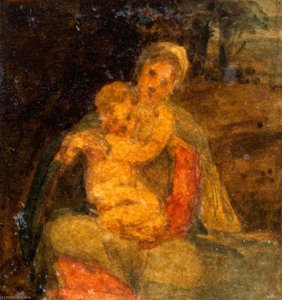
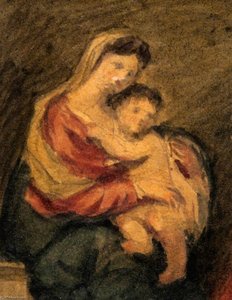
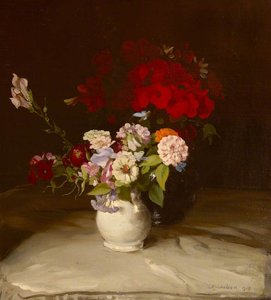
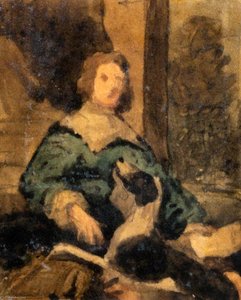
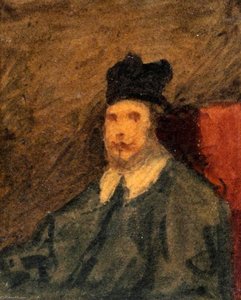
Album Copies of Old Masters and other Paintings (no.52, p.26)


 Weiterlesen
Giclée / Kunstdruck
Giclée- oder Leinwanddruck in Museumsqualität mit schneller Produktion und flexiblen Veredelungsoptionen. ( Handgemalte Reproduktion bestellen Bild kaufen)




P118B $10

P118H $10

P118W $10

P438Z $10

P508JH $12

P508YH $12

P805H $10

P805Z $10

P919BZ $10

P919G $10

P919XJ $10

P959ZH $10

P968JZ $12

W106C $8

W218G $10

W218JH $8

W218Y $10

W307PJ $10

W316G $10

W316PJ $8

W316Y $10

W398PJ $8

W4111J $10

W500HY $15

W500JH $15

W692G $12

W849H $8

W940BG $15

W953PJ $8




Wählen Sie aus unseren vordefinierten Formaten, die den ursprünglichen Proportionen des Kunstwerks entsprechen.

Sie können Ihre eigenen Maße eingeben, um ein bestimmtes Format oder einen speziellen Platz einzupassen. Wenn das von Ihnen gewählte Format nicht den Proportionen des Originalbildes entspricht, werden wir das Kunstwerk entweder beschneiden oder das Bild mit einem gespiegelten oder einfarbigen Rand erweitern. Ein digitaler Entwurf wird Ihnen zur Genehmigung zugesandt, bevor die Produktion beginnt.
Bitte beachten Sie, dass die Vorschau auf dem Bildschirm nicht den tatsächlichen Zuschnitt oder die Erweiterung widerspiegelt. Nur der Entwurf zeigt die endgültige Komposition präzise an.
Obwohl Sondermaße verfügbar sind, empfehlen wir die Auswahl eines Maßes aus der vordefinierten Liste, um die ursprünglichen Proportionen zu bewahren.
Weltweiter Versand () innerhalb von 2 Wochen statt der üblichen 4/5 Wochen. (1 September)

Kostenloser weltweiter Expressversand

Hochwertige Leinenleinwand

Umfassender Versicherungsschutz beim Versand

Zollgebühren-Rückerstattungsgarantie

Garantie für exakte Farbtreue

60 Tage Rückgaberecht (nur bei Mängeln)

100% Geld-zurück-Garantie

Mengenrabatt verfügbar
 Die Glasoption ist nur für Größen unter 110 cm verfügbar.

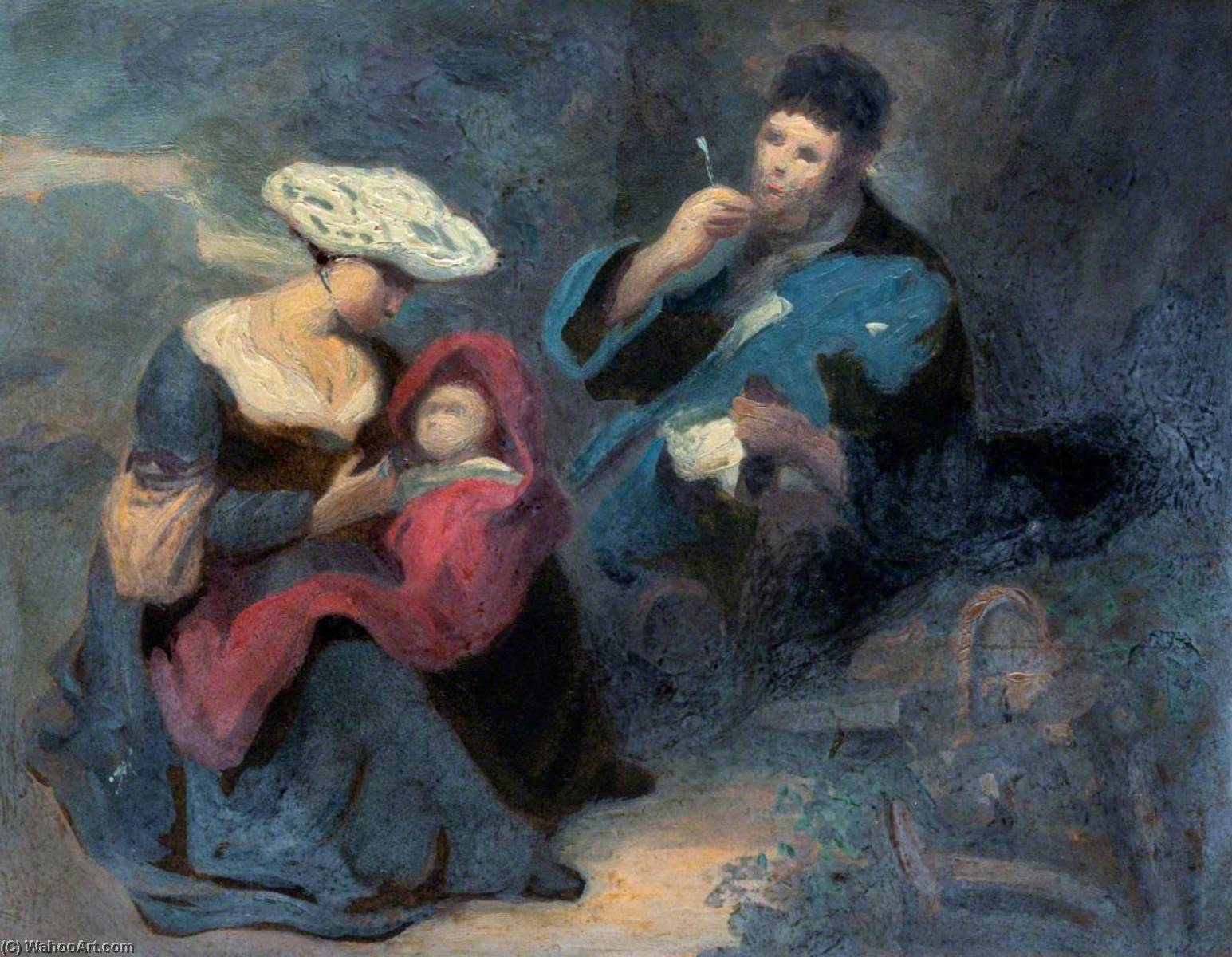
Album Copies of Old Masters and other Paintings (no.52, p.26)
Giclée / Kunstdruck
Format der Reproduktion
-


Gesamtpreis
$ 62
A Window into Victorian Sentiment: Sir William Nicholson’s Album Copy of ‘Charles I with M. de St Antoine’
Sir William Nicholson's "Album Copies of Old Masters and other Paintings," specifically this intimate rendition of Anthony van Dyck’s iconic portrait, offers a captivating glimpse into the artistic sensibilities of 19th-century Britain. More than just a faithful reproduction, it embodies a deliberate act of homage—a scholar’s study, an artist's meditation, and a testament to the enduring power of classical imagery. Nicholson, born in Newark in 1872, navigated a career marked by diverse mediums, from woodcuts to portraiture, yet consistently demonstrated a profound understanding of composition, light, and emotional resonance.
The painting itself is a masterful exercise in controlled imitation. Nicholson meticulously recreated Van Dyck’s original, capturing the sumptuous fabrics, the carefully rendered details of the figures' clothing, and the subtle interplay of light and shadow. However, Nicholson isn’t merely copying; he subtly alters the scene, imbuing it with his own distinct artistic voice. The background is deepened, creating a richer, more atmospheric space than Van Dyck’s original, while the red hues are intensified, lending a dramatic intensity to the composition. This shift suggests not a rejection of the master but an expansion upon his vision, a conversation between artist and artist across time.
The Victorian Context: Sentimentality and Artistic Reverence
To fully appreciate Nicholson’s work, it's crucial to understand the prevailing artistic and cultural climate of the mid-19th century. Victorian England was an era deeply invested in sentimentality—a fascination with emotion, nostalgia, and the idealized past. Portraiture flourished as a means of commemorating individuals and families, often imbued with carefully constructed narratives of lineage and social standing. Album copies, like this one, were particularly popular; they allowed collectors to own affordable reproductions of celebrated works, fostering a widespread appreciation for art within increasingly affluent households.
The act of commissioning an album copy wasn’t simply about acquiring a beautiful image; it was often a demonstration of erudition and artistic taste. Owners would display these copies prominently, signaling their knowledge of the classical canon and their commitment to preserving artistic heritage. Nicholson's work, therefore, represents more than just a painting—it embodies a specific social and cultural practice.
Decoding Symbolism: Power, Status, and Courtly Intrigue
Van Dyck’s original portrait depicts Charles I of England and his secretary, Michel de St. Antoine, in a scene of relaxed formality. The arrangement speaks volumes about the power dynamics at play – Charles, resplendent in velvet and jewels, holds court while St. Antoine attentively listens. Nicholson faithfully reproduces this visual language, reinforcing the established hierarchy. However, subtle shifts in color and brushwork hint at a deeper layer of meaning.
The red background, for instance, can be interpreted as symbolizing royal authority and power. The careful rendering of the fabrics suggests wealth and status, while the intimate setting hints at a private conversation—a carefully constructed tableau of courtly intrigue. Nicholson’s choices subtly amplify these themes, inviting viewers to contemplate the complexities of power and social interaction within the context of 17th-century England.
A Legacy of Reproduction: Art for the Masses
This particular album copy exemplifies a fascinating trend in art history—the democratization of artistic appreciation. The rise of mass reproduction techniques, coupled with increasing literacy and access to printed materials, made high art more accessible than ever before. Artists like Nicholson recognized the potential of these reproductions to cultivate a wider audience for classical masterpieces.
Furthermore, the process itself – the meticulous copying—became an artistic endeavor in its own right. Nicholson’s skill lay not just in replicating Van Dyck's image but in imbuing it with his own stylistic nuances and emotional sensibility. This work serves as a reminder that art reproduction is not merely a technical exercise; it’s a creative act, a dialogue between past and present, and a testament to the enduring appeal of artistic beauty.
Ähnliche Kunstwerke
Über den Künstler
Frühe Jahre und Ausbildung
Sir William Newzam Prior Nicholson, ein renommierter britischer Maler, wurde am 5. Februar 1872 in Newark-on-Trent geboren. Er war der jüngste Sohn von William Newzam Nicholson, einem Industriellen und konservativen Parlamentsabgeordneten, und seiner Frau Annie Elizabeth Prior. Ab dem neunten Lebensjahr besuchte er die Magnus Grammar School, wo er Malunterricht bei William Cubley erhielt, einem Maler und Politiker.Künstlerische Karriere
Nicholsons künstlerische Karriere lässt sich in mehrere Phasen unterteilen, die jeweils durch einen einzigartigen Stil und ein Medium gekennzeichnet sind. In seinen frühen Zwanzigern arbeitete er mit seinem Schwager James Pryde zusammen an Plakatentwürfen und grafischen Arbeiten und schuf innovative Plakate, die ihre Kühnheit der Umrisse und Einfachheit der Behandlung zeigten:- Die Beggarstaff-Partnerschaft (1893–1898): Nicholsons Zusammenarbeit mit James Pryde führte zu einer Reihe revolutionärer Plakate, darunter Don Quixote (1895) und Harpers Magazine (1895).
- Holzschnitt und Holzschnitttechnik (1900er Jahre): Nicholson entwickelte sich aus den Plakaten heraus und verfeinerte seinen persönlichen Stil durch Holzschnitt- und Holzschnitttechniken.
- Malerei (1910er Jahre): Er konzentrierte sich auf die Malerei, ermutigt von Whistler, und stellte erstmals als Maler in der International Society aus.
Wichtige Werke und Ausstellungen
Zu Nicholsons wichtigsten Werken gehören:- Lady in Furs, Mme. P. (ca. 1907), ein Porträt, das seine Beherrschung des Wesens seiner Motive einfängt.
- The Lowestoft Bowl (1911), eine Stilllebenmalerei, die seine Liebe zum Detail und seinen Einsatz von Farbe demonstriert.
- Study for 'Plaza de Toros, Malaga' (1935), eine Landschaft, die seine Fähigkeit hervorhebt, die Atmosphäre eines Ortes einzufangen.
Einflüsse und Entwicklung
Whistler spielte eine entscheidende Rolle in Nicholsons künstlerischer Entwicklung. Er ermutigte Nicholson, sich der Malerei zu widmen, was zu einer Verlagerung von grafischen Arbeiten hin zur Ölmalerei führte. Nicholsons Stil wurde durch den Impressionismus und den Ästhetizismus beeinflusst, wobei er Wert auf formale Elemente wie Komposition, Farbe und Licht legte. Seine frühen Werke zeigten einen starken Einfluss des Jugendstils, während seine späteren Gemälde eine größere Einfachheit und Klarheit aufwiesen.Historische Bedeutung
Sir William Nicholson trug wesentlich zur Entwicklung der britischen Kunst des späten 19. und frühen 20. Jahrhunderts bei. Seine innovativen Plakatentwürfe revolutionierten die grafische Gestaltung und beeinflussten die Entwicklung des Sachplakats in Deutschland. Seine Gemälde zeugen von seinem Talent, das Alltägliche mit Eleganz und Raffinesse darzustellen. Nicholson hinterließ ein bedeutendes künstlerisches Erbe, das weiterhin bewundert und studiert wird.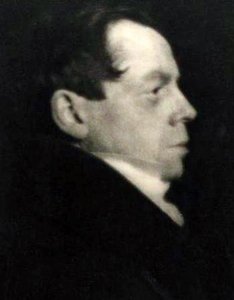
Sir William Nicholson
1872 - 1949 , Vereinigtes Königreich
Kurzinfos
- Beeinflusste Künstler/Bewegungen: ['Beggarstaff Brothers']
- Bemerkenswerte Werke:
- Lady in Furs, Mme. P.
- The Lowestoft Bowl
- Study for 'Plaza de Toros'
- Einflussreiche Künstler: ['Whistler']
- Geburtsdatum: 5. Februar 1872
- Geburtsort: Newark-on-Trent, Vereinigtes Königreich
- Künstlerische Richtung: Porträtmalerei, Stillleben, Holzschnitt
- Nationalität: Britisch
- Sterbedatum: 16. Mai 1949
- Vollständiger Name: Sir William Newzam Prior Nicholson
Ähnliche Artikel
Sir William Nicholson: Ein Meister des postimpressionistischen Porträts und der dekorativen Moderne
Entdecken Sie das Werk von Sir William Nicholson – ein Pionier des postimpressionistischen Porträts und der dekorativen Moderne. Erfahren Sie mehr über seine künstlerische Entwicklung, den Einfluss seiner Werke und seine Bedeutung für die britische Kunstgeschichte.
William Powell Frith: Gesellschaftsbilder des Viktorianismus und der Aufstieg des Realismus
Entdecken Sie das Werk von William Powell Frith und die Gesellschaftsbilder des Viktorianismus! Analysen, Biografie & der Aufstieg des Realismus in der englischen Malerei. Jetzt lesen!
R.A. Benjamin Williams: Victorian Genre Painting & Social Commentary
Explore the captivating world of Benjamin Williams Leader's Victorian genre paintings. Discover his mastery of naturalism, social commentary & lasting influence on British art. Expert insights at ArtsDot.
William Salter: A Life Immersed in Colour – Victorian Botanical Art & Social Vision
Explore the life & art of William Salter (1804-1875), a Victorian master renowned for his botanical illustrations and striking portraits. Discover his social vision & legacy at ArtsDot.
William Etty: Die Wiederentdeckung viktorianischer Sinnlichkeit und des Erhabenen in der historischen Malerei
Entdecken Sie die faszinierende Welt von William Etty! Unsere Expertenanalyse beleuchtet seine provokanten Historienmalereien, die Verbindung von Sinnlichkeit und Erhabenem im viktorianischen England. Jetzt lesen!