 Vorschau anzeigen
 Versenden
 Teilen
 Details anzeigen

 Herunterladen
 Ähnliche Objekte
 Röntgenaufnahme
 Diashow
Album Copies of Old Masters and other Paintings (p.46)


 Weiterlesen
Handgefertigte Ölreproduktion
Handgemaltes Ölgemälde auf Leinwand in Ihrer Wunschgröße und mit Rahmen, auf Bestellung von unseren Künstlern angefertigt. ( Druck bestellen Bild kaufen)




P118B $10

P118H $10

P118W $10

P438Z $10

P508JH $12

P508YH $12

P805H $10

P805Z $10

P919BZ $10

P919G $10

P919XJ $10

P959ZH $10

P968JZ $12

W106C $8

W218G $10

W218JH $8

W218Y $10

W307PJ $10

W316G $10

W316PJ $8

W316Y $10

W398PJ $8

W4111J $10

W500HY $15

W500JH $15

W692G $12

W849H $8

W940BG $15

W953PJ $8




Wählen Sie aus unseren vordefinierten Formaten, die den ursprünglichen Proportionen des Kunstwerks entsprechen.

Sie können Ihre eigenen Maße eingeben, um einen bestimmten Rahmen oder Platz auszufüllen. Wenn die gewählte Größe nicht den Proportionen des Originalbildes entspricht, werden wir das Kunstwerk entweder beschneiden oder das Gemälde durch zusätzliche, handgemalte Elemente erweitern. Ein digitales Mockup wird Ihnen zur Genehmigung zugesandt, bevor die Produktion beginnt.
Bitte beachten Sie, dass die Bildschirmvorschau nicht die tatsächliche Beschneidung oder Erweiterung widerspiegelt. Nur das Mockup zeigt die endgültige Komposition exakt an.
Obwohl Sondermaße verfügbar sind, empfehlen wir, eine Größe aus der vordefinierten Liste zu wählen, um die ursprünglichen Proportionen beizubehalten.
Nach der Bestellung wird das ArtsDot.com-Team dem Kunden Anweisungen per E-Mail zusenden und eine Mockup-Vorschau bereitstellen.
Weltweiter Versand () in nur 3 bis 4 Wochen statt der üblichen 5 Wochen. (31 August). Keine Kompromisse bei der Qualität.

Kostenloser weltweiter Expressversand

Hochwertige Leinenleinwand

Umfassender Versicherungsschutz beim Versand

Zollgebühren-Rückerstattungsgarantie

Garantie für exakte Farbtreue

60 Tage Rückgaberecht (nur bei Mängeln)

100% Geld-zurück-Garantie

Mengenrabatt verfügbar
 Die Glasoption ist nur für Größen unter 110 cm verfügbar.

Album Copies of Old Masters and other Paintings (p.46)
Art der Reproduktion
Format der Reproduktion
-


Gesamtpreis
$ 263
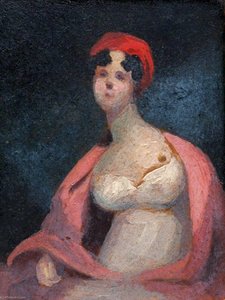
A Window into Victorian Society: Sir William Nicholson’s Album Copy
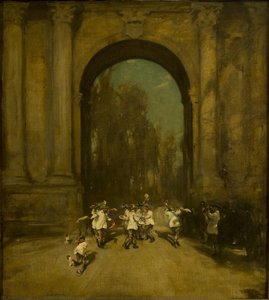
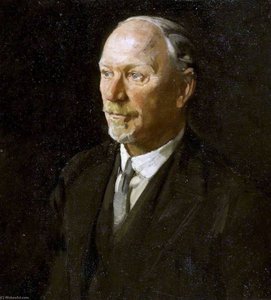
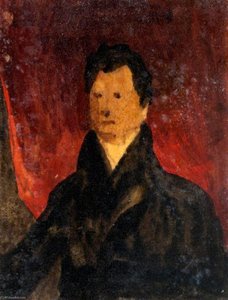
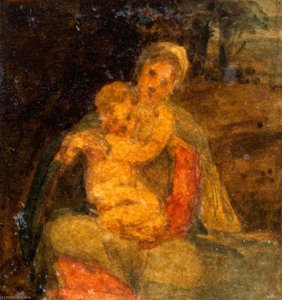
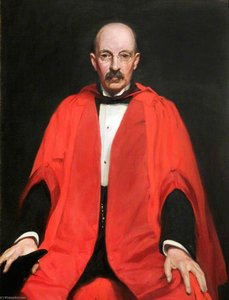
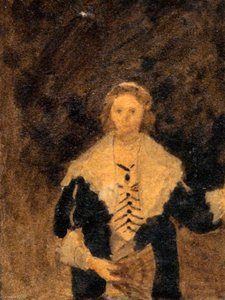
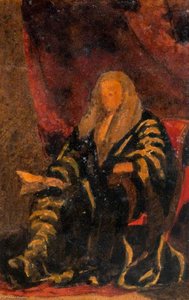
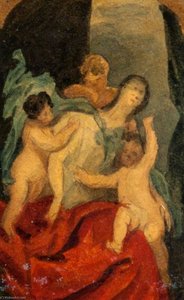
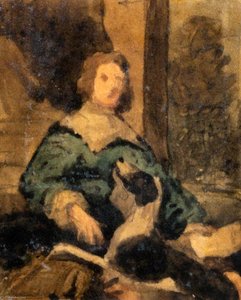
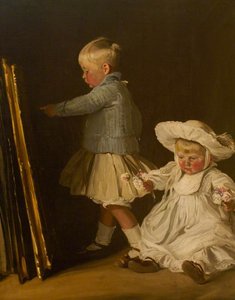
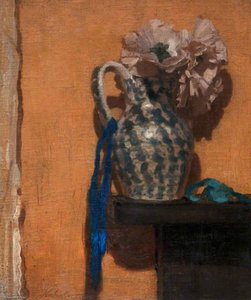
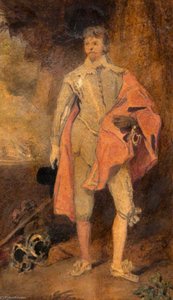
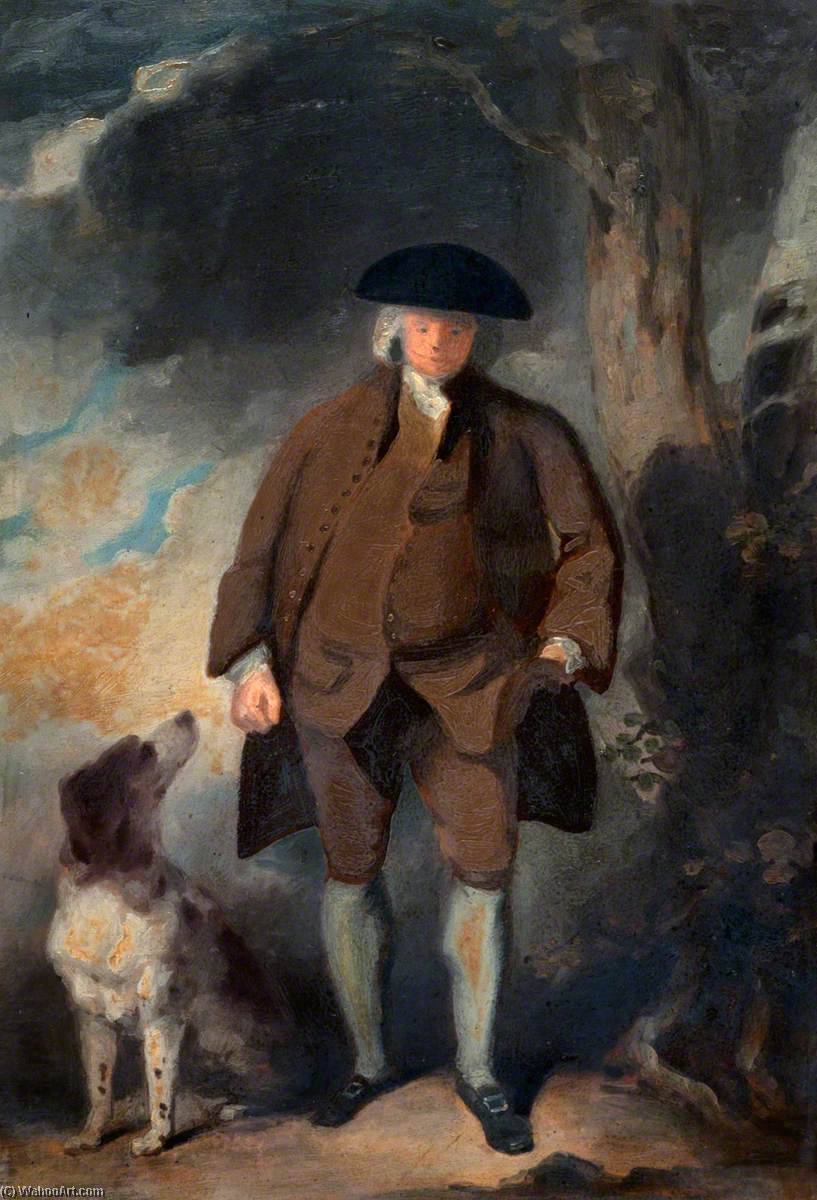
Sir William Newzam Prior Nicholson's "Album Copies of Old Masters and other Paintings," specifically this rendition of an unidentified masterwork, offers a captivating glimpse into the social fabric and artistic sensibilities of 19th-century Britain. Dating from around 1890, this piece transcends mere reproduction; it’s a carefully considered interpretation, imbued with Nicholson's distinctive style and reflecting the prevailing aesthetic trends of his time. The image itself depicts a gentleman, formally dressed in the attire characteristic of the late Victorian era – a dark coat, a high-collared shirt, and a distinguished black hat – accompanied by a loyal dog. This seemingly simple composition speaks volumes about the values and relationships prevalent within British society at the turn of the century.
Nicholson’s approach to creating these “Album Copies” wasn't simply about replicating an existing artwork; it was a process of distillation, of capturing the essence of the original while imbuing it with his own artistic voice. He frequently employed a technique known as "imposto," where he would paint directly onto the back of a printed image, layering his brushstrokes and adding subtle variations in color and tone. This method allowed him to maintain the crispness of the print while simultaneously injecting a sense of immediacy and spontaneity into the work. The resulting paintings possess a remarkable depth and texture, achieved through the skillful application of thick impasto – a technique where paint is applied heavily, creating a three-dimensional surface.
The Language of Portraiture: Symbolism and Composition
The composition itself is meticulously crafted to convey a sense of quiet dignity and restrained emotion. The man’s posture, slightly turned away from the viewer, suggests both reserve and contemplation. His gaze, though unseen, invites the observer into his world. The dog, positioned beside him, serves as a potent symbol of loyalty, companionship, and perhaps even social standing – a common motif in Victorian art reflecting the close bonds between humans and animals within the era’s hierarchical society.
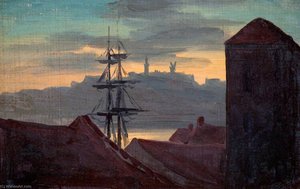
The background, featuring a cloudy sky and a distant tree line, provides a subtle yet effective contrast to the figure's formality. The muted palette of dark browns, greys, and blues evokes a sense of melancholy or introspection, while strategically placed highlights – particularly on the dog’s coat and patches of light in the sky – draw attention to key elements within the composition. The overall effect is one of understated elegance and quiet observation, characteristic of Nicholson's mature style.
A Masterclass in Technique: Nicholson’s Approach
Nicholson was a remarkably versatile artist, working across various mediums including painting, watercolor, and illustration. However, his Album Copies stand out for their technical brilliance and innovative approach to reproduction. He wasn’t merely copying; he was transforming. His use of color is particularly noteworthy – he often employed a technique called “tonal underpainting,” building up layers of color beneath the final surface layer to create depth and luminosity. This layering process, combined with his masterful control of brushwork, results in paintings that possess an extraordinary sense of realism and atmospheric quality.
Furthermore, Nicholson’s understanding of light and shadow is exceptional. He skillfully manipulated these elements to create a dramatic effect, emphasizing the contours of the figure's clothing and highlighting key features within the composition. This attention to detail elevates the work beyond a simple copy, transforming it into a compelling visual narrative.
Collecting an Echo of Victorian England
Reproductions of Sir William Nicholson’s Album Copies offer a unique opportunity to bring a piece of 19th-century British society into your home or studio. These works are not just beautiful images; they are windows into a bygone era, reflecting the values, customs, and artistic sensibilities of a fascinating period in history. Their rich textures, evocative symbolism, and masterful technique make them ideal additions to any collection of fine art. Consider these pieces as more than mere reproductions – they’re tangible connections to a world both familiar and distant, offering a profound appreciation for the artistry and cultural context of Victorian England.
Ähnliche Kunstwerke
Über den Künstler
Frühe Jahre und Ausbildung
Sir William Newzam Prior Nicholson, ein renommierter britischer Maler, wurde am 5. Februar 1872 in Newark-on-Trent geboren. Er war der jüngste Sohn von William Newzam Nicholson, einem Industriellen und konservativen Parlamentsabgeordneten, und seiner Frau Annie Elizabeth Prior. Ab dem neunten Lebensjahr besuchte er die Magnus Grammar School, wo er Malunterricht bei William Cubley erhielt, einem Maler und Politiker.Künstlerische Karriere
Nicholsons künstlerische Karriere lässt sich in mehrere Phasen unterteilen, die jeweils durch einen einzigartigen Stil und ein Medium gekennzeichnet sind. In seinen frühen Zwanzigern arbeitete er mit seinem Schwager James Pryde zusammen an Plakatentwürfen und grafischen Arbeiten und schuf innovative Plakate, die ihre Kühnheit der Umrisse und Einfachheit der Behandlung zeigten:- Die Beggarstaff-Partnerschaft (1893–1898): Nicholsons Zusammenarbeit mit James Pryde führte zu einer Reihe revolutionärer Plakate, darunter Don Quixote (1895) und Harpers Magazine (1895).
- Holzschnitt und Holzschnitttechnik (1900er Jahre): Nicholson entwickelte sich aus den Plakaten heraus und verfeinerte seinen persönlichen Stil durch Holzschnitt- und Holzschnitttechniken.
- Malerei (1910er Jahre): Er konzentrierte sich auf die Malerei, ermutigt von Whistler, und stellte erstmals als Maler in der International Society aus.
Wichtige Werke und Ausstellungen
Zu Nicholsons wichtigsten Werken gehören:- Lady in Furs, Mme. P. (ca. 1907), ein Porträt, das seine Beherrschung des Wesens seiner Motive einfängt.
- The Lowestoft Bowl (1911), eine Stilllebenmalerei, die seine Liebe zum Detail und seinen Einsatz von Farbe demonstriert.
- Study for 'Plaza de Toros, Malaga' (1935), eine Landschaft, die seine Fähigkeit hervorhebt, die Atmosphäre eines Ortes einzufangen.
Einflüsse und Entwicklung
Whistler spielte eine entscheidende Rolle in Nicholsons künstlerischer Entwicklung. Er ermutigte Nicholson, sich der Malerei zu widmen, was zu einer Verlagerung von grafischen Arbeiten hin zur Ölmalerei führte. Nicholsons Stil wurde durch den Impressionismus und den Ästhetizismus beeinflusst, wobei er Wert auf formale Elemente wie Komposition, Farbe und Licht legte. Seine frühen Werke zeigten einen starken Einfluss des Jugendstils, während seine späteren Gemälde eine größere Einfachheit und Klarheit aufwiesen.Historische Bedeutung
Sir William Nicholson trug wesentlich zur Entwicklung der britischen Kunst des späten 19. und frühen 20. Jahrhunderts bei. Seine innovativen Plakatentwürfe revolutionierten die grafische Gestaltung und beeinflussten die Entwicklung des Sachplakats in Deutschland. Seine Gemälde zeugen von seinem Talent, das Alltägliche mit Eleganz und Raffinesse darzustellen. Nicholson hinterließ ein bedeutendes künstlerisches Erbe, das weiterhin bewundert und studiert wird.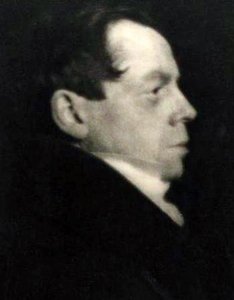
Sir William Nicholson
1872 - 1949 , Vereinigtes Königreich
Kurzinfos
- Beeinflusste Künstler/Bewegungen: ['Beggarstaff Brothers']
- Bemerkenswerte Werke:
- Lady in Furs, Mme. P.
- The Lowestoft Bowl
- Study for 'Plaza de Toros'
- Einflussreiche Künstler: ['Whistler']
- Geburtsdatum: 5. Februar 1872
- Geburtsort: Newark-on-Trent, Vereinigtes Königreich
- Künstlerische Richtung: Porträtmalerei, Stillleben, Holzschnitt
- Nationalität: Britisch
- Sterbedatum: 16. Mai 1949
- Vollständiger Name: Sir William Newzam Prior Nicholson
Ähnliche Artikel
Die 10 Meisterwerke des Neoklassizismus: Kunst für Ihr Zuhause |
Entdecken Sie die 10 Meisterwerke des Neoklassizismus! Von David bis Canova – erleben Sie Kunstgeschichte, elegante Ästhetik & zeitlose Schönheit. Hochwertige Reproduktionen auf .
Sir William Nicholson: Ein Meister des postimpressionistischen Porträts und der dekorativen Moderne
Entdecken Sie das Werk von Sir William Nicholson – ein Pionier des postimpressionistischen Porträts und der dekorativen Moderne. Erfahren Sie mehr über seine künstlerische Entwicklung, den Einfluss seiner Werke und seine Bedeutung für die britische Kunstgeschichte.
The Enduring Legacy of Classicism: Principles, Evolution & Influence in Western Art
Explore the enduring legacy of Classicism in Western art! Discover its historical context, key principles, iconic masterpieces & lasting influence. Learn about Renaissance and Neoclassical movements with ArtsDot.
Timeless Resonance: Exploring Classic Vibe in Art – A Historical & Aesthetic Analysis
Explore the rich history & enduring aesthetic of Classicism art! Discover key movements, iconic artists like Raphael & David, and its lasting influence on Western art. Deepen your appreciation today.
The Enduring Legacy of Classical Style: Form, Narrative & Influence in Art
Explore the enduring legacy of classical art – from ancient Greece & Rome to Neoclassicism. Discover key artists, philosophical roots & build a timeless collection with ArtsDot's expert guidance.