 Vorschau anzeigen
 Versenden
 Teilen
 Details anzeigen

 Herunterladen
 Ähnliche Objekte
 Röntgenaufnahme
 Diashow
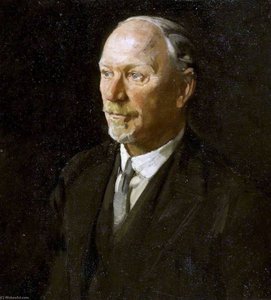
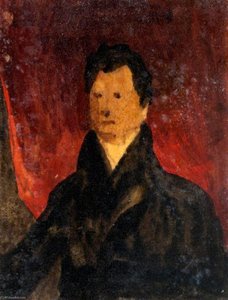
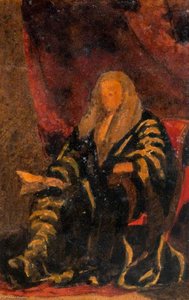
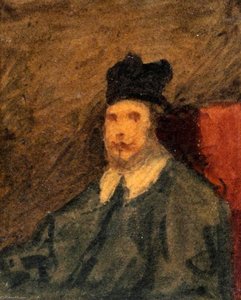
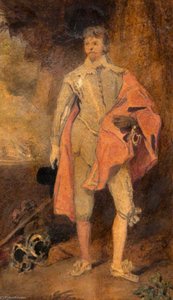
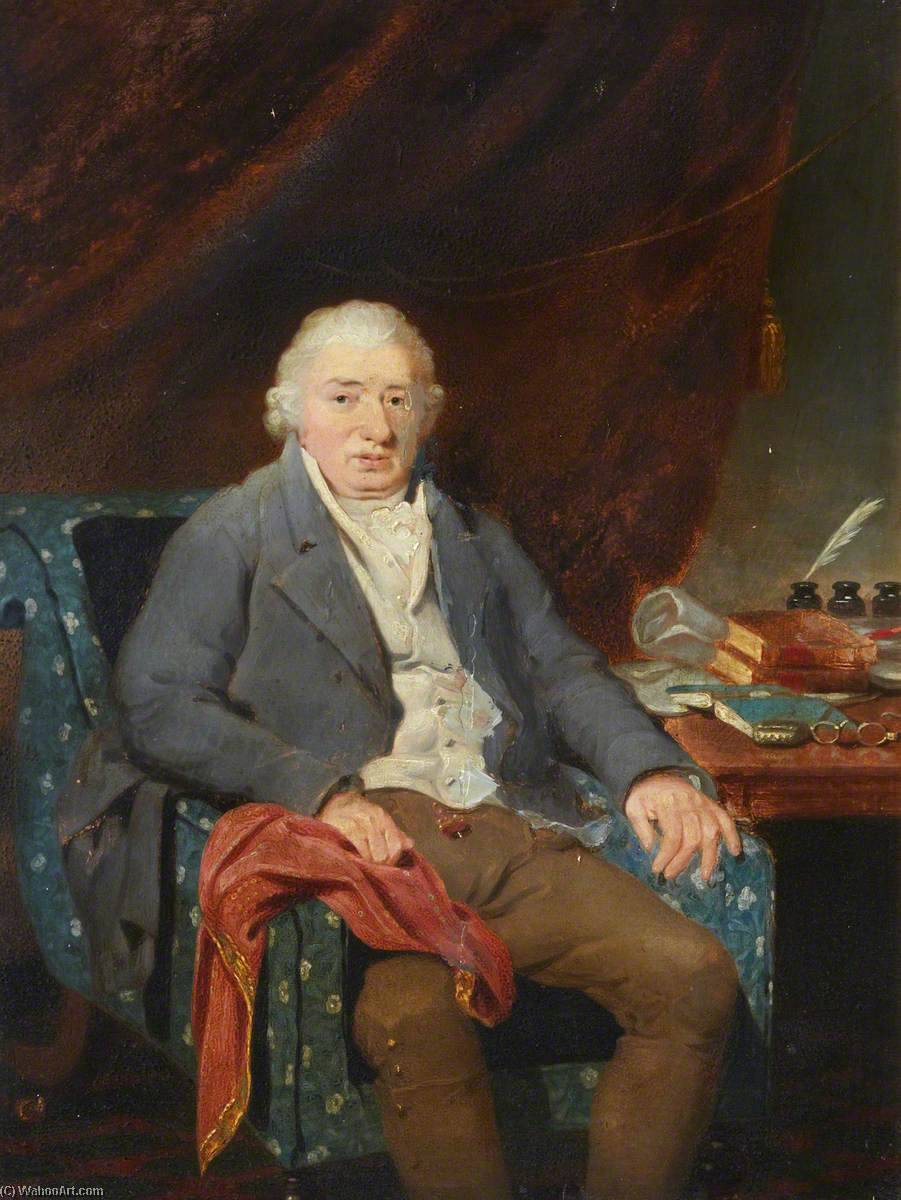
Portrait of an Unidentified Gentleman
 Oil On Canvas
- WallArt
- Classical Portraiture
 37.0 x 28.0 cm
 Royal Scottish Academy of Art – Architektur
 Weiterlesen
Handgefertigte Ölreproduktion
Handgemaltes Ölgemälde auf Leinwand in Ihrer Wunschgröße und mit Rahmen, auf Bestellung von unseren Künstlern angefertigt. ( Druck bestellen Bild kaufen)




P118B $10

P118H $10

P118W $10

P438Z $10

P508JH $12

P508YH $12

P805H $10

P805Z $10

P919BZ $10

P919G $10

P919XJ $10

P959ZH $10

P968JZ $12

W106C $8

W218G $10

W218JH $8

W218Y $10

W307PJ $10

W316G $10

W316PJ $8

W316Y $10

W398PJ $8

W4111J $10

W500HY $15

W500JH $15

W692G $12

W849H $8

W940BG $15

W953PJ $8




Wählen Sie aus unseren vordefinierten Formaten, die den ursprünglichen Proportionen des Kunstwerks entsprechen.

Sie können Ihre eigenen Maße eingeben, um einen bestimmten Rahmen oder Platz auszufüllen. Wenn die gewählte Größe nicht den Proportionen des Originalbildes entspricht, werden wir das Kunstwerk entweder beschneiden oder das Gemälde durch zusätzliche, handgemalte Elemente erweitern. Ein digitales Mockup wird Ihnen zur Genehmigung zugesandt, bevor die Produktion beginnt.
Bitte beachten Sie, dass die Bildschirmvorschau nicht die tatsächliche Beschneidung oder Erweiterung widerspiegelt. Nur das Mockup zeigt die endgültige Komposition exakt an.
Obwohl Sondermaße verfügbar sind, empfehlen wir, eine Größe aus der vordefinierten Liste zu wählen, um die ursprünglichen Proportionen beizubehalten.
Nach der Bestellung wird das ArtsDot.com-Team dem Kunden Anweisungen per E-Mail zusenden und eine Mockup-Vorschau bereitstellen.
Weltweiter Versand () in nur 3 bis 4 Wochen statt der üblichen 5 Wochen. (25 August). Keine Kompromisse bei der Qualität.

Kostenloser weltweiter Expressversand

Hochwertige Leinenleinwand

Umfassender Versicherungsschutz beim Versand

Zollgebühren-Rückerstattungsgarantie

Garantie für exakte Farbtreue

60 Tage Rückgaberecht (nur bei Mängeln)

100% Geld-zurück-Garantie

Mengenrabatt verfügbar
 Die Glasoption ist nur für Größen unter 110 cm verfügbar.

Portrait of an Unidentified Gentleman
Art der Reproduktion
Format der Reproduktion
-


Gesamtpreis
$ 263
Beschreibung des Kunstwerks
Portrait of an Unidentified Gentleman: A Study in Quiet Dignity
Sir William Nicholson’s “Portrait of an Unidentified Gentleman,” painted circa 1868, is more than just a likeness; it's a carefully constructed tableau of understated elegance and contemplative melancholy. This remarkable work, housed within the Royal Scottish Academy of Art & Architecture in Edinburgh, offers a glimpse into the sensibilities of Victorian England – a period grappling with rapid industrialization while simultaneously clinging to traditions of refined portraiture. The painting immediately draws the viewer in with its muted palette dominated by blues and browns, punctuated by subtle hints of red and white, creating an atmosphere both somber and richly textured.
The subject himself remains deliberately anonymous, a deliberate choice that elevates the portrait beyond a simple representation of an individual. He is depicted seated in a chair, his posture suggesting a comfortable repose yet hinting at a profound thoughtfulness. His attire – a meticulously rendered coat, waistcoat, and cravat – speaks to a gentlemanly status, reflecting the social conventions of the era. A folded red cloth rests beside him, a small splash of color that subtly introduces an element of domestic comfort amidst the formality of the scene. The table before him is laden with objects: writing implements, inkwells, and perhaps even a book, suggesting intellectual pursuits and a life dedicated to learning or contemplation.
The Beggarstaff Partnership and Nicholson’s Artistic Evolution
Understanding “Portrait of an Unidentified Gentleman” requires acknowledging the context of Sir William Nicholson's artistic journey. Initially trained under William Cubley, he quickly found his way to Paris, where he honed his skills at the Académie Julian. Crucially, it was through his association with Mabel Pryde and her brother James Pryde that he formed the Beggarstaff partnership – a groundbreaking collaboration known for its strikingly realistic and often satirical depictions of London life. This experience profoundly shaped Nicholson’s approach to portraiture, imbuing his work with a keen observational eye and a willingness to capture not just outward appearances but also the subtle nuances of personality.
The Beggarstaff style, characterized by bold lines, dramatic lighting, and a focus on capturing fleeting moments, provided a crucial counterpoint to the more formal conventions of traditional portraiture. Nicholson’s later works, including “Portrait of an Unidentified Gentleman,” demonstrate this influence – a willingness to experiment with composition and technique while retaining a deep respect for the subject matter. The painting's quiet intensity reflects a shift away from the overtly decorative tendencies of earlier Victorian portraits towards a more psychologically nuanced approach.
Technique and Symbolism: A Masterclass in Observation
Nicholson’s technical skill is evident in every detail of this portrait. He masterfully employs brushwork to create texture in the clothing, rendering the fabric with remarkable realism. The subtle shading used to model the figure's form adds depth and volume, while the careful attention to facial features conveys a sense of age and wisdom. The lighting, originating from the upper left, casts shadows that define the subject’s face and body, creating a dramatic effect that draws the viewer's eye.
Beyond its technical merits, “Portrait of an Unidentified Gentleman” is rich in symbolism. The gentleman’s contemplative expression suggests a life lived with reflection and perhaps even some measure of melancholy. The objects on the table – writing implements and inkwells – hint at intellectual pursuits and a connection to knowledge. The red cloth could symbolize warmth, comfort, or even a touch of passion amidst the otherwise restrained atmosphere. The anonymity of the subject invites viewers to project their own interpretations onto the portrait, transforming it into a mirror reflecting our own experiences and emotions.
A Timeless Portrait: Nicholson’s Enduring Legacy
“Portrait of an Unidentified Gentleman” stands as a testament to Sir William Nicholson's artistic versatility and his ability to capture the essence of human character. It is a painting that rewards careful observation, inviting viewers to contemplate its subtle details and underlying symbolism. Its quiet dignity and understated beauty have ensured its place within the collections of major museums worldwide, including the National Portrait Gallery in London. Reproductions of this captivating portrait offer a window into Victorian England, providing a glimpse into the lives and sensibilities of a bygone era – a reminder that even in anonymity, there can be profound depth and enduring artistic merit.
Ähnliche Kunstwerke
Über den Künstler
Frühe Jahre und Ausbildung
Sir William Newzam Prior Nicholson, ein renommierter britischer Maler, wurde am 5. Februar 1872 in Newark-on-Trent geboren. Er war der jüngste Sohn von William Newzam Nicholson, einem Industriellen und konservativen Parlamentsabgeordneten, und seiner Frau Annie Elizabeth Prior. Ab dem neunten Lebensjahr besuchte er die Magnus Grammar School, wo er Malunterricht bei William Cubley erhielt, einem Maler und Politiker.Künstlerische Karriere
Nicholsons künstlerische Karriere lässt sich in mehrere Phasen unterteilen, die jeweils durch einen einzigartigen Stil und ein Medium gekennzeichnet sind. In seinen frühen Zwanzigern arbeitete er mit seinem Schwager James Pryde zusammen an Plakatentwürfen und grafischen Arbeiten und schuf innovative Plakate, die ihre Kühnheit der Umrisse und Einfachheit der Behandlung zeigten:- Die Beggarstaff-Partnerschaft (1893–1898): Nicholsons Zusammenarbeit mit James Pryde führte zu einer Reihe revolutionärer Plakate, darunter Don Quixote (1895) und Harpers Magazine (1895).
- Holzschnitt und Holzschnitttechnik (1900er Jahre): Nicholson entwickelte sich aus den Plakaten heraus und verfeinerte seinen persönlichen Stil durch Holzschnitt- und Holzschnitttechniken.
- Malerei (1910er Jahre): Er konzentrierte sich auf die Malerei, ermutigt von Whistler, und stellte erstmals als Maler in der International Society aus.
Wichtige Werke und Ausstellungen
Zu Nicholsons wichtigsten Werken gehören:- Lady in Furs, Mme. P. (ca. 1907), ein Porträt, das seine Beherrschung des Wesens seiner Motive einfängt.
- The Lowestoft Bowl (1911), eine Stilllebenmalerei, die seine Liebe zum Detail und seinen Einsatz von Farbe demonstriert.
- Study for 'Plaza de Toros, Malaga' (1935), eine Landschaft, die seine Fähigkeit hervorhebt, die Atmosphäre eines Ortes einzufangen.
Einflüsse und Entwicklung
Whistler spielte eine entscheidende Rolle in Nicholsons künstlerischer Entwicklung. Er ermutigte Nicholson, sich der Malerei zu widmen, was zu einer Verlagerung von grafischen Arbeiten hin zur Ölmalerei führte. Nicholsons Stil wurde durch den Impressionismus und den Ästhetizismus beeinflusst, wobei er Wert auf formale Elemente wie Komposition, Farbe und Licht legte. Seine frühen Werke zeigten einen starken Einfluss des Jugendstils, während seine späteren Gemälde eine größere Einfachheit und Klarheit aufwiesen.Historische Bedeutung
Sir William Nicholson trug wesentlich zur Entwicklung der britischen Kunst des späten 19. und frühen 20. Jahrhunderts bei. Seine innovativen Plakatentwürfe revolutionierten die grafische Gestaltung und beeinflussten die Entwicklung des Sachplakats in Deutschland. Seine Gemälde zeugen von seinem Talent, das Alltägliche mit Eleganz und Raffinesse darzustellen. Nicholson hinterließ ein bedeutendes künstlerisches Erbe, das weiterhin bewundert und studiert wird.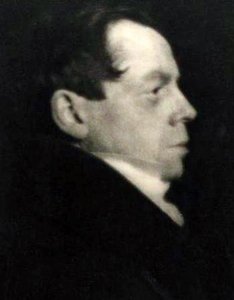
Sir William Nicholson
1872 - 1949 , Vereinigtes Königreich
Kurzinfos
- Beeinflusste Künstler/Bewegungen: ['Beggarstaff Brothers']
- Bemerkenswerte Werke:
- Lady in Furs, Mme. P.
- The Lowestoft Bowl
- Study for 'Plaza de Toros'
- Einflussreiche Künstler: ['Whistler']
- Geburtsdatum: 5. Februar 1872
- Geburtsort: Newark-on-Trent, Vereinigtes Königreich
- Künstlerische Richtung: Porträtmalerei, Stillleben, Holzschnitt
- Nationalität: Britisch
- Sterbedatum: 16. Mai 1949
- Vollständiger Name: Sir William Newzam Prior Nicholson
Ähnliche Artikel
Sir Joshua Reynolds: Die 25 Meisterwerke des Porträtmalers | ArtsDot
Entdecken Sie die 25 Meisterwerke von Sir Joshua Reynolds! Erleben Sie Rokoko & Klassizismus durch ikonische Porträts. Hochwertige Reproduktionen für Ihr Interieur auf ArtsDot.com – jetzt entdecken!

Sir Alfred James Munnings: Die 25 Meisterwerke des Pferdebildes | ArtsDot
Entdecken Sie die 25 Meisterwerke von Sir Alfred James Munnings! Erleben Sie seine beeindruckenden Pferdebilder, geprägt vom Impressionismus und Realismus. Hochwertige Kunstdrucke & Reproduktionen auf ArtsDot.com – für elegante Wandkunst & stilvolles Interieurdesign.
Sir William Nicholson: Ein Meister des postimpressionistischen Porträts und der dekorativen Moderne
Entdecken Sie das Werk von Sir William Nicholson – ein Pionier des postimpressionistischen Porträts und der dekorativen Moderne. Erfahren Sie mehr über seine künstlerische Entwicklung, den Einfluss seiner Werke und seine Bedeutung für die britische Kunstgeschichte.

The Enduring Legacy of Oil on Canvas: Technique, History & Aesthetic Impact
Explore the rich history & techniques of oil painting – from Renaissance masters to Impressionism. Discover pigments, layering methods, and why this timeless medium endures. Expert insights for artists & art enthusiasts.

Öl auf Leinwand: Eine historische und technische Erkundung eines zeitlosen künstlerischen Mediums
Entdecken Sie die faszinierende Welt der Ölmalerei! Von historischen Techniken bis zur modernen Anwendung – wir bieten Expertenwissen, Restaurierungstipps und hochwertige Reproduktionen. Jetzt informieren!