 Vorschau anzeigen
 Versenden
 Teilen
 Details anzeigen

 Herunterladen
 Ähnliche Objekte
 Röntgenaufnahme
 Diashow
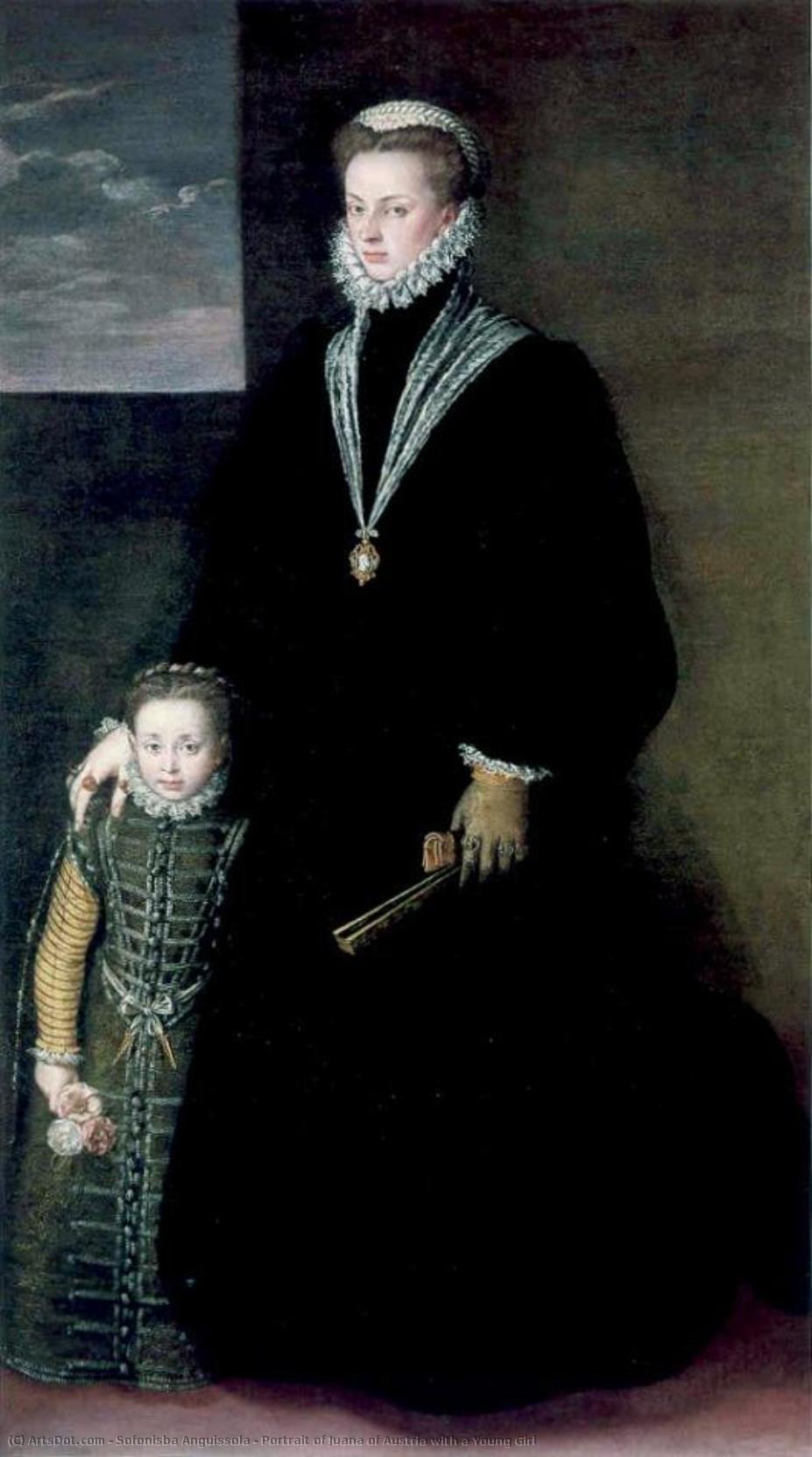
Portrait of Juana of Austria with a Young Girl


 Weiterlesen
Giclée / Kunstdruck
Giclée- oder Leinwanddruck in Museumsqualität mit schneller Produktion und flexiblen Veredelungsoptionen. ( Handgemalte Reproduktion bestellen Bild kaufen)




P118B $10

P118H $10

P118W $10

P438Z $10

P508JH $12

P508YH $12

P805H $10

P805Z $10

P919BZ $10

P919G $10

P919XJ $10

P959ZH $10

P968JZ $12

W106C $8

W218G $10

W218JH $8

W218Y $10

W307PJ $10

W316G $10

W316PJ $8

W316Y $10

W398PJ $8

W4111J $10

W500HY $15

W500JH $15

W692G $12

W849H $8

W940BG $15

W953PJ $8




Wählen Sie aus unseren vordefinierten Formaten, die den ursprünglichen Proportionen des Kunstwerks entsprechen.

Sie können Ihre eigenen Maße eingeben, um ein bestimmtes Format oder einen speziellen Platz einzupassen. Wenn das von Ihnen gewählte Format nicht den Proportionen des Originalbildes entspricht, werden wir das Kunstwerk entweder beschneiden oder das Bild mit einem gespiegelten oder einfarbigen Rand erweitern. Ein digitaler Entwurf wird Ihnen zur Genehmigung zugesandt, bevor die Produktion beginnt.
Bitte beachten Sie, dass die Vorschau auf dem Bildschirm nicht den tatsächlichen Zuschnitt oder die Erweiterung widerspiegelt. Nur der Entwurf zeigt die endgültige Komposition präzise an.
Obwohl Sondermaße verfügbar sind, empfehlen wir die Auswahl eines Maßes aus der vordefinierten Liste, um die ursprünglichen Proportionen zu bewahren.
Weltweiter Versand () innerhalb von 2 Wochen statt der üblichen 4/5 Wochen. (2 September)

Kostenloser weltweiter Expressversand

Hochwertige Leinenleinwand

Umfassender Versicherungsschutz beim Versand

Zollgebühren-Rückerstattungsgarantie

Garantie für exakte Farbtreue

60 Tage Rückgaberecht (nur bei Mängeln)

100% Geld-zurück-Garantie

Mengenrabatt verfügbar
 Die Glasoption ist nur für Größen unter 110 cm verfügbar.

Portrait of Juana of Austria with a Young Girl
Giclée / Kunstdruck
Format der Reproduktion
-


Gesamtpreis
$ 62
A Royal Encounter Captured in Light and Shadow
In the quiet, dignified halls of the Isabella Stewart Gardner Museum, there exists a window into the heart of the sixteenth-century Spanish court. Sofonisba Anguissola’s Portrait of Juana of Austria with a Young Girl is far more than a mere record of royal lineage; it is an intimate encounter between two generations, frozen in the amber of the High Renaissance. As viewers approach this masterpiece, they are immediately struck by the profound sense of presence emanating from the figures. The portrait captures Juana of Austria, a woman of immense political and social significance, alongside a young companion—perhaps a daughter or niece—whose tender proximity to the Queen Regent creates a palpable atmosphere of familial warmth and continuity.
The composition is masterfully orchestrated to draw the eye into a private moment of connection. While the figures are set against a dark, indeterminate background that strips away the distractions of the physical world, their presence feels monumental. Anguissola utilizes a vertical format that emphasizes the regal stature of Juana, yet softens this authority through the subtle, asymmetrical placement of the child. This arrangement invites the observer not just to witness a display of status, but to feel the quiet, emotional bond shared between the two subjects, making the painting an enduring study in human connection.
The Mastery of Renaissance Technique and Texture
To behold this work is to appreciate the technical virtuosity of one of the Renaissance’s most pioneering female voices. Anguissola employs the sophisticated technique of oil glazing, applying thin, translucent layers of pigment to build a depth of color that seems to glow from within. This method allows for a breathtakingly smooth finish, where the transitions between light and shadow—the sfumato influence of Leonardo da da Vinci—are so seamless they appear almost ethereal. The artist’s ability to manipulate light is particularly evident in the way it catches the subtle folds of Juana’s black silk gown, transforming a somber palette into a rich tapestry of textures.
Every brushstroke serves a purpose in defining the tactile reality of the scene. One can almost feel the weight of the heavy fabrics and the delicate softness of the skin. The color palette, though dominated by the dignified blacks and deep browns characteristic of the Spanish court, is punctuated by moments of brilliant clarity. A small white flower held by the child acts as a luminous focal point, a singular spark of light that breaks the formal gravity of the composition. For the collector or interior designer, this interplay of dark, sophisticated tones and delicate highlights offers a versatile elegance, capable of anchoring a room with both drama and grace.
A Legacy of Dignity and Artistic Innovation
Beyond its aesthetic splendor, the portrait serves as a vital historical document of an era defined by humanist ideals. Created during the reign of Philip II, the painting reflects the meticulous attention to detail and the celebration of individual character that characterized the period. Anguissola, having navigated the complexities of being a female artist in a male-dominated landscape, imbues her subjects with a psychological depth that transcends the formal requirements of courtly portraiture. There is a quiet strength in Juana’s gaze and a gentle innocence in the child’s posture that speaks to the enduring power of legacy.
For those seeking to bring a piece of art history into a contemporary space, this reproduction offers more than decoration; it offers an atmosphere of refinement and intellectual depth. The painting’s ability to evoke emotion—ranging from the solemnity of royal duty to the tenderness of childhood—makes it a profound addition to any curated collection. It stands as a testament to Sofonisba Anguissola’s genius, reminding us that true art does not merely depict life, but captures the very essence of the human spirit across the centuries.
Ähnliche Kunstwerke


Über den Künstler
Sofonisba Anguissola: Eine Renaissance Pionierin
Frühes Leben und Ausbildung
- Geboren in Cremona, Italien, um 1532, stammte Sofonisba Anguissola aus einer adligen, aber nicht wohlhabenden Familie. Ihr Vater, Amilcare Anguissola, erkannte das künstlerische Talent seiner Töchter – Sofonisba, Elena, Lucia und Europa – und ermöglichte ihnen eine ungewöhnliche Ausbildung für Frauen dieser Zeit.
- Eine progressive Erziehung: Die Schwestern erhielten eine umfassende humanistische Bildung, einschließlich Latein, Musik und Zeichnen. Dies war größtenteils auf die Überzeugung ihres Vaters zurückzuführen, dass er seinen Töchtern Möglichkeiten bieten wollte, die typischerweise Männern vorbehalten waren.
- Im Jahr 1546 begannen Sofonisba und Elena eine formale künstlerische Ausbildung unter Bernardino Campi, einem angesehenen lokalen Maler. Als Campi umzog, setzten sie ihre Studien mit Bernardino Gatti (Il Sajarolo) rund um 1550 fort. Diese Lehre war bahnbrechend und legte den Grundstein für die Akzeptanz von Frauen als Kunststudentinnen.
Künstlerische Entwicklung und Stil
- Anguissolas frühe Arbeit konzentrierte sich auf Porträts ihrer Familie, die durch Intimität, Realismus und psychologische Einsicht gekennzeichnet waren. Diese Gemälde waren nicht nur Abbildungen, sondern erfassten die Persönlichkeiten und Beziehungen innerhalb ihrer Familie.
- Ihr Stil entwickelte sich von den Einflüssen der lombardischen Manierismen hin zu einem raffinierten Ansatz während ihrer Zeit in Spanien. Sie passte sich den formalen Anforderungen der Hofporträtmalerei an, behielt aber ihre Sensibilität für Charaktere.
- Wesentliche Merkmale: Ihre Gemälde sind bekannt für ihre naturalistische Darstellung von Gesichtszügen, ihre subtile Verwendung von Farbe und ihre Fähigkeit, Emotionen auszudrücken.
Karriere am spanischen Hof
- Im Jahr 1559 wurde Anguissola von Königin Elisabeth von Valois, der Gemahlin König Philipps II., nach Spanien eingeladen, als Jungfrau und Malunterrichtsassistentin zu dienen. Dies markierte einen bedeutenden Wendepunkt in ihrer Karriere.
- Sie wurde Hofmalerin und schuf Porträts der königlichen Familie und Mitglieder des spanischen Adels. Ihre Position war für eine Frau dieser Zeit äußerst ungewöhnlich.
- Nach dem Tod Königin Elisabeths vermittelte Philipp II. Anguissolas Heirat mit Fabrizio Moncada im Jahr 1573, die es ihr ermöglichte, weiterhin zu malen und gleichzeitig einen nobles Stand zu bewahren. Sie heiratete später nach Moncadas Tod erneut.
Wichtige Leistungen und bemerkenswerte Werke
- Selbstporträts: Anguissola schuf zahlreiche Selbstporträts, die ihre Fähigkeiten demonstrierten und ihre Identität als weibliche Künstlerin behaupteten. „Selbstporträt am Easel“ (1556) ist besonders berühmt.
- „Porträt der Künstlerinnen Schwestern beim Schachspielen“ (ca. 1555) demonstriert ihre Fähigkeit, natürliche Interaktionen und individuelle Persönlichkeiten innerhalb einer Familiengruppe einzufangen.
- „Porträt von Bianca Ponzoni Anguissola“ (ihre Mutter) veranschaulicht ihre sensible Darstellung weiblicher Sujets.
- Ihr Werk stellte konventionelle künstlerische Normen in Frage und öffnete Türen für andere Frauenkünstlerinnen.
Einflüsse und Vermächtnis
- Anguissola war von der lombardischen Malerschule beeinflusst, insbesondere durch die Werke von Bernardino Campi und Bernardino Gatti.
- Sie wiederum beeinflusste nachfolgende Generationen von Frauenkünstlerinnen und bewies, dass Frauen in einem traditionell männlich dominierten Feld Erfolg und Anerkennung erlangen konnten.
- Historische Bedeutung: Sofonisbas Karriere war zu ihrer Zeit bemerkenswert. Sie brach Barrieren, erlangte internationale Anerkennung und hinterließ ein Vermächtnis als eine der wichtigsten weiblichen Künstlerinnen der Renaissance. Ihr Werk wird bis heute für seine künstlerische Leistung und historische Bedeutung gefeiert.
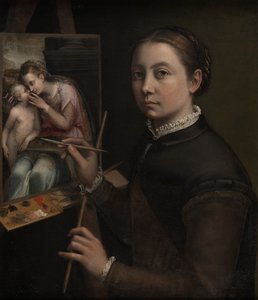
Sofonisba Anguissola
1532 - 1625 , Italien
Kurzinfos
- Artistic Movement Or Style: Renaissance Kunst
- Artists Or Movements Influenced By This Artist: ['Michelangelo']
- Artists Who Influenced This Artist:
- Bernardino Campi
- Bernardino Gatti
- Date Of Birth: ca. 1532
- Full Name: Sofonisba Anguissola
- Nationality: Italienisch
- Notable Artworks:
- Selbstporträt am Easel
- Porträt der Künstlerinnen Schwestern beim Schachspielen
- Place Of Birth: Cremona, Italien
Ähnliche Artikel

The Enduring Legacy of Oil on Canvas: Technique, History & Aesthetic Impact
Explore the rich history & techniques of oil painting – from Renaissance masters to Impressionism. Discover pigments, layering methods, and why this timeless medium endures. Expert insights for artists & art enthusiasts.

Öl auf Leinwand: Eine historische und technische Erkundung eines zeitlosen künstlerischen Mediums
Entdecken Sie die faszinierende Welt der Ölmalerei! Von historischen Techniken bis zur modernen Anwendung – wir bieten Expertenwissen, Restaurierungstipps und hochwertige Reproduktionen. Jetzt informieren!

The Enduring Power of Painting: A Historical & Contemporary Exploration of Form and Emotion
Explore the rich history & enduring techniques of oil painting with ArtsDot. Discover masterpieces, learn about art collecting, and find authentic handmade reproductions crafted by skilled artists.

Das bleibende Erbe der Ölmalerei: Technik, Geschichte und zeitgenössische Praxis
Entdecken Sie die faszinierende Geschichte der Ölmalerei – von den frühen Techniken bis zur modernen Kunst. Expertenwissen, detaillierte Analysen und Inspiration für Sammler & Kunstliebhaber.
Verkaufen Sie Ihr digitales Bild als handgemalte Öl‑Reproduktion – Museum‑Qualität, automatisierte Preisberechnung und hohe Gewinnmarge!
Entdecken Sie die Kunst des Handgemalten Öl‑Reproduktionen von ArtsDot – museum‑qualitativ, mit automatisierter Preisberechnung und 100 % Zufriedenheitsgarantie. Vertrauen Sie unserem Expertennetzwerk für NFT‑Sammler, um Ihr digitales Bild in ein zeitloses Erbe zu verwandeln.