

 Vorschau anzeigen
 Versenden
 Teilen
 Details anzeigen

 Herunterladen
 Ähnliche Objekte
 Röntgenaufnahme
 Diashow
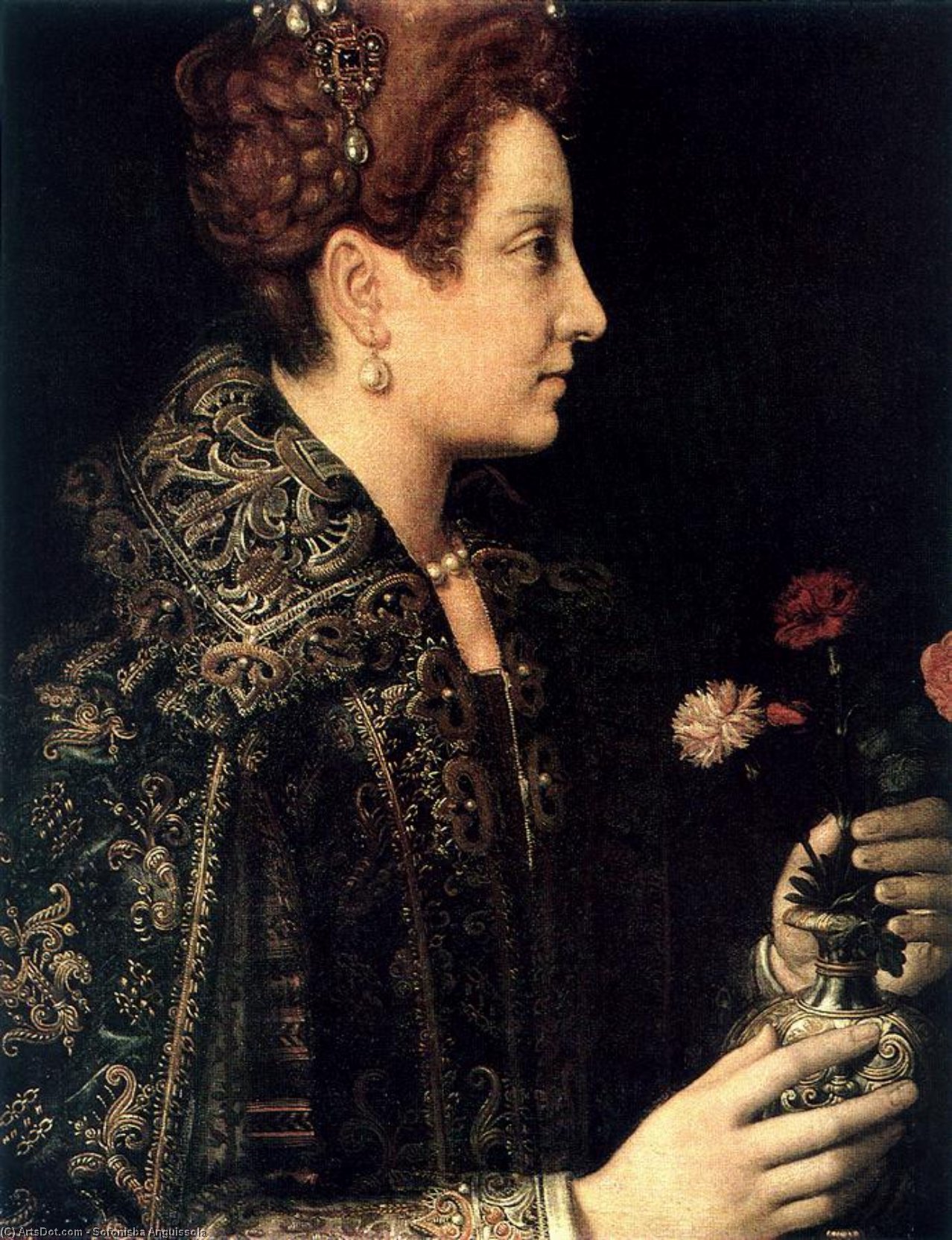
Profile Portrait of a Young Woman
 Oil On Canvas
- WallArt
- Renaissance
 68.0 x 52.0 cm
 Eremitage Museum
 Weiterlesen
Giclée / Kunstdruck
Giclée- oder Leinwanddruck in Museumsqualität mit schneller Produktion und flexiblen Veredelungsoptionen. ( Handgemalte Reproduktion bestellen Bild kaufen)




P118B $10

P118H $10

P118W $10

P438Z $10

P508JH $12

P508YH $12

P805H $10

P805Z $10

P919BZ $10

P919G $10

P919XJ $10

P959ZH $10

P968JZ $12

W106C $8

W218G $10

W218JH $8

W218Y $10

W307PJ $10

W316G $10

W316PJ $8

W316Y $10

W398PJ $8

W4111J $10

W500HY $15

W500JH $15

W692G $12

W849H $8

W940BG $15

W953PJ $8




Wählen Sie aus unseren vordefinierten Formaten, die den ursprünglichen Proportionen des Kunstwerks entsprechen.

Sie können Ihre eigenen Maße eingeben, um ein bestimmtes Format oder einen speziellen Platz einzupassen. Wenn das von Ihnen gewählte Format nicht den Proportionen des Originalbildes entspricht, werden wir das Kunstwerk entweder beschneiden oder das Bild mit einem gespiegelten oder einfarbigen Rand erweitern. Ein digitaler Entwurf wird Ihnen zur Genehmigung zugesandt, bevor die Produktion beginnt.
Bitte beachten Sie, dass die Vorschau auf dem Bildschirm nicht den tatsächlichen Zuschnitt oder die Erweiterung widerspiegelt. Nur der Entwurf zeigt die endgültige Komposition präzise an.
Obwohl Sondermaße verfügbar sind, empfehlen wir die Auswahl eines Maßes aus der vordefinierten Liste, um die ursprünglichen Proportionen zu bewahren.
Weltweiter Versand () innerhalb von 2 Wochen statt der üblichen 4/5 Wochen. (21 August)

Kostenloser weltweiter Expressversand

Hochwertige Leinenleinwand

Umfassender Versicherungsschutz beim Versand

Zollgebühren-Rückerstattungsgarantie

Garantie für exakte Farbtreue

60 Tage Rückgaberecht (nur bei Mängeln)

100% Geld-zurück-Garantie

Mengenrabatt verfügbar
 Die Glasoption ist nur für Größen unter 110 cm verfügbar.

Profile Portrait of a Young Woman
Giclée / Kunstdruck
Format der Reproduktion
-


Gesamtpreis
$ 62
Sammlerstück-Beschreibung
Profile Portrait of a Young Woman – A Renaissance Revelation
Sofonisba Anguissola’s “Profile Portrait of a Young Woman,” painted circa 1556, is more than just a likeness; it's a pivotal moment in art history—a defiant assertion of female agency within the rigidly defined world of Renaissance portraiture. Measuring a modest 68 x 52 cm and currently residing at the Hermitage Museum in St. Petersburg, this oil-on-canvas work transcends its diminutive size to deliver an arresting image of youthful beauty and quiet confidence. The painting immediately draws the eye with the subject’s striking red hair, cascading down her shoulders in a vibrant contrast against the rich, dark fabric of her dress. Her gaze is direct, intelligent, and subtly alluring—a quality rarely afforded to female subjects in art of this era.
Anguissola's genius lies not merely in capturing physical appearance but in imbuing the portrait with a palpable sense of personality. The delicate handling of the fabric, the subtle modeling of her face, and the precise rendering of her hands holding the flowers—a gesture both graceful and intimate—speak volumes about her artistic skill and observational acuity. The painting’s composition is deceptively simple: a profile view emphasizing the subject's features, yet it’s within this restraint that Anguissola achieves remarkable depth. The background remains deliberately muted, allowing the viewer to focus entirely on the young woman herself, reinforcing the portrait’s intimate and personal nature.
Breaking Barriers: Sofonisba Anguissola’s Pioneering Role
To fully appreciate “Profile Portrait of a Young Woman,” it's crucial to understand the extraordinary circumstances surrounding its creation. Sofonisba Anguissola was a true pioneer, a woman who shattered societal expectations and carved out a successful career as an artist in a period when such opportunities were almost exclusively reserved for men. Born into a relatively modest noble family in Cremona—her father, Amilcare Anguissola, recognized her exceptional talent and provided her with an unusually comprehensive education encompassing Latin, music, and crucially, drawing – she defied convention by insisting on being painted *from life*. This radical decision, documented in the inscription on the painting itself (“Sofonisba Angussola Virgin daughter of Amilcare painted from life her three sisters and a maid 1555”), was unprecedented and established a powerful precedent for future female artists.
Her journey to prominence involved travel to Rome and Milan, where she gained recognition for her artistic abilities. She later served as a court painter to Queen Elizabeth of Valois in Spain, adapting her style to meet the formal demands of official portraiture while retaining her distinctive approach. This position afforded her unparalleled access and influence, allowing her to challenge established norms and demonstrate her talent on a grand scale. Anguissola’s success wasn't merely about technical skill; it was about asserting her presence as an artist—a woman capable of creating works of beauty and sophistication.
Symbolism and Artistic Technique
The painting’s symbolism is subtle yet layered. The flowers held in the young woman’s hand are not simply decorative elements; they represent fertility, beauty, and innocence – qualities highly valued during the Renaissance. Her profile view itself—a common technique at the time—was often used to emphasize dignity and composure, particularly in portraits of nobility. Anguissola masterfully employs *sfumato*, a subtle blurring of lines and edges that creates an atmospheric effect and softens the contours of her face, lending it a sense of ethereal beauty.
The painting’s technical execution is characterized by a remarkable attention to detail—from the delicate texture of her hair to the intricate folds of her dress. Anguissola's use of color is restrained yet effective, creating a harmonious and balanced composition. The muted palette—dominated by browns, greens, and golds—enhances the portrait’s sense of intimacy and timelessness. The painting demonstrates a keen understanding of light and shadow, which adds depth and volume to her features.
A Legacy of Innovation
“Profile Portrait of a Young Woman” stands as a testament to Sofonisba Anguissola's artistic genius and her unwavering determination to break down barriers. It’s a poignant reminder of a woman who defied societal expectations, embraced her talent, and left an indelible mark on the history of art. Reproductions of this captivating portrait offer a unique opportunity to experience the beauty and sophistication of Renaissance painting while celebrating the legacy of a truly remarkable artist. ArtsDot offers meticulously crafted hand-painted reproductions that faithfully capture the essence of Anguissola’s masterpiece, allowing you to bring this iconic image into your home or office with confidence and pride.
Ähnliche Kunstwerke
Über den Künstler
Sofonisba Anguissola: Eine Renaissance Pionierin
Frühes Leben und Ausbildung
- Geboren in Cremona, Italien, um 1532, stammte Sofonisba Anguissola aus einer adligen, aber nicht wohlhabenden Familie. Ihr Vater, Amilcare Anguissola, erkannte das künstlerische Talent seiner Töchter – Sofonisba, Elena, Lucia und Europa – und ermöglichte ihnen eine ungewöhnliche Ausbildung für Frauen dieser Zeit.
- Eine progressive Erziehung: Die Schwestern erhielten eine umfassende humanistische Bildung, einschließlich Latein, Musik und Zeichnen. Dies war größtenteils auf die Überzeugung ihres Vaters zurückzuführen, dass er seinen Töchtern Möglichkeiten bieten wollte, die typischerweise Männern vorbehalten waren.
- Im Jahr 1546 begannen Sofonisba und Elena eine formale künstlerische Ausbildung unter Bernardino Campi, einem angesehenen lokalen Maler. Als Campi umzog, setzten sie ihre Studien mit Bernardino Gatti (Il Sajarolo) rund um 1550 fort. Diese Lehre war bahnbrechend und legte den Grundstein für die Akzeptanz von Frauen als Kunststudentinnen.
Künstlerische Entwicklung und Stil
- Anguissolas frühe Arbeit konzentrierte sich auf Porträts ihrer Familie, die durch Intimität, Realismus und psychologische Einsicht gekennzeichnet waren. Diese Gemälde waren nicht nur Abbildungen, sondern erfassten die Persönlichkeiten und Beziehungen innerhalb ihrer Familie.
- Ihr Stil entwickelte sich von den Einflüssen der lombardischen Manierismen hin zu einem raffinierten Ansatz während ihrer Zeit in Spanien. Sie passte sich den formalen Anforderungen der Hofporträtmalerei an, behielt aber ihre Sensibilität für Charaktere.
- Wesentliche Merkmale: Ihre Gemälde sind bekannt für ihre naturalistische Darstellung von Gesichtszügen, ihre subtile Verwendung von Farbe und ihre Fähigkeit, Emotionen auszudrücken.
Karriere am spanischen Hof
- Im Jahr 1559 wurde Anguissola von Königin Elisabeth von Valois, der Gemahlin König Philipps II., nach Spanien eingeladen, als Jungfrau und Malunterrichtsassistentin zu dienen. Dies markierte einen bedeutenden Wendepunkt in ihrer Karriere.
- Sie wurde Hofmalerin und schuf Porträts der königlichen Familie und Mitglieder des spanischen Adels. Ihre Position war für eine Frau dieser Zeit äußerst ungewöhnlich.
- Nach dem Tod Königin Elisabeths vermittelte Philipp II. Anguissolas Heirat mit Fabrizio Moncada im Jahr 1573, die es ihr ermöglichte, weiterhin zu malen und gleichzeitig einen nobles Stand zu bewahren. Sie heiratete später nach Moncadas Tod erneut.
Wichtige Leistungen und bemerkenswerte Werke
- Selbstporträts: Anguissola schuf zahlreiche Selbstporträts, die ihre Fähigkeiten demonstrierten und ihre Identität als weibliche Künstlerin behaupteten. „Selbstporträt am Easel“ (1556) ist besonders berühmt.
- „Porträt der Künstlerinnen Schwestern beim Schachspielen“ (ca. 1555) demonstriert ihre Fähigkeit, natürliche Interaktionen und individuelle Persönlichkeiten innerhalb einer Familiengruppe einzufangen.
- „Porträt von Bianca Ponzoni Anguissola“ (ihre Mutter) veranschaulicht ihre sensible Darstellung weiblicher Sujets.
- Ihr Werk stellte konventionelle künstlerische Normen in Frage und öffnete Türen für andere Frauenkünstlerinnen.
Einflüsse und Vermächtnis
- Anguissola war von der lombardischen Malerschule beeinflusst, insbesondere durch die Werke von Bernardino Campi und Bernardino Gatti.
- Sie wiederum beeinflusste nachfolgende Generationen von Frauenkünstlerinnen und bewies, dass Frauen in einem traditionell männlich dominierten Feld Erfolg und Anerkennung erlangen konnten.
- Historische Bedeutung: Sofonisbas Karriere war zu ihrer Zeit bemerkenswert. Sie brach Barrieren, erlangte internationale Anerkennung und hinterließ ein Vermächtnis als eine der wichtigsten weiblichen Künstlerinnen der Renaissance. Ihr Werk wird bis heute für seine künstlerische Leistung und historische Bedeutung gefeiert.
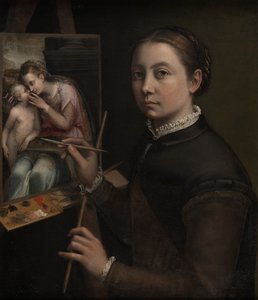
Sofonisba Anguissola
1532 - 1625 , Italien
Kurzinfos
- Artistic Movement Or Style: Renaissance Kunst
- Artists Or Movements Influenced By This Artist: ['Michelangelo']
- Artists Who Influenced This Artist:
- Bernardino Campi
- Bernardino Gatti
- Date Of Birth: ca. 1532
- Full Name: Sofonisba Anguissola
- Nationality: Italienisch
- Notable Artworks:
- Selbstporträt am Easel
- Porträt der Künstlerinnen Schwestern beim Schachspielen
- Place Of Birth: Cremona, Italien
Ähnliche Artikel

The Enduring Legacy of Oil on Canvas: Technique, History & Aesthetic Impact
Explore the rich history & techniques of oil painting – from Renaissance masters to Impressionism. Discover pigments, layering methods, and why this timeless medium endures. Expert insights for artists & art enthusiasts.

Öl auf Leinwand: Eine historische und technische Erkundung eines zeitlosen künstlerischen Mediums
Entdecken Sie die faszinierende Welt der Ölmalerei! Von historischen Techniken bis zur modernen Anwendung – wir bieten Expertenwissen, Restaurierungstipps und hochwertige Reproduktionen. Jetzt informieren!

Das bleibende Erbe der Ölmalerei: Technik, Geschichte und zeitgenössische Praxis
Entdecken Sie die faszinierende Geschichte der Ölmalerei – von den frühen Techniken bis zur modernen Kunst. Expertenwissen, detaillierte Analysen und Inspiration für Sammler & Kunstliebhaber.
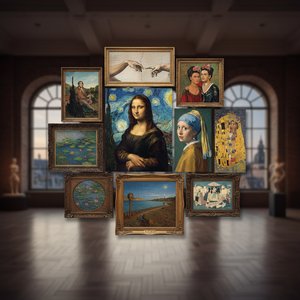
Öl auf Leinwand: Die 10 Meisterwerke, die Kunst für immer veränderten |
Entdecken Sie die 10 legendärsten Öl auf Leinwand Meisterwerke! Von Van Gogh bis Monet – erfahren Sie die Geschichten hinter ikonischen Gemälden und lassen Sie sich von Kunstgeschichte inspirieren. Hochwertige Reproduktionen für Ihr Zuhause finden Sie auf .

The Enduring Power of Painting: A Historical & Contemporary Exploration of Form and Emotion
Explore the rich history & enduring techniques of oil painting with ArtsDot. Discover masterpieces, learn about art collecting, and find authentic handmade reproductions crafted by skilled artists.

