

 Vorschau anzeigen
 Versenden
 Teilen
 Details anzeigen

 Herunterladen
 Ähnliche Objekte
 Röntgenaufnahme
 Diashow
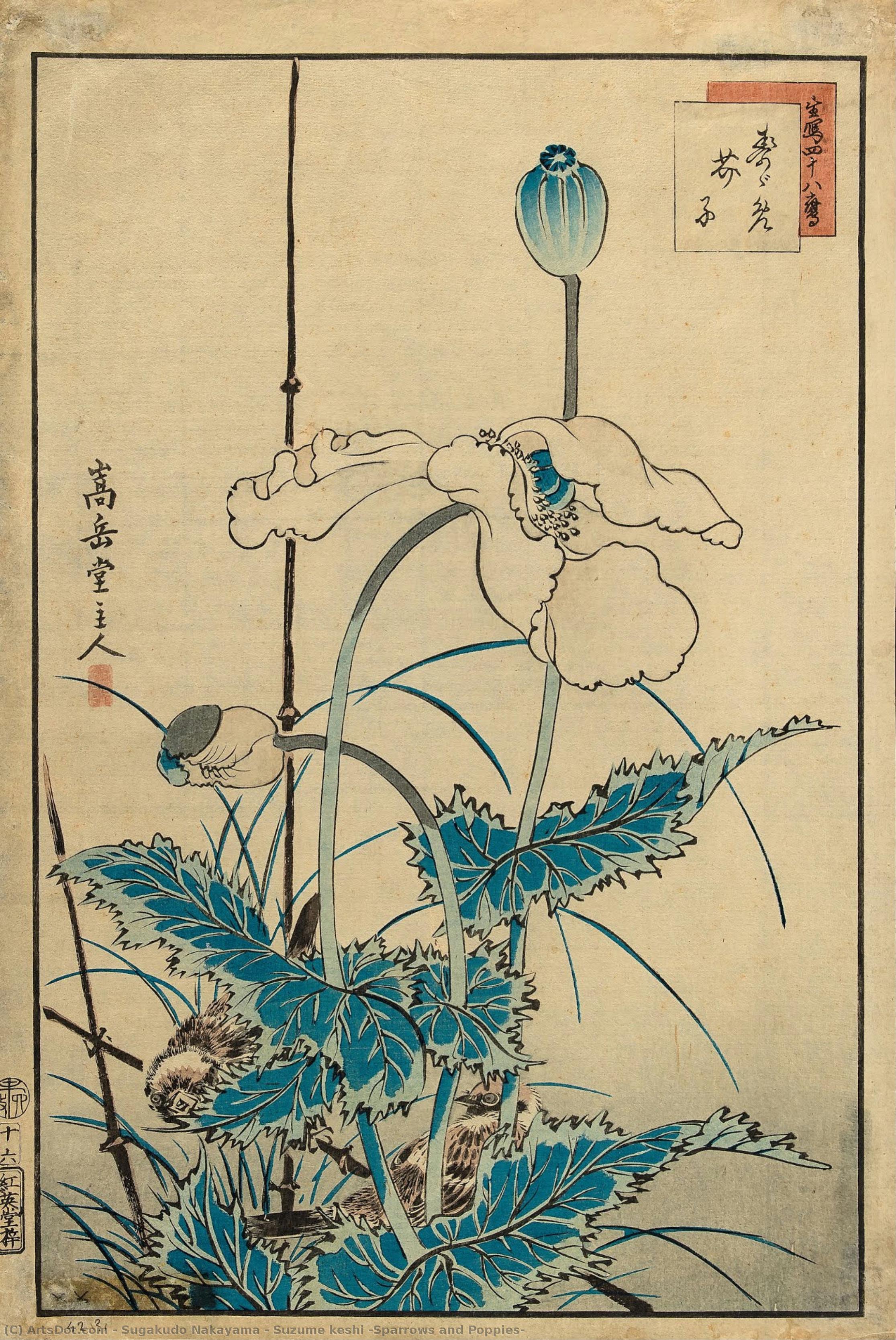
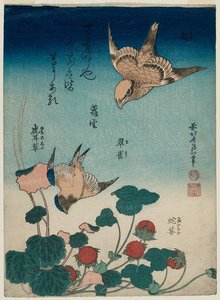
Suzume keshi (Sparrows and Poppies)

 Weiterlesen
Erwerben Sie ein hochauflösendes, optimiertes digitales Bild, das der Online-Vorschau weit überlegen ist.
Jede Datei wird von unseren hauseigenen Spezialisten mit modernsten Werkzeugen und fachmännischer manueller Retusche sorgfältig vorbereitet. Wir stellen sicher, dass jedes Bild eine außergewöhnliche Klarheit, präzise Farbgenauigkeit und feinste Details aufweist.
Die endgültige Datei wird innerhalb von 72 Stunden per E-Mail zugestellt und ist für den sofortigen Einsatz in professionellen, redaktionellen und Druckumgebungen optimiert. Es handelt sich um dieselbe Qualität, der führende Designstudios, Verlage und Galerien vertrauen.
Digitales Bild
Laden Sie eine hochauflösende Datei für die persönliche Präsentation, den Druck und kreative Projekte herunter. ( Druck bestellen Handgemalte Reproduktion bestellen)
In jeder Bestellung digitaler Bilder enthalten
Professionelle digitale Bereitstellung, garantiert
Wenn Sie sich für ArtsDot.com entscheiden, erhalten Sie nicht nur ein Bild – Sie erhalten ein professionell aufbereitetes digitales Kunstwerk, das mit höchster Präzision erstellt und durch eine Zufriedenheitsgarantie abgesichert wird. Hier ist alles, was automatisch mit Ihrer Bestellung geliefert wird:

Schnelle E-Mail-Zustellung
Ihre hochauflösende digitale Bilddatei wird Ihnen innerhalb von 72 Stunden nach der Bestellung per E-Mail zugestellt – bereit zur sofortigen Verwendung.

KI-optimierte digitale Datei
Ihre Kunstwerke werden professionell mithilfe fortschrittlicher KI-Tools und manueller Bearbeitung optimiert, um maximale Detailtreue, Klarheit und Farbgenauigkeit zu gewährleisten.

Lebenslanger kostenloser Neudruckservice
Datei versehentlich gelöscht oder verloren? Keine Sorge – wir senden sie Ihnen jederzeit kostenlos erneut zu.

Keine Einfuhrgebühren – jemals
Genießen Sie Ihr Kunstwerk sofort ohne Zollgebühren, Einfuhrabgaben oder Versandkosten – digitale Downloads sind immer steuerfrei.

Garantierte Farbtreue
Wir garantieren, dass Ihr digitales Bild mithilfe professioneller Werkzeuge und Farbmanagement die Originalfarben so präzise wie möglich wiedergibt.

60-Tage-Zufriedenheitsgarantie
Sollten Sie mit Ihrem digitalen Bild nicht zufrieden sein, werden wir es überarbeiten oder Ihnen innerhalb von 60 Tagen 100% erstatten – ohne Wenn und Aber.

100% Geld-zurück-Garantie
Nicht zufrieden? Erhalten Sie innerhalb von 60 Tagen nach Erhalt Ihrer digitalen Datei eine vollständige Rückerstattung – ohne Angabe von Gründen.

Rabatte bei Großbestellungen
3 Bilder kaufen, 10% sparen – 5 Bilder kaufen, 15% sparen – Ab 10 Bildern 20% sparen. Ideal für kreative Projekte, Galerien und Agenturen.
Ähnliche Kunstwerke


Biografie des Künstlers
Sugakudo Nakayama: The Delicate Hand of Nature’s Echoes
Sugakudo Nakayama (c. 1850 – after 1860), a name perhaps less familiar than his master Hiroshige, stands as a quietly significant figure within the vibrant tapestry of Edo-period Japanese woodblock prints, specifically the celebrated genre of *kacho-e* – bird and flower art. Born into a world undergoing rapid transformation, Nakayama’s artistic journey was deeply intertwined with the currents of modernization sweeping through Japan, yet he steadfastly maintained a commitment to the traditional aesthetics and meticulous techniques that defined his era. His legacy resides primarily in his exquisite depictions of nature, imbued with a remarkable sensitivity to detail and a profound appreciation for the ephemeral beauty of the natural world.
Nakayama’s artistic lineage is firmly rooted in Hiroshige I (1797-1858), one of the most influential artists of the *Ukiyo-e* movement. He apprenticed under Hiroshige, absorbing not only the technical mastery required for woodblock printing but also a fundamental approach to capturing atmospheric perspective and conveying the essence of landscapes. However, while Hiroshige often focused on dramatic cityscapes and riverscapes, Nakayama’s work leaned heavily into the intimate portrayal of birds and flowers – a niche that would become his hallmark. This specialization suggests a deliberate choice, perhaps reflecting a personal inclination towards the delicate beauty he sought to render.
The Flowering of *Kacho-e*: A Masterclass in Detail
Nakayama’s most celebrated achievement is undoubtedly his series ‘Exact Reproductions of Forty-Eight Birds’ (1858) and ‘Birds and Flowers of the Four Seasons’ (1861). These works represent a pinnacle of *kacho-e* artistry, showcasing an unparalleled level of realism and technical skill. Each print is a testament to Nakayama's dedication to observation; he meticulously studied the plumage of birds, the textures of petals, and the subtle variations in light and shadow. The process itself was incredibly demanding – requiring not only artistic talent but also a deep understanding of woodblock printing techniques. The intricate embossing, achieved through careful carving of the blocks, adds a tactile dimension to the prints, further enhancing their visual impact.
What distinguishes Nakayama’s work from that of his contemporaries is perhaps his restraint in color. Unlike some of his peers who favored bold, saturated hues, Nakayama employed a more muted palette – primarily consisting of delicate greens, browns, and subtle pinks. This restrained approach allowed the details to shine through, creating an atmosphere of quiet contemplation and emphasizing the fragility of the natural subjects depicted. The use of Prussian blue, a relatively new pigment at the time, contributed significantly to the prints’ atmospheric depth and luminosity.
Symbolism and the Language of Flowers
As with many *kacho-e* artists of his era, Nakayama's work is rich in symbolic meaning. Each bird and flower was carefully chosen not merely for its aesthetic qualities but also for its association with specific virtues or emotions. For instance, the Japanese macchia (a type of flowering shrub) often symbolized longevity and good fortune, while certain birds represented themes of courage, loyalty, or beauty. Understanding these underlying symbolic layers adds another layer of appreciation to Nakayama’s prints, revealing a deeper engagement with Japanese cultural values and beliefs.
The ‘Birds and Flowers of the Four Seasons’ series is particularly noteworthy for its seasonal symbolism. Each print captures a specific moment in time – spring, summer, autumn, and winter – highlighting the cyclical nature of life and the beauty that can be found in every season. The careful selection of flora and fauna reflects the unique characteristics of each season, creating a rich tapestry of visual and symbolic meaning.
Legacy and Historical Context
Sugakudo Nakayama’s career coincided with a period of profound social and political upheaval in Japan – the Meiji Restoration (1868), which marked the end of the Tokugawa shogunate and the beginning of a new era of modernization. While many artists struggled to adapt to the changing times, Nakayama remained committed to his artistic principles, producing works that reflected both the traditions of the past and the realities of the present. His meticulous attention to detail and his unwavering dedication to capturing the beauty of nature served as a poignant reminder of Japan’s rich cultural heritage.
Although he did not achieve the same level of widespread fame as Hiroshige or Hokusai, Nakayama's work continues to be appreciated for its exquisite craftsmanship, delicate artistry, and profound connection to the natural world. His ‘Exact Reproductions of Forty-Eight Birds’ and ‘Birds and Flowers of the Four Seasons’ remain treasured examples of *kacho-e* art, offering a glimpse into the artistic sensibilities of a remarkable artist who quietly left an enduring mark on Japanese art history.
sugakudo nakayama
Japan
Kurzinfos
- Artistic Movement Or Style: Ukiyo-e (Kacho-e)
- Artists Who Influenced This Artist: ['Hiroshige']
- Full Name: Sugakudo Nakayama
- Nationality: Japanese
- Notable Artworks:
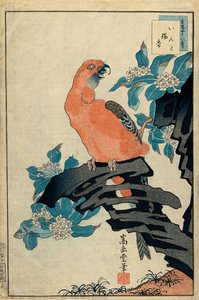
- Suzume keshi
- Chicks, Bees and Tsuwabuki
- Inko mizuka
- Place Of Birth: Japan

