

 Vorschau anzeigen
 Versenden
 Teilen
 Details anzeigen

 Herunterladen
 Ähnliche Objekte
 Röntgenaufnahme
 Diashow
 Stats
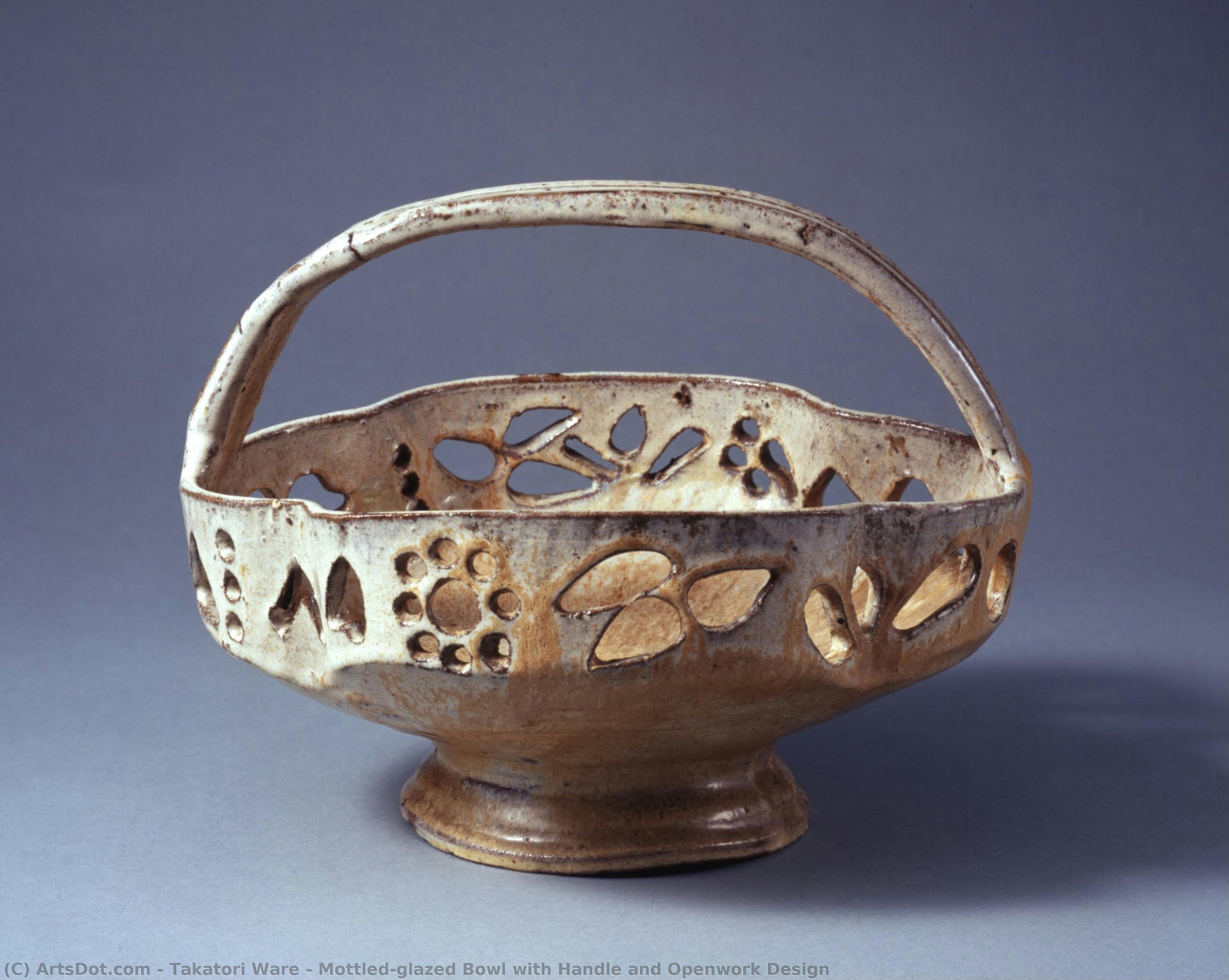
StatsMottled-glazed Bowl with Handle and Openwork Design

 Weiterlesen
Erwerben Sie ein hochauflösendes, optimiertes digitales Bild, das der Online-Vorschau weit überlegen ist.
Jede Datei wird von unseren hauseigenen Spezialisten mit modernsten Werkzeugen und fachmännischer manueller Retusche sorgfältig vorbereitet. Wir stellen sicher, dass jedes Bild eine außergewöhnliche Klarheit, präzise Farbgenauigkeit und feinste Details aufweist.
Die endgültige Datei wird innerhalb von 72 Stunden per E-Mail zugestellt und ist für den sofortigen Einsatz in professionellen, redaktionellen und Druckumgebungen optimiert. Es handelt sich um dieselbe Qualität, der führende Designstudios, Verlage und Galerien vertrauen.
Digitales Bild
Laden Sie eine hochauflösende Datei für die persönliche Präsentation, den Druck und kreative Projekte herunter. ( Switch to Print Handgemalte Reproduktion bestellen)
In jeder Bestellung digitaler Bilder enthalten
Professionelle digitale Bereitstellung, garantiert
Wenn Sie sich für ArtsDot.com entscheiden, erhalten Sie nicht nur ein Bild – Sie erhalten ein professionell aufbereitetes digitales Kunstwerk, das mit höchster Präzision erstellt und durch eine Zufriedenheitsgarantie abgesichert wird. Hier ist alles, was automatisch mit Ihrer Bestellung geliefert wird:

Schnelle E-Mail-Zustellung
Ihre hochauflösende digitale Bilddatei wird Ihnen innerhalb von 72 Stunden nach der Bestellung per E-Mail zugestellt – bereit zur sofortigen Verwendung.

KI-optimierte digitale Datei
Ihre Kunstwerke werden professionell mithilfe fortschrittlicher KI-Tools und manueller Bearbeitung optimiert, um maximale Detailtreue, Klarheit und Farbgenauigkeit zu gewährleisten.

Lebenslanger kostenloser Neudruckservice
Datei versehentlich gelöscht oder verloren? Keine Sorge – wir senden sie Ihnen jederzeit kostenlos erneut zu.

Keine Einfuhrgebühren – jemals
Genießen Sie Ihr Kunstwerk sofort ohne Zollgebühren, Einfuhrabgaben oder Versandkosten – digitale Downloads sind immer steuerfrei.

Garantierte Farbtreue
Wir garantieren, dass Ihr digitales Bild mithilfe professioneller Werkzeuge und Farbmanagement die Originalfarben so präzise wie möglich wiedergibt.

100-Tage-Zufriedenheitsgarantie
Wenn Sie mit Ihrem digitalen Bild nicht zufrieden sind, werden wir es überarbeiten oder 100% innerhalb von 100 Tagen erstatten – ohne Wenn und Aber.

100% Geld-zurück-Garantie
Nicht zufrieden? Erhalten Sie innerhalb von 100 Tagen nach Erhalt Ihrer digitalen Datei eine vollständige Rückerstattung – ohne Wenn und Aber.

Rabatte bei Großbestellungen
3 Bilder kaufen, 10% sparen – 5 Bilder kaufen, 15% sparen – Ab 10 Bildern 20% sparen. Ideal für kreative Projekte, Galerien und Agenturen.
Ähnliche Kunstwerke










Biografie des Künstlers
The Soul of the Kiln: The Legacy of Takatori Ware
Takatori ware stands as a singular testament to Japan’s artistic heritage—a ceramic tradition born from Korean craftsmanship, nurtured by feudal patronage, and refined into an emblem of elegance and understated beauty. Its story unfolds across centuries, interwoven with tales of migration, innovation, and the enduring pursuit of kirei-sabi, or rustic simplicity, a philosophy championed by tea master Kobori Enshū that continues to inspire artisans today. The essence of this stoneware lies in its ability to bridge the gap between the rugged utility of early Korean techniques and the sophisticated aesthetic demands of the Japanese tea ceremony.
The tale begins in 1609 when Kuroda Nagamasa, victor of Sekigahara and ruler of Chikuzen Province, invited Hachizan, a Korean potter renowned for his mastery of stoneware techniques, to establish a kiln at Mt. Takatori—the very site that would bear the potter’s name. This influx of Korean expertise marked a pivotal moment, introducing new firing methods and aesthetic sensibilities into Japan’s ceramic landscape. The initial kilns produced utilitarian wares—bowls and plates—primarily utilizing dark clay and simple ash glazes reflecting the pragmatic spirit of the era.
A Synthesis of Tradition and Innovation
Recognizing the potential for greater productivity, Hachizan relocated his workshop to Uchigaso in 1614. This move coincided with Kuroda Nagamasa’s decision to appoint Enshū as his advisor—a partnership that profoundly shaped Takatori ware's artistic trajectory. Under Enshū’s guidance, the craft moved beyond mere utility toward a deliberate artistic expression. The potter perfected styles characterized by intentionally irregular shapes and textures, a bold departure from earlier forms, embracing techniques that emphasized subtle variations in glaze color and surface sheen.
This stylistic hallmark embodies the spirit of kirei-sabi, prioritizing natural beauty over meticulous ornamentation. One can observe this mastery in pieces such as mottled-glazed bowls, where a straw-colored glaze covers the form, revealing subtle changes that highlight a light yellowish-brown color distinctive to straw ash glaze. These works often feature complex decorative elements like openwork motifs representing the seven stars of the Big Dipper, bamboo leaves, or gourds, all rendered with a sense of balanced asymmetry that honors the organic nature of the clay.
Evolution and Historical Significance
Following the death of Hachizan, his son Hachirōemon continued the Takatori tradition, establishing a second kiln at Tsuzumi. This period witnessed a flourishing of the craft as it expanded its horizons. Over the course of the seventeenth century, the site of Takatori production moved several times, eventually settling in the Nishijin area west of the Kuroda castle in Fukuoka. By the nineteenth century, the Takatori style had earned its place among the Seven Famous Kilns of Enshū, a prestigious designation that solidified its reputation for creating wares specifically tailored to the refined preferences of tea ceremony masters.
The historical significance of Takatori ware extends beyond its physical beauty; it represents a cultural fusion. The lineage of the craft is also deeply connected to the development of Koishiwara ware (formerly known as Nakano ware). In 1682, the relocation of the Korean-founded Takatori workshop to nearby Tsuzumi led to the birth of pottery in Koishiwara, demonstrating how the movement of artisans and the patronage of the Kuroda lords acted as a catalyst for regional ceramic evolution. Today, Takatori ware remains a vital part of Japan’s ceramic heritage, embodying a timeless dialogue between earth, fire, and the human spirit.
takatori ware
Japan
Kurzinfos
- Artistic Movement Or Style: Traditional Japanese kiln
- Artists Or Movements Influenced By This Artist: ['Kobori Enshū']
- Artists Who Influenced This Artist: ['Korean potters']
- Full Name: Takatori ware
- Nationality: Japanese
- Notable Artworks: ['Mottled-glazed Bowl with Handle and Openwork Design']
- Place Of Birth: Japan