

 Vorschau anzeigen
 Versenden
 Teilen
 Details anzeigen

 Herunterladen
 Ähnliche Objekte
 Röntgenaufnahme
 Diashow
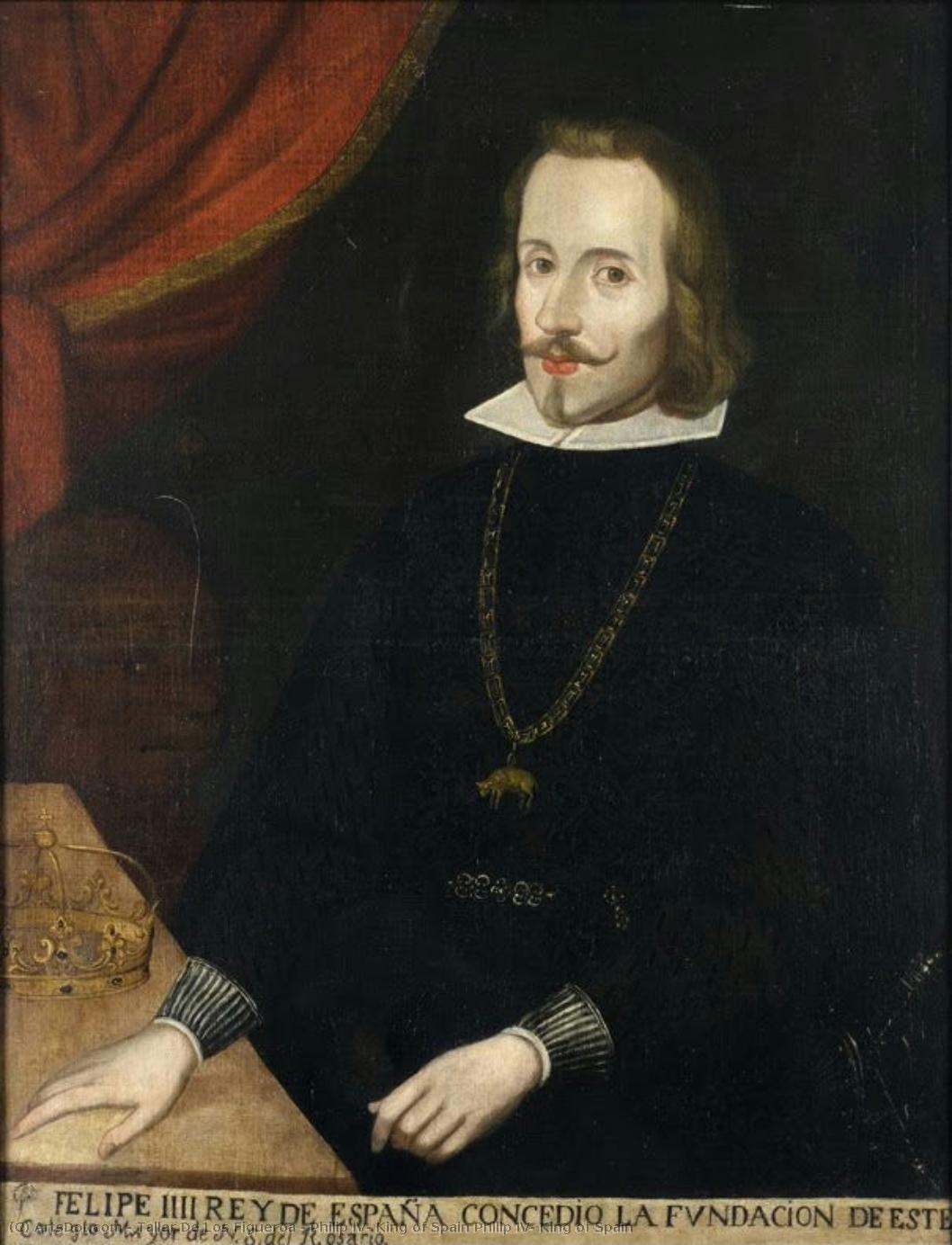
Philip IV, King of Spain Philip IV, King of Spain


 Weiterlesen
Erwerben Sie ein hochauflösendes, optimiertes digitales Bild, das der Online-Vorschau weit überlegen ist.
Jede Datei wird von unseren hauseigenen Spezialisten mit modernsten Werkzeugen und fachmännischer manueller Retusche sorgfältig vorbereitet. Wir stellen sicher, dass jedes Bild eine außergewöhnliche Klarheit, präzise Farbgenauigkeit und feinste Details aufweist.
Die endgültige Datei wird innerhalb von 72 Stunden per E-Mail zugestellt und ist für den sofortigen Einsatz in professionellen, redaktionellen und Druckumgebungen optimiert. Es handelt sich um dieselbe Qualität, der führende Designstudios, Verlage und Galerien vertrauen.
Digitales Bild
Laden Sie eine hochauflösende Datei für die persönliche Präsentation, den Druck und kreative Projekte herunter. ( Druck bestellen Handgemalte Reproduktion bestellen)
In jeder Bestellung digitaler Bilder enthalten
Professionelle digitale Bereitstellung, garantiert
Wenn Sie sich für ArtsDot.com entscheiden, erhalten Sie nicht nur ein Bild – Sie erhalten ein professionell aufbereitetes digitales Kunstwerk, das mit höchster Präzision erstellt und durch eine Zufriedenheitsgarantie abgesichert wird. Hier ist alles, was automatisch mit Ihrer Bestellung geliefert wird:

Schnelle E-Mail-Zustellung
Ihre hochauflösende digitale Bilddatei wird Ihnen innerhalb von 72 Stunden nach der Bestellung per E-Mail zugestellt – bereit zur sofortigen Verwendung.

KI-optimierte digitale Datei
Ihre Kunstwerke werden professionell mithilfe fortschrittlicher KI-Tools und manueller Bearbeitung optimiert, um maximale Detailtreue, Klarheit und Farbgenauigkeit zu gewährleisten.

Lebenslanger kostenloser Neudruckservice
Datei versehentlich gelöscht oder verloren? Keine Sorge – wir senden sie Ihnen jederzeit kostenlos erneut zu.

Keine Einfuhrgebühren – jemals
Genießen Sie Ihr Kunstwerk sofort ohne Zollgebühren, Einfuhrabgaben oder Versandkosten – digitale Downloads sind immer steuerfrei.

Garantierte Farbtreue
Wir garantieren, dass Ihr digitales Bild mithilfe professioneller Werkzeuge und Farbmanagement die Originalfarben so präzise wie möglich wiedergibt.

60-Tage-Zufriedenheitsgarantie
Sollten Sie mit Ihrem digitalen Bild nicht zufrieden sein, werden wir es überarbeiten oder Ihnen innerhalb von 60 Tagen 100% erstatten – ohne Wenn und Aber.

100% Geld-zurück-Garantie
Nicht zufrieden? Erhalten Sie innerhalb von 60 Tagen nach Erhalt Ihrer digitalen Datei eine vollständige Rückerstattung – ohne Angabe von Gründen.

Rabatte bei Großbestellungen
3 Bilder kaufen, 10% sparen – 5 Bilder kaufen, 15% sparen – Ab 10 Bildern 20% sparen. Ideal für kreative Projekte, Galerien und Agenturen.
Ähnliche Kunstwerke





Biografie des Künstlers
The Legacy of Taller de los Figueroa: Masters of Colonial Mexico
Nestled within the vibrant heart of colonial Mexico, the Taller de los Figueroa emerged as more than just a painting workshop; it became a crucible for artistic innovation and a cornerstone of Mexican art history. Founded in the mid-17th century by Gaspar de Figueroa, this influential collective profoundly shaped the visual landscape of New Spain, leaving behind a legacy of religious masterpieces, captivating portraits, and a distinctive Baroque style that continues to resonate today. The Taller’s story is inextricably linked to the broader cultural currents of its time – the rise of Spanish influence, the burgeoning indigenous identity, and the complex interplay between tradition and innovation.
Gaspar de Figueroa himself was a pivotal figure, a skilled artist who recognized the potential for a structured artistic environment. He established the Taller not merely as a place to produce paintings, but as an incubator where young talents could hone their craft under his guidance. His sons, Nicolás and Baltasar Vargas de Figueroa, quickly ascended to prominence within the workshop, each developing unique styles while maintaining a shared commitment to the Taller’s artistic principles. The workshop attracted other talented artists like Gregorio Vásquez de Arce y Ceballos, Fray Gregorio Carballo de la Parra, and Tomás Fernández de Heredia, creating a dynamic community of creators where ideas were exchanged and techniques refined.
A Baroque Vision: Style and Technique
The Taller de los Figueroa’s artistic style is firmly rooted in the Spanish Baroque tradition, yet it possesses a distinctly Mexican character. Influenced by masters like Francisco de Zurbarán, the workshop embraced the dramatic use of chiaroscuro – the stark contrast between light and shadow – to create a sense of depth, emotion, and spiritual intensity. Figures were often depicted in solitary contemplation, bathed in ethereal light, conveying a profound sense of piety and devotion.
However, the Taller didn’t simply replicate Spanish models; they adapted them to their own cultural context. Their paintings frequently incorporated indigenous motifs and symbolism, subtly reflecting the complex relationship between Spain and its colonial subjects. The use of color was particularly noteworthy – rich reds, blues, and golds dominated many works, creating a visually sumptuous effect that reflected the wealth and grandeur of New Spain. The meticulous attention to detail in their rendering of fabrics, textures, and facial expressions demonstrated a remarkable level of technical skill.
Notable Works and Artistic Contributions
The Taller de los Figueroa produced an extensive body of work, encompassing a wide range of subjects. Religious paintings were undoubtedly the workshop’s most significant contribution, with numerous altarpieces, retablos (wall paintings), and devotional images commissioned by churches and convents throughout New Spain. These works served not only as objects of worship but also as powerful tools for conveying religious doctrine and reinforcing the authority of the Catholic Church.
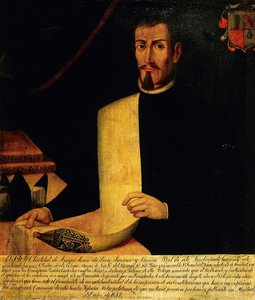
Beyond religious subjects, the Taller also produced a significant number of portraits, capturing the likenesses of prominent figures from colonial society – viceroys, magistrates, priests, and wealthy landowners. These portraits offer valuable insights into the social and political dynamics of New Spain, providing a visual record of its elite class. Notable works include “La Huida a Egipto” (The Flight into Egypt), a dramatic depiction of the biblical story, and numerous religious scenes showcasing the workshop’s technical mastery.
Historical Significance and Enduring Influence
The Taller de los Figueroa played a crucial role in shaping the development of Mexican art. It established a tradition of artistic excellence that influenced generations of painters who followed. The workshop's emphasis on religious themes, its distinctive Baroque style, and its commitment to technical skill helped to define the visual identity of colonial Mexico.
Furthermore, the Taller’s legacy extends beyond the realm of art history. It represents a complex and fascinating chapter in the story of cultural exchange between Spain and indigenous peoples – a testament to the dynamic interplay of tradition and innovation that shaped the artistic landscape of New Spain. The work continues to be studied by historians and art scholars, offering valuable insights into the social, religious, and political context of colonial Mexico.
taller de los figueroa
Colombia
Kurzinfos
- Artistic Movement Or Style: Baroque Spanish
- Artists Or Movements Influenced By This Artist:
- Gregorio Vásquez de Arce y Ceballos
- Fray Gregorio Carvallo de la Parra
- Artists Who Influenced This Artist:
- Gaspar de Figueroa
- Baltasar Vargas de Figueroa
- Full Name: Taller de los Figueroa
- Nationality: Colombian
- Notable Artworks:
- La Huida a Egipto
- Ecce Homo
- Alegoría de la Inmaculada Concepción
- Martirio de Santa Bárbara
- Place Of Birth: Bogotá, Colombia

