

 Vorschau anzeigen
 Versenden
 Teilen
 Details anzeigen

 Herunterladen
 Ähnliche Objekte
 Röntgenaufnahme
 Diashow
 Stats
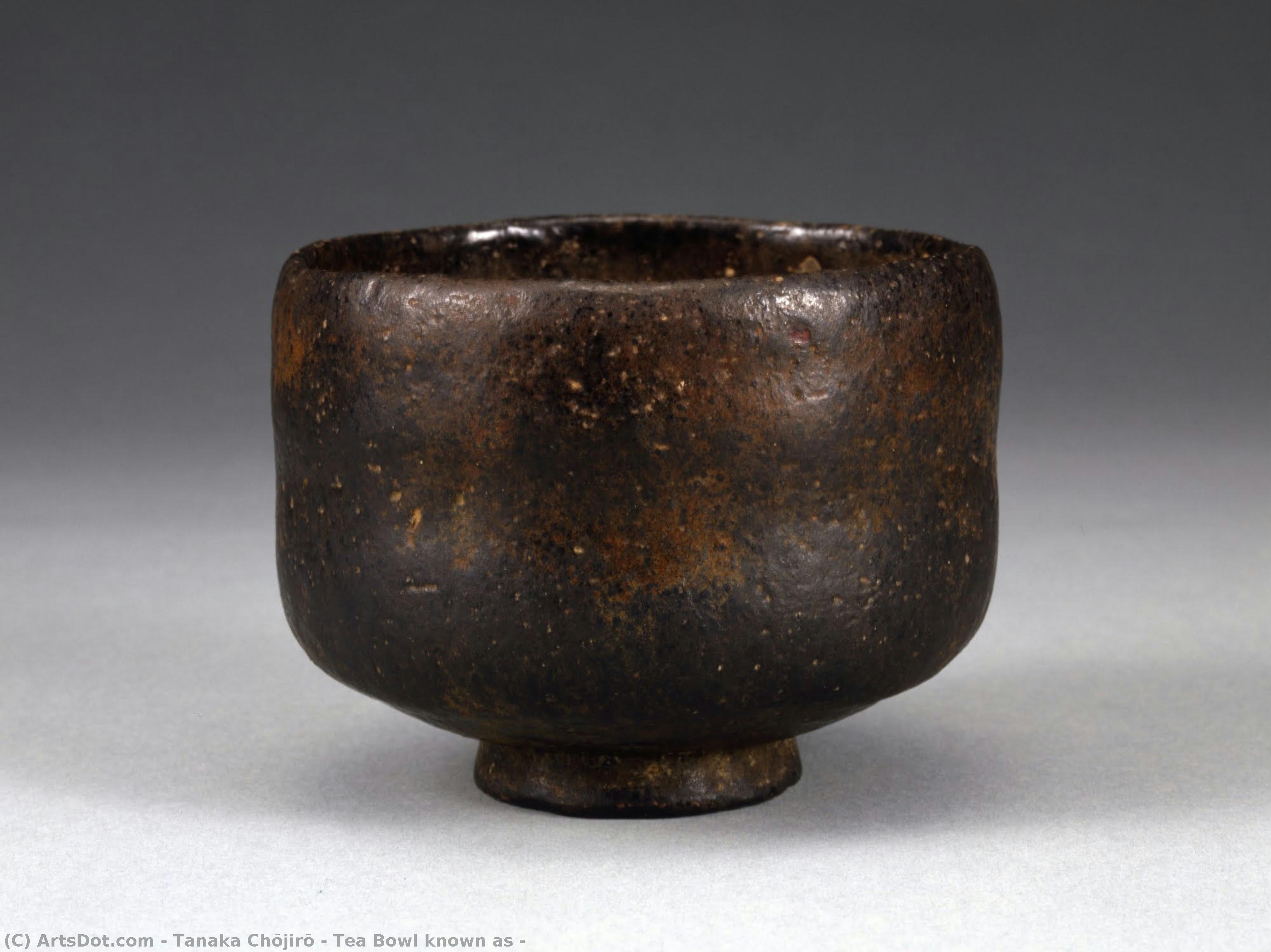
StatsTea Bowl known as

 Weiterlesen
Handgefertigte Ölreproduktion
Handgemaltes Ölgemälde auf Leinwand in Ihrer Wunschgröße und mit Rahmen, auf Bestellung von unseren Künstlern angefertigt. ( Switch to Print Switch to Digital Image)




































Wählen Sie aus unseren vordefinierten Formaten, die den ursprünglichen Proportionen des Kunstwerks entsprechen.

Sie können Ihre eigenen Maße eingeben, um einen bestimmten Rahmen oder Platz auszufüllen. Wenn die gewählte Größe nicht den Proportionen des Originalbildes entspricht, werden wir das Kunstwerk entweder beschneiden oder das Gemälde durch zusätzliche, handgemalte Elemente erweitern. Ein digitales Mockup wird Ihnen zur Genehmigung zugesandt, bevor die Produktion beginnt.
Bitte beachten Sie, dass die Bildschirmvorschau nicht die tatsächliche Beschneidung oder Erweiterung widerspiegelt. Nur das Mockup zeigt die endgültige Komposition exakt an.
Obwohl Sondermaße verfügbar sind, empfehlen wir, eine Größe aus der vordefinierten Liste zu wählen, um die ursprünglichen Proportionen beizubehalten.
Nach der Bestellung wird das ArtsDot.com-Team dem Kunden Anweisungen per E-Mail zusenden und eine Mockup-Vorschau bereitstellen.
Weltweiter Versand () in nur 3 bis 4 Wochen statt der üblichen 5 Wochen. (8 September). Keine Kompromisse bei der Qualität.

Kostenloser weltweiter Expressversand

Hochwertige Leinenleinwand

Umfassender Versicherungsschutz beim Versand

Zollgebühren-Rückerstattungsgarantie

Garantie für exakte Farbtreue

100-Tage-Rückgaberecht (nur bei Mängeln)

100% Geld-zurück-Garantie

Mengenrabatt verfügbar
 Die Glasoption ist nur für Größen unter 110 cm verfügbar.

Tea Bowl known as
Art der Reproduktion
Format der Reproduktion
-


Gesamtpreis
$ 263
Ähnliche Kunstwerke







Über den Künstler
Tanaka Chōjirō: Pioneer of Wabi Aesthetics and the Raku Tradition
Tanaka Chōjirō (長次郎) (1516 – ?1592), born in Kyoto, Japan, stands as a pivotal figure in Japanese ceramic history—the inaugural generation of the Raku family lineage. He is revered not merely for his craftsmanship but for embodying the core tenets of wabi-sabi, an aesthetic philosophy emphasizing imperfection, simplicity, and acceptance of natural aging. His legacy continues to resonate through generations of potters who uphold the traditions he established, securing his place as one of Japan’s most influential ceramic artists of the Muromachi period (1573–1603).Early Life and Influences
Chojirō's origins trace back to Fujian Province, China, where his father, Ameya, pioneered a revolutionary low-fire technique known as “Three Color Ware.” This method, characterized by its subtle gradations of glaze color—typically reddish hues—represented a departure from prevailing kiln firing methods and foreshadowed Chojiro’s own artistic explorations. Following Ameya's emigration to Japan, Chōjirō absorbed this foundational knowledge alongside the teachings of his mother, Teirin, who herself was recognized as one of the earliest practitioners of Raku ware around 1550. While Teirin’s precise birthplace remains elusive, her contribution to establishing the Raku firing process cemented Chojiro's artistic heritage. The influence of Chinese ceramic traditions profoundly shaped his understanding of form and glaze coloration—a knowledge he would skillfully translate into Japanese aesthetics.The Jurakudai Commission and Artistic Breakthrough
Chojirō gained renown during Emperor Toyotomi Hideyoshi’s reign when he was entrusted with crafting ridge tiles for his opulent Jurakudai Palace complex in Kyoto. This commission marked a significant turning point, exposing Chojiro's exceptional talent to the patronage of Japan’s most powerful ruler and propelling him into the spotlight of artistic innovation. Simultaneously, he collaborated closely with Sen no Rikyu, Hideyoshi’s celebrated tea master, who tasked him with creating teabowls—known as ima-yaki—that would embody the spirit of Chanoyu, the Japanese Tea Ceremony. Rikyu's profound influence on Chojiro’s artistic vision prioritized harmony, respect, purity, and tranquility – principles that profoundly shaped his creative output. The meticulous execution demanded by this commission honed Chōjirō’s skills and solidified his reputation as a master craftsman.The Raku Style: Minimalism and Spiritual Resonance
Chojirō’s distinctive style centered around producing simple teabowls crafted from stoneware—unwheeled and devoid of elaborate decoration—a deliberate rejection of prevailing aesthetic trends. These bowls were meticulously hand-built, prioritizing tactile qualities and subtle variations in form to reflect wabi ideals. The resulting “tunk” sound produced when placing the bowl on a table served as a reminder of its materiality and connection to the natural world. Chojiro’s masterful execution achieved remarkable results: his teabowls captivated audiences for their beauty and understated elegance, becoming emblems of Zen Buddhist philosophy. He favored black or red glazes—often applied sparingly—to achieve maximum impact with minimal embellishment. This approach mirrored the core tenets of wabi-sabi – embracing imperfection as a source of beauty and wisdom.Legacy and Continuing Tradition
Chojirō's influence extended beyond his own lifetime, establishing a lineage that continues to produce Raku ware today. His apprentice, Jokei, diligently preserved Chojiro’s techniques, ensuring the continuation of the Raku firing process for decades after Chojiro’s passing in 1598. Emperor Hideyoshi honored Jokei with a golden seal bearing the character “raku,” commemorating Chōjirō's contribution to ceramic artistry and solidifying the name "Raku" as synonymous with this distinctive style. The Raku family continues its tradition, now in the sixteenth generation, led by Kichizaemon XVI (b.1981), who embodies the enduring spirit of Chōjirō’s pioneering vision—a testament to his profound impact on Japanese art and culture. His unwavering dedication to preserving wabi aesthetics ensured that Chōjirō's legacy would endure for centuries to come.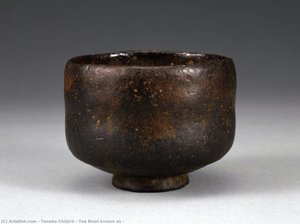
Tanaka Chōjirō
1516 - , Japan
Kurzinfos
- Artistic Movement Or Style: Raku
- Artists Or Movements Influenced By This Artist: ['Sen no Rikyu']
- Artists Who Influenced This Artist: ['Ameya']
- Date Of Birth: Kyoto, Japan (1516)
- Date Of Death: ?1592
- Full Name: Tanaka Chōjirō
- Nationality: Japanisch
- Notable Artworks: ['Jurakudai Dachstein']
- Place Of Birth: Kyoto