

 Vorschau anzeigen
 Versenden
 Teilen
 Details anzeigen

 Herunterladen
 Ähnliche Objekte
 Röntgenaufnahme
 Diashow
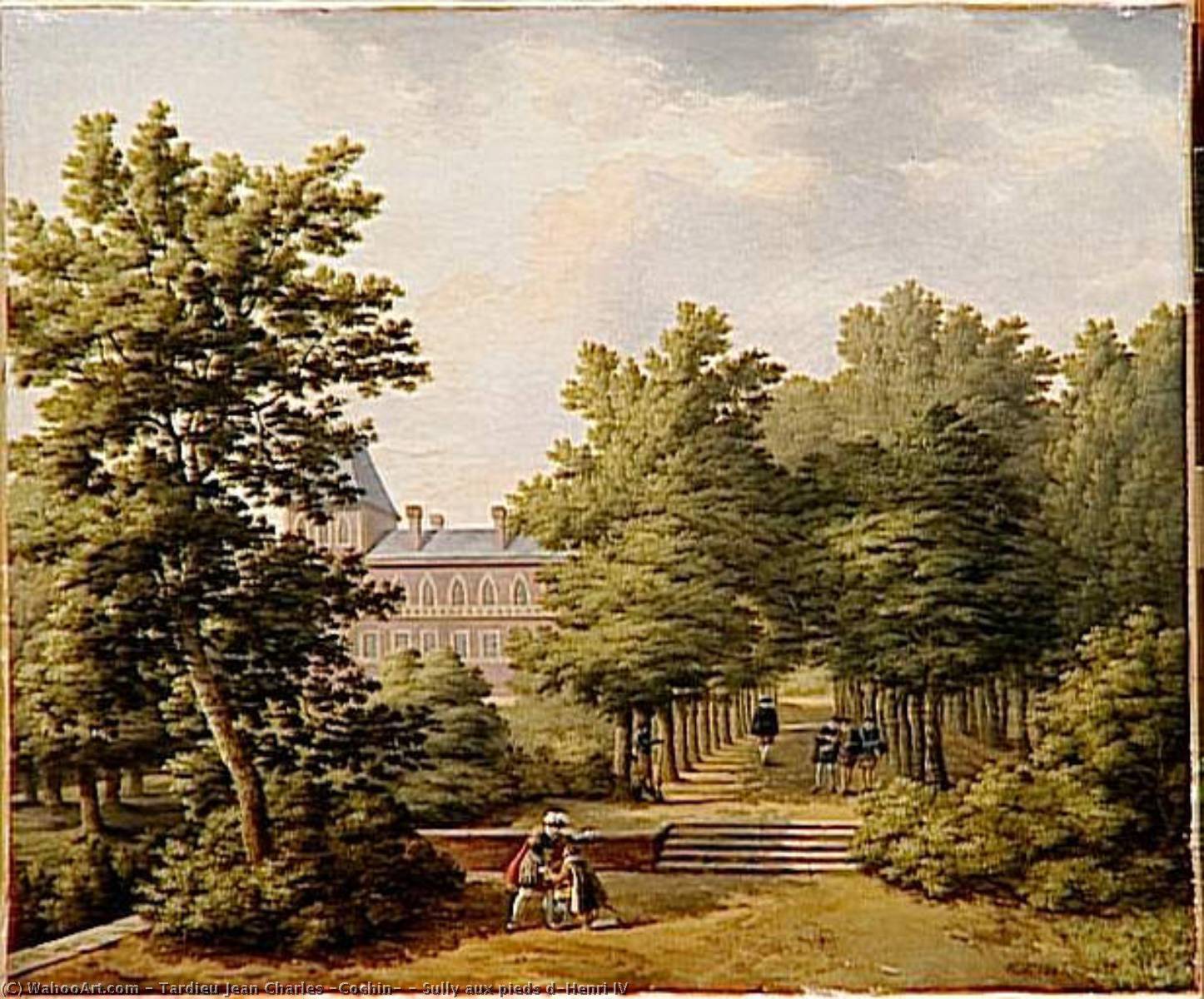
Sully aux pieds d'Henri IV
 Weiterlesen
Erwerben Sie ein hochauflösendes, optimiertes digitales Bild, das der Online-Vorschau weit überlegen ist.
Jede Datei wird von unseren hauseigenen Spezialisten mit modernsten Werkzeugen und fachmännischer manueller Retusche sorgfältig vorbereitet. Wir stellen sicher, dass jedes Bild eine außergewöhnliche Klarheit, präzise Farbgenauigkeit und feinste Details aufweist.
Die endgültige Datei wird innerhalb von 72 Stunden per E-Mail zugestellt und ist für den sofortigen Einsatz in professionellen, redaktionellen und Druckumgebungen optimiert. Es handelt sich um dieselbe Qualität, der führende Designstudios, Verlage und Galerien vertrauen.
Digitales Bild
Laden Sie eine hochauflösende Datei für die persönliche Präsentation, den Druck und kreative Projekte herunter. ( Druck bestellen Handgemalte Reproduktion bestellen)
In jeder Bestellung digitaler Bilder enthalten
Professionelle digitale Bereitstellung, garantiert
Wenn Sie sich für ArtsDot.com entscheiden, erhalten Sie nicht nur ein Bild – Sie erhalten ein professionell aufbereitetes digitales Kunstwerk, das mit höchster Präzision erstellt und durch eine Zufriedenheitsgarantie abgesichert wird. Hier ist alles, was automatisch mit Ihrer Bestellung geliefert wird:

Schnelle E-Mail-Zustellung
Ihre hochauflösende digitale Bilddatei wird Ihnen innerhalb von 72 Stunden nach der Bestellung per E-Mail zugestellt – bereit zur sofortigen Verwendung.

KI-optimierte digitale Datei
Ihre Kunstwerke werden professionell mithilfe fortschrittlicher KI-Tools und manueller Bearbeitung optimiert, um maximale Detailtreue, Klarheit und Farbgenauigkeit zu gewährleisten.

Lebenslanger kostenloser Neudruckservice
Datei versehentlich gelöscht oder verloren? Keine Sorge – wir senden sie Ihnen jederzeit kostenlos erneut zu.

Keine Einfuhrgebühren – jemals
Genießen Sie Ihr Kunstwerk sofort ohne Zollgebühren, Einfuhrabgaben oder Versandkosten – digitale Downloads sind immer steuerfrei.

Garantierte Farbtreue
Wir garantieren, dass Ihr digitales Bild mithilfe professioneller Werkzeuge und Farbmanagement die Originalfarben so präzise wie möglich wiedergibt.

60-Tage-Zufriedenheitsgarantie
Sollten Sie mit Ihrem digitalen Bild nicht zufrieden sein, werden wir es überarbeiten oder Ihnen innerhalb von 60 Tagen 100% erstatten – ohne Wenn und Aber.

100% Geld-zurück-Garantie
Nicht zufrieden? Erhalten Sie innerhalb von 60 Tagen nach Erhalt Ihrer digitalen Datei eine vollständige Rückerstattung – ohne Angabe von Gründen.

Rabatte bei Großbestellungen
3 Bilder kaufen, 10% sparen – 5 Bilder kaufen, 15% sparen – Ab 10 Bildern 20% sparen. Ideal für kreative Projekte, Galerien und Agenturen.
Ähnliche Kunstwerke








Biografie des Künstlers
A Legacy of Grandeur: The Life and Art of Jean-Charles Tardieu
In the turbulent yet magnificent era spanning the Napoleonic Empire and the Bourbon Restoration, few artists captured the shifting tides of French identity as effectively as Jean-Charles Tardieu. Known to many as Tardieu-Cochin, he was a painter whose brush danced between the dramatic shadows of the Baroque tradition and the disciplined clarity of Neoclassicism. Born in Paris on September 3, 1765, Tardieu was not merely an observer of history but a descendant of it; his lineage was deeply rooted in the prestigious world of French engraving. As the son of Jacques-Nicolas Tardieu and the grandson of the celebrated Nicolas-Henri Tardieu, he grew up surrounded by the meticulous precision of the King's engravers, a heritage that undoubtedly informed his profound respect for detail and anatomical accuracy.
Tardieu’s artistic evolution was shaped by a rigorous academic foundation. While early influences from the Baroque movement—likely through studies under Jean-Baptiste Camille Bouchardy—instilled in him a love for dynamic composition and emotional depth, his formal training under Jean-Bapiste Regnault anchored him in the prestigious Neoclassical style. This period of his life was marked by both struggle and triumph; though he narrowly missed the prestigious Grand Prix de Rome, his achievement of the second prize in 1790 signaled his arrival as a formidable talent in the Parisian art scene. His work began to reflect a unique synthesis: the sweeping, theatrical energy of the old masters blended with the rational, idealized beauty championed by contemporaries like Jacques-Louis David.
Mastery of History and the Royal Canvas
The true brilliance of Tardieu lay in his ability to transform historical narratives into living, breathing spectacles. He was a master of the tableau, creating large-scale works that did more than just document events—they celebrated them. His repertoire was vast, ranging from sweeping historical chronicles to intimate portraits and serene landscapes. During the reigns of Napoleon, Louis XVIII, and Charles X, Tardieu became a preferred chronicler for the French state. Much of his most significant output was commissioned by the government, destined for the most hallowed halls of French power, including the palaces of Versailles, Saint-Cloud, Fontainebleau, and Compiègne.
His technical prowess allowed him to navigate various genres with ease:
- Historical Narratives: Works such as Henri IV devant Paris showcased his ability to capture the gravity of political turning points through dramatic lighting and complex figure arrangements.
- Religious and Mythological Subjects: Drawing from his Baroque roots, he utilized expressive brushwork to imbue sacred scenes with a sense of divine movement and human emotion.
- Landscape and Genre Painting: In his later years, Tardieu turned toward the more tranquil realms of nature and everyday life, as seen in vibrant depictions like Une Scène du Marché des Innocents, where he captured the rhythmic pulse of Parisian commerce.
Historical Significance and Enduring Impression
Beyond the mere aesthetic beauty of his canvases, Tardieu’s work serves as a vital visual record of a France in transition. To look upon a Tardieu painting is to witness the tension between the old world of monarchical splendor and the new era of imperial ambition. His ability to secure commissions for major cathedrals, such as those in Rouen, Nîmes, and Lons-le-Saulnier, speaks to a level of trust and recognition that few artists of his generation achieved. He was an artist who could speak to both the crown and the church, bridging the gap between secular glory and spiritual devotion.
As he moved through the decades, his style matured into a sophisticated realism, characterized by a meticulous attention to texture and light that made his figures appear almost tactile. Though he passed away in Paris on April 3, 1830, leaving behind a legacy of works that continue to grace the halls of France's greatest museums, his impact remains. Jean-Charles Tardieu stands as a quintessential artist of his age—a painter who took the fragmented pieces of a changing nation and wove them into a cohesive, grand, and enduring tapestry of French art history.
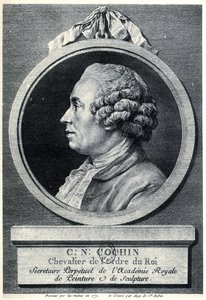
tardieu jean charles (cochin)
1765 - 1830

