

 Vorschau anzeigen
 Versenden
 Teilen
 Details anzeigen

 Herunterladen
 Ähnliche Objekte
 Röntgenaufnahme
 Diashow
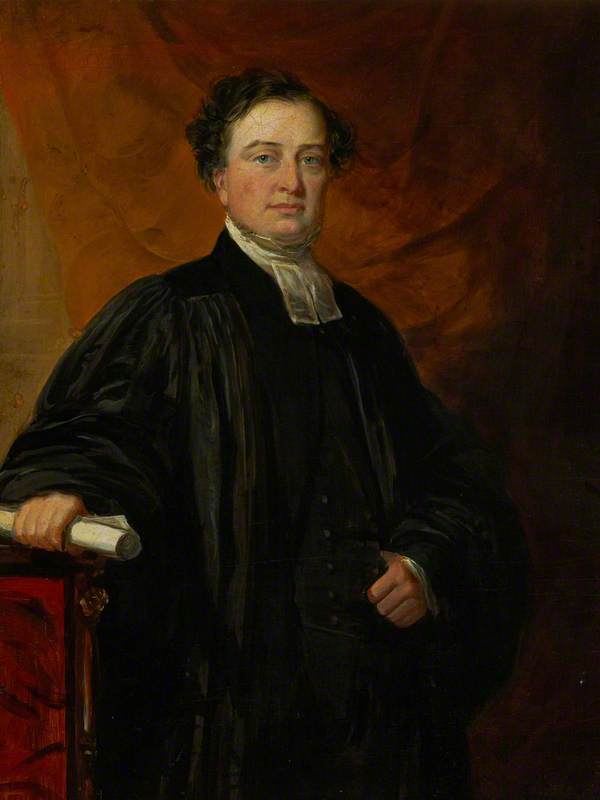
Reverend Norman Macleod (1812–1872), Divine and Author
 1848
1848 41.0 x 30.0 cm
 Weiterlesen
Erwerben Sie ein hochauflösendes, optimiertes digitales Bild, das der Online-Vorschau weit überlegen ist.
Jede Datei wird von unseren hauseigenen Spezialisten mit modernsten Werkzeugen und fachmännischer manueller Retusche sorgfältig vorbereitet. Wir stellen sicher, dass jedes Bild eine außergewöhnliche Klarheit, präzise Farbgenauigkeit und feinste Details aufweist.
Die endgültige Datei wird innerhalb von 72 Stunden per E-Mail zugestellt und ist für den sofortigen Einsatz in professionellen, redaktionellen und Druckumgebungen optimiert. Es handelt sich um dieselbe Qualität, der führende Designstudios, Verlage und Galerien vertrauen.
Digitales Bild
Laden Sie eine hochauflösende Datei für die persönliche Präsentation, den Druck und kreative Projekte herunter. ( Druck bestellen Handgemalte Reproduktion bestellen)
In jeder Bestellung digitaler Bilder enthalten
Professionelle digitale Bereitstellung, garantiert
Wenn Sie sich für ArtsDot.com entscheiden, erhalten Sie nicht nur ein Bild – Sie erhalten ein professionell aufbereitetes digitales Kunstwerk, das mit höchster Präzision erstellt und durch eine Zufriedenheitsgarantie abgesichert wird. Hier ist alles, was automatisch mit Ihrer Bestellung geliefert wird:

Schnelle E-Mail-Zustellung
Ihre hochauflösende digitale Bilddatei wird Ihnen innerhalb von 72 Stunden nach der Bestellung per E-Mail zugestellt – bereit zur sofortigen Verwendung.

KI-optimierte digitale Datei
Ihre Kunstwerke werden professionell mithilfe fortschrittlicher KI-Tools und manueller Bearbeitung optimiert, um maximale Detailtreue, Klarheit und Farbgenauigkeit zu gewährleisten.

Lebenslanger kostenloser Neudruckservice
Datei versehentlich gelöscht oder verloren? Keine Sorge – wir senden sie Ihnen jederzeit kostenlos erneut zu.

Keine Einfuhrgebühren – jemals
Genießen Sie Ihr Kunstwerk sofort ohne Zollgebühren, Einfuhrabgaben oder Versandkosten – digitale Downloads sind immer steuerfrei.

Garantierte Farbtreue
Wir garantieren, dass Ihr digitales Bild mithilfe professioneller Werkzeuge und Farbmanagement die Originalfarben so präzise wie möglich wiedergibt.

60-Tage-Zufriedenheitsgarantie
Sollten Sie mit Ihrem digitalen Bild nicht zufrieden sein, werden wir es überarbeiten oder Ihnen innerhalb von 60 Tagen 100% erstatten – ohne Wenn und Aber.

100% Geld-zurück-Garantie
Nicht zufrieden? Erhalten Sie innerhalb von 60 Tagen nach Erhalt Ihrer digitalen Datei eine vollständige Rückerstattung – ohne Angabe von Gründen.

Rabatte bei Großbestellungen
3 Bilder kaufen, 10% sparen – 5 Bilder kaufen, 15% sparen – Ab 10 Bildern 20% sparen. Ideal für kreative Projekte, Galerien und Agenturen.
Ähnliche Kunstwerke









Biografie des Künstlers
The Soul of the Scottish Frontier: The Life and Art of Tavernor Knott
In the grand tapestry of Victorian-era art, few threads capture the poignant intersection of Old World tradition and New World aspiration as delicately as the work of Tavernor Knott. Born in Aberdeen in 1816, Knott emerged from a family where the rhythms of creativity were deeply embedded; his father, John Knott, was a dedicated music teacher whose influence likely nurtured the artist's early sensitivity to harmony and resonance. As the family migrated toward the vibrant intellectual atmosphere of Edinburgh around 1830, settling in the historic St Patrick Square, the young Knott began to develop an artistic vision that would eventually bridge the gap between the rugged landscapes of the American frontier and the refined portraiture of the Scottish elite.
Knott’s formative years were shaped by the sweeping currents of Romanticism, a movement that prioritized raw emotion, the sublime power of nature, and the profound dignity of the individual. This era's fascination with the untamed wilderness found its perfect vessel in Knott’s brushwork. His technical mastery was defined by an exquisite command of tonal gradation, allowing him to breathe life into atmosphere and light. Whether he was rendering the soft, misty morning of a Scottish glen or the harsh, sun-drenched expanse of a prairie, his ability to manipulate light created a sense of depth that drew viewers into the very heart of his narratives.
Narratives of Expansion and Identity
While Knott was a skilled portraitist capable of capturing the statesmanlike gravity of figures such as William Gladstone, he is perhaps most enduringly remembered for his genre paintings—works that functioned as visual chronicles of human migration and struggle. In 1841, a pivotal year in his career, he produced a series of evocative compositions that resonated with the contemporary zeitgeist of westward expansion. These works did not merely document events; they captured the psychological weight of departure and the hope of discovery.
His celebrated historical compositions include:
- Settlers in the New World (1841): A profound exploration of the courage required to face an unknown horizon.
- Indian Encounter (1841): A complex narrative piece reflecting the cultural intersections of the era.
- Scottish Emigrants Halting in the Prairie (1841): A poignant depiction of the physical and emotional exhaustion inherent in the journey toward a new life.
Through these paintings, Knott utilized visual harmony and balanced compositions to tell stories of resilience. He possessed a unique ability to render facial expressions that conveyed a spectrum of human experience—from the weary determination of a pioneer to the quiet dignity of a settled landowner. This skill ensured that his subjects were never mere archetypes, but rather living, breathing participants in the unfolding history of the nineteenth century.
Legacy and Historical Significance
Beyond the canvas, Knott’s life was woven into the very fabric of Scottish intellectual history. He was the paternal uncle of Cargill Gilston Knott, the pioneering physicist whose seismic research would later change our understanding of the Earth itself. This connection between the aesthetic and the scientific is emblematic of Knott's own education at the University of Edinburgh, where he studied alongside figures like James Alfred Ewing, absorbing the principles of observation that would inform his meticulous artistic technique.
As the decades progressed, Knott moved through the social strata of Edinburgh, eventually residing in the prestigious New Town. His involvement in civic life, including his roles within the Masonic lodges, speaks to a man deeply integrated into the social architecture of his time. Though he passed away in Portobello in 1900, his legacy remains preserved in the evocative landscapes and soulful portraits that continue to haunt and inspire. Tavernor Knott stands not just as a painter of scenes, but as a chronicler of the human spirit navigating the vast, changing world of the Victorian age.
tavernor knott
1816 - 1890
Kurzinfos
- Artistic Movement Or Style: Genre Painting
- Artists Or Movements Influenced By This Artist: ['Romanticism']
- Artists Who Influenced This Artist: ['Henry Raeburn']
- Date Of Birth: 1816
- Date Of Death: 1890
- Full Name: Tavernor Knott
- Nationality: Scottish
- Notable Artworks:
- Settlers in the New World
- Indian Encounter
- Scottish Emigrants Halting in the Prairie
- Place Of Birth: Aberdeen, Scotland

