

 Vorschau anzeigen
 Versenden
 Teilen
 Details anzeigen

 Herunterladen
 Ähnliche Objekte
 Röntgenaufnahme
 Diashow
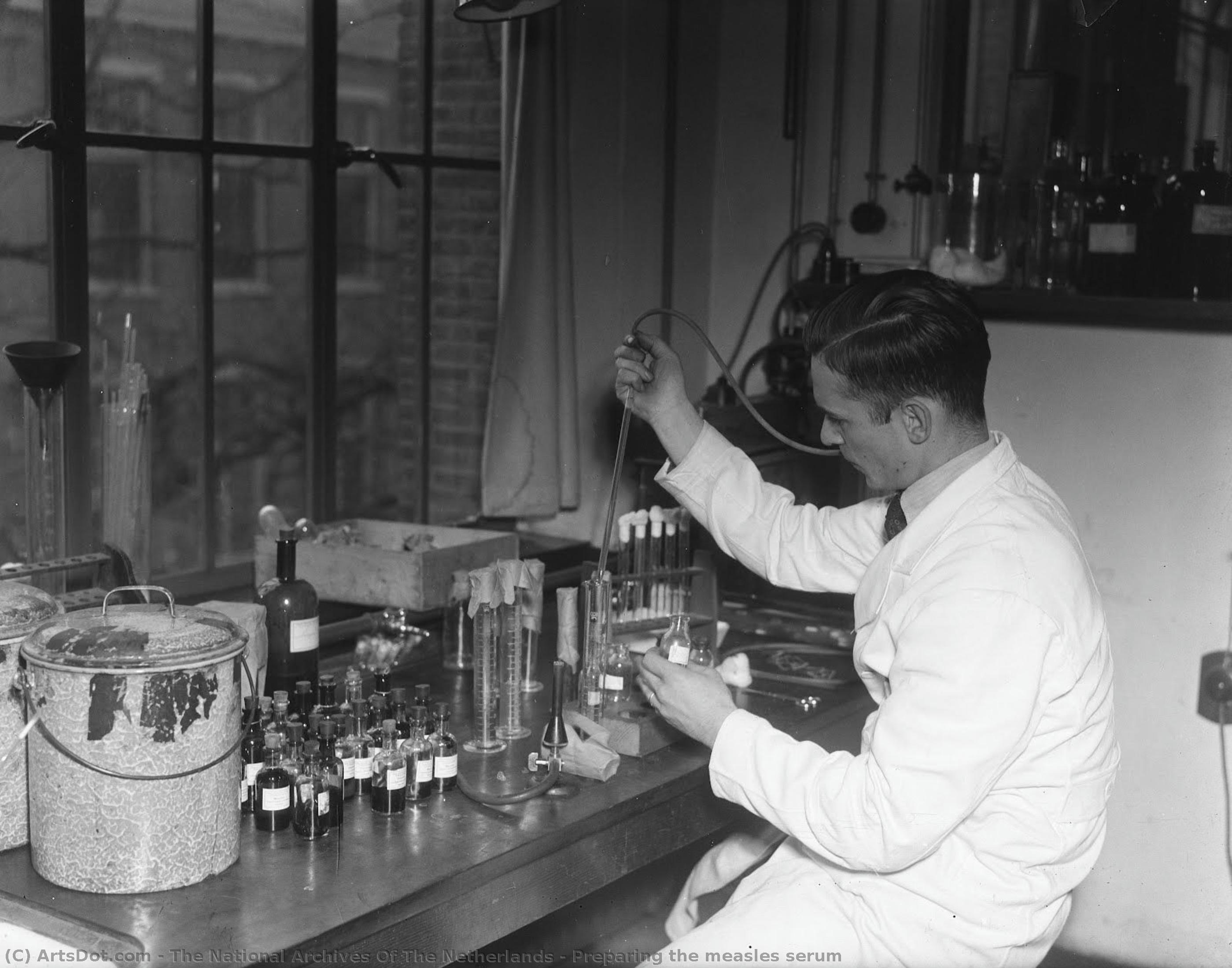
Preparing the measles serum


 Weiterlesen
Handgefertigte Ölreproduktion
Handgemaltes Ölgemälde auf Leinwand in Ihrer Wunschgröße und mit Rahmen, auf Bestellung von unseren Künstlern angefertigt. ( Druck bestellen Bild kaufen)




































Wählen Sie aus unseren vordefinierten Formaten, die den ursprünglichen Proportionen des Kunstwerks entsprechen.

Sie können Ihre eigenen Maße eingeben, um einen bestimmten Rahmen oder Platz auszufüllen. Wenn die gewählte Größe nicht den Proportionen des Originalbildes entspricht, werden wir das Kunstwerk entweder beschneiden oder das Gemälde durch zusätzliche, handgemalte Elemente erweitern. Ein digitales Mockup wird Ihnen zur Genehmigung zugesandt, bevor die Produktion beginnt.
Bitte beachten Sie, dass die Bildschirmvorschau nicht die tatsächliche Beschneidung oder Erweiterung widerspiegelt. Nur das Mockup zeigt die endgültige Komposition exakt an.
Obwohl Sondermaße verfügbar sind, empfehlen wir, eine Größe aus der vordefinierten Liste zu wählen, um die ursprünglichen Proportionen beizubehalten.
Nach der Bestellung wird das ArtsDot.com-Team dem Kunden Anweisungen per E-Mail zusenden und eine Mockup-Vorschau bereitstellen.
Weltweiter Versand () in nur 3 bis 4 Wochen statt der üblichen 5 Wochen. (30 August). Keine Kompromisse bei der Qualität.

Kostenloser weltweiter Expressversand

Hochwertige Leinenleinwand

Umfassender Versicherungsschutz beim Versand

Zollgebühren-Rückerstattungsgarantie

Garantie für exakte Farbtreue

60 Tage Rückgaberecht (nur bei Mängeln)

100% Geld-zurück-Garantie

Mengenrabatt verfügbar
 Die Glasoption ist nur für Größen unter 110 cm verfügbar.

Preparing the measles serum
Art der Reproduktion
Format der Reproduktion
-


Gesamtpreis
$ 263
Ähnliche Kunstwerke







Über den Künstler
The National Archives of the Netherlands: A Repository of Visual History
The National Archives of the Netherlands, rather than a single artist in the traditional sense, represents a collective body of creators and documenters whose work spans centuries. It is an institution dedicated to preserving the memory of the Dutch nation – a vast treasury of records encompassing governmental actions, societal shifts, personal stories, and artistic expressions. To speak of “The National Archives” as an artist is to acknowledge its unique role in shaping our understanding of history through visual mediums, particularly photography, prints, maps, and drawings. The archive doesn’t *create* art with a singular aesthetic vision; it *collects* and safeguards the creations that reflect the Dutch experience, becoming a powerful artistic force by curating and presenting these fragments of time.From State Records to Cultural Heritage
The origins of the National Archives trace back to the medieval period, initially functioning as repositories for state documents – charters, treaties, financial records, and legal proceedings. Over time, its scope broadened to include private papers, company archives, and increasingly, visual materials. The 19th century witnessed a growing appreciation for historical documentation, leading to more systematic collection of photographs and other pictorial sources. This shift was crucial; it transformed the archive from a purely administrative body into a vital resource for historians, researchers, and the public alike. The archive’s photographic holdings, in particular, offer an unparalleled glimpse into Dutch life across generations – from formal portraits and landscapes to candid street scenes and documentary images of social movements. The collection isn't simply about preserving facts; it is about capturing *atmospheres*, *emotions*, and the subtle nuances of a changing society.Themes and Subjects: Reflecting a Nation’s Identity
The visual materials within the National Archives encompass an extraordinary range of themes, mirroring the multifaceted nature of Dutch history. Early photography often focused on documenting infrastructure projects – canals, railways, harbors – showcasing the nation's engineering prowess and economic development. Portraits reveal evolving social norms and class structures. Images related to colonialism provide a complex and often unsettling record of Dutch involvement in global affairs. More recently, the archive has actively sought to expand its collection to include materials representing marginalized communities and diverse perspectives, acknowledging the importance of inclusive storytelling. A compelling example is the documentation surrounding public health initiatives, such as images relating to preparing measles serum – offering poignant insights into medical practices and societal responses to disease.Historical Significance: A Living Document
The National Archives’ significance extends far beyond its role as a historical repository. It serves as a crucial tool for national identity formation, allowing the Dutch people to connect with their past and understand their present. The archive's materials are frequently used in educational programs, museum exhibitions, and scholarly research, fostering critical engagement with history. Moreover, the digitization of vast portions of its collection has made these resources accessible to a global audience, promoting international understanding and collaboration. In an era of misinformation and contested narratives, the National Archives stands as a beacon of verifiable truth – a testament to the power of documentation and the importance of preserving collective memory. The archive is not merely a place where history *is* kept; it’s a place where history continues to be *made*, interpreted, and re-imagined by each new generation.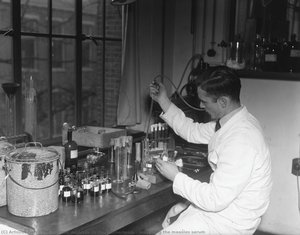
Kurzinfos
- Date Of Death: Living
- Full Name: The National Archives Of The Netherlands
- Notable Artworks: ['Preparing the measles serum']

