In echtem Maßstab anzeigen
 Versenden als Grußkarte
 Teilen
 Details anzeigen

 Herunterladen
 Ähnliche Objekte
 Röntgenaufnahme
 Diashow
 Besucherstatistiken
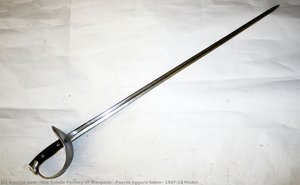
Puerto Seguro Saber, 1907–18 Model


 Mehr anzeigen
Handgefertigte Ölreproduktion
Handgemaltes Ölgemälde auf Leinwand in Ihrer Wunschgröße und mit Rahmen, auf Bestellung von unseren Künstlern angefertigt. ( Zum Druck wechseln Zum digitalen Bild wechseln)
































Wählen Sie aus unseren vordefinierten Formaten, die den ursprünglichen Proportionen des Kunstwerks entsprechen.

Sie können Ihre eigenen Maße eingeben, um einen bestimmten Rahmen oder Platz auszufüllen. Wenn die gewählte Größe nicht den Proportionen des Originalbildes entspricht, werden wir das Kunstwerk entweder beschneiden oder das Gemälde durch zusätzliche, handgemalte Elemente erweitern. Ein digitales Mockup wird Ihnen zur Genehmigung zugesandt, bevor die Produktion beginnt.
Bitte beachten Sie, dass die Bildschirmvorschau nicht die tatsächliche Beschneidung oder Erweiterung widerspiegelt. Nur das Mockup zeigt die endgültige Komposition exakt an.
Obwohl Sondermaße verfügbar sind, empfehlen wir, eine Größe aus der vordefinierten Liste zu wählen, um die ursprünglichen Proportionen beizubehalten.
Nach der Bestellung wird das ArtsDot.com-Team dem Kunden Anweisungen per E-Mail zusenden und eine Mockup-Vorschau bereitstellen.
Weltweiter Versand () in nur 3 bis 4 Wochen statt der üblichen 5 Wochen. (17 September). Keine Kompromisse bei der Qualität.

Kostenloser weltweiter Expressversand

Hochwertige Leinenleinwand

Vollständiger Versicherungsschutz beim Versand

Zollgebühren-Rückerstattungsgarantie

Garantie für exakte Farbtreue

100-tägiges Rückgaberecht (nur bei Mängeln)

100% Geld-zurück-Garantie

Angebot für Mengenrabatt
 Die Glasoption ist nur für Größen unter 110 cm verfügbar.

Puerto Seguro Saber, 1907–18 Model
Reproduktionsmedium
Format der Reproduktion
-


Gesamtpreis
$ 263
Ähnliche Kunstwerke






Biografie des Künstlers
The Legacy of Steel and Tradition
To speak of The Toledo Factory Of Weapons is to invoke a history etched in iron and tempered by fire, a legacy that transcends the boundaries of mere manufacturing to enter the realm of cultural heritage. While not an artist in the conventional sense of a painter or sculptor, this institution represents a centuries-old tradition of craftsmanship where the forge serves as the studio and the blade becomes the medium. Located in the heart of Spain, the factory is part of a lineage of metalworking that traces its roots back to the Roman period, a time when the legendary Toledo steel first began to command the respect of the ancient world's greatest conquerors.
The essence of this craft lies in the mastery of metallurgy, specifically the development of techniques that allowed for blades of unparalleled strength and flexibility. Historically, the process involved a sophisticated method where a high-quality steel blade enveloped a wrought iron strip, creating a weapon with a "soul of iron" that could withstand the rigors of combat without bending or cracking. This technical brilliance was not merely functional; it was an art form that demanded an intimate understanding of heat, pressure, and the elemental properties of the earth's minerals.
A Tapestry of Conquest and Craft
The historical significance of the Toledo Arsenal is inextricably linked to the shifting tides of Mediterranean power. From the Punic Wars, where the Carthaginian general Hannibal Barca famously utilized the devastating falcata forged in this region, to the era of the Roman legions, the weapons produced here shaped the destiny of empires. As the centuries progressed, the artistry of the forge evolved through various cultural confluences, absorbing the influences of the Visigothic Kingdom and the sophisticated metalworking traditions brought by the Moors. This period of Islamic rule introduced advanced techniques for scimitar production, further enriching the repertoire of the local blacksmiths.
During the peak of its production in the 15th and 16th centuries, the factory's output became a symbol of prestige and martial prowess. The legendary swords of El Cid, known as Tizona and Colada, are celebrated within this tradition, representing the pinnacle of what could be achieved when skill met superior material. The work produced by the factory was more than weaponry; it was a manifestation of the city's identity—a blend of durability, elegance, and lethal precision that made Toledo a global center for arms production.
The Evolution of the Blade
As the world transitioned from the age of cavalry and conquest to the era of modern warfare, the factory adapted, yet it never lost its connection to its storied past. The development of specialized models, such as the Puerto Seguro Saber of the early 20th century, demonstrates a continued commitment to innovation. Conceived by Captain Luis Carbajal Melgarejo, this particular model sought to harmonize the advantages of both the sword and the saber, offering a straight-bladed weapon that retained the agility of its curved predecessors. This evolution reflects a persistent dialogue between ancient tradition and the changing requirements of military necessity.
Today, the memory of the Real Fábrica De Armas De Toledo remains a vital part of Spain's artistic and historical landscape. The factory stands as a testament to a time when the blacksmith was an architect of history, and every strike of the hammer on the anvil was a step toward defining the strength of a nation. Though the nature of warfare has changed, the artistry of the Toledo steel tradition continues to inspire awe, reminding us that true mastery lies in the ability to forge something permanent from the most volatile elements.