 Vorschau anzeigen
 Versenden
 Teilen
 Details anzeigen

 Herunterladen
 Ähnliche Objekte
 Röntgenaufnahme
 Diashow
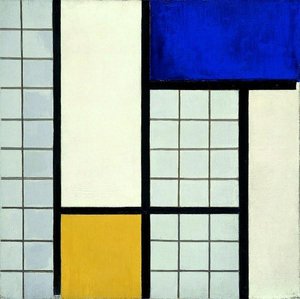
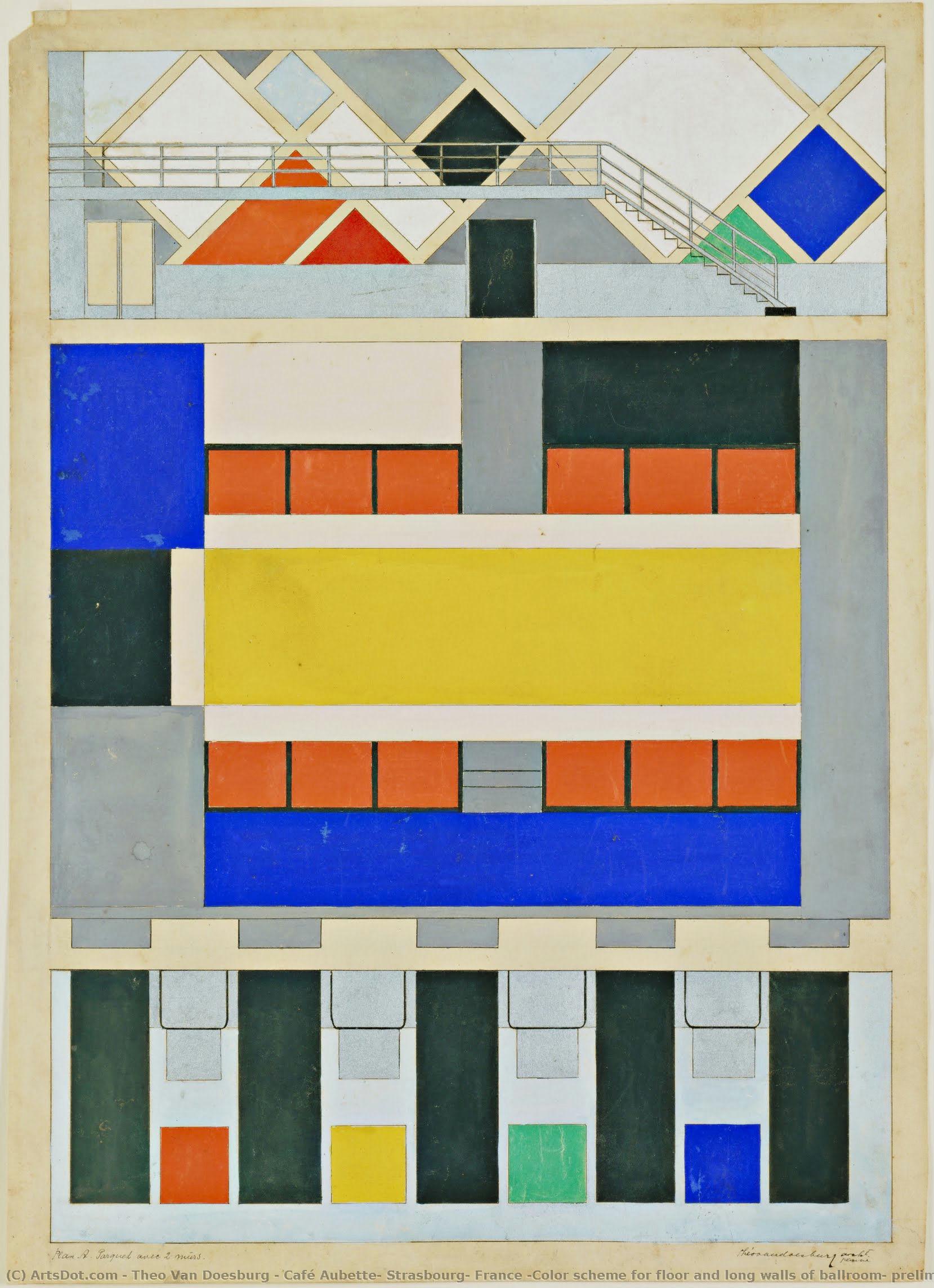
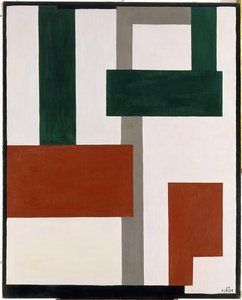
Café Aubette, Strasbourg, France (Color scheme for floor and long walls of ballroom, preliminary version)
 Acryl auf Leinwand
- Wandkunst
- Neo-Plasticism
 1927
1927 53.0 x 37.0 cm
 Museum of Modern Art
 Weiterlesen
Handgefertigte Ölreproduktion
Handgemaltes Ölgemälde auf Leinwand in Ihrer Wunschgröße und mit Rahmen, auf Bestellung von unseren Künstlern angefertigt. ( Druck bestellen Bild kaufen)




P118B $10

P118H $10

P118W $10

P438Z $10

P508JH $12

P508YH $12

P805H $10

P805Z $10

P919BZ $10

P919G $10

P919XJ $10

P959ZH $10

P968JZ $12

W106C $8

W218G $10

W218JH $8

W218Y $10

W307PJ $10

W316G $10

W316PJ $8

W316Y $10

W398PJ $8

W4111J $10

W500HY $15

W500JH $15

W692G $12

W849H $8

W940BG $15

W953PJ $8




Wählen Sie aus unseren vordefinierten Formaten, die den ursprünglichen Proportionen des Kunstwerks entsprechen.

Sie können Ihre eigenen Maße eingeben, um einen bestimmten Rahmen oder Platz auszufüllen. Wenn die gewählte Größe nicht den Proportionen des Originalbildes entspricht, werden wir das Kunstwerk entweder beschneiden oder das Gemälde durch zusätzliche, handgemalte Elemente erweitern. Ein digitales Mockup wird Ihnen zur Genehmigung zugesandt, bevor die Produktion beginnt.
Bitte beachten Sie, dass die Bildschirmvorschau nicht die tatsächliche Beschneidung oder Erweiterung widerspiegelt. Nur das Mockup zeigt die endgültige Komposition exakt an.
Obwohl Sondermaße verfügbar sind, empfehlen wir, eine Größe aus der vordefinierten Liste zu wählen, um die ursprünglichen Proportionen beizubehalten.
Nach der Bestellung wird das ArtsDot.com-Team dem Kunden Anweisungen per E-Mail zusenden und eine Mockup-Vorschau bereitstellen.
Weltweiter Versand () in nur 3 bis 4 Wochen statt der üblichen 5 Wochen. (30 August). Keine Kompromisse bei der Qualität.

Kostenloser weltweiter Expressversand

Hochwertige Leinenleinwand

Umfassender Versicherungsschutz beim Versand

Zollgebühren-Rückerstattungsgarantie

Garantie für exakte Farbtreue

60 Tage Rückgaberecht (nur bei Mängeln)

100% Geld-zurück-Garantie

Mengenrabatt verfügbar
 Die Glasoption ist nur für Größen unter 110 cm verfügbar.

Café Aubette, Strasbourg, France (Color scheme for floor and long walls of ballroom, preliminary version)
Art der Reproduktion
Format der Reproduktion
-


Gesamtpreis
$ 263
Café Aubette: A Symphony of Color and Form – Theo van Doesburg’s Vision
Theo van Doesburg's "Café Aubette, Strasbourg, France (Color scheme for floor and long walls of ballroom, preliminary version)" isn’t merely a depiction of a Parisian café; it’s an architectural manifesto rendered in gouache on canvas. Painted in 1927, this vibrant work transcends the limitations of simple representation, embodying the core tenets of Neoplasticism – what van Doesburg himself termed “De Stijl.” More than just a snapshot of a bustling establishment, it's a carefully constructed exploration of geometric harmony and the pursuit of pure abstraction, reflecting a profound shift in artistic thinking at the time.
The scene itself is deceptively familiar. A glimpse into the interior of Café Aubette, a renowned Strasbourg institution known for its opulent ballroom, is presented with an almost unsettling clarity. The composition immediately draws the eye to the bold, primary color scheme dominating the floor and long walls – a deliberate rejection of naturalistic representation in favor of a purely visual language. Deep blues and yellows clash and harmonize simultaneously, creating a dynamic tension that’s both captivating and intellectually stimulating. The use of black and orange adds further depth and contrast, anchoring the composition while preventing it from becoming overly saccharine.
Deconstructing Reality: The Principles of Neoplasticism
Van Doesburg's approach was deeply rooted in his belief that art should move beyond imitation of the external world. He sought to distill painting down to its essential elements – line, color, and shape – believing these could express a universal, spiritual reality. This is evident in the simplified forms and rigorous geometric arrangements within the painting. The furniture, the figures (though largely abstracted), and even the architectural details are broken down into their fundamental components: rectangles, squares, and intersecting lines. The absence of perspective and realistic detail forces the viewer to engage with the work on a purely intellectual level, analyzing its structure and appreciating the relationships between its elements.
Crucially, this wasn’t an arbitrary exercise in abstraction. Van Doesburg was deeply influenced by Kandinsky's theories about color and spirituality, believing that specific colors possessed inherent emotional qualities. The deliberate juxtaposition of blues and yellows, for example, reflects a dynamic tension – a sense of movement and energy—while the grounding elements of black and orange provide stability and balance. The painting is therefore not just visually striking; it’s also imbued with a carefully considered symbolic language.
Historical Context: Strasbourg and the Rise of Modernism
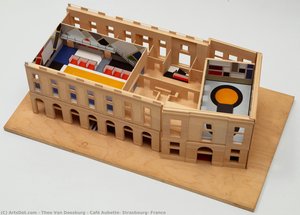
To fully appreciate “Café Aubette,” one must consider its historical context. Strasbourg, at the time, was a vibrant hub of artistic experimentation, situated on the border between France and Germany – a region grappling with complex cultural identities. The painting emerged during a period of intense social and political upheaval, marked by the rise of industrialization, urbanization, and the burgeoning avant-garde movements challenging traditional artistic conventions. The commission itself—to transform the interior of L’Aubette—was a bold statement, aligning the building with the principles of modernism and signaling a new era in architectural design.
Furthermore, the painting reflects the broader European context of early 20th-century art. The influence of Cubism, Futurism, and other radical movements is palpable, yet Van Doesburg’s work retains a distinct Neoplastic identity—a commitment to pure abstraction and geometric harmony. It stands as a pivotal example of this movement's exploration of form and color.
A Legacy of Geometric Harmony
“Café Aubette” remains a powerful testament to Theo van Doesburg’s artistic vision. Its bold colors, simplified forms, and rigorous composition continue to resonate with viewers today, demonstrating the enduring appeal of abstract art. Reproductions of this work offer an opportunity to experience firsthand the principles of De Stijl—a movement that profoundly shaped the course of 20th-century art and architecture. It’s a piece that invites contemplation, sparking dialogue about the nature of perception, representation, and the relationship between art and reality.
Ähnliche Kunstwerke
Über den Künstler
Frühes Leben und Karriere
Theo van Doesburg, ein niederländischer Künstler, wurde am 30. August 1883 in Utrecht, Niederlande, geboren. Er ist vor allem bekannt als Gründer und Leiter der De Stijl-Bewegung, einer Bewegung des Neoplasticismus. Van Doesburgs frühe Arbeiten waren von Vincent van Gogh beeinflusst, sowohl in Stil als auch in seinem Themenspektrum.Die Entstehung des Neoplasticismus
Im Jahr 1913 erkannte Van Doesburg nach der Lektüre von Wassily Kandinskys "Rückblicke", dass es eine höhere, spirituellere Ebene in der Malerei gibt, die aus dem Geist und nicht aus dem alltäglichen Leben entspringt. Dies führte zur Entwicklung des Neoplasticismus, auch bekannt als De Stijl. Die Bewegung plädierte für reine Abstraktion und Universalität durch Reduktion auf die wesentlichen Elemente von Form und Farbe.Bemerkenswerte Werke und Kollaborationen
- Study for simultaneous compositions xxii, eine Bleistiftstudie für simultane Kompositionen, ist ein Beispiel für neoplasticistische Kunst. (Befindet sich im Kröller-Müller Museum, Otterlo, Niederlande)
- Van Doesburg arbeitete mit Piet Mondrian an verschiedenen Projekten zusammen, darunter die Zeitschrift De Stijl.
- Er arbeitete auch mit Georges Vantongerloo und Sophie Taeuber-Arp an der Gestaltung von Häusern für Künstler zusammen.
Vermächtnis und Einfluss
Van Doesburgs Werk hatte einen bedeutenden Einfluss auf die Entwicklung der modernen Kunst. Sein Vermächtnis ist in verschiedenen Bereichen der Kunst sichtbar, von der Architektur bis zur Malerei. Die Neoplasticismus-Bewegung beeinflusst Künstler bis heute.- Betrachten Sie Theo van Doesburgs Kunstwerke auf ArtsDot
- Erfahren Sie mehr über Theo van Doesburg auf Wikipedia
- Entdecken Sie Piet Mondrians Kunstwerke auf ArtsDot
- 30. August 1883: Theo van Doesburg wurde geboren
- 1913: Entwicklung des Neoplasticismus
- 7. März 1931: Verstarb
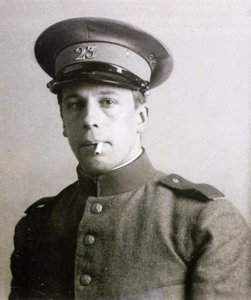
Theo van Doesburg
1883 - 1931 , Niederlande
Kurzinfos
- Beeinflusste Künstler: ['Vincent van Gogh']
- Bemerkenswerte Werke: ['Study for Simultaneous Compositions XX II']
- Geburtsdatum: 30. August 1883
- Geburtsort: Utrecht, Niederlande
- Künstlerische Bewegung: De Stijl, Neoplasticismus
- Nationalität: Niederländisch
- Sterbedatum: 7. März 1931
- Vollständiger Name: Theo van Doesburg
- Von Künstlern Beeinflusst:
- Wassily Kandinsky
- Piet Mondrian
Ähnliche Artikel
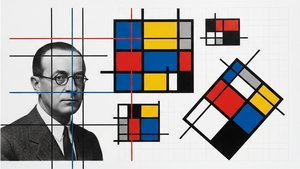
Theo van Doesburg: Pionier des De Stijl und die Evolution des Neo-Plastizismus
Entdecken Sie die faszinierende Welt des De Stijl! Erfahren Sie mehr über Theo van Doesburg, Piet Mondrian und die revolutionäre Ästhetik des Neo-Plastizismus. Expertenwissen & historische Einblicke.

Goya: Die 25 Meisterwerke des spanischen Genies – Kunst für Ihr Zuhause | ArtsDot
Entdecken Sie die 25 Meisterwerke von Francisco Goya! Tauchen Sie ein in die düstere Romantik spanischer Malerei, Porträts & Historienbilder. Hochwertige Kunstdrucke auf ArtsDot.com – für Kunstliebhaber und stilvolles Wohnen.
Neoplasticism: A Radical Geometry of Utopian Vision – Origins, Principles, and Enduring Influence
Explore the revolutionary Neoplasticism movement – De Stijl – with ArtsDot. Discover Mondrian & van Doesburg's principles, influence on modern art, and how to collect key works. Expert insights for discerning art enthusiasts.

Geometrische Abstraktion: Die 10 Meisterwerke, die Kunstgeschichte prägten | ArtsDot.com
Entdecken Sie die 10 Meisterwerke der geometrischen Abstraktion! Von Kandinsky bis Mondrian – erleben Sie die Geschichte, Farben & Formen dieser revolutionären Kunstrichtung. Hochwertige Kunstreproduktionen auf ArtsDot.com
Beyond Form: Exploring the Philosophical Foundations of Geometric Abstraction
Explore the philosophical roots & artistic evolution of geometric abstraction with ArtsDot. Discover Mondrian, Malevich, De Stijl & more. Expert insights for collectors and art enthusiasts.