 Vorschau anzeigen
 Versenden
 Teilen
 Details anzeigen

 Herunterladen
 Ähnliche Objekte
 Röntgenaufnahme
 Diashow
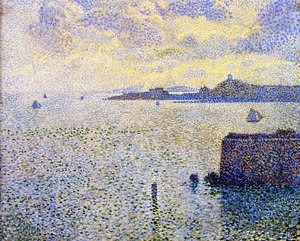
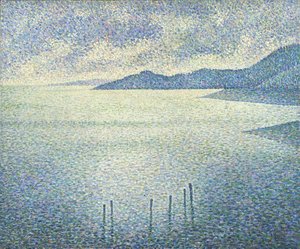
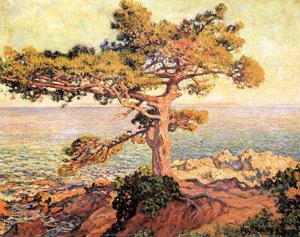
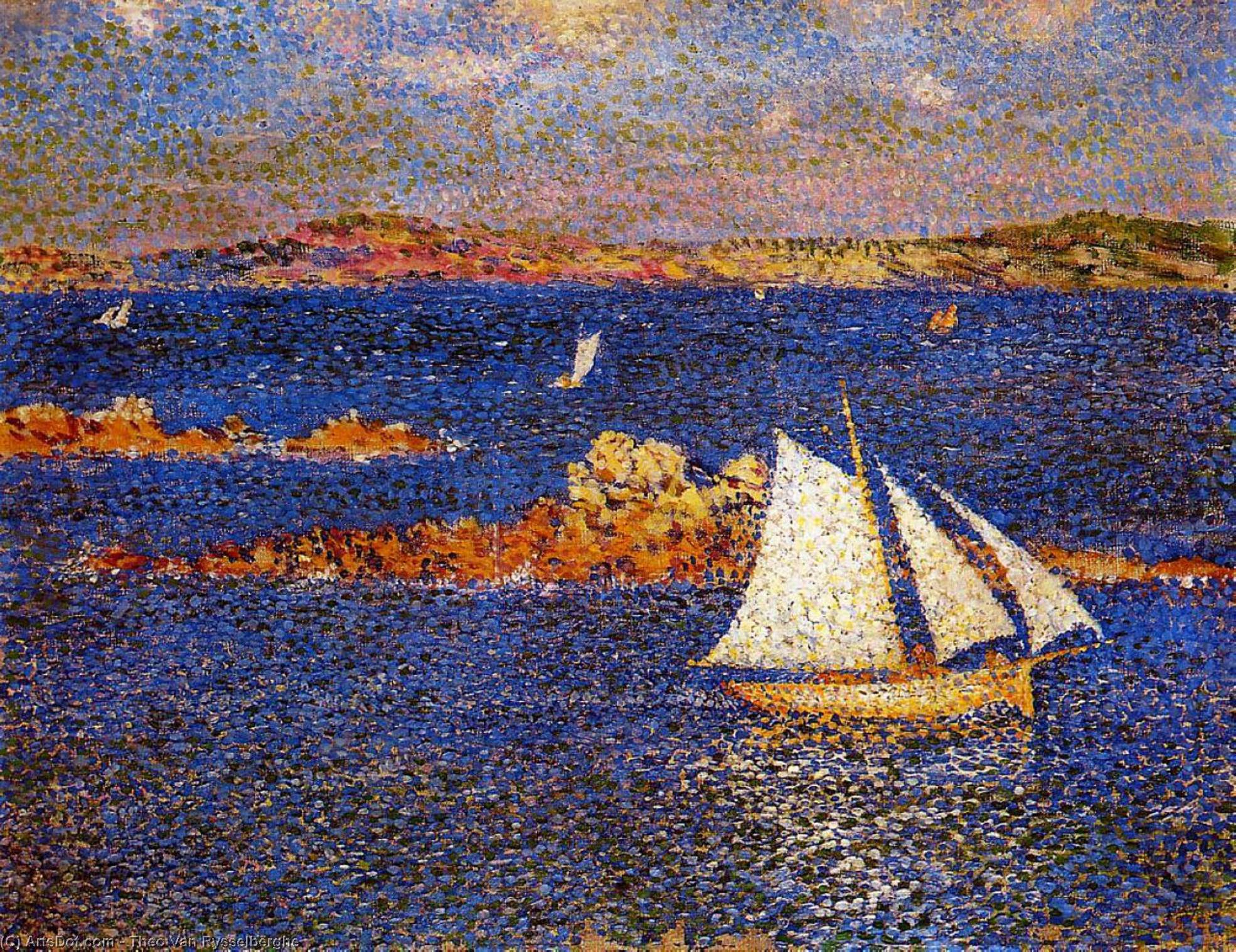
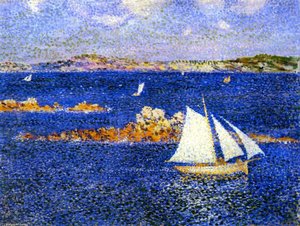
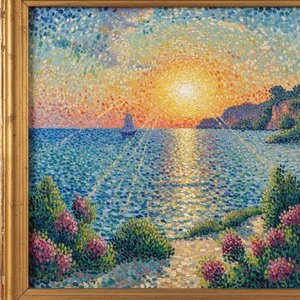
Near the Rocks of Per Kiridec
 Oil On Canvas
- WallArt
- Pointillist Neo-Impressionism
 1889
1889- 19th Century
 32.0 x 40.0 cm
 Weiterlesen
Giclée / Kunstdruck
Giclée- oder Leinwanddruck in Museumsqualität mit schneller Produktion und flexiblen Veredelungsoptionen. ( Handgemalte Reproduktion bestellen Bild kaufen)




P118B $10

P118H $10

P118W $10

P438Z $10

P508JH $12

P508YH $12

P805H $10

P805Z $10

P919BZ $10

P919G $10

P919XJ $10

P959ZH $10

P968JZ $12

W106C $8

W218G $10

W218JH $8

W218Y $10

W307PJ $10

W316G $10

W316PJ $8

W316Y $10

W398PJ $8

W4111J $10

W500HY $15

W500JH $15

W692G $12

W849H $8

W940BG $15

W953PJ $8




Wählen Sie aus unseren vordefinierten Formaten, die den ursprünglichen Proportionen des Kunstwerks entsprechen.

Sie können Ihre eigenen Maße eingeben, um ein bestimmtes Format oder einen speziellen Platz einzupassen. Wenn das von Ihnen gewählte Format nicht den Proportionen des Originalbildes entspricht, werden wir das Kunstwerk entweder beschneiden oder das Bild mit einem gespiegelten oder einfarbigen Rand erweitern. Ein digitaler Entwurf wird Ihnen zur Genehmigung zugesandt, bevor die Produktion beginnt.
Bitte beachten Sie, dass die Vorschau auf dem Bildschirm nicht den tatsächlichen Zuschnitt oder die Erweiterung widerspiegelt. Nur der Entwurf zeigt die endgültige Komposition präzise an.
Obwohl Sondermaße verfügbar sind, empfehlen wir die Auswahl eines Maßes aus der vordefinierten Liste, um die ursprünglichen Proportionen zu bewahren.
Weltweiter Versand () innerhalb von 2 Wochen statt der üblichen 4/5 Wochen. (27 August)

Kostenloser weltweiter Expressversand

Hochwertige Leinenleinwand

Umfassender Versicherungsschutz beim Versand

Zollgebühren-Rückerstattungsgarantie

Garantie für exakte Farbtreue

60 Tage Rückgaberecht (nur bei Mängeln)

100% Geld-zurück-Garantie

Mengenrabatt verfügbar
 Die Glasoption ist nur für Größen unter 110 cm verfügbar.

Near the Rocks of Per Kiridec
Giclée / Kunstdruck
Format der Reproduktion
-


Gesamtpreis
$ 62
Sammlerstück-Beschreibung
A Symphony of Light and Sea: Theo Van Rysselberghe’s *Near the Rocks of Per Kiridec*
Theo van Rysselberghe's *Near the Rocks of Per Kiridec*, painted in 1889, is more than just a depiction of a coastal scene; it’s an immersive experience rendered through the revolutionary technique of Pointillism. This captivating artwork, measuring 32 x 40 cm and executed on canvas with oil paints, transports the viewer to the serene shores of Brittany, where the artist sought to capture not merely what he saw, but how light itself transformed the world around him. The painting’s enduring appeal lies in its masterful manipulation of color and texture, a testament to van Rysselberghe's dedication to understanding and representing the ephemeral qualities of light – a pursuit that firmly places him within the burgeoning movement bridging Impressionism and Neo-Impressionism.
The Pointillist Technique: A Dance of Dots
- Pointillism, pioneered by Georges Seurat, demanded an entirely new approach to painting. Instead of blending colors directly on the canvas, van Rysselberghe meticulously applied thousands of tiny dots of pure color – each a separate and distinct unit.
- This technique creates an optical illusion when viewed from a distance, as the viewer’s eye blends these individual dots together, resulting in a vibrant and luminous effect. The sheer density of these dots contributes to the painting's remarkable depth and atmospheric quality.
- The precision required for this method is extraordinary, demanding immense patience and control – qualities that are clearly evident in the finished work.
A Scene of Quiet Contemplation
The composition itself speaks to a mood of quiet contemplation. Several sailboats drift across the tranquil waters of Per Kiridec, their white sails catching the sunlight and reflecting it back onto the canvas. A solitary figure stands on one of the boats, seemingly lost in the beauty of the scene – an invitation for the viewer to share in this moment of peaceful observation. The artist’s careful attention to detail extends beyond the boats themselves; even the rocks are rendered with a subtle gradation of color and texture, enhancing the sense of realism while simultaneously embracing the stylistic demands of Pointillism.
Historical Context and Artistic Influences
*Near the Rocks of Per Kiridec* was created during a period of significant artistic experimentation in Europe. Van Rysselberghe’s work reflects the influence of both Impressionism, with its focus on capturing fleeting moments of light and atmosphere, and Neo-Impressionism, which sought to employ scientific principles of color theory to achieve greater optical effects. The painting's subject matter – a coastal scene – was also popular among artists of the time, reflecting a growing interest in landscape painting and the beauty of nature. His earlier works, such as *Sailboats and Estuary*, demonstrate a similar preoccupation with light and water, solidifying his place within this evolving artistic landscape.
Owning a Masterpiece: A Hand-Painted Reproduction
ArtsDot offers a stunning hand-painted reproduction of Theo van Rysselberghe’s *Near the Rocks of Per Kiridec*, meticulously crafted to capture the essence of this iconic artwork. This is not merely a print; it's a faithful recreation, created by skilled artisans who understand and respect the original artist’s vision. Whether you are an art collector seeking to expand your collection or an interior designer looking for a unique piece to elevate your space, this reproduction offers a beautiful and authentic way to experience the beauty of van Rysselberghe's artistry.
Ähnliche Kunstwerke
Über den Künstler
Frühes Leben und Ausbildung
Theo van Rysselberghe, eine bedeutende Figur in der europäischen Kunstszene des frühen 20. Jahrhunderts, wurde am 23. November 1862 in Gent, Belgien, in einer französischsprachigen bürgerlichen Familie geboren. Er begann seine künstlerische Laufbahn unter der Anleitung von Theo Canneel an der Akademie von Gent und studierte später ab 1879 an der Académie Royale des Beaux-Arts in Brüssel.Künstlerische Entwicklung und Einflüsse
Van Rysselberghes frühe Arbeiten, wie beispielsweise *Selbstbildnis mit Pfeife (1880)*, waren durch düstere Farben gekennzeichnet und spiegelten die belgische Realitätstradition jener Zeit wider. Sein *Kind in einer offenen Stelle des Waldes (1880)* markierte jedoch eine Abkehr von diesem Stil und einen frühen Schritt hin zum Impressionismus. Seine anschließenden Reisen nach Marokko (1882-1888) beeinflussten seine Arbeit maßgeblich, wie man an *Arabischer Strassenpflasterer (1882)*, *Arabischer Junge (1882)* und *Ruhender Wächter (1883)* erkennen kann.Gründung der Les XX und bedeutende Werke
Als Mitbegründer des belgischen Künstlerkreises Les XX am 28. Oktober 1883 spielte van Rysselberghe eine entscheidende Rolle in der europäischen Kunstszene. Seine *Arabische Phantasia (1884)*, ein großes, exotisches Gemälde, ist sein bekanntestes Werk aus dieser Zeit und zeugt von seiner Besessenheit vom Licht.- Wichtige Werke:
- *Spanische Frau (1881) *
- *Sevillanische Frau (1882)*
- *Abraham Sicsu, Dolmetscher in Tanger (1884)*
Wirken und Museumsbestände
Van Rysselberghes Vermächtnis ist in verschiedenen Museumsbeständen zu finden, darunter im Museum voor Schone Kunsten (Gent, Belgien), das mehrere seiner Werke beherbergt, wie beispielsweise *Eine Lesende* und *Selbstbildnis mit Pfeife [Skizze]*. Sein Einfluss auf die Entwicklung des Neo-Impressionismus in Europa ist unbestreitbar.- Museumsbestände:
- Musée du Luxembourg (Frankreich) - mit *Pointe-Saint-Pierre, Saint-Tropez*
- Theo van Rysselberghes Sammlung auf ArtsDot
Schlussfolgerung
Theo van Rysselberghe, ein belgischer neoimpressionistischer Maler, hat seine bleibenden Spuren in der europäischen Kunstszene hinterlassen. Seine künstlerische Entwicklung, beeinflusst von seinen Reisen und Interaktionen mit anderen Künstlern, führte zu einem einzigartigen Stil, der das Publikum weiterhin in seinen Bann zieht. Entdecken Sie weitere seiner Werke und seines Vermächtnisses auf ArtsDot.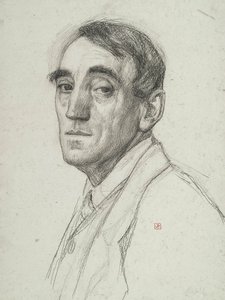
Theo van Rysselberghe
1862 - 1926 , Belgien
Kurzinfos
- Beeinflusste Künstler: ['Georges Seurat']
- Bemerkenswerte Werke:
- Regenbogen
- Arabischer Straßenkömmler
- Arabischer Junge
- Ruhender Wächter
- Geburtsdatum: 23. November 1862
- Geburtsort: Gent, Belgien
- Künstlerische Bewegung: Neo-Impressionismus
- Nationalität: Belgisch
- Sterbedatum: 13. Dezember 1926
- Vollständiger Name: Theo van Rysselberghe
Ähnliche Artikel
Théo van Rysselberghe: Pionier des belgischen Pointillismus und die Suche nach Luminosität
Entdecken Sie das faszinierende Werk von Théo van Rysselberghe, einem Pionier des belgischen Pointillismus! Erfahren Sie mehr über seine künstlerische Entwicklung, Meisterwerke und seinen Einfluss auf die moderne Malerei. Jetzt lesen!

Rembrandts Meisterwerke: Die Top 25 Kunstwerke für Ihr Zuhause | ArtsDot
Entdecken Sie Rembrandts 25 berühmteste Kunstwerke! Tauchen Sie ein in die Welt des Barock, Licht und Schatten & historischer Porträts. Hochwertige Reproduktionen für Ihr Zuhause – jetzt auf ArtsDot.com!

Giclée Prints: Archival Quality & Aesthetic Nuances for the Discerning Collector
Explore the world of giclée prints with ArtsDot. Learn about archival quality, aesthetic nuances & investment potential. Expert guidance for discerning art collectors seeking museum-quality reproductions and lasting value.

The Enduring Legacy of Fine Art Prints: Technique, History & Aesthetic Impact
Explore the rich history & techniques of fine art prints. Discover investment potential, assess authenticity, and learn how to preserve your collection with expert guidance. Trusted insights for discerning collectors.

Echoes of Time: Exploring the Enduring Appeal & Historical Context of Vintage Art Prints
Explore the captivating world of vintage art prints! Discover their history, collecting tips & enduring appeal. Expert insights on chromolithography and building a legacy collection with ArtsDot.