 Vorschau anzeigen
 Versenden
 Teilen
 Details anzeigen

 Herunterladen
 Ähnliche Objekte
 Röntgenaufnahme
 Diashow
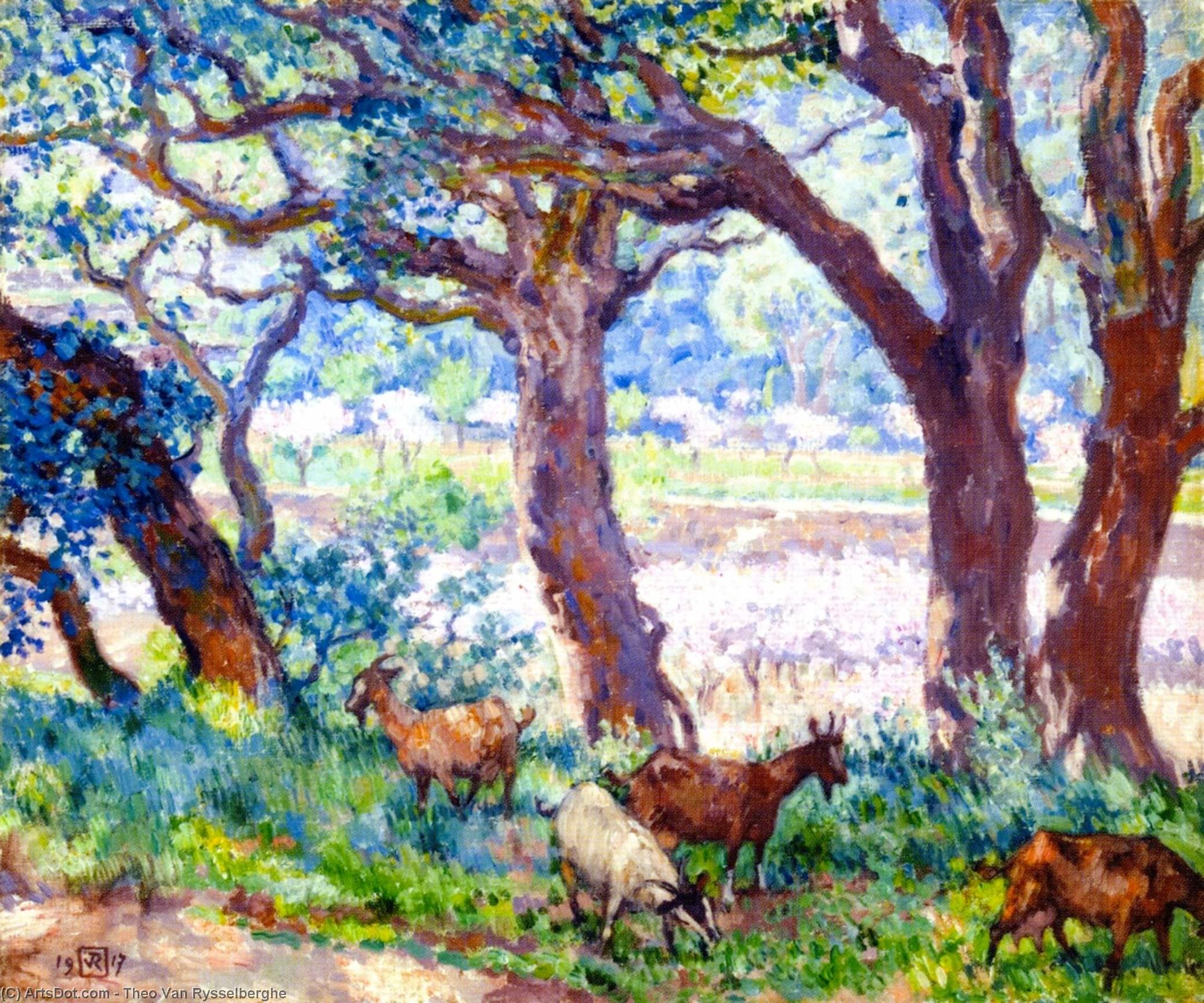
Peach Trees in Blossom, Cork Oaks and Goats
 Oil On Canvas
- WallArt
- Post-Impressionism
 1917
1917- 19th Century
 54.0 x 65.0 cm
 Weiterlesen
Handgefertigte Ölreproduktion
Handgemaltes Ölgemälde auf Leinwand in Ihrer Wunschgröße und mit Rahmen, auf Bestellung von unseren Künstlern angefertigt. ( Druck bestellen Bild kaufen)




P118B $10

P118H $10

P118W $10

P438Z $10

P508JH $12

P508YH $12

P805H $10

P805Z $10

P919BZ $10

P919G $10

P919XJ $10

P959ZH $10

P968JZ $12

W106C $8

W218G $10

W218JH $8

W218Y $10

W307PJ $10

W316G $10

W316PJ $8

W316Y $10

W398PJ $8

W4111J $10

W500HY $15

W500JH $15

W692G $12

W849H $8

W940BG $15

W953PJ $8




Wählen Sie aus unseren vordefinierten Formaten, die den ursprünglichen Proportionen des Kunstwerks entsprechen.

Sie können Ihre eigenen Maße eingeben, um einen bestimmten Rahmen oder Platz auszufüllen. Wenn die gewählte Größe nicht den Proportionen des Originalbildes entspricht, werden wir das Kunstwerk entweder beschneiden oder das Gemälde durch zusätzliche, handgemalte Elemente erweitern. Ein digitales Mockup wird Ihnen zur Genehmigung zugesandt, bevor die Produktion beginnt.
Bitte beachten Sie, dass die Bildschirmvorschau nicht die tatsächliche Beschneidung oder Erweiterung widerspiegelt. Nur das Mockup zeigt die endgültige Komposition exakt an.
Obwohl Sondermaße verfügbar sind, empfehlen wir, eine Größe aus der vordefinierten Liste zu wählen, um die ursprünglichen Proportionen beizubehalten.
Nach der Bestellung wird das ArtsDot.com-Team dem Kunden Anweisungen per E-Mail zusenden und eine Mockup-Vorschau bereitstellen.
Weltweiter Versand () in nur 3 bis 4 Wochen statt der üblichen 5 Wochen. (24 August). Keine Kompromisse bei der Qualität.

Kostenloser weltweiter Expressversand

Hochwertige Leinenleinwand

Umfassender Versicherungsschutz beim Versand

Zollgebühren-Rückerstattungsgarantie

Garantie für exakte Farbtreue

60 Tage Rückgaberecht (nur bei Mängeln)

100% Geld-zurück-Garantie

Mengenrabatt verfügbar
 Die Glasoption ist nur für Größen unter 110 cm verfügbar.

Peach Trees in Blossom, Cork Oaks and Goats
Art der Reproduktion
Format der Reproduktion
-


Gesamtpreis
$ 263
Beschreibung des Kunstwerks
A Moment of Tranquil Pastoral: Theo van Rysselberghe's *Peach Trees in Blossom, Cork Oaks and Goats*
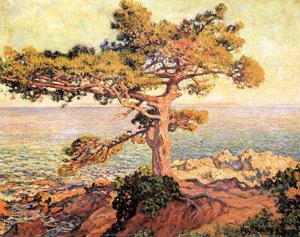
Theo van Rysselberghe’s 1917 canvas, *Peach Trees in Blossom, Cork Oaks and Goats*, is more than a simple depiction of a forest scene; it’s a carefully constructed meditation on light, color, and the serene beauty of the natural world. Painted during a pivotal moment in his artistic development – bridging the Impressionistic fervor with the burgeoning Neo-Impressionist interest in scientific color theory – this work exemplifies van Rysselberghe's unique approach to capturing the ephemeral qualities of atmosphere and form. The scene unfolds with a quiet dignity, dominated by the soft hues of blossoming fruit trees and the muted greens of oak foliage, creating an immediate sense of peace and contemplation.
Neo-Impressionist Techniques and the Pursuit of Luminosity
Van Rysselberghe’s technique reflects his engagement with Neo-Impressionism, a movement that sought to analyze and reproduce the scientific principles of light and color. While not employing strict pointillism – a hallmark of artists like Seurat – the painting demonstrates a deliberate layering of small, distinct brushstrokes, particularly noticeable in the rendering of the blossoms and foliage. This technique, intended to create an optical mixture of colors when viewed from a distance, results in a shimmering effect that imbues the scene with a remarkable sense of luminosity. The artist’s careful attention to detail, evident in the individual leaves and branches, further enhances this illusionistic quality. The use of oil on canvas allows for rich textures and subtle gradations of tone, contributing significantly to the painting's depth.
Symbolism Within a Natural Setting
Beyond its purely aesthetic qualities, *Peach Trees in Blossom* carries subtle symbolic weight. The presence of goats grazing peacefully within the forest evokes images of rural simplicity and pastoral harmony – a recurring theme in van Rysselberghe’s work. The inclusion of a solitary car in the background introduces an element of modernity, perhaps suggesting the encroachment of civilization upon the unspoiled beauty of nature, a tension that was increasingly relevant at the time. The vibrant blossoms themselves symbolize fertility, renewal, and the fleeting beauty of life – themes frequently explored by artists seeking to capture the essence of the natural world.
Historical Context and Artistic Influence
Created in 1917, a period marked by significant artistic experimentation and social upheaval, *Peach Trees in Blossom* represents a crucial step in van Rysselberghe’s artistic evolution. His work aligns with the broader trends of the early 20th century, reflecting a growing interest in subjective perception and the exploration of light's transformative power. Influenced by Impressionism’s emphasis on capturing fleeting moments and Post-Impressionism’s focus on personal expression, van Rysselberghe developed a distinctive style characterized by its luminous color palettes, delicate brushwork, and profound sensitivity to the natural world. This painting stands as a testament to his pioneering role in Belgian art.
- Artist: Theo van Rysselberghe
- Title: Peach Trees in Blossom, Cork Oaks and Goats
- Date: 1917
- Medium: Oil on Canvas
- Size: 54 x 65 cm
A meticulously crafted oil reproduction of *Peach Trees in Blossom, Cork Oaks and Goats* offers a unique opportunity to bring this captivating artwork into your home or office. ArtsDot’s skilled artisans faithfully recreate the original's nuances, ensuring that you experience the full beauty and emotional impact of van Rysselberghe’s masterpiece. Explore our handmade reproductions today: View Details
Ähnliche Kunstwerke
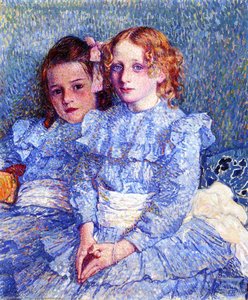
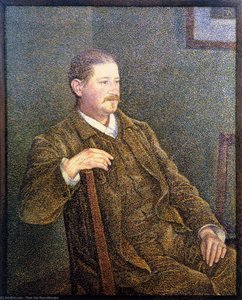
Über den Künstler
Frühes Leben und Ausbildung
Theo van Rysselberghe, eine bedeutende Figur in der europäischen Kunstszene des frühen 20. Jahrhunderts, wurde am 23. November 1862 in Gent, Belgien, in einer französischsprachigen bürgerlichen Familie geboren. Er begann seine künstlerische Laufbahn unter der Anleitung von Theo Canneel an der Akademie von Gent und studierte später ab 1879 an der Académie Royale des Beaux-Arts in Brüssel.Künstlerische Entwicklung und Einflüsse
Van Rysselberghes frühe Arbeiten, wie beispielsweise *Selbstbildnis mit Pfeife (1880)*, waren durch düstere Farben gekennzeichnet und spiegelten die belgische Realitätstradition jener Zeit wider. Sein *Kind in einer offenen Stelle des Waldes (1880)* markierte jedoch eine Abkehr von diesem Stil und einen frühen Schritt hin zum Impressionismus. Seine anschließenden Reisen nach Marokko (1882-1888) beeinflussten seine Arbeit maßgeblich, wie man an *Arabischer Strassenpflasterer (1882)*, *Arabischer Junge (1882)* und *Ruhender Wächter (1883)* erkennen kann.Gründung der Les XX und bedeutende Werke
Als Mitbegründer des belgischen Künstlerkreises Les XX am 28. Oktober 1883 spielte van Rysselberghe eine entscheidende Rolle in der europäischen Kunstszene. Seine *Arabische Phantasia (1884)*, ein großes, exotisches Gemälde, ist sein bekanntestes Werk aus dieser Zeit und zeugt von seiner Besessenheit vom Licht.- Wichtige Werke:
- *Spanische Frau (1881) *
- *Sevillanische Frau (1882)*
- *Abraham Sicsu, Dolmetscher in Tanger (1884)*
Wirken und Museumsbestände
Van Rysselberghes Vermächtnis ist in verschiedenen Museumsbeständen zu finden, darunter im Museum voor Schone Kunsten (Gent, Belgien), das mehrere seiner Werke beherbergt, wie beispielsweise *Eine Lesende* und *Selbstbildnis mit Pfeife [Skizze]*. Sein Einfluss auf die Entwicklung des Neo-Impressionismus in Europa ist unbestreitbar.- Museumsbestände:
- Musée du Luxembourg (Frankreich) - mit *Pointe-Saint-Pierre, Saint-Tropez*
- Theo van Rysselberghes Sammlung auf ArtsDot
Schlussfolgerung
Theo van Rysselberghe, ein belgischer neoimpressionistischer Maler, hat seine bleibenden Spuren in der europäischen Kunstszene hinterlassen. Seine künstlerische Entwicklung, beeinflusst von seinen Reisen und Interaktionen mit anderen Künstlern, führte zu einem einzigartigen Stil, der das Publikum weiterhin in seinen Bann zieht. Entdecken Sie weitere seiner Werke und seines Vermächtnisses auf ArtsDot.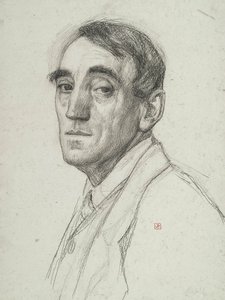
Theo van Rysselberghe
1862 - 1926 , Belgien
Kurzinfos
- Beeinflusste Künstler: ['Georges Seurat']
- Bemerkenswerte Werke:
- Regenbogen
- Arabischer Straßenkömmler
- Arabischer Junge
- Ruhender Wächter
- Geburtsdatum: 23. November 1862
- Geburtsort: Gent, Belgien
- Künstlerische Bewegung: Neo-Impressionismus
- Nationalität: Belgisch
- Sterbedatum: 13. Dezember 1926
- Vollständiger Name: Theo van Rysselberghe
Ähnliche Artikel

Postimpressionismus: Die 10 Meisterwerke, die eine Ära prägten –
Entdecken Sie die 10 Meisterwerke des Postimpressionismus! Van Gogh, Cézanne & Co. – ihre Geschichten, Techniken und zeitlose Schönheit. Kunstdrucke in Museumsqualiät auf . Jetzt entdecken!

Impressionistische Landschaften: Die 10 Meisterwerke, die eine Kunstrichtung prägten | ArtsDot
Entdecken Sie die 10 Meisterwerke des Impressionismus! Von Monet bis Van Gogh – erleben Sie die Geschichten hinter berühmten Landschaftsbildern. Hochwertige Kunst Reproduktionen für Ihr Zuhause auf ArtsDot.com.

Rembrandts Meisterwerke: Die Top 25 Kunstwerke für Ihr Zuhause | ArtsDot
Entdecken Sie Rembrandts 25 berühmteste Kunstwerke! Tauchen Sie ein in die Welt des Barock, Licht und Schatten & historischer Porträts. Hochwertige Reproduktionen für Ihr Zuhause – jetzt auf ArtsDot.com!

Impressionistische Landschaften: Die 10 Meisterwerke, die eine Epoche prägten | ArtsDot
Entdecken Sie die 10 Meisterwerke des Impressionismus! Von Monet bis Renoir – erleben Sie die Geschichte, Technik und zeitlose Schönheit ikonischer Landschaftsbilder. Hochwertige Kunstdrucke auf ArtsDot.com. Jetzt entdecken!

Katsushika Hokusai: Die 25 Meisterwerke des Ukiyo-e – Kunst für Ihr Zuhause | ArtsDot
Entdecken Sie die 25 Meisterwerke von Katsushika Hokusai! Tauchen Sie ein in die Welt des Ukiyo-e, berühmte Holzschnitte wie 'Die große Welle' & Fuji-Ansichten. Hochwertige Kunstdrucke für Ihr Zuhause – jetzt auf ArtsDot.com!