 Vorschau anzeigen
 Versenden
 Teilen
 Details anzeigen

 Herunterladen
 Ähnliche Objekte
 Röntgenaufnahme
 Diashow
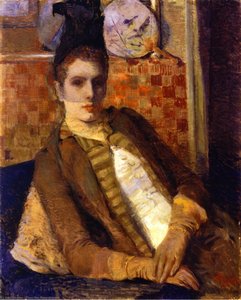
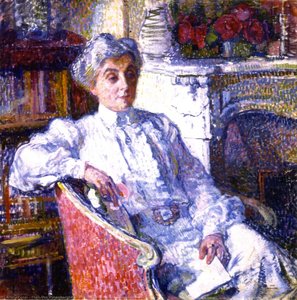
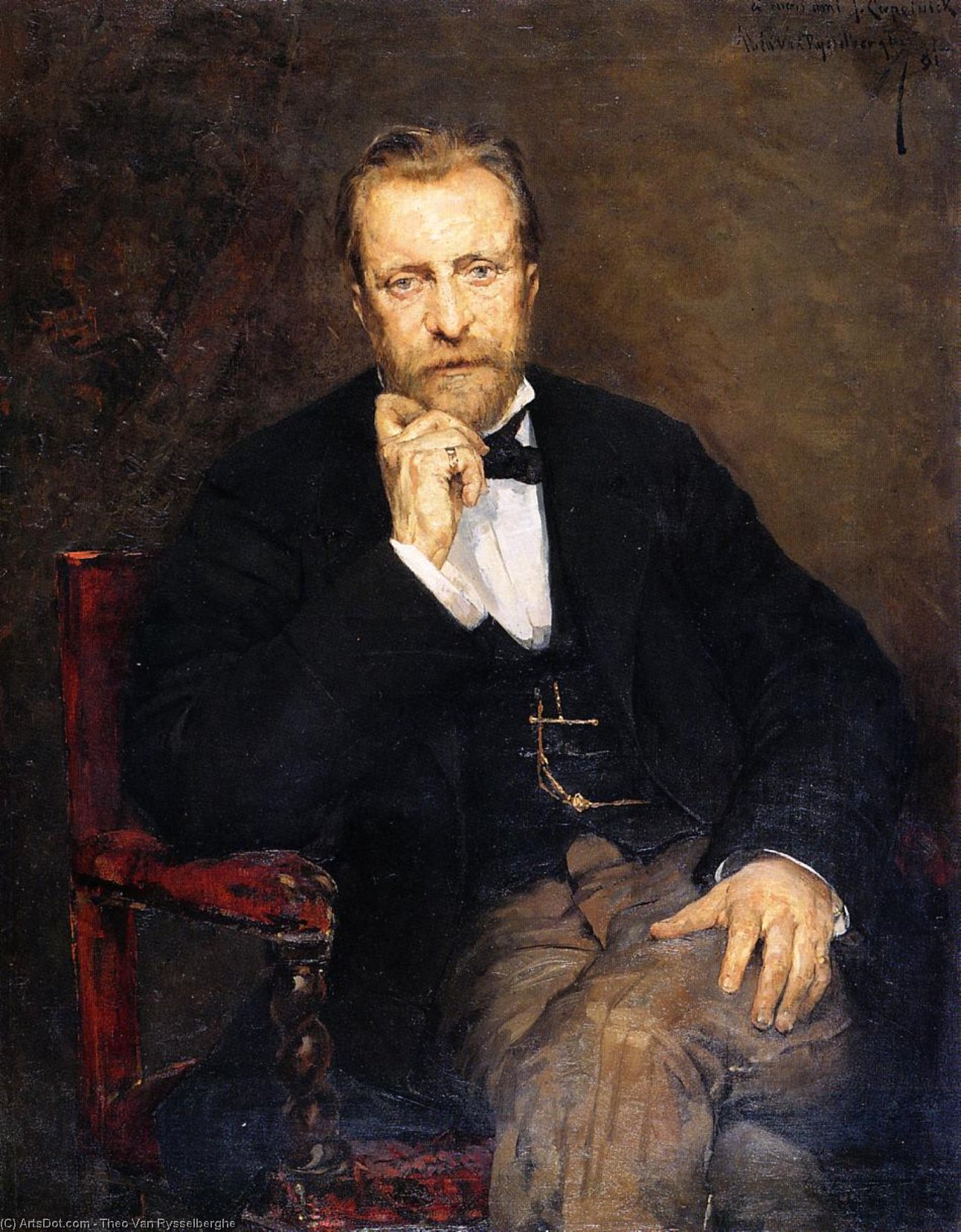
Portrait of Jean Cepeinick
 Acrylic On Canvas
- WallArt
- Neo-Impressionism
 1881
1881- 19th Century
 101.0 x 78.0 cm
 Musee des Beaux-Arts
 Weiterlesen
Giclée / Kunstdruck
Giclée- oder Leinwanddruck in Museumsqualität mit schneller Produktion und flexiblen Veredelungsoptionen. ( Handgemalte Reproduktion bestellen Bild kaufen)




P118B $10

P118H $10

P118W $10

P438Z $10

P508JH $12

P508YH $12

P805H $10

P805Z $10

P919BZ $10

P919G $10

P919XJ $10

P959ZH $10

P968JZ $12

W106C $8

W218G $10

W218JH $8

W218Y $10

W307PJ $10

W316G $10

W316PJ $8

W316Y $10

W398PJ $8

W4111J $10

W500HY $15

W500JH $15

W692G $12

W849H $8

W940BG $15

W953PJ $8




Wählen Sie aus unseren vordefinierten Formaten, die den ursprünglichen Proportionen des Kunstwerks entsprechen.

Sie können Ihre eigenen Maße eingeben, um ein bestimmtes Format oder einen speziellen Platz einzupassen. Wenn das von Ihnen gewählte Format nicht den Proportionen des Originalbildes entspricht, werden wir das Kunstwerk entweder beschneiden oder das Bild mit einem gespiegelten oder einfarbigen Rand erweitern. Ein digitaler Entwurf wird Ihnen zur Genehmigung zugesandt, bevor die Produktion beginnt.
Bitte beachten Sie, dass die Vorschau auf dem Bildschirm nicht den tatsächlichen Zuschnitt oder die Erweiterung widerspiegelt. Nur der Entwurf zeigt die endgültige Komposition präzise an.
Obwohl Sondermaße verfügbar sind, empfehlen wir die Auswahl eines Maßes aus der vordefinierten Liste, um die ursprünglichen Proportionen zu bewahren.
Weltweiter Versand () innerhalb von 2 Wochen statt der üblichen 4/5 Wochen. (25 August)

Kostenloser weltweiter Expressversand

Hochwertige Leinenleinwand

Umfassender Versicherungsschutz beim Versand

Zollgebühren-Rückerstattungsgarantie

Garantie für exakte Farbtreue

60 Tage Rückgaberecht (nur bei Mängeln)

100% Geld-zurück-Garantie

Mengenrabatt verfügbar
 Die Glasoption ist nur für Größen unter 110 cm verfügbar.

Portrait of Jean Cepeinick
Giclée / Kunstdruck
Format der Reproduktion
-


Gesamtpreis
$ 62
Sammlerstück-Beschreibung
Portrait of Jean Cepeinick: A Window into Belgian Neo-Impressionism
Theo van Rysselberghe’s “Portrait of Jean Cepeinick,” painted in 1881, isn't merely a likeness; it’s a carefully constructed tableau of quiet confidence and introspective contemplation. Housed within the hallowed halls of the Musée des Beaux-Arts in Ghent, Belgium, this oil on canvas offers a captivating glimpse into the burgeoning world of Belgian neo-impressionism – a movement that sought to revolutionize painting through a radical departure from traditional academic styles.
The subject himself, Jean Cepeinick, is depicted seated with an air of dignified composure. He’s dressed in the formal attire characteristic of the era, his posture suggesting both self-assurance and a subtle reserve. His gaze, directed slightly off-center within the composition, invites the viewer into a private world of thought. Van Rysselberghe masterfully captures this duality – the outward appearance of formality juxtaposed with an underlying sense of inner life.
The Pointillist Technique: A Symphony of Color
What immediately draws the eye is the painting’s distinctive technique—pointillism, a method championed by Van Rysselberghe and his contemporaries. Rather than blending colors directly on the canvas, he meticulously applied tiny dots of pure color – crimson, ochre, cerulean blue, and emerald green – to create an optical illusion of blended hues. This painstaking process, reminiscent of a mosaic, results in a shimmering surface that seems to subtly shift with the changing light. The effect is remarkably vibrant and luminous, capturing the fleeting qualities of light and atmosphere with astonishing precision.
Van Rysselberghe’s adoption of pointillism wasn't simply a stylistic choice; it represented a profound exploration of color theory and perception. He was deeply influenced by the work of Eugène Louis Primitivi and Georges Seurat, both pioneers of this technique. However, Van Rysselberghe imbued his pointillist approach with a uniquely personal sensibility, creating a visual experience that is both intellectually stimulating and emotionally resonant.
A Belgian Context: Les XX and the Dawn of Modernity
“Portrait of Jean Cepeinick” was created during a period of immense artistic ferment in Belgium. The painting’s creation coincided with the formation of “Les XX,” a revolutionary group of artists who challenged the conservative norms of the art establishment. This collective, which included figures like James Ensor and Fernand Khnopff, sought to break free from academic traditions and embrace new approaches to representation. Van Rysselberghe's work exemplifies this spirit of innovation, reflecting the group’s commitment to experimentation and a rejection of established artistic conventions.
The painting can be understood within the broader context of late 19th-century Europe, a time of rapid social, political, and technological change. Neo-Impressionism emerged as a response to these transformations, reflecting a desire to capture the dynamism and complexity of modern life through a radically new visual language.
Symbolic Resonance: Introspection and Quiet Dignity
Beyond its technical brilliance, “Portrait of Jean Cepeinick” possesses a subtle yet powerful symbolic resonance. The subject’s contemplative gaze suggests an inner world rich in thought and emotion. The carefully chosen details – the formal attire, the restrained pose – speak to a sense of dignity and self-awareness. It's not a portrait intended for immediate gratification; rather, it invites prolonged observation and reflection.
Van Rysselberghe’s ability to convey such depth through a seemingly simple depiction is a testament to his artistic skill and sensitivity. “Portrait of Jean Cepeinick” remains a captivating work of art, offering a poignant glimpse into the heart of Belgian neo-impressionism and the complexities of human experience.
Ähnliche Kunstwerke
Über den Künstler
Frühes Leben und Ausbildung
Theo van Rysselberghe, eine bedeutende Figur in der europäischen Kunstszene des frühen 20. Jahrhunderts, wurde am 23. November 1862 in Gent, Belgien, in einer französischsprachigen bürgerlichen Familie geboren. Er begann seine künstlerische Laufbahn unter der Anleitung von Theo Canneel an der Akademie von Gent und studierte später ab 1879 an der Académie Royale des Beaux-Arts in Brüssel.Künstlerische Entwicklung und Einflüsse
Van Rysselberghes frühe Arbeiten, wie beispielsweise *Selbstbildnis mit Pfeife (1880)*, waren durch düstere Farben gekennzeichnet und spiegelten die belgische Realitätstradition jener Zeit wider. Sein *Kind in einer offenen Stelle des Waldes (1880)* markierte jedoch eine Abkehr von diesem Stil und einen frühen Schritt hin zum Impressionismus. Seine anschließenden Reisen nach Marokko (1882-1888) beeinflussten seine Arbeit maßgeblich, wie man an *Arabischer Strassenpflasterer (1882)*, *Arabischer Junge (1882)* und *Ruhender Wächter (1883)* erkennen kann.Gründung der Les XX und bedeutende Werke
Als Mitbegründer des belgischen Künstlerkreises Les XX am 28. Oktober 1883 spielte van Rysselberghe eine entscheidende Rolle in der europäischen Kunstszene. Seine *Arabische Phantasia (1884)*, ein großes, exotisches Gemälde, ist sein bekanntestes Werk aus dieser Zeit und zeugt von seiner Besessenheit vom Licht.- Wichtige Werke:
- *Spanische Frau (1881) *
- *Sevillanische Frau (1882)*
- *Abraham Sicsu, Dolmetscher in Tanger (1884)*
Wirken und Museumsbestände
Van Rysselberghes Vermächtnis ist in verschiedenen Museumsbeständen zu finden, darunter im Museum voor Schone Kunsten (Gent, Belgien), das mehrere seiner Werke beherbergt, wie beispielsweise *Eine Lesende* und *Selbstbildnis mit Pfeife [Skizze]*. Sein Einfluss auf die Entwicklung des Neo-Impressionismus in Europa ist unbestreitbar.- Museumsbestände:
- Musée du Luxembourg (Frankreich) - mit *Pointe-Saint-Pierre, Saint-Tropez*
- Theo van Rysselberghes Sammlung auf ArtsDot
Schlussfolgerung
Theo van Rysselberghe, ein belgischer neoimpressionistischer Maler, hat seine bleibenden Spuren in der europäischen Kunstszene hinterlassen. Seine künstlerische Entwicklung, beeinflusst von seinen Reisen und Interaktionen mit anderen Künstlern, führte zu einem einzigartigen Stil, der das Publikum weiterhin in seinen Bann zieht. Entdecken Sie weitere seiner Werke und seines Vermächtnisses auf ArtsDot.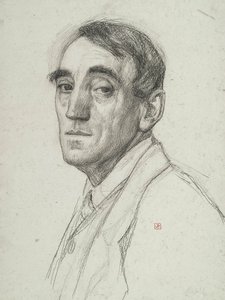
Theo van Rysselberghe
1862 - 1926 , Belgien
Kurzinfos
- Beeinflusste Künstler: ['Georges Seurat']
- Bemerkenswerte Werke:
- Regenbogen
- Arabischer Straßenkömmler
- Arabischer Junge
- Ruhender Wächter
- Geburtsdatum: 23. November 1862
- Geburtsort: Gent, Belgien
- Künstlerische Bewegung: Neo-Impressionismus
- Nationalität: Belgisch
- Sterbedatum: 13. Dezember 1926
- Vollständiger Name: Theo van Rysselberghe
Ähnliche Artikel
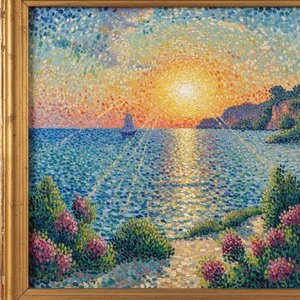
Théo van Rysselberghe: Pionier des belgischen Pointillismus und die Suche nach Luminosität
Entdecken Sie das faszinierende Werk von Théo van Rysselberghe, einem Pionier des belgischen Pointillismus! Erfahren Sie mehr über seine künstlerische Entwicklung, Meisterwerke und seinen Einfluss auf die moderne Malerei. Jetzt lesen!

Rembrandts Meisterwerke: Die Top 25 Kunstwerke für Ihr Zuhause | ArtsDot
Entdecken Sie Rembrandts 25 berühmteste Kunstwerke! Tauchen Sie ein in die Welt des Barock, Licht und Schatten & historischer Porträts. Hochwertige Reproduktionen für Ihr Zuhause – jetzt auf ArtsDot.com!
Frühniederländische Meisterwerke: 10 Gemälde, die eine Epoche prägten | ArtsDot
Entdecken Sie die 10 prägendsten Meisterwerke der Frühniederländischen Malerei! Von Jan van Eyck bis Rogier van der Weyden – erleben Sie Kunstgeschichte hautnah. Hochwertige Reproduktionen & Inspiration für Ihr Interieur auf ArtsDot.com.
Frühniederländische Renaissance: 10 Meisterwerke für Ihr Zuhause | ArtsDot
Entdecken Sie die 10 prägendsten Meisterwerke der Frühniederländischen Renaissance! Erfahren Sie mehr über Jan van Eyck, Rogier van der Weyden & Co. und ihre ikonischen Gemälde. Hochwertige Reproduktionen für Ihr Zuhause – jetzt auf ArtsDot.com!
Charles-André van Loo: A Study in Rococo Portraiture & the French Court's Artistic Dynamics
Explore the elegant world of Charles-André van Loo, a master of Rococo portraiture at the French court. Discover his life, techniques, and enduring influence on 18th-century art. Hand-painted reproductions available.