 Vorschau anzeigen
 Versenden
 Teilen
 Details anzeigen

 Herunterladen
 Ähnliche Objekte
 Röntgenaufnahme
 Diashow
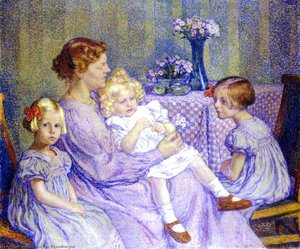
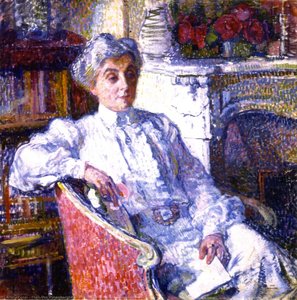
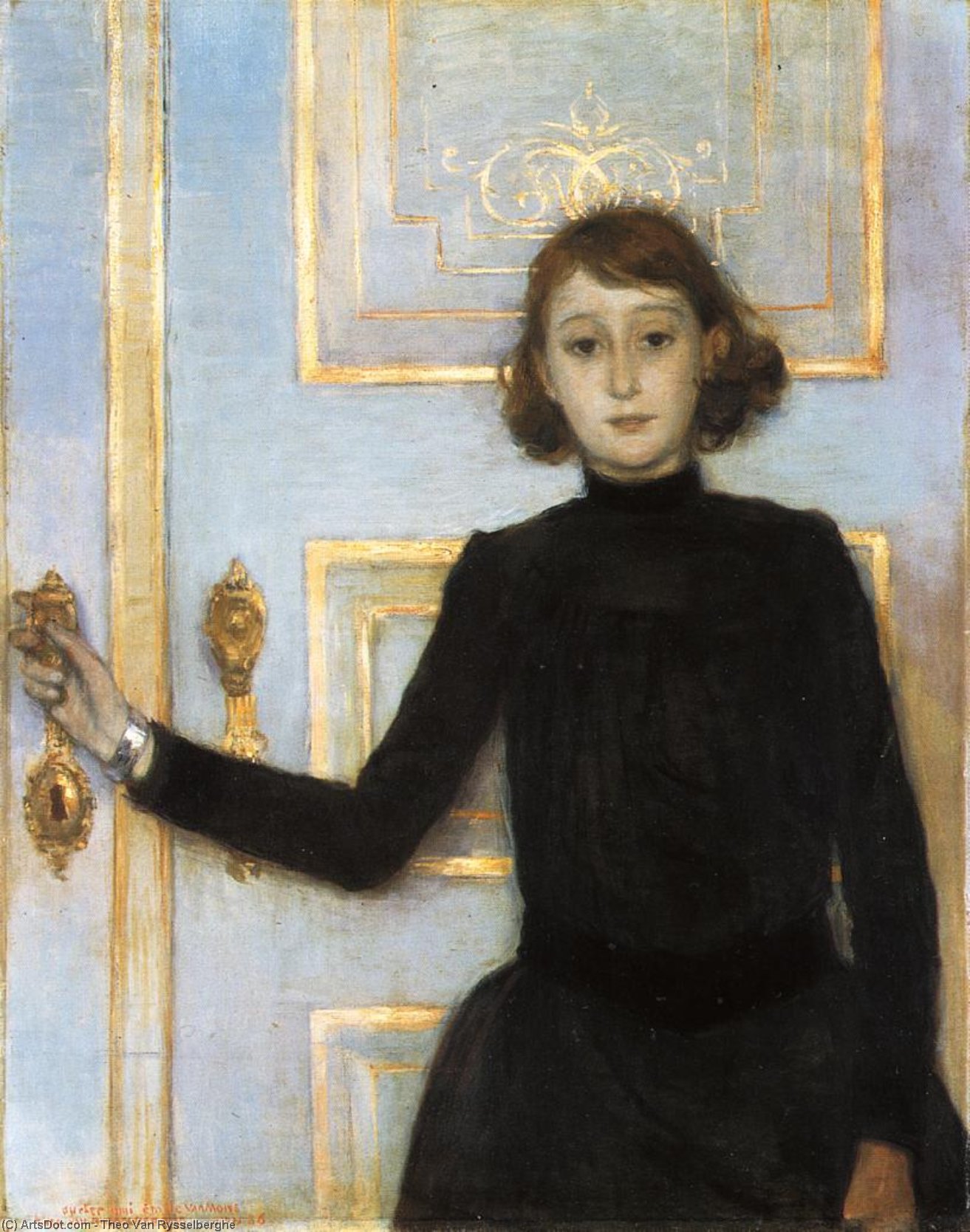
Portrait of Marguerite van Mons
 Acrylic On Canvas
- WallArt
- Neo-Impressionism
 1886
1886 90.0 x 70.0 cm
 Musee des Beaux-Arts
 Weiterlesen
Giclée / Kunstdruck
Giclée- oder Leinwanddruck in Museumsqualität mit schneller Produktion und flexiblen Veredelungsoptionen. ( Handgemalte Reproduktion bestellen Bild kaufen)




P118B $10

P118H $10

P118W $10

P438Z $10

P508JH $12

P508YH $12

P805H $10

P805Z $10

P919BZ $10

P919G $10

P919XJ $10

P959ZH $10

P968JZ $12

W106C $8

W218G $10

W218JH $8

W218Y $10

W307PJ $10

W316G $10

W316PJ $8

W316Y $10

W398PJ $8

W4111J $10

W500HY $15

W500JH $15

W692G $12

W849H $8

W940BG $15

W953PJ $8




Wählen Sie aus unseren vordefinierten Formaten, die den ursprünglichen Proportionen des Kunstwerks entsprechen.

Sie können Ihre eigenen Maße eingeben, um ein bestimmtes Format oder einen speziellen Platz einzupassen. Wenn das von Ihnen gewählte Format nicht den Proportionen des Originalbildes entspricht, werden wir das Kunstwerk entweder beschneiden oder das Bild mit einem gespiegelten oder einfarbigen Rand erweitern. Ein digitaler Entwurf wird Ihnen zur Genehmigung zugesandt, bevor die Produktion beginnt.
Bitte beachten Sie, dass die Vorschau auf dem Bildschirm nicht den tatsächlichen Zuschnitt oder die Erweiterung widerspiegelt. Nur der Entwurf zeigt die endgültige Komposition präzise an.
Obwohl Sondermaße verfügbar sind, empfehlen wir die Auswahl eines Maßes aus der vordefinierten Liste, um die ursprünglichen Proportionen zu bewahren.
Weltweiter Versand () innerhalb von 2 Wochen statt der üblichen 4/5 Wochen. (27 August)

Kostenloser weltweiter Expressversand

Hochwertige Leinenleinwand

Umfassender Versicherungsschutz beim Versand

Zollgebühren-Rückerstattungsgarantie

Garantie für exakte Farbtreue

60 Tage Rückgaberecht (nur bei Mängeln)

100% Geld-zurück-Garantie

Mengenrabatt verfügbar
 Die Glasoption ist nur für Größen unter 110 cm verfügbar.

Portrait of Marguerite van Mons
Giclée / Kunstdruck
Format der Reproduktion
-


Gesamtpreis
$ 62
Portrait of Marguerite van Mons: A Belgian Dream in Pointillist Light
The year is 1886. Ghent, Belgium—a city steeped in artistic tradition yet yearning for bold innovation—witnesses the creation of Theo van Rysselberghe’s “Portrait of Marguerite van Mons.” This isn't merely a likeness; it’s an evocative snapshot of childhood innocence imbued with a subtle melancholy, rendered through Van Rysselberghe’s masterful command of Pointillism. The painting, currently residing in the Museum of Fine Arts in Ghent, is more than just a beautiful image—it’s a window into the burgeoning artistic landscape of late 19th-century Europe and a testament to the artist's unique vision.
Van Rysselberghe, a pivotal figure bridging Impressionism and Neo-Impressionism, was deeply influenced by his travels to Morocco. These journeys ignited within him a fascination with light and color—a desire to capture not just what he saw, but how it *felt*. This influence is immediately apparent in the delicate interplay of hues that define “Portrait of Marguerite.” The pastel blue door, adorned with gilded details, isn’t simply painted; it's constructed from countless tiny dots of color, creating an astonishing sense of luminosity and depth. The artist meticulously layered these minuscule points, building up a vibrant surface that seems to shimmer with life.
A Child’s Contemplation: Symbolism and Narrative
Marguerite van Mons herself is the heart of this captivating portrait. At ten years old, she possesses an arresting stillness—a gaze that suggests both vulnerability and profound awareness. Her slightly parted lips and tilted head invite speculation; is she lost in thought, contemplating her place in the world, or perhaps simply observing the viewer with a quiet curiosity? The pose itself is subtly theatrical, drawing us into her private world. The simple black dress, a stark contrast to the vibrant background, emphasizes her youthfulness and innocence—a poignant reminder of the fleeting nature of childhood.
Beyond the immediate subject, the painting is rich in symbolic detail. The door, with its ornate embellishments, represents entry into adulthood – a threshold Marguerite is poised to cross. The two clocks visible within the scene subtly hint at the passage of time and the ephemeral beauty of youth. Van Rysselberghe’s choice to depict her hand resting on the doorknob suggests a moment of transition—a pause before embarking on a new chapter in her life. The painting is not just a portrait; it's a miniature narrative, brimming with unspoken emotions and subtle clues.
The Technique of Pointillism: A Symphony of Color
Van Rysselberghe’s mastery of Pointillism elevates “Portrait of Marguerite van Mons” beyond mere representation. This technique, pioneered by Georges Seurat and Paul Signac, involves applying small, distinct dots of pure color to the canvas. The viewer's eye then blends these colors together optically, creating a richer, more vibrant image than could be achieved with traditional brushstrokes. The effect is remarkably subtle yet profoundly impactful—a testament to Van Rysselberghe’s technical skill and his deep understanding of color theory.
Notice how the artist uses varying shades of blue to create the illusion of depth in the background, while simultaneously employing a delicate palette of pinks and yellows to capture the warmth of Marguerite's skin. Each tiny dot is carefully placed, contributing to the overall harmony and luminosity of the composition. It’s a painstaking process—one that required immense patience and precision—but the result is a breathtakingly beautiful painting that seems to radiate with an inner light.
A Legacy of Light: Van Rysselberghe's Enduring Influence
Theo van Rysselberghe’s “Portrait of Marguerite van Mons” stands as a significant work in the history of Belgian art. It exemplifies his innovative approach to color and composition, while also reflecting the broader artistic trends of the late 19th century. His exploration of light and emotion paved the way for future generations of artists—including those who would later embrace Fauvism and other avant-garde movements. Today, this captivating portrait continues to resonate with viewers, offering a glimpse into a bygone era and reminding us of the enduring power of art to capture beauty, mystery, and the fleeting moments of human experience.
Ähnliche Kunstwerke
Über den Künstler
Frühes Leben und Ausbildung
Theo van Rysselberghe, eine bedeutende Figur in der europäischen Kunstszene des frühen 20. Jahrhunderts, wurde am 23. November 1862 in Gent, Belgien, in einer französischsprachigen bürgerlichen Familie geboren. Er begann seine künstlerische Laufbahn unter der Anleitung von Theo Canneel an der Akademie von Gent und studierte später ab 1879 an der Académie Royale des Beaux-Arts in Brüssel.Künstlerische Entwicklung und Einflüsse
Van Rysselberghes frühe Arbeiten, wie beispielsweise *Selbstbildnis mit Pfeife (1880)*, waren durch düstere Farben gekennzeichnet und spiegelten die belgische Realitätstradition jener Zeit wider. Sein *Kind in einer offenen Stelle des Waldes (1880)* markierte jedoch eine Abkehr von diesem Stil und einen frühen Schritt hin zum Impressionismus. Seine anschließenden Reisen nach Marokko (1882-1888) beeinflussten seine Arbeit maßgeblich, wie man an *Arabischer Strassenpflasterer (1882)*, *Arabischer Junge (1882)* und *Ruhender Wächter (1883)* erkennen kann.Gründung der Les XX und bedeutende Werke
Als Mitbegründer des belgischen Künstlerkreises Les XX am 28. Oktober 1883 spielte van Rysselberghe eine entscheidende Rolle in der europäischen Kunstszene. Seine *Arabische Phantasia (1884)*, ein großes, exotisches Gemälde, ist sein bekanntestes Werk aus dieser Zeit und zeugt von seiner Besessenheit vom Licht.- Wichtige Werke:
- *Spanische Frau (1881) *
- *Sevillanische Frau (1882)*
- *Abraham Sicsu, Dolmetscher in Tanger (1884)*
Wirken und Museumsbestände
Van Rysselberghes Vermächtnis ist in verschiedenen Museumsbeständen zu finden, darunter im Museum voor Schone Kunsten (Gent, Belgien), das mehrere seiner Werke beherbergt, wie beispielsweise *Eine Lesende* und *Selbstbildnis mit Pfeife [Skizze]*. Sein Einfluss auf die Entwicklung des Neo-Impressionismus in Europa ist unbestreitbar.- Museumsbestände:
- Musée du Luxembourg (Frankreich) - mit *Pointe-Saint-Pierre, Saint-Tropez*
- Theo van Rysselberghes Sammlung auf ArtsDot
Schlussfolgerung
Theo van Rysselberghe, ein belgischer neoimpressionistischer Maler, hat seine bleibenden Spuren in der europäischen Kunstszene hinterlassen. Seine künstlerische Entwicklung, beeinflusst von seinen Reisen und Interaktionen mit anderen Künstlern, führte zu einem einzigartigen Stil, der das Publikum weiterhin in seinen Bann zieht. Entdecken Sie weitere seiner Werke und seines Vermächtnisses auf ArtsDot.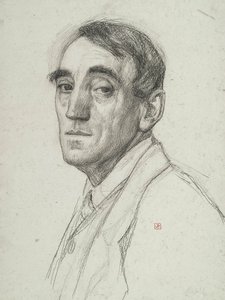
Theo van Rysselberghe
1862 - 1926 , Belgien
Kurzinfos
- Beeinflusste Künstler: ['Georges Seurat']
- Bemerkenswerte Werke:
- Regenbogen
- Arabischer Straßenkömmler
- Arabischer Junge
- Ruhender Wächter
- Geburtsdatum: 23. November 1862
- Geburtsort: Gent, Belgien
- Künstlerische Bewegung: Neo-Impressionismus
- Nationalität: Belgisch
- Sterbedatum: 13. Dezember 1926
- Vollständiger Name: Theo van Rysselberghe
Ähnliche Artikel
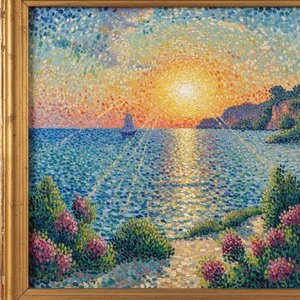
Théo van Rysselberghe: Pionier des belgischen Pointillismus und die Suche nach Luminosität
Entdecken Sie das faszinierende Werk von Théo van Rysselberghe, einem Pionier des belgischen Pointillismus! Erfahren Sie mehr über seine künstlerische Entwicklung, Meisterwerke und seinen Einfluss auf die moderne Malerei. Jetzt lesen!

Rembrandts Meisterwerke: Die Top 25 Kunstwerke für Ihr Zuhause | ArtsDot
Entdecken Sie Rembrandts 25 berühmteste Kunstwerke! Tauchen Sie ein in die Welt des Barock, Licht und Schatten & historischer Porträts. Hochwertige Reproduktionen für Ihr Zuhause – jetzt auf ArtsDot.com!
Frühniederländische Meisterwerke: 10 Gemälde, die eine Epoche prägten | ArtsDot
Entdecken Sie die 10 prägendsten Meisterwerke der Frühniederländischen Malerei! Von Jan van Eyck bis Rogier van der Weyden – erleben Sie Kunstgeschichte hautnah. Hochwertige Reproduktionen & Inspiration für Ihr Interieur auf ArtsDot.com.
Frühniederländische Renaissance: 10 Meisterwerke für Ihr Zuhause | ArtsDot
Entdecken Sie die 10 prägendsten Meisterwerke der Frühniederländischen Renaissance! Erfahren Sie mehr über Jan van Eyck, Rogier van der Weyden & Co. und ihre ikonischen Gemälde. Hochwertige Reproduktionen für Ihr Zuhause – jetzt auf ArtsDot.com!
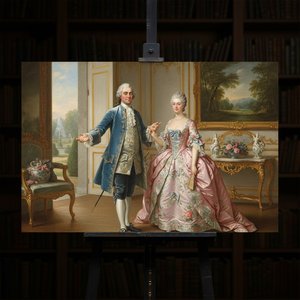
Charles-André van Loo: A Study in Rococo Portraiture & the French Court's Artistic Dynamics
Explore the elegant world of Charles-André van Loo, a master of Rococo portraiture at the French court. Discover his life, techniques, and enduring influence on 18th-century art. Hand-painted reproductions available.