 Vorschau anzeigen
 Versenden
 Teilen
 Details anzeigen

 Herunterladen
 Ähnliche Objekte
 Röntgenaufnahme
 Diashow
 Statistiken
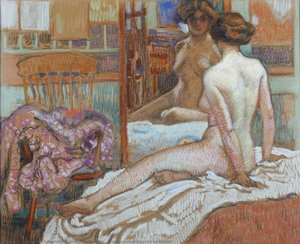
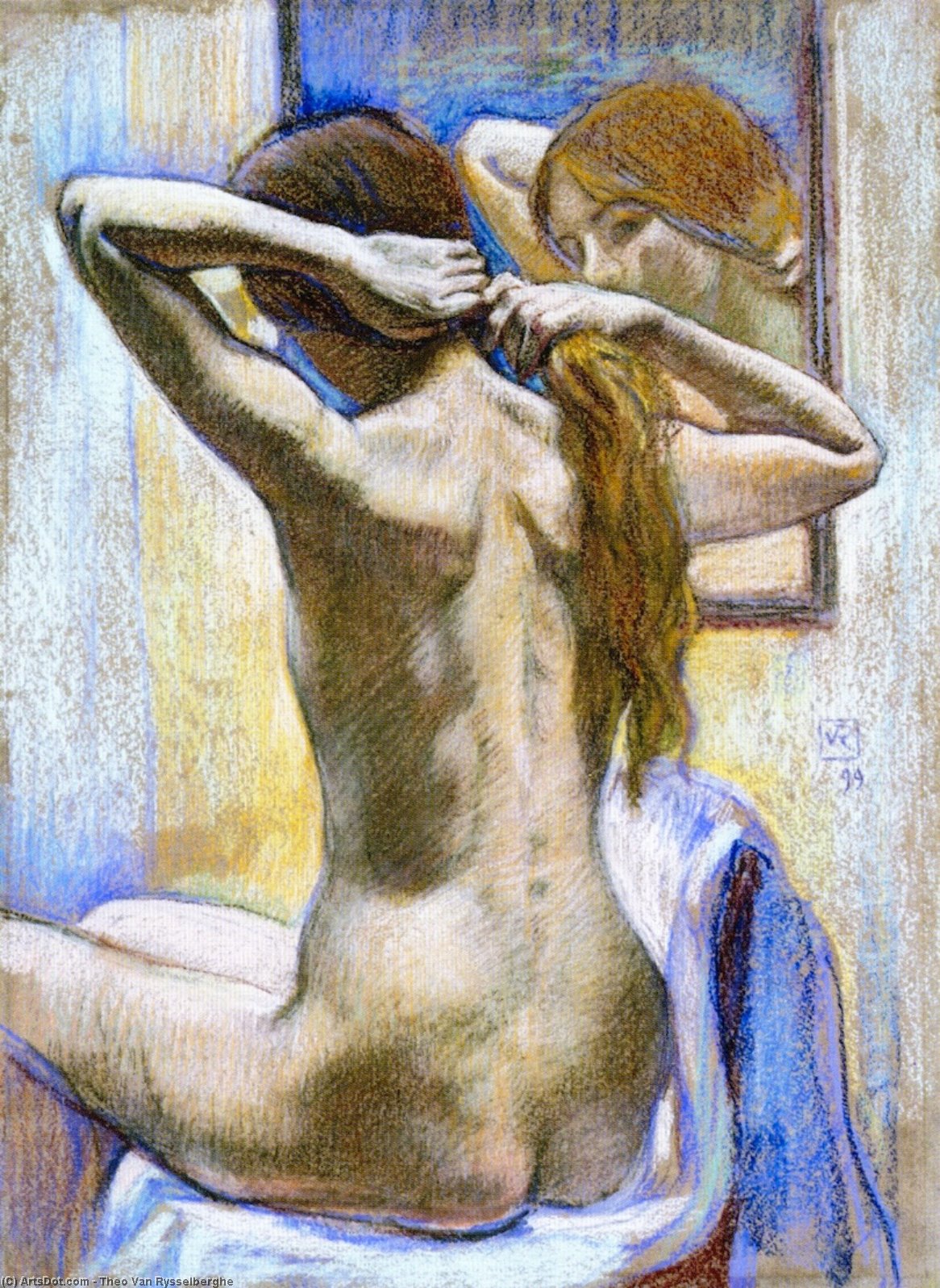
Study of Nude (also known as From the Back: Wiman in Mirror)
 Pastel
- Post-Impressionism
 1899
1899- 19th Century
 52.0 x 37.0 cm
 Weiterlesen
Handgefertigte Ölreproduktion
Handgemaltes Ölgemälde auf Leinwand in Ihrer Wunschgröße und mit Rahmen, auf Bestellung von unseren Künstlern angefertigt. ( Zu Druck wechseln Zum digitalen Bild wechseln)




P118B $10

P118H $10

P118W $10

P438Z $10

P508JH $12

P508YH $12

P805H $10

P805Z $10

P919BZ $10

P919G $10

P919XJ $10

P959ZH $10

P968JZ $12

W106C $8

W218G $10

W218JH $8

W218Y $10

W307PJ $10

W316G $10

W316PJ $8

W316Y $10

W398PJ $8

W4111J $10

W500HY $15

W500JH $15

W692G $12

W849H $8

W940BG $15

W953PJ $8




Wählen Sie aus unseren vordefinierten Formaten, die den ursprünglichen Proportionen des Kunstwerks entsprechen.

Sie können Ihre eigenen Maße eingeben, um einen bestimmten Rahmen oder Platz auszufüllen. Wenn die gewählte Größe nicht den Proportionen des Originalbildes entspricht, werden wir das Kunstwerk entweder beschneiden oder das Gemälde durch zusätzliche, handgemalte Elemente erweitern. Ein digitales Mockup wird Ihnen zur Genehmigung zugesandt, bevor die Produktion beginnt.
Bitte beachten Sie, dass die Bildschirmvorschau nicht die tatsächliche Beschneidung oder Erweiterung widerspiegelt. Nur das Mockup zeigt die endgültige Komposition exakt an.
Obwohl Sondermaße verfügbar sind, empfehlen wir, eine Größe aus der vordefinierten Liste zu wählen, um die ursprünglichen Proportionen beizubehalten.
Nach der Bestellung wird das ArtsDot.com-Team dem Kunden Anweisungen per E-Mail zusenden und eine Mockup-Vorschau bereitstellen.
Weltweiter Versand () in nur 3 bis 4 Wochen statt der üblichen 5 Wochen. (12 September). Keine Kompromisse bei der Qualität.

Kostenloser weltweiter Expressversand

Hochwertige Leinenleinwand

Umfassender Versicherungsschutz beim Versand

Zollgebühren-Rückerstattungsgarantie

Garantie für exakte Farbtreue

100-Tage-Rückgaberecht (nur bei Mängeln)

100% Geld-zurück-Garantie

Mengenrabatt verfügbar
 Die Glasoption ist nur für Größen unter 110 cm verfügbar.

Study of Nude (also known as From the Back: Wiman in Mirror)
Art der Reproduktion
Format der Reproduktion
-


Gesamtpreis
$ 263
An Intimate Encounter with Light and Form
In the quiet, luminous realm of Theo van Rysselberghe’s Study of Nude, also known as From the Back: Wiman in Mirror, we are invited into a moment of profound stillness. Created in 1899, this exquisite pastel work transcends a mere anatomical study to become a poetic meditation on self-awareness and the delicate interplay between reality and reflection. The scene captures a woman in a private, domestic ritual, seated before a mirror as she applies lotion to her back. There is an undeniable sense of intimacy here; the viewer feels less like a voyeur and as more of a silent witness to a fleeting moment of self-care. Through the artist's masterful hand, the mundane act of grooming is elevated to a sublime exploration of the human condition, where the boundaries between the physical body and its reflected image begin to blur.
The composition is masterfully orchestrated to draw the eye into the heart of the subject. By positioning the figure centrally and utilizing a vertical orientation, Van Rysselberghe ensures that the soft curves of the female form dominate our visual field. The use of a mirror introduces a fascinating psychological layer, creating a dual presence that encourages introspection. As we gaze upon the woman, we are simultaneously drawn to her reflection, a technique that emphasizes the theme of looking inward. This subtle flattening of perspective, characteristic of high-quality pastel work, allows the artist to prioritize the sculptural beauty of the body and the rhythmic folds of the cloth over traditional depth, resulting in a composition that feels both grounded and ethereal.
The Mastery of Post-Impressionist Technique
Technically, this piece stands as a triumph of the Post-Impressionist movement. Van Rysselberghe, a pioneer who bridged the gap between Impressionism and Neo-Impressionism, employs a sophisticated approach to texture and light. While his contemporaries often focused on the rapid application of color, here we see a meticulous layering of pastel sticks upon paper. This technique creates a tactile, almost velvety quality that mimics the softness of skin and the heavy drape of fabric. The artist utilizes small, deliberate strokes—reminiscent of Pointillist principles—to allow colors to blend optically within the viewer's eye, lending a unique luminosity to the flesh tones.
The lighting in the study is diffused and gentle, casting subtle shadows that define the contours of the spine and the nape of the neck without harsh transitions. This soft illumination enhances the three-dimensionality of the figure, making the subject feel present and breathing. For collectors and interior designers, this artwork offers a sophisticated palette of organic shapes and blended tones that can anchor a room with elegance. The interplay of light and shadow does more than just define form; it evokes an emotional atmosphere of quiet contemplation and vulnerability, making the piece a timeless addition to any curated collection of fine art reproductions.
A Timeless Symbol of Beauty and Reflection
Beyond its technical brilliance, the Study of Nude carries deep symbolic weight. The act of looking into a mirror is a universal symbol of identity and the search for truth. In this work, the mirror serves as a portal to self-reflection, representing the moment when an individual confronts their own essence. The softness of the pastel medium further reinforces this sense of vulnerability; there is nothing aggressive or loud about this piece—only the quiet, rhythmic beauty of existence. It captures the ephemeral nature of youth and the enduring grace of the human form.
For those seeking to bring a sense of tranquility and classical sophistication into their living spaces, this reproduction offers much more than decoration. It is an invitation to slow down and appreciate the subtle textures of life. Whether placed in a sunlit studio or a contemporary gallery-style lounge, Van Rysselberghe’s masterpiece serves as a focal point of grace, reminding us that even in the most private, everyday moments, there exists a profound and breathtaking artistry.
Ähnliche Kunstwerke
Über den Künstler
Frühes Leben und Ausbildung
Theo van Rysselberghe, eine bedeutende Figur in der europäischen Kunstszene des frühen 20. Jahrhunderts, wurde am 23. November 1862 in Gent, Belgien, in einer französischsprachigen bürgerlichen Familie geboren. Er begann seine künstlerische Laufbahn unter der Anleitung von Theo Canneel an der Akademie von Gent und studierte später ab 1879 an der Académie Royale des Beaux-Arts in Brüssel.Künstlerische Entwicklung und Einflüsse
Van Rysselberghes frühe Arbeiten, wie beispielsweise *Selbstbildnis mit Pfeife (1880)*, waren durch düstere Farben gekennzeichnet und spiegelten die belgische Realitätstradition jener Zeit wider. Sein *Kind in einer offenen Stelle des Waldes (1880)* markierte jedoch eine Abkehr von diesem Stil und einen frühen Schritt hin zum Impressionismus. Seine anschließenden Reisen nach Marokko (1882-1888) beeinflussten seine Arbeit maßgeblich, wie man an *Arabischer Strassenpflasterer (1882)*, *Arabischer Junge (1882)* und *Ruhender Wächter (1883)* erkennen kann.Gründung der Les XX und bedeutende Werke
Als Mitbegründer des belgischen Künstlerkreises Les XX am 28. Oktober 1883 spielte van Rysselberghe eine entscheidende Rolle in der europäischen Kunstszene. Seine *Arabische Phantasia (1884)*, ein großes, exotisches Gemälde, ist sein bekanntestes Werk aus dieser Zeit und zeugt von seiner Besessenheit vom Licht.- Wichtige Werke:
- *Spanische Frau (1881) *
- *Sevillanische Frau (1882)*
- *Abraham Sicsu, Dolmetscher in Tanger (1884)*
Wirken und Museumsbestände
Van Rysselberghes Vermächtnis ist in verschiedenen Museumsbeständen zu finden, darunter im Museum voor Schone Kunsten (Gent, Belgien), das mehrere seiner Werke beherbergt, wie beispielsweise *Eine Lesende* und *Selbstbildnis mit Pfeife [Skizze]*. Sein Einfluss auf die Entwicklung des Neo-Impressionismus in Europa ist unbestreitbar.- Museumsbestände:
- Musée du Luxembourg (Frankreich) - mit *Pointe-Saint-Pierre, Saint-Tropez*
- Theo van Rysselberghes Sammlung auf ArtsDot
Schlussfolgerung
Theo van Rysselberghe, ein belgischer neoimpressionistischer Maler, hat seine bleibenden Spuren in der europäischen Kunstszene hinterlassen. Seine künstlerische Entwicklung, beeinflusst von seinen Reisen und Interaktionen mit anderen Künstlern, führte zu einem einzigartigen Stil, der das Publikum weiterhin in seinen Bann zieht. Entdecken Sie weitere seiner Werke und seines Vermächtnisses auf ArtsDot.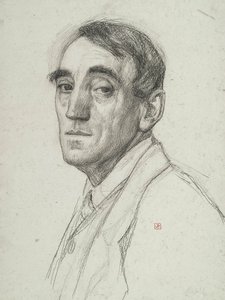
Theo van Rysselberghe
1862 - 1926 , Belgien
Kurzinfos
- Beeinflusste Künstler: ['Georges Seurat']
- Bemerkenswerte Werke:
- Regenbogen
- Arabischer Straßenkömmler
- Arabischer Junge
- Ruhender Wächter
- Geburtsdatum: 23. November 1862
- Geburtsort: Gent, Belgien
- Künstlerische Bewegung: Neo-Impressionismus
- Nationalität: Belgisch
- Sterbedatum: 13. Dezember 1926
- Vollständiger Name: Theo van Rysselberghe
Ähnliche Artikel
Impressionismus und Postimpressionismus: Eine vergleichende Analyse
Entdecken Sie die Welt des Impressionismus und Postimpressionismus! Expertenwissen über Künstler wie Monet, Van Gogh & Cézanne. Jetzt lesen!
Postimpressionismus: Die 10 Meisterwerke, die eine Ära prägten –
Entdecken Sie die 10 Meisterwerke des Postimpressionismus! Van Gogh, Cézanne & Co. – ihre Geschichten, Techniken und zeitlose Schönheit. Kunstdrucke in Museumsqualiät auf . Jetzt entdecken!

Rembrandts Meisterwerke: Die Top 25 Kunstwerke für Ihr Zuhause | ArtsDot
Entdecken Sie Rembrandts 25 berühmteste Kunstwerke! Tauchen Sie ein in die Welt des Barock, Licht und Schatten & historischer Porträts. Hochwertige Reproduktionen für Ihr Zuhause – jetzt auf ArtsDot.com!
Théo van Rysselberghe: Pionier des belgischen Pointillismus und die Suche nach Luminosität
Entdecken Sie das faszinierende Werk von Théo van Rysselberghe, einem Pionier des belgischen Pointillismus! Erfahren Sie mehr über seine künstlerische Entwicklung, Meisterwerke und seinen Einfluss auf die moderne Malerei. Jetzt lesen!
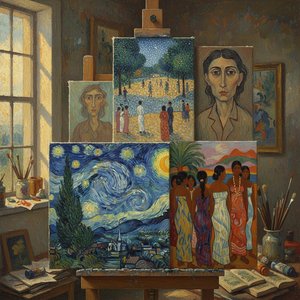
Jenseits des Impressionismus: Die emotionale Tiefe der postimpressionistischen Malerei
Entdecken Sie die emotionale Tiefe des Postimpressionismus! Analysieren Sie Cézanne, van Gogh, Gauguin & Seurat. Expertenwissen über Kunstgeschichte und Einfluss auf die Moderne.