 Vorschau anzeigen
 Versenden
 Teilen
 Details anzeigen

 Herunterladen
 Ähnliche Objekte
 Röntgenaufnahme
 Diashow
Time Reveals the Truth
 Oil On Canvas
- WallArt
- Baroque Drama
 1657
1657- Early Modern
 141.0 x 173.0 cm
 Eremitage Museum
 Weiterlesen
Handgefertigte Ölreproduktion
Handgemaltes Ölgemälde auf Leinwand in Ihrer Wunschgröße und mit Rahmen, auf Bestellung von unseren Künstlern angefertigt. ( Druck bestellen Bild kaufen)




P118B $10

P118H $10

P118W $10

P438Z $10

P508JH $12

P508YH $12

P805H $10

P805Z $10

P919BZ $10

P919G $10

P919XJ $10

P959ZH $10

P968JZ $12

W106C $8

W218G $10

W218JH $8

W218Y $10

W307PJ $10

W316G $10

W316PJ $8

W316Y $10

W398PJ $8

W4111J $10

W500HY $15

W500JH $15

W692G $12

W849H $8

W940BG $15

W953PJ $8




Wählen Sie aus unseren vordefinierten Formaten, die den ursprünglichen Proportionen des Kunstwerks entsprechen.

Sie können Ihre eigenen Maße eingeben, um einen bestimmten Rahmen oder Platz auszufüllen. Wenn die gewählte Größe nicht den Proportionen des Originalbildes entspricht, werden wir das Kunstwerk entweder beschneiden oder das Gemälde durch zusätzliche, handgemalte Elemente erweitern. Ein digitales Mockup wird Ihnen zur Genehmigung zugesandt, bevor die Produktion beginnt.
Bitte beachten Sie, dass die Bildschirmvorschau nicht die tatsächliche Beschneidung oder Erweiterung widerspiegelt. Nur das Mockup zeigt die endgültige Komposition exakt an.
Obwohl Sondermaße verfügbar sind, empfehlen wir, eine Größe aus der vordefinierten Liste zu wählen, um die ursprünglichen Proportionen beizubehalten.
Nach der Bestellung wird das ArtsDot.com-Team dem Kunden Anweisungen per E-Mail zusenden und eine Mockup-Vorschau bereitstellen.
Weltweiter Versand () in nur 3 bis 4 Wochen statt der üblichen 5 Wochen. (20 August). Keine Kompromisse bei der Qualität.

Kostenloser weltweiter Expressversand

Hochwertige Leinenleinwand

Umfassender Versicherungsschutz beim Versand

Zollgebühren-Rückerstattungsgarantie

Garantie für exakte Farbtreue

60 Tage Rückgaberecht (nur bei Mängeln)

100% Geld-zurück-Garantie

Mengenrabatt verfügbar
 Die Glasoption ist nur für Größen unter 110 cm verfügbar.

Time Reveals the Truth
Art der Reproduktion
Format der Reproduktion
-


Gesamtpreis
$ 263
Beschreibung des Kunstwerks
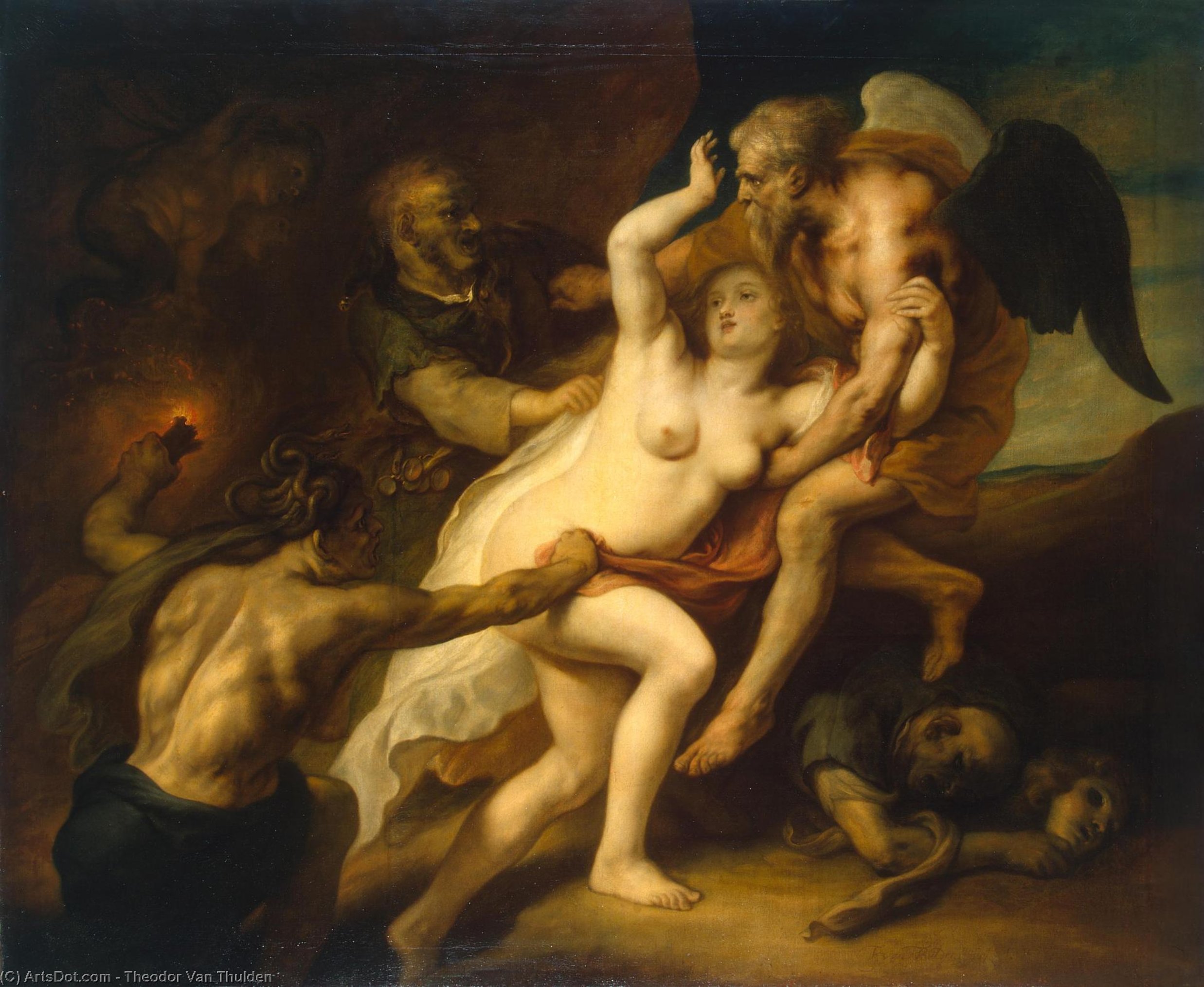
A Moment Frozen in Time: Exploring “Time Reveals the Truth” by Theodor van Thulden
The painting "Time Reveals the Truth," executed in 1657 by Theodor van Thulden, stands as a testament to the burgeoning Baroque aesthetic and a poignant reflection on human vulnerability. More than just a depiction of figures within a room, it’s an immersive experience designed to provoke contemplation about mortality and acceptance – themes central to the spiritual fervor that gripped Europe during the mid-17th century.The Artist's Vision: Rubensian Influence and Dutch Tradition
Theodoor van Thulden’s artistic lineage is inextricably linked to Peter Paul Rubens, arguably the most celebrated Flemish painter of his era. Rubens championed a dramatic style characterized by opulent color palettes and dynamic compositions, prioritizing emotional intensity over strict realism. Van Thulden absorbed these influences, blending them seamlessly with established Dutch traditions focused on meticulous detail and nuanced tonal gradations. This harmonious fusion resulted in an artwork that possesses both grandeur and intimacy – qualities particularly evident in his celebrated depictions of village festivals and weddings. These smaller canvases served as a crucial conduit for disseminating Rubensian ideals throughout the Netherlands.Technique and Material: Mastering Oil Paint
Van Thulden’s masterful command of oil paint is immediately apparent upon observation. The canvas itself, measuring 141 x 173 cm, showcases an impressive expanse of textured surface achieved through layering thin glazes over a preparatory underpainting. This technique allowed for unparalleled control over color and luminosity – crucial elements in conveying the painting’s subdued yet emotionally resonant atmosphere. Notice particularly the subtle gradations of brown tones dominating the palette; these hues weren't merely decorative choices but deliberate expressions of solemnity and contemplation, mirroring the prevailing mood of the period. The artist skillfully utilized impasto—thickly applied paint—to sculpt form and create visual depth, enhancing the dramatic impact of the scene.Historical Context: Religious Symbolism Amidst Uncertainty
“Time Reveals the Truth” emerged during a turbulent time in European history – the Dutch Golden Age was simultaneously marked by flourishing artistic creativity alongside increasing anxieties about religious dogma and papal authority following the Thirty Years’ War. The nude figure at the center of the composition is not merely anatomical accuracy; it embodies a deliberate allusion to biblical imagery, specifically Genesis 3:22, where Eve is depicted as naked after being banished from Eden. This symbolic gesture speaks to the inescapable reality of human mortality and the acceptance of God's judgment – concepts deeply ingrained in Baroque spirituality. The positioning of the men surrounding the woman underscores this theme, representing guardianship and perhaps even a futile attempt to shield her from the inevitable passage of time.Emotional Resonance: A Portrait of Quiet Dignity
Despite its dramatic subject matter, “Time Reveals the Truth” exudes an aura of profound serenity. The muted colors contribute significantly to this effect, fostering a contemplative mood that invites viewers to consider existential questions. The artist’s meticulous attention to detail—the bowl on the ground, the carefully rendered drapery—adds to the painting's realism while simultaneously grounding it in a tangible environment. Ultimately, Van Thulden succeeds in capturing not just a visual representation but an emotional state – one characterized by quiet dignity and acceptance of life’s transient nature. It remains a powerful reminder that beauty can reside within solemn contemplation and that art possesses the capacity to illuminate the deepest recesses of human experience.Ähnliche Kunstwerke

Über den Künstler
Early Life and Training
Theodoor van Thulden, a pivotal figure in the Dutch Baroque art scene, was born on August 9th, 1606, in ‘s-Hertogenbosch, North Brabant. His lineage intertwined with the world of craftsmanship; his father, Jacob Gerits van Tulden, was an orfèvre (a skilled artisan specializing in metalwork), engaging in the lucrative trade of textiles. His mother, Heylwich (Heylke) van Meurs, descended from another family of orfévres – Dierck Aerts van Moers. This familial connection to artistry provided a fertile ground for Theodoor’s burgeoning talent. His artistic journey commenced under the tutelage of Abraham van Blijenberch, a respected painter and portraitist, beginning in 1622. Van Blijenberch, having previously worked as a court painter in London for King James I, instilled in young Theodoor a foundational understanding of composition, technique, and the nuances of capturing human form – skills that would prove invaluable throughout his career. The early years were marked by diligent study and apprenticeship, laying the groundwork for his future artistic endeavors.Artistic Career and Influences
Van Thulden’s formal training culminated in his acceptance as a master within the Guild of St. Luke in Antwerp in 1627 – a significant milestone signifying his mastery of painting techniques and professional standing. This move to Antwerp, a vibrant center for artistic innovation during this period, proved instrumental in shaping his style and expanding his network. Crucially, Van Thulden’s work was profoundly influenced by the towering figure of Peter Paul Rubens, arguably the most celebrated painter of the Flemish Baroque. The two artists maintained a close working relationship, with Rubens frequently commissioning Van Thulden for various projects, including the elaborate decorations for the “Joyous Entry” (Pompa Introitus) of Cardinal-Infante Ferdinand in Antwerp in 1635. This monumental undertaking showcased Van Thulden’s ability to execute complex designs and collaborate effectively within a large artistic team. Rubens's influence is readily apparent in Van Thulden’s compositions – the dynamic movement, rich colors, dramatic lighting, and theatrical flair characteristic of the Baroque style are all hallmarks of his work. However, it’s important to note that Van Thulden didn’t simply mimic Rubens; he developed a distinct artistic voice, blending Flemish tradition with elements of Mannerism, particularly evident in his early works.Notable Works and Collaborations
Van Thulden's oeuvre encompasses a diverse range of subjects, including mythological scenes, allegorical representations, historical narratives, portraits, and depictions of village festivals and weddings – often imbued with a quiet dignity and elegance. One of his most celebrated achievements is “Triumph der Galathea” (1659), now housed in the Picture Gallery Sanssouci in Potsdam, Germany. This monumental painting exemplifies Van Thulden’s mastery of composition, color, and dramatic storytelling. His collaboration with Rubens on the decorations for the “Joyous Entry” remains a testament to their artistic synergy – a complex undertaking that required meticulous planning, skillful execution, and a shared vision. Beyond these major projects, Van Thulden produced numerous altarpieces for churches throughout Flanders and the Netherlands, each reflecting his evolving style and technical skill. His engravings, particularly those depicting scenes from Odysseus’s journey, demonstrate his talent as a printmaker and further solidified his reputation as a versatile artist.Museum Collections and Historical Significance
The legacy of Theodoor van Thulden is preserved in several prominent collections across Europe. The Rijksmuseum in Amsterdam houses an impressive collection of prints, drawings, and photographs by Van Thulden and his contemporaries – providing invaluable insights into the artistic landscape of the 17th century. His “Triumph der Galathea” remains a focal point for art historians and enthusiasts alike, offering a compelling glimpse into the grandeur and sophistication of Baroque painting. Furthermore, exploring the collections at ArtsDot.com offers a more comprehensive view of his work and its context within the broader artistic tradition. Theodoor van Thulden’s contributions to Dutch art are significant; he stands as a key figure in bridging the gap between Flemish and Dutch artistic styles, embodying the dynamism and innovation that characterized the Baroque period. His works continue to be studied and admired for their beauty, technical skill, and enduring appeal.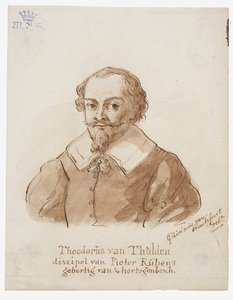
Theodor van Thulden
1606 - 1669 , Niederlande
Kurzinfos
- Artistic Movement Or Style: Barock
- Artists Or Movements Influenced By This Artist: ['Flämischer Barock']
- Artists Who Influenced This Artist: ['Peter Paul Rubens']
- Date Of Birth: 9. August 1606
- Date Of Death: 12. Juli 1669
- Full Name: Theodoor van Thulden
- Nationality: Niederländer
- Notable Artworks:
- Triumph der Galathea
- Venus und Adonis
- Place Of Birth: Den Bosch, Niederlande
Ähnliche Artikel
Van Goghs Meisterwerke: Die Top 25 für Kunstliebhaber & Ihr Zuhause
Entdecken Sie die Top 25 Gemälde von Vincent van Gogh! Erleben Sie die Geschichten hinter Sternennacht, Sonnenblumen & mehr. Hochwertige Van Gogh Reproduktionen für Ihr Zuhause – jetzt auf ArtsDot.com!

Die 10 Meisterwerke der niederländischen Barockmalerei – Kunst für Ihr Zuhause | ArtsDot
Entdecken Sie die 10 prägendsten Meisterwerke der niederländischen Barockmalerei! Von Rembrandt bis Vermeer – erleben Sie Kunstgeschichte, Techniken & Emotionen. Hochwertige Reproduktionen für Ihr Zuhause auf ArtsDot.com.

Rembrandts Meisterwerke: Die Top 25 Kunstwerke für Ihr Zuhause | ArtsDot
Entdecken Sie Rembrandts 25 berühmteste Kunstwerke! Tauchen Sie ein in die Welt des Barock, Licht und Schatten & historischer Porträts. Hochwertige Reproduktionen für Ihr Zuhause – jetzt auf ArtsDot.com!

Golden Age Reflections: Dutch Baroque Painting & Cultural Innovation
Explore the Dutch Golden Age of painting! Discover key artists like Vermeer & ter Borch, their innovative techniques, and the rich cultural context behind these Baroque masterpieces. Learn about collecting & appreciating this iconic art period.
Cornelis van Poelenburch: Bridging Mannerism & the Dutch Baroque Landscape
Discover Cornelis van Poelenburch, a pivotal Dutch Baroque landscape painter bridging Mannerism & Italianate styles. Explore his life, key works, and lasting influence on 17th-century art with ArtsDot.