 Vorschau anzeigen
 Versenden
 Teilen
 Details anzeigen

 Herunterladen
 Ähnliche Objekte
 Röntgenaufnahme
 Diashow
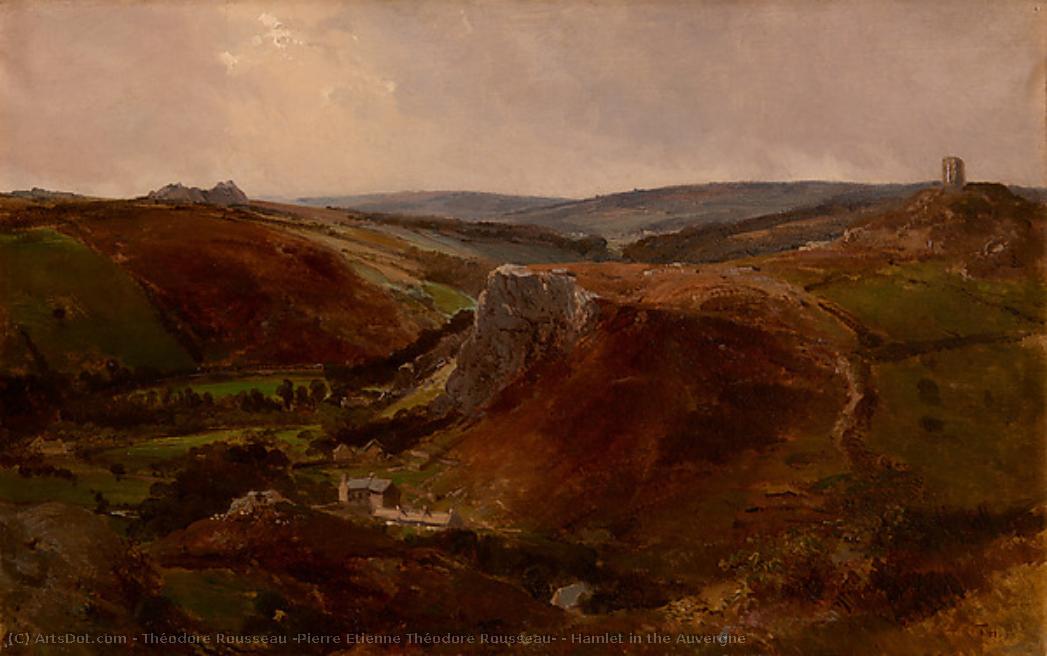
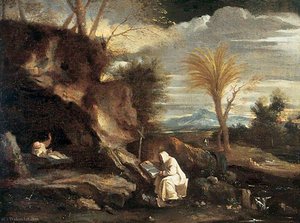
Hamlet in the Auvergne
 Acrylic On Canvas
- WallArt
- Barbizon School
 1830
1830 35.0 x 53.0 cm
 Metropolitan Museum of Art
 Weiterlesen
Handgefertigte Ölreproduktion
Handgemaltes Ölgemälde auf Leinwand in Ihrer Wunschgröße und mit Rahmen, auf Bestellung von unseren Künstlern angefertigt. ( Druck bestellen Bild kaufen)




P118B $10

P118H $10

P118W $10

P438Z $10

P508JH $12

P508YH $12

P805H $10

P805Z $10

P919BZ $10

P919G $10

P919XJ $10

P959ZH $10

P968JZ $12

W106C $8

W218G $10

W218JH $8

W218Y $10

W307PJ $10

W316G $10

W316PJ $8

W316Y $10

W398PJ $8

W4111J $10

W500HY $15

W500JH $15

W692G $12

W849H $8

W940BG $15

W953PJ $8




Wählen Sie aus unseren vordefinierten Formaten, die den ursprünglichen Proportionen des Kunstwerks entsprechen.

Sie können Ihre eigenen Maße eingeben, um einen bestimmten Rahmen oder Platz auszufüllen. Wenn die gewählte Größe nicht den Proportionen des Originalbildes entspricht, werden wir das Kunstwerk entweder beschneiden oder das Gemälde durch zusätzliche, handgemalte Elemente erweitern. Ein digitales Mockup wird Ihnen zur Genehmigung zugesandt, bevor die Produktion beginnt.
Bitte beachten Sie, dass die Bildschirmvorschau nicht die tatsächliche Beschneidung oder Erweiterung widerspiegelt. Nur das Mockup zeigt die endgültige Komposition exakt an.
Obwohl Sondermaße verfügbar sind, empfehlen wir, eine Größe aus der vordefinierten Liste zu wählen, um die ursprünglichen Proportionen beizubehalten.
Nach der Bestellung wird das ArtsDot.com-Team dem Kunden Anweisungen per E-Mail zusenden und eine Mockup-Vorschau bereitstellen.
Weltweiter Versand () in nur 3 bis 4 Wochen statt der üblichen 5 Wochen. (28 August). Keine Kompromisse bei der Qualität.

Kostenloser weltweiter Expressversand

Hochwertige Leinenleinwand

Umfassender Versicherungsschutz beim Versand

Zollgebühren-Rückerstattungsgarantie

Garantie für exakte Farbtreue

60 Tage Rückgaberecht (nur bei Mängeln)

100% Geld-zurück-Garantie

Mengenrabatt verfügbar
 Die Glasoption ist nur für Größen unter 110 cm verfügbar.

Hamlet in the Auvergne
Art der Reproduktion
Format der Reproduktion
-


Gesamtpreis
$ 263
The Soul of the Forest: Théodore Rousseau’s *Hamlet in the Auvergne*
Théodore Rousseau's 1830 painting, *Hamlet in the Auvergne*, isn’t merely a landscape; it’s a profound meditation on humanity’s relationship with nature and the quiet dignity of rural life. Nestled within the rugged folds of central France’s Auvergne region—a land of dramatic cliffs and swelling hills—the scene unfolds as if from a high vantage point, capturing a small, unassuming hamlet clinging to the base of a formidable precipice. Rousseau, a pivotal figure in the Barbizon School, eschewed the polished idealism of academic painting, instead embracing a directness and emotional honesty that resonated deeply with his contemporaries. This work exemplifies his core philosophy: to paint not just what he saw, but how he felt about what he saw—a sentiment powerfully expressed through the subtle shifts in light, texture, and color.
Rousseau’s technique is characterized by a remarkable sensitivity to atmosphere. He employs loose, expressive brushstrokes – a hallmark of the Barbizon style – that capture the essence of the landscape rather than meticulously rendering every detail. The palette is muted yet vibrant, dominated by earthy browns, greens, and greys, punctuated by flashes of blue sky and the warm ochre of the stone buildings. Notice how he uses *sfumato*, a technique borrowed from Leonardo da Vinci, to soften edges and create an almost hazy effect, lending the scene a sense of timelessness and mystery. The composition itself is carefully balanced, drawing the eye through the layered hills and towards the distant hamlet, creating a feeling of both intimacy and vastness.
A Moment in Time: Context and Inspiration
The Auvergne region held a particular significance for Rousseau. He spent several summers sketching in this area, drawn to its raw beauty and the simple lives of its inhabitants. This excursion wasn’t simply a commissioned task; it was a deeply personal journey of discovery. As he himself described, the landscape ignited within him an intense emotional response—a desire to capture not just the physical appearance of the region but also the spirit of its people and the profound connection between humanity and the natural world. The painting reflects this intimate engagement with the subject matter, conveying a sense of quiet contemplation and reverence.
The historical context is equally important. Rousseau’s work emerged during a period of significant social and artistic change in France. The Romantic movement was challenging traditional artistic conventions, emphasizing emotion, imagination, and the beauty of nature. Artists like Rousseau were rejecting the rigid rules of the *Académie des Beaux-Arts* and seeking inspiration directly from the natural world. The painting can be seen as a response to the growing urbanization and industrialization of France, a yearning for a simpler, more authentic way of life—a sentiment that resonated powerfully with audiences at the time.
Symbolism and Emotional Resonance
Beyond its picturesque beauty, *Hamlet in the Auvergne* is rich in symbolic meaning. The isolated hamlet represents resilience and self-sufficiency – a small community finding harmony within a challenging environment. The steep cliffs symbolize both obstacles and opportunities—a reminder of humanity’s vulnerability but also its capacity for endurance. The muted colors evoke a sense of melancholy and introspection, reflecting the artist's own feelings about the relationship between man and nature. There is an underlying current of solitude, yet also a feeling of peace and contentment.
Rousseau masterfully captures this emotional complexity through his use of light and shadow. The diffused sunlight filtering through the clouds creates a sense of mystery and drama, while the shadows deepen the sense of isolation and contemplation. The painting invites viewers to step into the scene, to feel the cool breeze on their skin and hear the quiet murmur of the village below. It’s not simply a depiction of a landscape; it's an invitation to connect with something deeper—a shared experience of beauty, solitude, and the enduring spirit of humanity.
A Legacy in Reproduction
Today, *Hamlet in the Auvergne* stands as a testament to Rousseau’s artistic vision. ArtsDot offers meticulously crafted hand-painted reproductions that faithfully capture the essence of this iconic work. Each reproduction is created by skilled artists using traditional techniques and archival quality materials, ensuring that you can enjoy the beauty and emotional depth of this masterpiece for generations to come. Whether adorning a wall in your home or serving as a focal point in a commercial space, a ArtsDot reproduction of *Hamlet in the Auvergne* will bring a touch of rustic charm and timeless elegance to any setting.
Ähnliche Kunstwerke
Über den Künstler
Théodore Rousseau: Ein Geist des Waldes
Étienne Pierre Théodore Rousseau (1812–1867) gilt als Eckpfeiler der französischen Barbizon-Schule, einer künstlerischen Bewegung, die Realismus und die Pracht ländlicher Landschaften förderte. Geboren in Paris innerhalb einer borgmäßigen Familie, prägte Rousseaus frühes Leben den Vater, der zunächst seinem Sohn sein Interesse für Kunst widersetzte – eine Stimmung, die schließlich nachließ, als er Rousseaus unerschütterliche Hingabe an sein Handwerk beobachtete. Diese familiäre Unterstützung erwies sich entscheidend, da Rousseau sich durch die turbulenten Gewässer des Pariser künstlerischen Kreises bewegte und wiederholt Ablehnung von Salonbehörden erhielt, Institutionen, die notorisch gegenüber avantgardistischen Ideen skeptisch waren. Frühe Ausbildung und Einflüsse: Rousseaus frühe künstlerische Bildung war bescheiden, doch er zeigte schnell außergewöhnliches Talent. Sein Vater erkannte seine Begabung und ermutigte ihn, sich ernsthaft mit Malerei zu beschäftigen, wobei er Geschäftsbereiche zugunsten von Kunst stellte. Er ließ sich von Künstlern wie Jean-François Millet und Eugène Delacroix beeinflussen, deren Darstellungen vom Bauernleben und dramatischen Landschaften ihm eine tiefgreifende Wertschätzung für das Auffangen der Essenz der Natur einflößten. Diese Künstler betonten die Bedeutung einer unmittelbaren Beobachtung der Natur und ihrer Darstellung ohne Übersteigerung oder Idealisierung – Prinzipien, die Rousseau später übernahm und verkörperte. Die Barbizon-Schule und künstlerische Philosophie: Rousseaus künstlerisches Bildnis konzentrierte sich darauf, die natürliche Welt mit unveränderlichem Genauigkeit darzustellen. Er lehnte idealisierte Darstellungen ab, die von Romantik bevorzugt wurden, und nahm den Barbizon-Ästhetik – der durch gedämpfte Farben, schematische Pinselstriche und einen Fokus auf atmosphärische Perspektive gekennzeichnet ist – um die emotionale Wirkung von Landschaften zu vermitteln. Er glaubte, dass Kunst dazu dienen solle, die Natur zu beobachten und zu verstehen, indem sie ihre sublimale Schönheit widerspiegelt. Diese Philosophie prägte nicht nur Rousseaus eigene künstlerische Praxis sondern auch die gesamte Barbizon-Schule und beeinflusste damit zahlreiche andere Künstler ihrer Zeit. Rousseau’s künstlerisches Werk zeichnet sich durch eine außergewöhnliche Bandbreite von Themen aus, wobei insbesondere Wälder und Landschaftsszenen im Vordergrund stehen. Er war nicht nur daran interessiert, diese Umgebungen visuell zu dokumentieren; er suchte nach einer tieferen Bedeutung – einem Gefühl der Ehrfurcht und Verehrung, das durch Begegnungen mit ungezügelter Wildnis hervorgerufen wird. Seine Gemälde sind geprägt von einer besonderen Sensibilität für Licht und Schatten sowie für die subtile Darstellung natürlicher Texturen und Farben. Besonders beeindruckend ist seine Fähigkeit, eine Atmosphäre von Ruhe und Melancholie einzufangen – ein Stilmittel, das auch heute noch viele Künstler inspiriert. Ein Meisterwerk wie „Les Chênes d’Apremont“ zeigt Rousseaus außergewöhnliche technische Virtuosität und sein tiefes Verständnis für die Prinzipien der Landschaftsmalerei. Durch eine Kombination von Beobachtung und künstlerischer Kreativität gelang es ihm, ein Bild zu schaffen, das sowohl die Schönheit der Natur als auch die menschliche Erfahrung widerspiegelt. Seine Werke sind nicht nur Ausdruck eines persönlichen Glaubens an die Bedeutung der Natur sondern auch ein Zeugnis für die Entwicklung einer neuen künstlerischen Tradition – eine Tradition, die bis heute nachwirkt und weiterhin Künstler weltweit begeistert. Rousseau gilt somit als einer der bedeutendsten Vertreter der französischen Kunstgeschichte und wird für seine unverwechselbare Vision von Schönheit und Wahrheit in Erinnerung bleiben.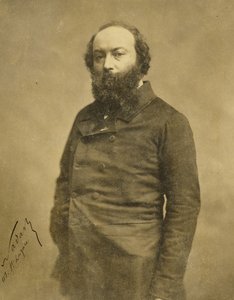
Théodore Rousseau
1812 - 1867 , Frankreich
Kurzinfos
- Artistic Movement Or Style: Barbizon Schule
- Artists Or Movements Influenced By This Artist: ['Impressionismus']
- Artists Who Influenced This Artist: ['Jean-François Millet']
- Date Of Birth: 15. April 1812
- Date Of Death: 22. Dezember 1867
- Full Name: Étienne Pierre Théodore Rousseau
- Nationality: Französisch
- Notable Artworks:
- Les Chênes d’Apremont
- Die große Eichen von Vieux Bas-Breau
- Place Of Birth: Paris, Frankreich
Ähnliche Artikel

John Constable: Die 25 Meisterwerke des englischen Landschaftsgenies – ArtsDot
Entdecken Sie die 25 Meisterwerke von John Constable! Erleben Sie englische Landschaftsmalerei vom Hay Wain bis zur Stour Valley. Hochwertige Reproduktionen & Kunst für Ihr Zuhause auf ArtsDot.com.

Romantische Landschaften: Die 10 Meisterwerke, die eine Epoche prägten | ArtsDot
Entdecken Sie die 10 Meisterwerke der Romantischen Landschaftsmalerei! Von Caspar David Friedrich bis Turner – erleben Sie die Kunst, Emotion & Natur. Hochwertige Reproduktionen auf ArtsDot.com
Paul Huet: Capturing the Essence of French Romanticism Through Light and Landscape
Explore the captivating world of Paul Huet (1803-1869), a master of French Romantic landscape painting. Discover his influence on Barbizon & Impressionism, and browse high-quality reproductions at ArtsDot.

Evocations of Place: A Historical Journey Through Landscape Art
Explore the rich history of landscape art with ArtsDot. Discover renowned artists, movements like Impressionism & Romanticism, and expert guidance for collecting timeless pieces. Find your perfect serene escape today!
Henri-Joseph Harpignies: Capturing the Poetic Essence of the French Landscape
Explore the serene landscapes of Henri-Joseph Harpignies, a master of the Barbizon School. Discover his atmospheric paintings, recurring themes & enduring legacy in 19th-century French art. Learn more at ArtsDot.