 Vorschau anzeigen
 Versenden
 Teilen
 Details anzeigen

 Herunterladen
 Ähnliche Objekte
 Röntgenaufnahme
 Diashow
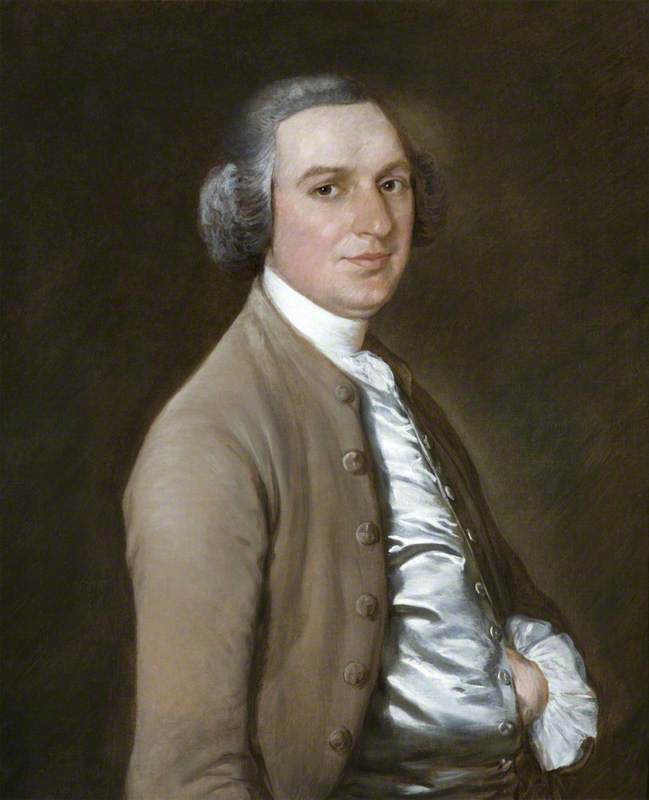
Francis Basset of Tehidy (1715–1769), MP
 Oil On Canvas
- WallArt
- Rococo, Portrait
 1769
1769 75.0 x 62.0 cm
 National Trust
 Weiterlesen
Giclée / Kunstdruck
Giclée- oder Leinwanddruck in Museumsqualität mit schneller Produktion und flexiblen Veredelungsoptionen. ( Handgemalte Reproduktion bestellen Bild kaufen)




P118B $10

P118H $10

P118W $10

P438Z $10

P508JH $12

P508YH $12

P805H $10

P805Z $10

P919BZ $10

P919G $10

P919XJ $10

P959ZH $10

P968JZ $12

W106C $8

W218G $10

W218JH $8

W218Y $10

W307PJ $10

W316G $10

W316PJ $8

W316Y $10

W398PJ $8

W4111J $10

W500HY $15

W500JH $15

W692G $12

W849H $8

W940BG $15

W953PJ $8




Wählen Sie aus unseren vordefinierten Formaten, die den ursprünglichen Proportionen des Kunstwerks entsprechen.

Sie können Ihre eigenen Maße eingeben, um ein bestimmtes Format oder einen speziellen Platz einzupassen. Wenn das von Ihnen gewählte Format nicht den Proportionen des Originalbildes entspricht, werden wir das Kunstwerk entweder beschneiden oder das Bild mit einem gespiegelten oder einfarbigen Rand erweitern. Ein digitaler Entwurf wird Ihnen zur Genehmigung zugesandt, bevor die Produktion beginnt.
Bitte beachten Sie, dass die Vorschau auf dem Bildschirm nicht den tatsächlichen Zuschnitt oder die Erweiterung widerspiegelt. Nur der Entwurf zeigt die endgültige Komposition präzise an.
Obwohl Sondermaße verfügbar sind, empfehlen wir die Auswahl eines Maßes aus der vordefinierten Liste, um die ursprünglichen Proportionen zu bewahren.
Weltweiter Versand () innerhalb von 2 Wochen statt der üblichen 4/5 Wochen. (30 August)

Kostenloser weltweiter Expressversand

Hochwertige Leinenleinwand

Umfassender Versicherungsschutz beim Versand

Zollgebühren-Rückerstattungsgarantie

Garantie für exakte Farbtreue

60 Tage Rückgaberecht (nur bei Mängeln)

100% Geld-zurück-Garantie

Mengenrabatt verfügbar
 Die Glasoption ist nur für Größen unter 110 cm verfügbar.

Francis Basset of Tehidy (1715–1769), MP
Giclée / Kunstdruck
Format der Reproduktion
-


Gesamtpreis
$ 62
The Dignified Portrait of Francis Basset of Tehidy
Thomas Gainsborough’s “Francis Basset of Tehidy (1715–1769), MP” is more than just a portrait; it's a carefully constructed tableau of West Country identity, reflecting the burgeoning political and social landscape of 18th-century England. Painted in 1762 or 1769 – the exact date remains subtly debated by art historians – this remarkable work offers a glimpse into the life of a prominent landowner, a Member of Parliament, and a man deeply rooted in his local community.
The subject himself, Francis Basset, is presented with an understated yet profoundly dignified composure. Dressed in the sober attire of a gentleman of means – a crisp white shirt and dark waistcoat beneath a richly textured coat – he embodies the virtues expected of a landed gentry man. His hands, casually placed in his pockets, suggest both self-assurance and a quiet thoughtfulness. Gainsborough’s masterful use of light and shadow immediately draws attention to Basset's face; the subtle modelling of his features reveals a weathered countenance, hinting at years spent overseeing his estate and engaging with the affairs of Parliament. The slightly furrowed brow and observant gaze convey an intelligence and experience that transcends mere physical appearance.
A Masterclass in Rococo Technique
Gainsborough’s technique is quintessential Rococo, characterized by a loose, painterly style that prioritizes capturing atmosphere and mood over meticulous detail. The brushstrokes are visible, creating a sense of immediacy and movement within the composition. He employs a broken colour scheme – small, distinct patches of paint rather than blended tones – to achieve remarkable luminosity and depth. Note particularly how light catches the folds of his coat and illuminates the texture of his face, while the darker background subtly emphasizes the subject’s presence. Gainsborough's skill lies not in replicating reality with photographic precision, but in conveying a feeling, an essence, through colour and form.
The composition itself is deceptively simple. The sitter is positioned slightly off-center, creating a dynamic balance within the frame. The dark background – likely depicting the rolling hills of Tehidy estate – serves as a neutral backdrop, allowing Basset’s figure to command attention. Gainsborough cleverly uses atmospheric perspective, with distant elements appearing paler and less defined, further enhancing the sense of depth and drawing the viewer's eye towards the central subject.
Contextualizing a West Country Portrait
To fully appreciate “Francis Basset,” it’s crucial to understand its historical context. The late 18th century was a period of significant political and social change in Britain, marked by the rise of parliamentary government and increasing awareness of individual rights. Portraits like this one served as powerful symbols of status and authority, documenting the lives of prominent figures within society. Basset’s position as an MP reflects his engagement with these broader developments, while his connection to Tehidy – a substantial estate in Cornwall – underscores the importance of land ownership and local governance.
Cornwall itself was undergoing transformation during this era, grappling with economic challenges and shifting social dynamics. Gainsborough's depiction of Basset subtly reflects this complexity, presenting him as a man firmly rooted in his regional identity while also navigating the wider currents of national politics. The portrait is not merely a likeness; it’s a carefully constructed statement about power, privilege, and belonging.
Symbolism and Emotional Resonance
Beyond its technical brilliance and historical context, “Francis Basset” possesses a subtle emotional resonance. There's an air of quiet dignity and understated confidence in the sitter’s demeanor – qualities that resonate with viewers even today. The portrait invites us to contemplate the life of this man, his responsibilities, and his place within the broader tapestry of British society. The slightly melancholic expression in Basset’s eyes suggests a thoughtful awareness of both his achievements and the challenges he faced.
Reproductions of this work offer an opportunity to bring Gainsborough's masterful artistry into any setting, adding a touch of refined elegance and historical depth. Whether displayed in a private study or a corporate lobby, “Francis Basset of Tehidy” remains a compelling testament to the enduring power of portraiture.
Ähnliche Kunstwerke
Über den Künstler
Frühes Leben und Ausbildung
Thomas Gainsborough, eine bedeutende Figur der britischen Kunst des 18. Jahrhunderts, wurde am 14. Mai 1727 in Sudbury, Suffolk geboren. Als jüngster Sohn von John Gainsborough, einem Weber und Hersteller von Wollwaren, war Thomas' frühes Leben geprägt von einer angeborenen Leidenschaft für Zeichnung und Malerei. Bereits im Alter von zehn Jahren hatte er sein künstlerisches Talent mit Miniatur-Selbstporträts und kleinen Landschaftsbildern unter Beweis gestellt.Künstlerische Karriere
Thomas’ formelle künstlerische Ausbildung begann 1740 unter der Anleitung von Hubert Gravelot in London. Seine Assoziation mit William Hogarth beeinflusste jedoch maßgeblich seinen Stil. Gainsboroughs Werk zeichnet sich durch seine helle Farbpalette und mühelose Pinseltechnik aus, was ihn von seinen Zeitgenossen unterschied.- Porträt einer Dame in Blau (siehe auf ArtsDot) demonstriert Gainsboroughs Meisterschaft im Porträt, wobei der ruhige Ausdruck und die zarten Gesichtszüge des Subjekts bemerkenswert detailliert wiedergegeben sind.
- Johann Christian Bach (siehe auf ArtsDot) beweist seine Fähigkeit, das Wesen seiner Motive einzufangen, wie in diesem Ölgemälde auf Leinwand zu sehen ist.
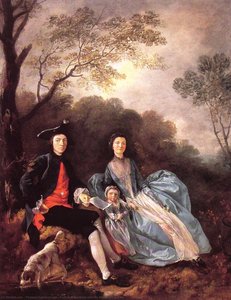
- Selbstporträt (siehe auf ArtsDot) (Roy Miles Gallery, London, Großbritannien), ein Beweis für seine Fähigkeiten im Selbstporträt.
- Mary, Countess of Howe (siehe auf ArtsDot) (244 x 152 cm, Öl auf Leinwand), ein Beispiel für seine Porträts mit einer bedeutenden Persönlichkeit.
Einflüsse und Stilentwicklung
Gainsboroughs künstlerische Entwicklung war von verschiedenen Einflüssen geprägt. Die frühe Ausbildung bei Hubert Gravelot legte den Grundstein für seine Fähigkeiten in der grafischen Darstellung, während die Begegnung mit William Hogarth seinen Stil maßgeblich beeinflusste. Er entwickelte eine einzigartige Herangehensweise an das Porträt, indem er neben der formalen Darstellung auch die Persönlichkeit und Stimmung des Subjekts einzufangen versuchte. Seine Landschaftsbilder zeichnen sich durch eine lockere Pinseltechnik und eine atmosphärische Darstellung aus, die ihn von seinen Zeitgenossen abhebt. Die Rivalität mit Sir Joshua Reynolds befeuerte seinen Ehrgeiz, in beiden Genres herausragende Leistungen zu erzielen.Bemerkenswerte Werke und Standorte
Gainsboroughs Gemälde sind heute in zahlreichen Museen und Galerien weltweit zu bewundern.- Gloucester City Museum - Art Gallery, Gloucester, Großbritannien – entdecken Sie die Meisterwerke dieses Museums, darunter Werke von Charles March Gere und Richard Whitfo.
- Blake Museum, Großbritannien – erkunden Sie die in diesem Museum ausgestellten Kunstwerke, darunter Gemälde wie Irene von Thomas Chidgey.
- Die Charterschule (siehe auf ArtsDot) – ein beeindruckendes Ölgemälde aus dem Jahr 1748, das die Charterschule darstellt.
- Das Ehrenmitglied Harriott Marsham (siehe auf ArtsDot) – ein elegantes Porträt einer Dame aus dem 18. Jahrhundert.
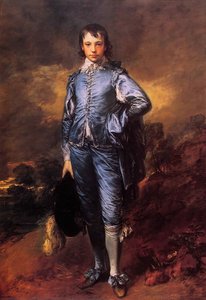
- Der Blaue Junge (Jonathan Buttall) (siehe auf ArtsDot) – ein Meisterwerk der 18. Jahrhundert Porträtmalerei.
- Sir Henry Bate Dudley (siehe auf ArtsDot) – ein Meisterwerk des Rokoko.
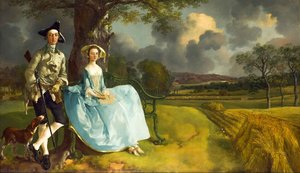
- Herr und Frau Andrews (siehe auf ArtsDot) – ein atemberaubendes Porträt aus dem Jahr 1748.
Vermächtnis und Bedeutung
Thomas Gainsboroughs Einfluss auf die britische Kunst ist unbestreitbar. Als Gründungsmitglied der Royal Academy spielte er eine entscheidende Rolle bei der Gestaltung der Institution. Seine Werke werden bis heute für ihre Eleganz, ihren Charme und ihre meisterhafte Technik geschätzt. Er inspirierte nachfolgende Generationen von Künstlern und trug maßgeblich zur Entwicklung der britischen Porträt- und Landschaftsmalerei bei. Künstler wie Richard Wilson und William Heath Wilson wurden von seinem Stil beeinflusst. Sein Vermächtnis lebt in seinen zahlreichen Gemälden weiter, die Kunstliebhaber auf der ganzen Welt begeistern.- Richard Wilson – bekannt für seine ruhigen Landschafszenen und idyllischen Ausblicke.
- Sir Joshua Reynolds – Britanniens führender Porträtmaler & Gründer der Royal Academy.
- Hubert François Gravelot – Französischer Rokoko-Grafiker, der die englische Kunst beeinflusste.
- Gainsboroughs Haus in Sudbury – Geburtsort von Thomas Gainsborough.
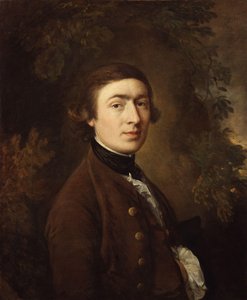
Thomas Gainsborough
1727 - 1788 , Vereinigtes Königreich
Kurzinfos
- Beeinflusste Künstler:
- Richard Wilson
- Sir Joshua Reynolds
- Hubert François Gravelot
- Bemerkenswerte Werke:
- Porträt einer Dame in Blau
- Johann Christian Bach
- Selbstporträt
- Mary, Countess of Howe
- Herr und Frau Andrews
- Geburtsdatum: 14. Mai 1727
- Geburtsort: Sudbury, Vereinigtes Königreich
- Künstlerischer Stil: Rokoko, Porträtmalerei
- Nationalität: Britisch
- Sterbedatum: 1788
- Vollständiger Name: Thomas Gainsborough
- Von Ihm Beeinflusste Künstler:
- Imitator von Thomas Gainsborough RA
- William Heath Wilson
Ähnliche Artikel
Francis Bacon: Die 25 Meisterwerke des existentiellen Schmerzes | ArtsDot
Entdecken Sie die 25 Meisterwerke von Francis Bacon! Erleben Sie existenzielle Schmerz, expressive Porträts & dunkle Farben. Kunstreproduktionen in Museumsqualiät auf ArtsDot.com – für Ihre Wanddekoration.
Benjamin West: Transatlantische Ambitionen und die Gestaltung der amerikanischen Kunst
Entdecken Sie das faszinierende Leben und Werk von Benjamin West, dem Pionier der amerikanischen Kunst! Erfahren Sie mehr über seinen Einfluss auf den Neoklassizismus und die Förderung junger Künstler in Europa. Jetzt lesen!
Thomas Barker of Bath: Landscape Painting & Societal Reflection in Early 19th-Century England
Explore the life & work of Thomas Barker of Bath, a key figure in 19th-century English Romanticism. Discover his Parisian success, iconic paintings like 'The Bride of Death', and lasting artistic legacy. Learn more at ArtsDot.
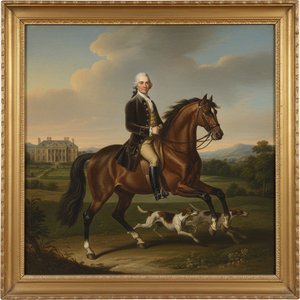
John Francis Sartorius II: Equestrian Elegance & the Rise of British Portraiture
Explore the captivating world of Francis Sartorius II (1734-1804), a leading British painter renowned for his exquisite equestrian portraits and hunting scenes. Discover his life, techniques & enduring legacy.
Gainsboro-Töne in der Meistermalerei: Die 10 berühmtesten Gemälde für Ihr Zuhause
Entdecken Sie die 10 berühmtesten Gemälde, geprägt von den eleganten Gainsboro-Tönen! Erfahren Sie mehr über Thomas Gainsborough & Meisterwerke des Rokoko. Hochwertige Kunstdrucke für Ihr Zuhause – jetzt auf ArtsDot.com!