 Vorschau anzeigen
 Versenden
 Teilen
 Details anzeigen

 Herunterladen
 Ähnliche Objekte
 Röntgenaufnahme
 Diashow
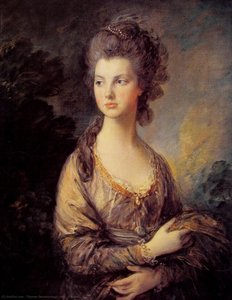
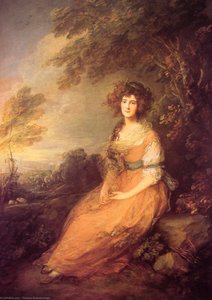
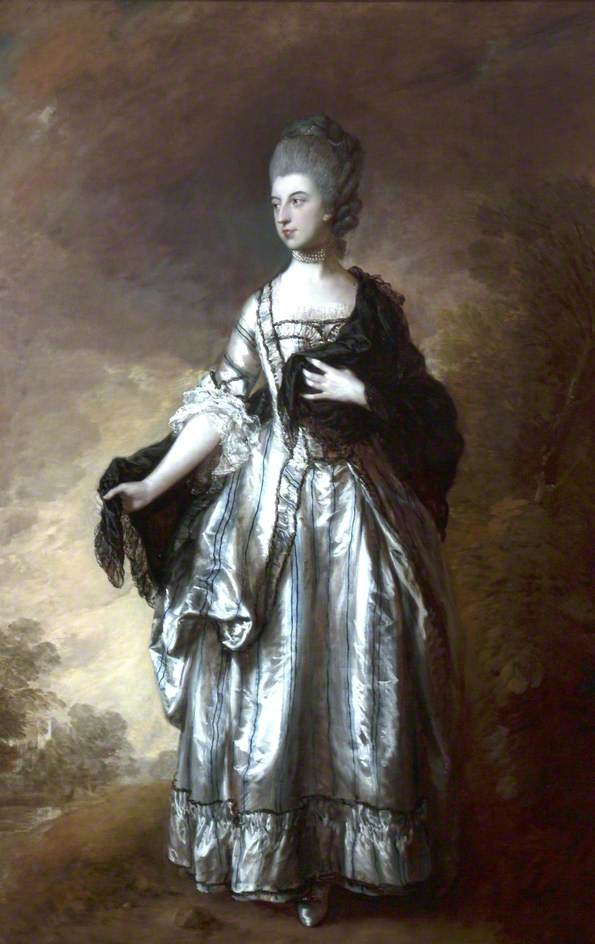
Isabella (1748–1819), Viscountess Molyneux, 1st Countess of Sefton
 Oil On Canvas
- WallArt
- Rococo Portrait
 1769
1769 236.0 x 155.0 cm
 Walker Art Gallery
 Weiterlesen
Handgefertigte Ölreproduktion
Handgemaltes Ölgemälde auf Leinwand in Ihrer Wunschgröße und mit Rahmen, auf Bestellung von unseren Künstlern angefertigt. ( Druck bestellen Bild kaufen)




P118B $10

P118H $10

P118W $10

P438Z $10

P508JH $12

P508YH $12

P805H $10

P805Z $10

P919BZ $10

P919G $10

P919XJ $10

P959ZH $10

P968JZ $12

W106C $8

W218G $10

W218JH $8

W218Y $10

W307PJ $10

W316G $10

W316PJ $8

W316Y $10

W398PJ $8

W4111J $10

W500HY $15

W500JH $15

W692G $12

W849H $8

W940BG $15

W953PJ $8




Wählen Sie aus unseren vordefinierten Formaten, die den ursprünglichen Proportionen des Kunstwerks entsprechen.

Sie können Ihre eigenen Maße eingeben, um einen bestimmten Rahmen oder Platz auszufüllen. Wenn die gewählte Größe nicht den Proportionen des Originalbildes entspricht, werden wir das Kunstwerk entweder beschneiden oder das Gemälde durch zusätzliche, handgemalte Elemente erweitern. Ein digitales Mockup wird Ihnen zur Genehmigung zugesandt, bevor die Produktion beginnt.
Bitte beachten Sie, dass die Bildschirmvorschau nicht die tatsächliche Beschneidung oder Erweiterung widerspiegelt. Nur das Mockup zeigt die endgültige Komposition exakt an.
Obwohl Sondermaße verfügbar sind, empfehlen wir, eine Größe aus der vordefinierten Liste zu wählen, um die ursprünglichen Proportionen beizubehalten.
Nach der Bestellung wird das ArtsDot.com-Team dem Kunden Anweisungen per E-Mail zusenden und eine Mockup-Vorschau bereitstellen.
Weltweiter Versand () in nur 3 bis 4 Wochen statt der üblichen 5 Wochen. (4 September). Keine Kompromisse bei der Qualität.

Kostenloser weltweiter Expressversand

Hochwertige Leinenleinwand

Umfassender Versicherungsschutz beim Versand

Zollgebühren-Rückerstattungsgarantie

Garantie für exakte Farbtreue

60 Tage Rückgaberecht (nur bei Mängeln)

100% Geld-zurück-Garantie

Mengenrabatt verfügbar
 Die Glasoption ist nur für Größen unter 110 cm verfügbar.

Isabella (1748–1819), Viscountess Molyneux, 1st Countess of Sefton
Art der Reproduktion
Format der Reproduktion
-


Gesamtpreis
$ 263
The Enigmatic Grace of Isabella Stanhope
Thomas Gainsborough’s “Isabella (1748–1819), Viscountess Molyneux, 1st Countess of Sefton” is more than a mere portrait; it's a carefully constructed tableau of elegance, restraint, and subtle emotion. Painted in 1769, the canvas captures a young woman poised on the cusp of her social life, radiating an understated confidence that belies the complexities of her position within Georgian society. The painting’s enduring appeal lies not just in its technical brilliance but also in the way it invites us to contemplate the inner world of a woman navigating the constraints and expectations of her time.
Gainsborough masterfully employs his signature loose brushwork and atmospheric lighting, creating a sense of depth and movement. The muted palette—primarily creams, blues, and browns—evokes a feeling of quiet sophistication. Notice how he uses light to sculpt Isabella’s form, highlighting the delicate curve of her neck and the subtle sheen of her silk gown. The background, rendered in soft greens and browns, suggests a glimpse of the English countryside – a deliberate choice that subtly connects Isabella to the land and reinforces her status as a landed noblewoman.
A Portrait of Propriety and Power
Isabella Stanhope’s life was one of considerable privilege, yet also fraught with social maneuvering. As the second daughter of the 2nd Earl of Harrington, she possessed a significant fortune and a strategic position within the intricate web of Georgian society. The portrait itself is a testament to this power – not through overt display, but through an air of dignified composure. Her posture is impeccable, her gaze direct yet reserved, conveying both self-awareness and a carefully cultivated sense of detachment.
The gown, with its striped silk and lace detailing, reflects the fashionable styles of the late 1760s – a period marked by increasing emphasis on luxury and ornamentation. However, Gainsborough resists the urge to overwhelm the viewer with excessive embellishment. Instead, he focuses on the quality of the fabric and the subtle elegance of the cut, suggesting that Isabella’s wealth is not flaunted but subtly integrated into her appearance.
Symbolism in Detail
Beyond the broad strokes of portraiture, Gainsborough imbues the painting with a wealth of symbolic detail. The gloves she holds, partially concealed, represent both her social standing and her role as a woman expected to manage household affairs – a subtle nod to the domestic responsibilities that defined her life. Her pearl necklace, a symbol of marital status and wealth, is presented with understated elegance. Even the placement of her hands—one resting gracefully on her lap, the other holding her gloves—communicates a sense of control and poise.
The dirt ground beneath her feet, an unusual detail for a formal portrait, subtly anchors Isabella to the earth, reminding us that even within the confines of aristocratic society, she was still connected to the land and its rhythms. It’s a grounding element that prevents the image from becoming overly idealized or detached.
A Legacy of Artistic Merit
"Isabella (1748–1819), Viscountess Molyneux, 1st Countess of Sefton" remains a captivating work of art, admired for its technical skill and emotional resonance. It’s a portrait that invites us to look beyond the surface beauty and consider the complexities of a woman's life within the context of Georgian England. Reproductions capture much of this nuance, offering a window into a bygone era and a testament to Gainsborough’s enduring artistic vision. Its placement in the Walker Art Gallery in Liverpool ensures its continued accessibility for generations to come.
- Artist: Thomas Gainsborough
- Date: 1769
- Medium: Oil on Canvas
- Dimensions: 236 x 155 cm
- Location: Walker Art Gallery, Liverpool, United Kingdom
Ähnliche Kunstwerke
Über den Künstler
Frühes Leben und Ausbildung
Thomas Gainsborough, eine bedeutende Figur der britischen Kunst des 18. Jahrhunderts, wurde am 14. Mai 1727 in Sudbury, Suffolk geboren. Als jüngster Sohn von John Gainsborough, einem Weber und Hersteller von Wollwaren, war Thomas' frühes Leben geprägt von einer angeborenen Leidenschaft für Zeichnung und Malerei. Bereits im Alter von zehn Jahren hatte er sein künstlerisches Talent mit Miniatur-Selbstporträts und kleinen Landschaftsbildern unter Beweis gestellt.Künstlerische Karriere
Thomas’ formelle künstlerische Ausbildung begann 1740 unter der Anleitung von Hubert Gravelot in London. Seine Assoziation mit William Hogarth beeinflusste jedoch maßgeblich seinen Stil. Gainsboroughs Werk zeichnet sich durch seine helle Farbpalette und mühelose Pinseltechnik aus, was ihn von seinen Zeitgenossen unterschied.- Porträt einer Dame in Blau (siehe auf ArtsDot) demonstriert Gainsboroughs Meisterschaft im Porträt, wobei der ruhige Ausdruck und die zarten Gesichtszüge des Subjekts bemerkenswert detailliert wiedergegeben sind.
- Johann Christian Bach (siehe auf ArtsDot) beweist seine Fähigkeit, das Wesen seiner Motive einzufangen, wie in diesem Ölgemälde auf Leinwand zu sehen ist.
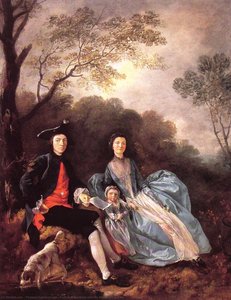
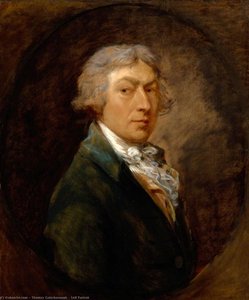
- Selbstporträt (siehe auf ArtsDot) (Roy Miles Gallery, London, Großbritannien), ein Beweis für seine Fähigkeiten im Selbstporträt.
- Mary, Countess of Howe (siehe auf ArtsDot) (244 x 152 cm, Öl auf Leinwand), ein Beispiel für seine Porträts mit einer bedeutenden Persönlichkeit.
Einflüsse und Stilentwicklung
Gainsboroughs künstlerische Entwicklung war von verschiedenen Einflüssen geprägt. Die frühe Ausbildung bei Hubert Gravelot legte den Grundstein für seine Fähigkeiten in der grafischen Darstellung, während die Begegnung mit William Hogarth seinen Stil maßgeblich beeinflusste. Er entwickelte eine einzigartige Herangehensweise an das Porträt, indem er neben der formalen Darstellung auch die Persönlichkeit und Stimmung des Subjekts einzufangen versuchte. Seine Landschaftsbilder zeichnen sich durch eine lockere Pinseltechnik und eine atmosphärische Darstellung aus, die ihn von seinen Zeitgenossen abhebt. Die Rivalität mit Sir Joshua Reynolds befeuerte seinen Ehrgeiz, in beiden Genres herausragende Leistungen zu erzielen.Bemerkenswerte Werke und Standorte
Gainsboroughs Gemälde sind heute in zahlreichen Museen und Galerien weltweit zu bewundern.- Gloucester City Museum - Art Gallery, Gloucester, Großbritannien – entdecken Sie die Meisterwerke dieses Museums, darunter Werke von Charles March Gere und Richard Whitfo.
- Blake Museum, Großbritannien – erkunden Sie die in diesem Museum ausgestellten Kunstwerke, darunter Gemälde wie Irene von Thomas Chidgey.
- Die Charterschule (siehe auf ArtsDot) – ein beeindruckendes Ölgemälde aus dem Jahr 1748, das die Charterschule darstellt.
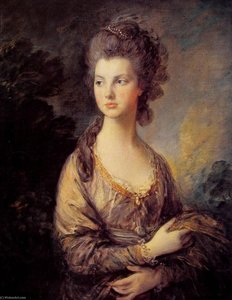
- Das Ehrenmitglied Harriott Marsham (siehe auf ArtsDot) – ein elegantes Porträt einer Dame aus dem 18. Jahrhundert.
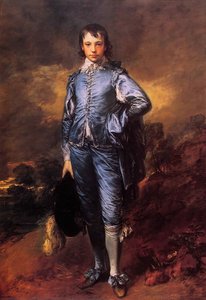
- Der Blaue Junge (Jonathan Buttall) (siehe auf ArtsDot) – ein Meisterwerk der 18. Jahrhundert Porträtmalerei.
- Sir Henry Bate Dudley (siehe auf ArtsDot) – ein Meisterwerk des Rokoko.
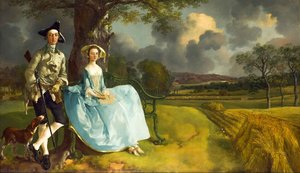
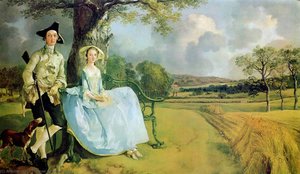
- Herr und Frau Andrews (siehe auf ArtsDot) – ein atemberaubendes Porträt aus dem Jahr 1748.
Vermächtnis und Bedeutung
Thomas Gainsboroughs Einfluss auf die britische Kunst ist unbestreitbar. Als Gründungsmitglied der Royal Academy spielte er eine entscheidende Rolle bei der Gestaltung der Institution. Seine Werke werden bis heute für ihre Eleganz, ihren Charme und ihre meisterhafte Technik geschätzt. Er inspirierte nachfolgende Generationen von Künstlern und trug maßgeblich zur Entwicklung der britischen Porträt- und Landschaftsmalerei bei. Künstler wie Richard Wilson und William Heath Wilson wurden von seinem Stil beeinflusst. Sein Vermächtnis lebt in seinen zahlreichen Gemälden weiter, die Kunstliebhaber auf der ganzen Welt begeistern.- Richard Wilson – bekannt für seine ruhigen Landschafszenen und idyllischen Ausblicke.
- Sir Joshua Reynolds – Britanniens führender Porträtmaler & Gründer der Royal Academy.
- Hubert François Gravelot – Französischer Rokoko-Grafiker, der die englische Kunst beeinflusste.
- Gainsboroughs Haus in Sudbury – Geburtsort von Thomas Gainsborough.
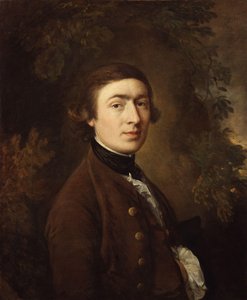
Thomas Gainsborough
1727 - 1788 , Vereinigtes Königreich
Kurzinfos
- Beeinflusste Künstler:
- Richard Wilson
- Sir Joshua Reynolds
- Hubert François Gravelot
- Bemerkenswerte Werke:
- Porträt einer Dame in Blau
- Johann Christian Bach
- Selbstporträt
- Mary, Countess of Howe
- Herr und Frau Andrews
- Geburtsdatum: 14. Mai 1727
- Geburtsort: Sudbury, Vereinigtes Königreich
- Künstlerischer Stil: Rokoko, Porträtmalerei
- Nationalität: Britisch
- Sterbedatum: 1788
- Vollständiger Name: Thomas Gainsborough
- Von Ihm Beeinflusste Künstler:
- Imitator von Thomas Gainsborough RA
- William Heath Wilson
Ähnliche Artikel
Gainsboro-Töne in der Meistermalerei: Die 10 berühmtesten Gemälde für Ihr Zuhause
Entdecken Sie die 10 berühmtesten Gemälde, geprägt von den eleganten Gainsboro-Tönen! Erfahren Sie mehr über Thomas Gainsborough & Meisterwerke des Rokoko. Hochwertige Kunstdrucke für Ihr Zuhause – jetzt auf ArtsDot.com!
Sarah Churchill, Countess of Essex: A Patron's Influence on 18th-Century Art & Identity
Explore the fascinating world of Sarah Churchill, Countess of Essex, a pivotal figure in 18th-century art patronage. Discover her influence on Rococo aesthetics and portraiture, and learn about commissioning artworks as a statement of power & identity.