

 Vorschau anzeigen
 Versenden
 Teilen
 Details anzeigen

 Herunterladen
 Ähnliche Objekte
 Röntgenaufnahme
 Diashow
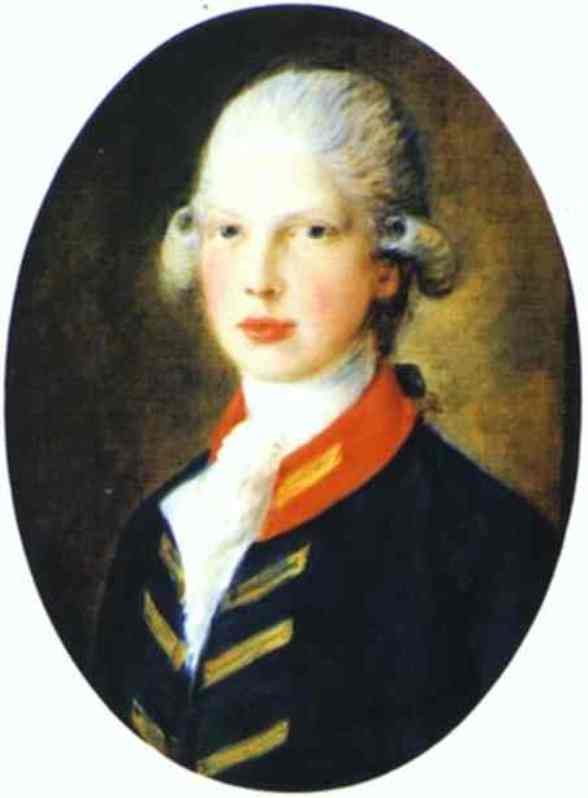
Portrait of Prince Edward, Later Duke of Kent


 Weiterlesen
Erwerben Sie ein hochauflösendes, optimiertes digitales Bild, das der Online-Vorschau weit überlegen ist.
Jede Datei wird von unseren hauseigenen Spezialisten mit modernsten Werkzeugen und fachmännischer manueller Retusche sorgfältig vorbereitet. Wir stellen sicher, dass jedes Bild eine außergewöhnliche Klarheit, präzise Farbgenauigkeit und feinste Details aufweist.
Die endgültige Datei wird innerhalb von 72 Stunden per E-Mail zugestellt und ist für den sofortigen Einsatz in professionellen, redaktionellen und Druckumgebungen optimiert. Es handelt sich um dieselbe Qualität, der führende Designstudios, Verlage und Galerien vertrauen.
Digitales Bild
Laden Sie eine hochauflösende Datei für die persönliche Präsentation, den Druck und kreative Projekte herunter. ( Druck bestellen Handgemalte Reproduktion bestellen)
In jeder Bestellung digitaler Bilder enthalten
Professionelle digitale Bereitstellung, garantiert
Wenn Sie sich für ArtsDot.com entscheiden, erhalten Sie nicht nur ein Bild – Sie erhalten ein professionell aufbereitetes digitales Kunstwerk, das mit höchster Präzision erstellt und durch eine Zufriedenheitsgarantie abgesichert wird. Hier ist alles, was automatisch mit Ihrer Bestellung geliefert wird:

Schnelle E-Mail-Zustellung
Ihre hochauflösende digitale Bilddatei wird Ihnen innerhalb von 72 Stunden nach der Bestellung per E-Mail zugestellt – bereit zur sofortigen Verwendung.

KI-optimierte digitale Datei
Ihre Kunstwerke werden professionell mithilfe fortschrittlicher KI-Tools und manueller Bearbeitung optimiert, um maximale Detailtreue, Klarheit und Farbgenauigkeit zu gewährleisten.

Lebenslanger kostenloser Neudruckservice
Datei versehentlich gelöscht oder verloren? Keine Sorge – wir senden sie Ihnen jederzeit kostenlos erneut zu.

Keine Einfuhrgebühren – jemals
Genießen Sie Ihr Kunstwerk sofort ohne Zollgebühren, Einfuhrabgaben oder Versandkosten – digitale Downloads sind immer steuerfrei.

Garantierte Farbtreue
Wir garantieren, dass Ihr digitales Bild mithilfe professioneller Werkzeuge und Farbmanagement die Originalfarben so präzise wie möglich wiedergibt.

60-Tage-Zufriedenheitsgarantie
Sollten Sie mit Ihrem digitalen Bild nicht zufrieden sein, werden wir es überarbeiten oder Ihnen innerhalb von 60 Tagen 100% erstatten – ohne Wenn und Aber.

100% Geld-zurück-Garantie
Nicht zufrieden? Erhalten Sie innerhalb von 60 Tagen nach Erhalt Ihrer digitalen Datei eine vollständige Rückerstattung – ohne Angabe von Gründen.

Rabatte bei Großbestellungen
3 Bilder kaufen, 10% sparen – 5 Bilder kaufen, 15% sparen – Ab 10 Bildern 20% sparen. Ideal für kreative Projekte, Galerien und Agenturen.
The Regal Presence of Prince Edward: Gainsborough’s Masterpiece
Thomas Gainsborough's "Portrait of Prince Edward, Later Duke of Kent," painted in 1782, is more than just a likeness; it’s a carefully constructed tableau of youthful nobility, imbued with the artist’s signature blend of observation and subtle theatricality. This captivating portrait, currently residing within the Royal Collection at Hampton Court Palace, offers a rare glimpse into the life of a young heir to the British throne – a figure poised between childhood innocence and the weighty responsibilities that awaited him.
Gainsborough’s approach is distinctly Rococo, yet tempered with a burgeoning Romantic sensibility. The composition itself is deceptively simple: Prince Edward, barely fifteen years old, sits in a relaxed posture, his gaze direct and engaging. He wears a sumptuous crimson coat adorned with intricate gold embroidery – a deliberate display of wealth and status, indicative of his future role as Duke of Kent and Strathearn. A delicate white sash encircles his neck, further emphasizing his aristocratic bearing. The background is deliberately muted, allowing the Prince’s figure to command immediate attention, while subtle hints of landscape peek through, grounding him in the familiar comforts of his upbringing.
A Study in Light and Texture
Gainsborough's mastery lies not just in capturing a likeness but in rendering texture and light with breathtaking skill. He employs loose, expressive brushstrokes – a hallmark of his style – to create a sense of immediacy and vitality. Notice the way he captures the sheen of the velvet fabric, the delicate folds of the coat, and the subtle highlights on Edward’s face. The artist utilizes broken color—small dabs of paint rather than smooth blends—to build up form and depth, creating an illusion of three-dimensionality that is remarkably convincing. This technique, combined with his masterful use of light, gives the portrait a luminous quality, imbuing it with a sense of warmth and serenity.
The painting’s palette is restrained yet sophisticated, dominated by rich reds, deep blues, and subtle greens. Gainsborough's careful attention to detail extends beyond mere color; he meticulously renders every aspect of the Prince’s attire, from the intricate embroidery on his coat to the sheen of his boots. This level of precision reflects not only his artistic skill but also his keen observational abilities – a testament to his ability to capture the essence of his subject with remarkable accuracy.
Symbolism and Historical Context
Beyond its aesthetic qualities, “Portrait of Prince Edward” is rich in symbolic meaning. The youthful appearance of the Prince speaks to the hopes and aspirations of the British monarchy—a desire for a stable succession and a continuation of the line of kings. The portrait was commissioned during a period of significant political and social change, as Britain navigated its colonial empire and grappled with internal tensions. Edward’s position as heir to the throne made him a focal point of national attention, and Gainsborough skillfully captured this sense of importance through his carefully crafted composition.
Furthermore, the portrait reflects the prevailing attitudes towards royalty at the time. While acknowledging the Prince's elevated status, Gainsborough avoids overtly flattering or idealized depictions. Instead, he presents Edward as a young man—a thoughtful and dignified individual with a quiet strength. This approach aligns with the emerging Romantic ideals of portraying subjects with honesty and realism, rather than resorting to conventional courtly conventions.
A Timeless Portrait for the Home
Today, “Portrait of Prince Edward” remains a captivating work of art—a testament to Gainsborough’s genius and a poignant reminder of a pivotal moment in British history. High-quality reproductions offer an accessible way to bring this masterpiece into your home or office, allowing you to appreciate its beauty and historical significance for years to come. Whether displayed as a statement piece or a subtle accent, this portrait embodies the elegance, grace, and enduring appeal of one of Britain’s greatest artists.
Ähnliche Kunstwerke
Biografie des Künstlers
Frühes Leben und Ausbildung
Thomas Gainsborough, eine bedeutende Figur der britischen Kunst des 18. Jahrhunderts, wurde am 14. Mai 1727 in Sudbury, Suffolk geboren. Als jüngster Sohn von John Gainsborough, einem Weber und Hersteller von Wollwaren, war Thomas' frühes Leben geprägt von einer angeborenen Leidenschaft für Zeichnung und Malerei. Bereits im Alter von zehn Jahren hatte er sein künstlerisches Talent mit Miniatur-Selbstporträts und kleinen Landschaftsbildern unter Beweis gestellt.Künstlerische Karriere
Thomas’ formelle künstlerische Ausbildung begann 1740 unter der Anleitung von Hubert Gravelot in London. Seine Assoziation mit William Hogarth beeinflusste jedoch maßgeblich seinen Stil. Gainsboroughs Werk zeichnet sich durch seine helle Farbpalette und mühelose Pinseltechnik aus, was ihn von seinen Zeitgenossen unterschied.- Porträt einer Dame in Blau (siehe auf ArtsDot) demonstriert Gainsboroughs Meisterschaft im Porträt, wobei der ruhige Ausdruck und die zarten Gesichtszüge des Subjekts bemerkenswert detailliert wiedergegeben sind.
- Johann Christian Bach (siehe auf ArtsDot) beweist seine Fähigkeit, das Wesen seiner Motive einzufangen, wie in diesem Ölgemälde auf Leinwand zu sehen ist.
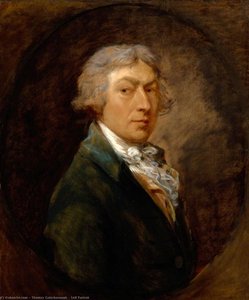
- Selbstporträt (siehe auf ArtsDot) (Roy Miles Gallery, London, Großbritannien), ein Beweis für seine Fähigkeiten im Selbstporträt.
- Mary, Countess of Howe (siehe auf ArtsDot) (244 x 152 cm, Öl auf Leinwand), ein Beispiel für seine Porträts mit einer bedeutenden Persönlichkeit.
Einflüsse und Stilentwicklung
Gainsboroughs künstlerische Entwicklung war von verschiedenen Einflüssen geprägt. Die frühe Ausbildung bei Hubert Gravelot legte den Grundstein für seine Fähigkeiten in der grafischen Darstellung, während die Begegnung mit William Hogarth seinen Stil maßgeblich beeinflusste. Er entwickelte eine einzigartige Herangehensweise an das Porträt, indem er neben der formalen Darstellung auch die Persönlichkeit und Stimmung des Subjekts einzufangen versuchte. Seine Landschaftsbilder zeichnen sich durch eine lockere Pinseltechnik und eine atmosphärische Darstellung aus, die ihn von seinen Zeitgenossen abhebt. Die Rivalität mit Sir Joshua Reynolds befeuerte seinen Ehrgeiz, in beiden Genres herausragende Leistungen zu erzielen.Bemerkenswerte Werke und Standorte
Gainsboroughs Gemälde sind heute in zahlreichen Museen und Galerien weltweit zu bewundern.- Gloucester City Museum - Art Gallery, Gloucester, Großbritannien – entdecken Sie die Meisterwerke dieses Museums, darunter Werke von Charles March Gere und Richard Whitfo.
- Blake Museum, Großbritannien – erkunden Sie die in diesem Museum ausgestellten Kunstwerke, darunter Gemälde wie Irene von Thomas Chidgey.
- Die Charterschule (siehe auf ArtsDot) – ein beeindruckendes Ölgemälde aus dem Jahr 1748, das die Charterschule darstellt.
- Das Ehrenmitglied Harriott Marsham (siehe auf ArtsDot) – ein elegantes Porträt einer Dame aus dem 18. Jahrhundert.
- Der Blaue Junge (Jonathan Buttall) (siehe auf ArtsDot) – ein Meisterwerk der 18. Jahrhundert Porträtmalerei.
- Sir Henry Bate Dudley (siehe auf ArtsDot) – ein Meisterwerk des Rokoko.
- Herr und Frau Andrews (siehe auf ArtsDot) – ein atemberaubendes Porträt aus dem Jahr 1748.
Vermächtnis und Bedeutung
Thomas Gainsboroughs Einfluss auf die britische Kunst ist unbestreitbar. Als Gründungsmitglied der Royal Academy spielte er eine entscheidende Rolle bei der Gestaltung der Institution. Seine Werke werden bis heute für ihre Eleganz, ihren Charme und ihre meisterhafte Technik geschätzt. Er inspirierte nachfolgende Generationen von Künstlern und trug maßgeblich zur Entwicklung der britischen Porträt- und Landschaftsmalerei bei. Künstler wie Richard Wilson und William Heath Wilson wurden von seinem Stil beeinflusst. Sein Vermächtnis lebt in seinen zahlreichen Gemälden weiter, die Kunstliebhaber auf der ganzen Welt begeistern.- Richard Wilson – bekannt für seine ruhigen Landschafszenen und idyllischen Ausblicke.
- Sir Joshua Reynolds – Britanniens führender Porträtmaler & Gründer der Royal Academy.
- Hubert François Gravelot – Französischer Rokoko-Grafiker, der die englische Kunst beeinflusste.
- Gainsboroughs Haus in Sudbury – Geburtsort von Thomas Gainsborough.
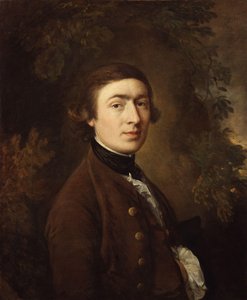
Thomas Gainsborough
1727 - 1788 , Vereinigtes Königreich
Kurzinfos
- Beeinflusste Künstler:
- Richard Wilson
- Sir Joshua Reynolds
- Hubert François Gravelot
- Bemerkenswerte Werke:
- Porträt einer Dame in Blau
- Johann Christian Bach
- Selbstporträt
- Mary, Countess of Howe
- Herr und Frau Andrews
- Geburtsdatum: 14. Mai 1727
- Geburtsort: Sudbury, Vereinigtes Königreich
- Künstlerischer Stil: Rokoko, Porträtmalerei
- Nationalität: Britisch
- Sterbedatum: 1788
- Vollständiger Name: Thomas Gainsborough
- Von Ihm Beeinflusste Künstler:
- Imitator von Thomas Gainsborough RA
- William Heath Wilson

