

 Vorschau anzeigen
 Versenden
 Teilen
 Details anzeigen

 Herunterladen
 Ähnliche Objekte
 Röntgenaufnahme
 Diashow
 Stats
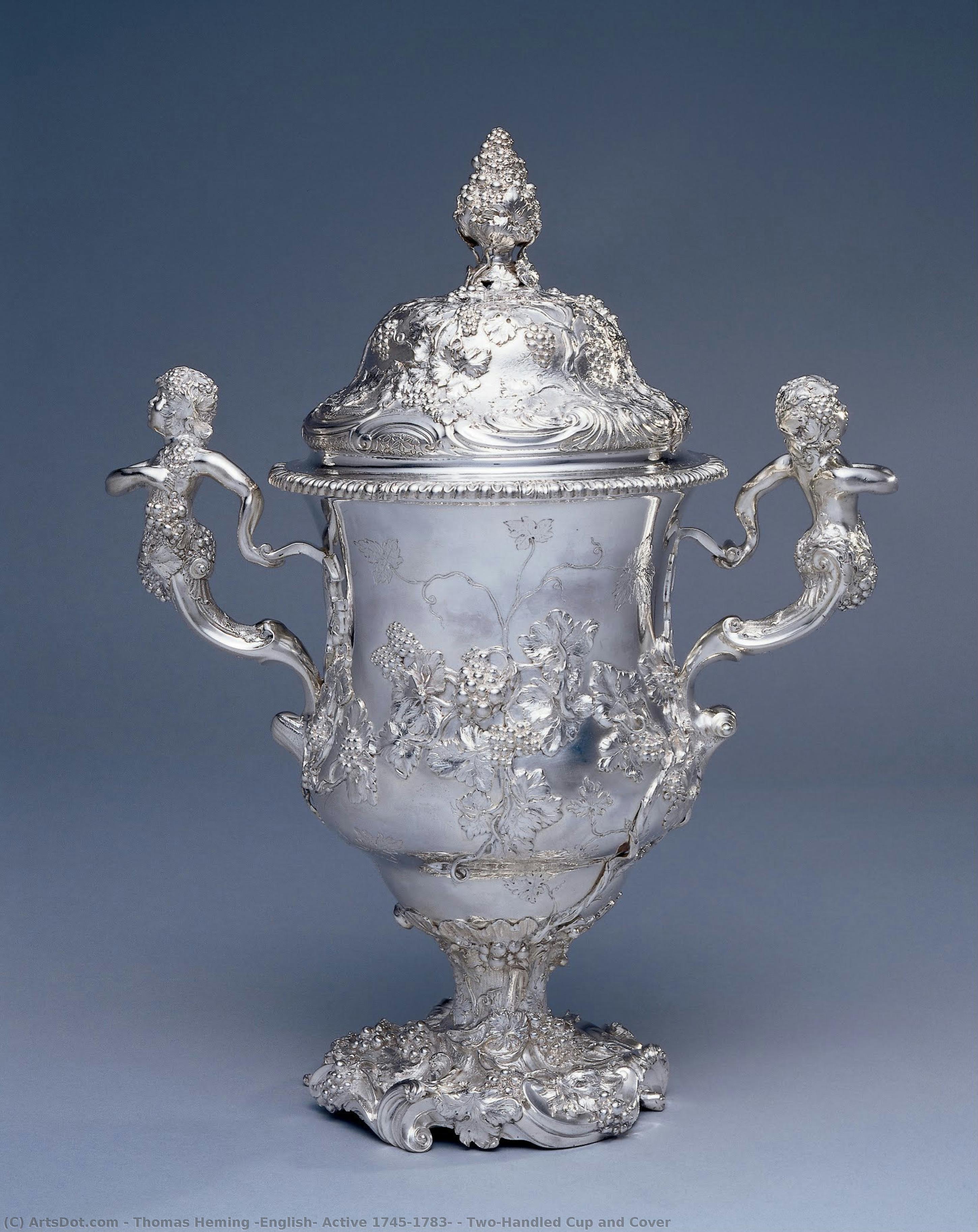
StatsTwo-Handled Cup and Cover

 Weiterlesen
Giclée / Kunstdruck
Giclée- oder Leinwanddruck in Museumsqualität mit schneller Produktion und flexiblen Veredelungsoptionen. ( Handgemalte Reproduktion bestellen Switch to Digital Image)




































Wählen Sie aus unseren vordefinierten Formaten, die den ursprünglichen Proportionen des Kunstwerks entsprechen.

Sie können Ihre eigenen Maße eingeben, um ein bestimmtes Format oder einen speziellen Platz einzupassen. Wenn das von Ihnen gewählte Format nicht den Proportionen des Originalbildes entspricht, werden wir das Kunstwerk entweder beschneiden oder das Bild mit einem gespiegelten oder einfarbigen Rand erweitern. Ein digitaler Entwurf wird Ihnen zur Genehmigung zugesandt, bevor die Produktion beginnt.
Bitte beachten Sie, dass die Vorschau auf dem Bildschirm nicht den tatsächlichen Zuschnitt oder die Erweiterung widerspiegelt. Nur der Entwurf zeigt die endgültige Komposition präzise an.
Obwohl Sondermaße verfügbar sind, empfehlen wir die Auswahl eines Maßes aus der vordefinierten Liste, um die ursprünglichen Proportionen zu bewahren.
Weltweiter Versand () innerhalb von 2 Wochen statt der üblichen 4/5 Wochen. (8 September)

Kostenloser weltweiter Expressversand

Hochwertige Leinenleinwand

Umfassender Versicherungsschutz beim Versand

Zollgebühren-Rückerstattungsgarantie

Garantie für exakte Farbtreue

100-Tage-Rückgaberecht (nur bei Mängeln)

100% Geld-zurück-Garantie

Mengenrabatt verfügbar
 Die Glasoption ist nur für Größen unter 110 cm verfügbar.

Two-Handled Cup and Cover
Giclée / Kunstdruck
Format der Reproduktion
-


Gesamtpreis
$ 62
Ähnliche Kunstwerke








Über den Künstler
Thomas Heming: A Master of Rococo Silverware
Thomas Heming (1745 – 1783) stands as a testament to the flourishing rococo style in Georgian England, primarily recognized for his exquisite silver-gilt tableware—particularly two-handed cups and covers—that graced the tables of British royalty. His career began under the tutelage of Peter Archambo, a Huguenot silversmith who championed this ornate aesthetic, introducing it into English craftsmanship and establishing Heming’s artistic foundation.Early Life and Apprenticeship
Born in London, Heming's formative years were shaped by his apprenticeship with Archambo, where he absorbed not only technical skills but also the stylistic principles of rococo. This influence is palpable throughout his oeuvre—characterized by flowing curves, delicate ornamentation, and pastel hues—reflecting a broader cultural shift toward elegance and refinement during the reign of George II. Archambo’s workshop fostered an environment conducive to experimentation and innovation, allowing Heming to hone his craft and adapt to evolving tastes within the aristocratic circles he served. The meticulous attention to detail displayed by Archambo instilled in Heming a dedication to perfection that would define his artistic endeavors for years to come.Notable Works: Vessels of Distinction
Heming's fame rests largely on his masterful creation of silver-gilt two-handed cups and covers—pieces that exemplify the rococo style’s grandeur and artistry. These vessels, frequently commissioned for godchildren of the royal family, are adorned with intricate floral motifs and chased embellishments, demonstrating Heming’s meticulous attention to detail. Beyond these iconic items, he produced teakettles, tea caddies, and candlesticks—each piece imbued with a similar commitment to beauty and functionality. The Victoria and Albert Museum houses an impressive collection of Heming's creations, including a cup specifically crafted for Queen Charlotte, offering tangible evidence of his enduring legacy. These pieces stand as symbols of aristocratic taste and represent the pinnacle of rococo craftsmanship.Influences and Artistic Style
Heming’s artistic vision was undeniably rooted in the rococo movement, which originated in France and spread across Europe during the mid-18th century. Drawing inspiration from Italian baroque precedents, he embraced curvilinear forms and asymmetrical compositions—elements that conveyed a sense of dynamism and grace. Furthermore, Heming skillfully utilized techniques such as chasing (hammering and repoussé) to create textured surfaces and intricate patterns, elevating his work beyond mere decoration into a form of sculptural artistry. He expertly blended classical elegance with rococo exuberance, resulting in designs that captivated the discerning eye of his patrons.Legacy and Recognition
Thomas Heming’s contribution to English silverware history is significant—he secured a prominent position among the most respected silversmiths of his time. His enduring influence can be observed in museums worldwide, where his pieces continue to captivate viewers with their exquisite craftsmanship and stylistic elegance. The Musée Thomas-Henry proudly showcases his legacy, ensuring that Heming’s artistic achievements are remembered for generations to come. ArtsDot.com also offers a detailed exploration of his life and work, furthering the dissemination of knowledge about this remarkable artist. His meticulous dedication to quality cemented his place as one of England's foremost artisans.
Thomas Heming
1745 - 1783 , Vereinigtes Königreich
Kurzinfos
- Artistic Movement Or Style: Rokoko
- Artists Who Influenced This Artist: ['Peter Archambo']
- Date Of Birth: London, Vereinigtes Königreich (1745)
- Full Name: Thomas Heming
- Nationality: Englisch
- Notable Artworks:
- Zehnkännchen
- Richard Hurd, Bischof von Worcester
- Place Of Birth: Londinium