

 Vorschau anzeigen
 Versenden
 Teilen
 Details anzeigen

 Herunterladen
 Ähnliche Objekte
 Röntgenaufnahme
 Diashow
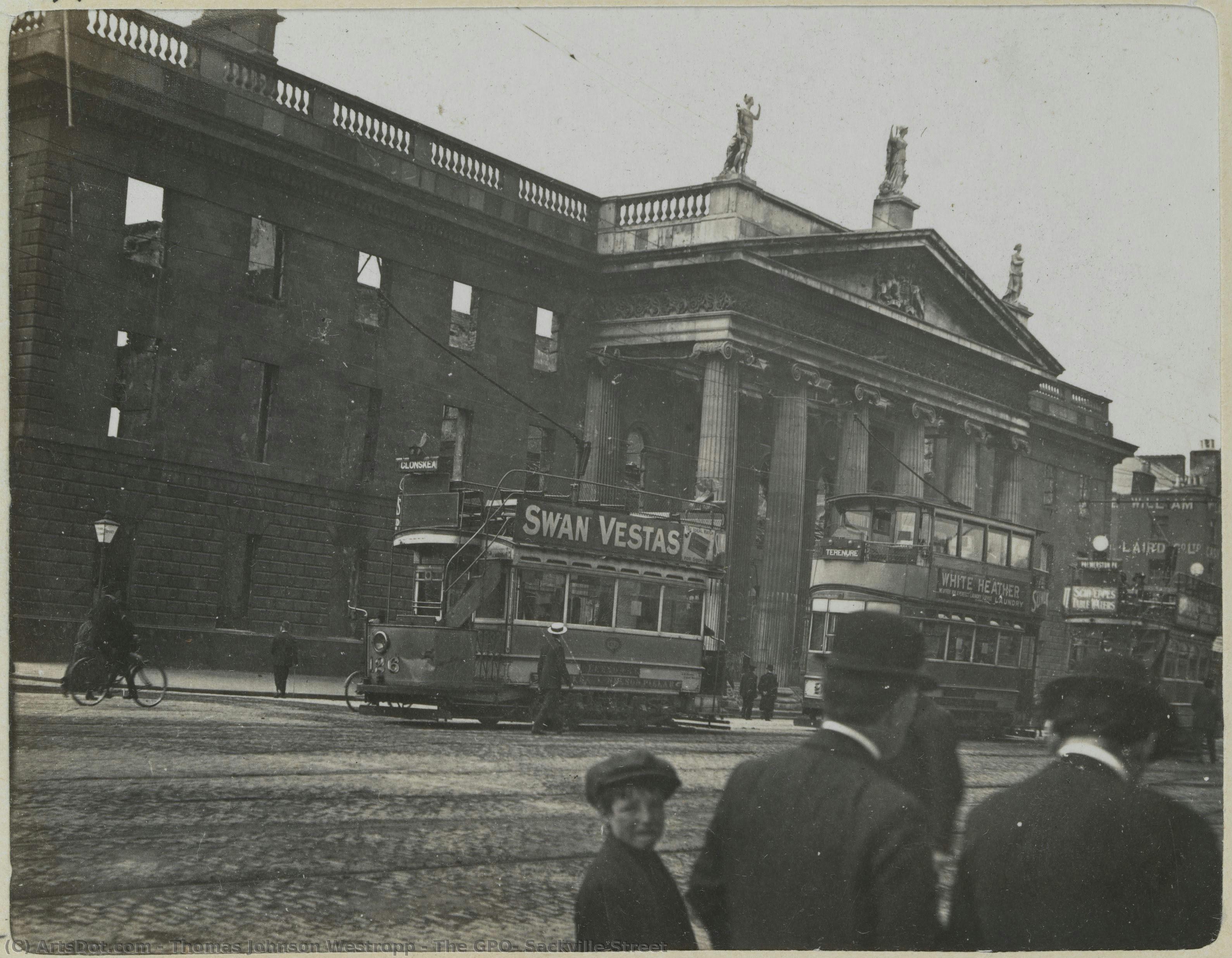
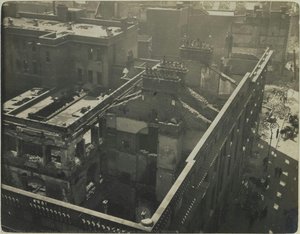
The GPO, Sackville Street


 Weiterlesen
Handgefertigte Ölreproduktion
Handgemaltes Ölgemälde auf Leinwand in Ihrer Wunschgröße und mit Rahmen, auf Bestellung von unseren Künstlern angefertigt. ( Druck bestellen Bild kaufen)




P118B $10

P118H $10

P118W $10

P438Z $10

P508JH $12

P508YH $12

P805H $10

P805Z $10

P919BZ $10

P919G $10

P919XJ $10

P959ZH $10

P968JZ $12

W106C $8

W218G $10

W218JH $8

W218Y $10

W307PJ $10

W316G $10

W316PJ $8

W316Y $10

W398PJ $8

W4111J $10

W500HY $15

W500JH $15

W692G $12

W849H $8

W940BG $15

W953PJ $8




Wählen Sie aus unseren vordefinierten Formaten, die den ursprünglichen Proportionen des Kunstwerks entsprechen.

Sie können Ihre eigenen Maße eingeben, um einen bestimmten Rahmen oder Platz auszufüllen. Wenn die gewählte Größe nicht den Proportionen des Originalbildes entspricht, werden wir das Kunstwerk entweder beschneiden oder das Gemälde durch zusätzliche, handgemalte Elemente erweitern. Ein digitales Mockup wird Ihnen zur Genehmigung zugesandt, bevor die Produktion beginnt.
Bitte beachten Sie, dass die Bildschirmvorschau nicht die tatsächliche Beschneidung oder Erweiterung widerspiegelt. Nur das Mockup zeigt die endgültige Komposition exakt an.
Obwohl Sondermaße verfügbar sind, empfehlen wir, eine Größe aus der vordefinierten Liste zu wählen, um die ursprünglichen Proportionen beizubehalten.
Nach der Bestellung wird das ArtsDot.com-Team dem Kunden Anweisungen per E-Mail zusenden und eine Mockup-Vorschau bereitstellen.
Weltweiter Versand () in nur 3 bis 4 Wochen statt der üblichen 5 Wochen. (24 August). Keine Kompromisse bei der Qualität.

Kostenloser weltweiter Expressversand

Hochwertige Leinenleinwand

Umfassender Versicherungsschutz beim Versand

Zollgebühren-Rückerstattungsgarantie

Garantie für exakte Farbtreue

60 Tage Rückgaberecht (nur bei Mängeln)

100% Geld-zurück-Garantie

Mengenrabatt verfügbar
 Die Glasoption ist nur für Größen unter 110 cm verfügbar.

The GPO, Sackville Street
Art der Reproduktion
Format der Reproduktion
-


Gesamtpreis
$ 363
Beschreibung des Kunstwerks
A Snapshot of Dublin’s Resilience: Thomas Johnson Westropp's “The GPO, Sackville Street”
Thomas Johnson Westropp’s evocative black and white photograph, "The GPO, Sackville Street," isn’t merely a depiction of a street scene; it’s a poignant window into a pivotal moment in Irish history – the aftermath of the 1916 Easter Rising. Captured just weeks after the rebellion that shook the foundations of British rule, this image transcends its documentary origins to become a powerful testament to resilience and the enduring spirit of a city grappling with profound change. Westropp, an antiquarian, surveyor, and keen observer of Irish life, meticulously documented the destruction wrought upon Dublin’s heart, transforming what could have been a bleak record of devastation into a surprisingly hopeful portrait of recovery.
The photograph centers around the iconic General Post Office building on Sackville Street (now O'Connell Street), rendered in stark detail against a backdrop of rubble and shattered facades. A double-decker bus, a symbol of burgeoning modernity, navigates the debris-strewn street, its presence suggesting an attempt to restore normalcy amidst chaos. Scattered figures – civilians going about their daily routines – offer glimpses into the lives continuing despite the recent upheaval. The composition is deliberately straightforward, prioritizing clarity and immediacy, as if Westropp sought to capture a truthful representation of the scene before him. The careful framing draws the viewer’s eye directly to the GPO, emphasizing its damaged state while simultaneously highlighting the quiet determination of those who remained.
Technical Mastery and Photographic Process
Westropp's skill as a photographer is evident in the meticulous detail achieved within the monochrome palette. The tonal range, from deep blacks representing the shadows cast by the destruction to bright whites illuminating the remaining structures, creates a dramatic contrast that heightens the visual impact. The photograph’s grainy texture, characteristic of silver gelatin prints on photographic paper, lends it an authentic quality, reminiscent of a historical record. The use of a large-format camera – a technique favored by Westropp – allowed for exceptional sharpness and detail, crucial for capturing the intricate textures of the buildings and the faces of the people within the scene. The diffused lighting suggests an overcast day, contributing to the photograph’s somber yet resolute mood.
A Historical Echo: The 1916 Rising and its Legacy
“The GPO, Sackville Street” is inextricably linked to the events of Easter Week 1916. The building itself served as a key headquarters for the rebel forces, becoming the focal point of intense fighting with British troops. Westropp’s decision to document the aftermath speaks volumes about his commitment to preserving this crucial period in Irish history. The photograph offers a rare and intimate glimpse into the immediate consequences of the rebellion – the widespread destruction, the disruption of daily life, and the palpable sense of uncertainty that permeated Dublin. It's important to note that Westropp’s work was not simply a record of damage; it also captured the spirit of a city attempting to rebuild itself amidst profound loss.
Symbolism of Hope Amidst Ruin
Despite the overwhelming evidence of destruction, “The GPO, Sackville Street” subtly conveys a message of hope. The presence of the bus, representing progress and modernization, suggests an aspiration for a brighter future. The continued activity of the people – their attempts to navigate the ruined streets – symbolizes resilience and determination. Westropp’s choice to focus on these elements transforms what could have been a purely mournful depiction into one that celebrates the enduring spirit of Dubliners. The photograph serves as a reminder that even in the face of adversity, life continues, and the desire for progress persists.
Reproductions and Artistic Interpretation
Today, reproductions of “The GPO, Sackville Street” offer a powerful connection to this pivotal moment in Irish history. When viewed closely, the photograph’s subtle details – the expressions on the faces of the pedestrians, the textures of the damaged buildings – invite contemplation and reflection. The image's stark monochrome palette lends itself beautifully to interior design, providing a sophisticated and historically resonant element to any space. Whether displayed as a fine art print or incorporated into a larger collection, Westropp’s photograph remains a compelling testament to the resilience of Dublin and a poignant reminder of the enduring power of photography to capture history in all its complexity.
Ähnliche Kunstwerke
![Weizenfeld Mit Aufgehender Sonne [1889] — Vincent Willem Van Gogh, Postimpressionismus](/media/artworks/images-thumb/77/71/7771a95906cf1b4b7935dd57ec0448e9.jpg)

Über den Künstler
Thomas Johnson Westropp: Leben und Erbe
Frühes Leben und Ausbildung
Thomas Johnson Westropp wurde am 16. August 1860 in Attyflin Park, Patrickswell, County Limerick, Irland geboren. Seine Vorfahren waren Grundbesitzer englischen Ursprungs, die seit dem mittleren 16. Jahrhundert im Gebiet lebten. Schon in jungen Jahren zeigte Westropp ein großes Interesse an Antiquitäten und dokumentierte sorgfältig Topographie, alte Gebäude und Volksleben während Familienausflügen in benachbarte Grafschaften.
Er setzte seine höhere Bildung am Trinity College Dublin fort und erwarb 1882 einen MA. Er vertiefte sein Studium mit einem Diplom in Zivilingenieurwesen im Jahr 1885 und absolvierte anschließend eine Lehre bei Bindon Blood Stoney, der die Erweiterung und das Sperren des Düsseldorfer Hafeneinfalls überwachte.
Berufswechsel und archäologische Bestrebungen
Trotz seiner anfänglichen Ausbildung als Ingenieur verließ Westropp bald die Berufspraxis, um sich voll und ganz der archäologischen Forschung zu widmen. Er war kurzzeitig Assistentenverwalter für County Meath, bevor er seine Leidenschaft für das Aufdecken der Vergangenheit Irlands priorisierte. Für den Rest seines Lebens konzentrierte er sich auf die Erforschung von Antiquitäten entlang der westlichen Küste Irlands.
Künstlerische Arbeit und Dokumentation
Westropp ist bekannt für seine unglaublich detaillierten Zeichnungen von Gebäuden, Grabplatten und anderen archäologischen Überresten, die in ganz Irland gefunden wurden. Diese Zeichnungen sind nicht nur künstlerische Darstellungen; sie dienen als wertvolle historische Aufzeichnungen. Viele dieser Zeichnungen werden heute von der Royal Irish Academy aufbewahrt.
Seine Arbeit ging über die visuelle Dokumentation hinaus und umfasste die Sammlung von Folklore und lokalen Traditionen, die einen reichen kulturellen Einblick in das 19. und frühe 20. Jahrhundert Irland lieferten.
Einflüsse und künstlerische Entwicklung
Westropps anfängliche Ingenieurausbildung hatte wahrscheinlich seinen sorgfältigen Ansatz zur Dokumentation und die präzise Darstellung architektonischer Details beeinflusst. Sein Mentor, Bindon Blood Stoney, ein prominenter Ingenieur, der an bedeutenden Infrastrukturprojekten beteiligt war, vermittelte ein Gefühl für technische Präzision. Es war jedoch seine angeborene Neugierde und Leidenschaft für die irische Geschichte, die seine künstlerische Entwicklung wirklich prägten.
Seine Arbeit kann als Teil einer breiteren Bewegung des Antiquarischen angesehen werden, die während der viktorianischen Ära vorherrschte, in der ein wachsendes Interesse an der Bewahrung und dem Verständnis historischer Artefakte und Traditionen bestand.
Wichtige Errungenschaften und historische Bedeutung
- Umfassende archäologische Dokumentation: Westropp schuf ein unvergleichliches visuelles Bildverzeichnis irischer archäologischer Stätten.
- Folklore-Sammlung: Seine Sammlung von Folklore lieferte wertvolle Einblicke in das irische kulturelle Erbe.
- Einfluss auf die Irish Folklore Commission: Sein Werk beeinflusste und informierte maßgeblich die Gründung und die frühen Aktivitäten der Irish Folklore Commission.
Vermächtnis
Thomas Johnson Westropp starb 1922 und hinterließ ein beträchtliches Werk, das Historiker, Archäologen und Volkskundler bis heute studiert wird. Seine detaillierten Zeichnungen und sorgfältigen Notizen sind weiterhin wesentliche Ressourcen für das Verständnis des reichen Vergangenen Irlands. Er wird als ein engagierter Gelehrter in Erinnerung behalten, der eine entscheidende Rolle bei der Bewahrung des irischen kulturellen Erbes spielte.
Seine Publikationen sind weit verbreitet in Bibliotheken im Westen Irlands zugänglich und gewährleisten, dass seine Beiträge zukünftigen Generationen weiterhin Inspiration geben.
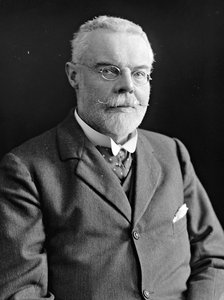
Thomas Johnson Westropp
1860 - 1922 , Irland
Kurzinfos
- Artistic Movement Or Style: Antiquarianismus
- Artists Or Movements Influenced By This Artist: Irish Folklore Commission
- Artists Who Influenced This Artist: Bindon Blood Stoney
- Date Of Birth: 1860-08-16
- Date Of Death: 1922
- Full Name: Thomas Johnson Westropp
- Nationality: Irisch
- Notable Artworks: ['Die Opferung Isaaks']
- Place Of Birth: Dublin, Irland
Ähnliche Artikel

Monochrome Visions: Exploring the Aesthetic & Historical Significance of Black & White Photography
Explore the rich history & artistic power of black and white photography. From early techniques to iconic masters like Ansel Adams, discover why monochrome continues to captivate art lovers today. Expert insights for collectors.
Beyond the Lens: Photography's Enduring Influence on Modern & Contemporary Art
Explore photography's pivotal role in shaping modern & contemporary art. Discover key movements, influential artists like Stieglitz, and expert collecting advice from ArtsDot.

Die Top 10 berühmter Gemälde im Reich der dunklen Töne |
Entdecken Sie die Top 10 berühmter Gemälde, beherrscht von dunklen Tönen! Von Caravaggio bis Manet – erfahren Sie die Geschichten hinter Meisterwerken der Kunstgeschichte. Finden Sie Ihre perfekte Reproduktion auf .

Pictorialism: A Search for Artistic Photography's Soul – Aesthetics, Techniques & Legacy
Explore the captivating world of Pictorialism – a pivotal movement that transformed photography into fine art. Discover key artists like Stieglitz & Käsebier, techniques, and collecting tips from experts.
Witnessing History Through Lens & Light: Documentary Photography's Enduring Legacy
Explore the powerful history of documentary photography – from its origins to contemporary masters like Gordon Parks & W. Eugene Smith. Discover how this art form shapes our understanding of society and witness pivotal moments in time.

