 Vorschau anzeigen
 Versenden
 Teilen
 Details anzeigen

 Herunterladen
 Ähnliche Objekte
 Röntgenaufnahme
 Diashow
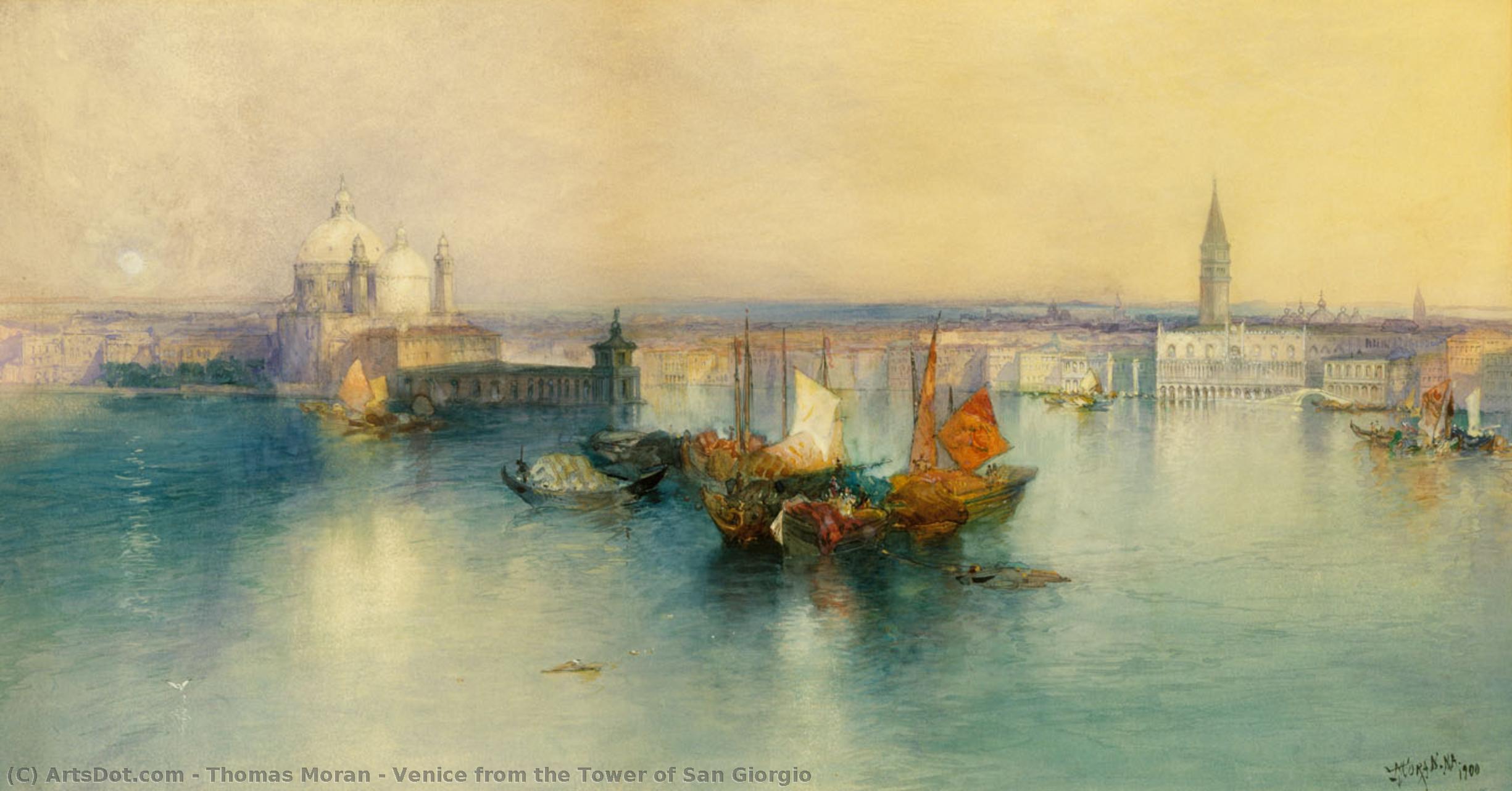
Venice from the Tower of San Giorgio
 Watercolor
- WallArt
- Romanticism
 1900
1900 42.0 x 74.0 cm
 Smithsonian American Art Museum
 Weiterlesen
Handgefertigte Ölreproduktion
Handgemaltes Ölgemälde auf Leinwand in Ihrer Wunschgröße und mit Rahmen, auf Bestellung von unseren Künstlern angefertigt. ( Druck bestellen Bild kaufen)




P118B $10

P118H $10

P118W $10

P438Z $10

P508JH $12

P508YH $12

P805H $10

P805Z $10

P919BZ $10

P919G $10

P919XJ $10

P959ZH $10

P968JZ $12

W106C $8

W218G $10

W218JH $8

W218Y $10

W307PJ $10

W316G $10

W316PJ $8

W316Y $10

W398PJ $8

W4111J $10

W500HY $15

W500JH $15

W692G $12

W849H $8

W940BG $15

W953PJ $8




Wählen Sie aus unseren vordefinierten Formaten, die den ursprünglichen Proportionen des Kunstwerks entsprechen.

Sie können Ihre eigenen Maße eingeben, um einen bestimmten Rahmen oder Platz auszufüllen. Wenn die gewählte Größe nicht den Proportionen des Originalbildes entspricht, werden wir das Kunstwerk entweder beschneiden oder das Gemälde durch zusätzliche, handgemalte Elemente erweitern. Ein digitales Mockup wird Ihnen zur Genehmigung zugesandt, bevor die Produktion beginnt.
Bitte beachten Sie, dass die Bildschirmvorschau nicht die tatsächliche Beschneidung oder Erweiterung widerspiegelt. Nur das Mockup zeigt die endgültige Komposition exakt an.
Obwohl Sondermaße verfügbar sind, empfehlen wir, eine Größe aus der vordefinierten Liste zu wählen, um die ursprünglichen Proportionen beizubehalten.
Nach der Bestellung wird das ArtsDot.com-Team dem Kunden Anweisungen per E-Mail zusenden und eine Mockup-Vorschau bereitstellen.
Weltweiter Versand () in nur 3 bis 4 Wochen statt der üblichen 5 Wochen. (7 September). Keine Kompromisse bei der Qualität.

Kostenloser weltweiter Expressversand

Hochwertige Leinenleinwand

Umfassender Versicherungsschutz beim Versand

Zollgebühren-Rückerstattungsgarantie

Garantie für exakte Farbtreue

100-Tage-Rückgaberecht (nur bei Mängeln)

100% Geld-zurück-Garantie

Mengenrabatt verfügbar
 Die Glasoption ist nur für Größen unter 110 cm verfügbar.

Venice from the Tower of San Giorgio
Art der Reproduktion
Format der Reproduktion
-


Gesamtpreis
$ 263
Venice from the Tower of San Giorgio: A Masterpiece of Romantic Light
Thomas Moran’s “Venice from the Tower of San Giorgio,” painted in 1900, isn't merely a depiction of a city; it’s an immersion into a fleeting moment of ethereal beauty. This watercolor on paperboard captures the heart of Venice – its shimmering canals, the majestic silhouette of the Doge’s Palace, and the iconic campanile of San Giorgio Maggiore rising above the lagoon – all bathed in the soft, diffused light of twilight. More than just a landscape painting, it's a testament to Moran’s ability to evoke atmosphere and emotion through color and composition, firmly establishing him as a pivotal figure within the American Hudson River School.
Moran, born in Bolton, England, brought with him an early fascination for the sea – a theme that subtly permeates his work, even when depicting seemingly landlocked vistas. His family’s emigration to America instilled a deep appreciation for the vastness of nature and the dramatic interplay of light and shadow. This journey profoundly shaped his artistic vision, influencing his choice of subjects and his meticulous attention to detail. The painting reflects this early influence, demonstrating a sensitivity to the nuances of natural light that would become a hallmark of his style.
The Romantic Vision: Palladio’s Influence and the Pursuit of Light
The composition itself is deeply rooted in the principles of Romanticism, a movement that prioritized emotion, imagination, and the sublime. Moran clearly drew inspiration from J.M.W. Turner, whose masterful use of light and color profoundly impacted his own approach to landscape painting. Like Turner, Moran sought not simply to represent reality but to capture its essence – the feeling of being present in a particular place at a specific moment. The tower of San Giorgio Maggiore acts as a crucial compositional element, drawing the eye into the scene and anchoring the viewer within the vastness of the Venetian lagoon.
Notably, the painting’s genesis is intertwined with the architectural legacy of Andrea Palladio. Moran was commissioned to create this view specifically for Jay Cooke, a prominent financier who was instrumental in establishing Yellowstone National Park. Cooke, captivated by Palladio's designs, envisioned a similar harmony between architecture and nature, and he tasked Moran with capturing this ideal on canvas. The painting’s careful balance of man-made structures – the tower, the palace – and the natural world reflects this broader ambition.
Technique and Palette: A Symphony of Color
Moran's technique is characterized by a remarkable control over watercolor—a medium he expertly manipulated to achieve both delicate detail and broad washes of color. The painting’s luminosity stems from his masterful use of layering, glazing, and scumbling – techniques that build up the image gradually, creating a sense of depth and atmosphere. The palette is predominantly cool, dominated by blues, violets, and greens, reflecting the twilight hour. However, strategically placed highlights—particularly in the reflections on the water and the details of the buildings—add warmth and vibrancy to the scene.
Observe how Moran captures the subtle shifts in color as the light fades. The distant buildings are rendered in softer hues, while those closer to the viewer retain more detail and intensity. This careful gradation creates a convincing illusion of depth and distance, drawing the eye into the heart of the painting. The brushstrokes themselves are loose and expressive, contributing to the overall sense of movement and dynamism.
Symbolism and Emotional Resonance
Beyond its technical brilliance, “Venice from the Tower of San Giorgio” resonates with a profound sense of nostalgia and longing. The twilight setting evokes a feeling of melancholy beauty—a recognition of the fleeting nature of time and the impermanence of all things. Venice itself has long been associated with romance, mystery, and artistic inspiration, and Moran’s painting captures this spirit perfectly.
The inclusion of the tower of San Giorgio Maggiore is particularly significant. The tower, a symbol of faith and resilience, stands as a beacon in the darkening sky, offering a sense of stability and continuity amidst the ever-changing flow of the lagoon. Ultimately, Moran’s masterpiece invites us to contemplate the beauty of the natural world, the enduring legacy of architectural genius, and the profound emotional power of art.
Ähnliche Kunstwerke

Über den Künstler
Frühe Jahre und Karriere
Thomas Moran, ein renommierter amerikanischer Maler und Grafiker der Hudson River School in New York, dessen Werk oft die Rocky Mountains darstellt, wurde am 12. Februar 1837 in Bolton, England, geboren. Seine Familie zog später in die Vereinigten Staaten und ließ sich in New York nieder, wo Moran seine künstlerische Stimme finden würde. Als jüngerer Bruder des bekannten Marinekünstlers Edward Moran teilte er ein Atelier mit ihm und markierte damit den Beginn seiner künstlerischen Reise.Künstlerischer Stil und Einflüsse
Morans Werk wurde stark von dem britischen Künstler J. M. W. Turner beeinflusst, dessen Verwendung von Farbe und seiner Wahl der Landschaften Moran dazu inspirierten, ähnliche Themen in seinen eigenen Werken zu erkunden. Dies zeigt sich in seinen Gemälden, die oft die Rocky Mountains und den amerikanischen Westen zeigen. Sein Stil, der durch sorgfältige Details und eine Mischung aus Realismus und Romantik gekennzeichnet ist, sicherte ihm einen bedeutenden Platz innerhalb der Hudson River School Bewegung.Bemerkenswerte Werke und Errungenschaften
- Der Grand Canyon des Yellowstone (1872): Dieses monumentale Gemälde wurde von der Regierung für 10.000 Dollar gekauft und markierte Morans erste bedeutende Anerkennung als Künstler.
- Yellowstone Nationalpark: Morans Skizzen und Gemälde spielten eine entscheidende Rolle bei der Gründung des Yellowstone als ersten Nationalpark im Jahr 1872.
Entwicklung und Bedeutung
Moran entwickelte seinen Stil weiter, indem er die Techniken von Turner übernahm und sie mit seiner eigenen Beobachtungsgabe für die amerikanischen Landschaften kombinierte. Er war einer der ersten Künstler, der die Schönheit und Größe des amerikanischen Westens in großformatigen Gemälden festhielt. Seine Fähigkeit, Licht und Atmosphäre einzufangen, verlieh seinen Werken eine besondere Tiefe und Dramatik. Moran trug maßgeblich dazu bei, das Bewusstsein für die Bedeutung des Naturschutzes zu schärfen und inspirierte viele Menschen, die Wunder der amerikanischen Landschaft zu erkunden.Vermächtnis und Einfluss
Morans Beiträge zur amerikanischen Landschaftsmalerei sind unbestreitbar. Seine Arbeit spiegelte nicht nur die Schönheit des amerikanischen Westens wider, sondern inspirierte auch eine neue Generation von Künstlern. Heute finden sich seine Gemälde in verschiedenen Museen, darunter das Smithsonian American Art Museum, ein Beweis für sein bleibendes Vermächtnis. Wichtige Daten: - 12. Februar 1837: geboren in Bolton, England - 25. August 1926: verstarb in Santa Barbara, Kalifornien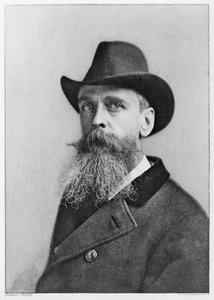
Thomas Moran
1837 - 1926 , Vereinigtes Königreich
Kurzinfos
- Beeinflusste Künstler: ['J. M. W. Turner']
- Bemerkenswerte Werke:
- The Grand Canyon of the Yellowstone
- Yellowstone National Park
- The Chasm of the Colorado
- Geburtsdatum: 12. Februar 1837
- Geburtsort: Bolton, England
- Künstlerische Bewegung: Hudson River School
- Nationalität: Amerikanisch
- Sterbedatum: 25. August 1926
- Vollständiger Name: Thomas Moran
- Von Künstlern Beeinflusst: ['Edward Moran']
Ähnliche Artikel

Die 10 legendärsten Aquarellwerke der Kunstgeschichte – Meisterwerke für Ihr Zuhause
Entdecken Sie die 10 legendärsten Aquarellwerke der Kunstgeschichte! Von Turner bis Monet – erleben Sie die Geschichten, Techniken & Farben dieser Meisterwerke. Finden Sie hochwertige Kunstdrucke auf ArtsDot.com und gestalten Sie Ihr Zuhause mit zeitloser Eleganz.

Ephemeral Visions: Exploring the Artistic Legacy & Contemporary Practice of Watercolor Painting
Explore the captivating world of watercolor painting! Discover its rich history, essential techniques, influential artists & collecting tips. A comprehensive guide for art enthusiasts from ArtsDot.

Flüchtige Visionen: Die Geschichte und emotionale Resonanz der Aquarellmalerei
Entdecken Sie die faszinierende Welt der Aquarellmalerei! Von historischen Ursprüngen bis zu modernen Techniken – wir bieten Expertenwissen, Inspiration und Tipps für Anfänger & Fortgeschrittene.

Ephemeral Visions: Exploring the Artistic Legacy & Nuances of Watercolor Painting
Explore the captivating world of watercolor painting! Discover its rich history, essential techniques, influential artists & collecting tips from art experts. A comprehensive guide for enthusiasts.

Ephemeral Echoes: Exploring the Aesthetic & Historical Significance of Vintage Watercolor Painting
Explore the captivating world of vintage watercolor painting! Discover its rich history, techniques, influential artists & collecting tips. Expert insights for enthusiasts and collectors at ArtsDot.