

 Vorschau anzeigen
 Versenden
 Teilen
 Details anzeigen

 Herunterladen
 Ähnliche Objekte
 Röntgenaufnahme
 Diashow
 Statistiken
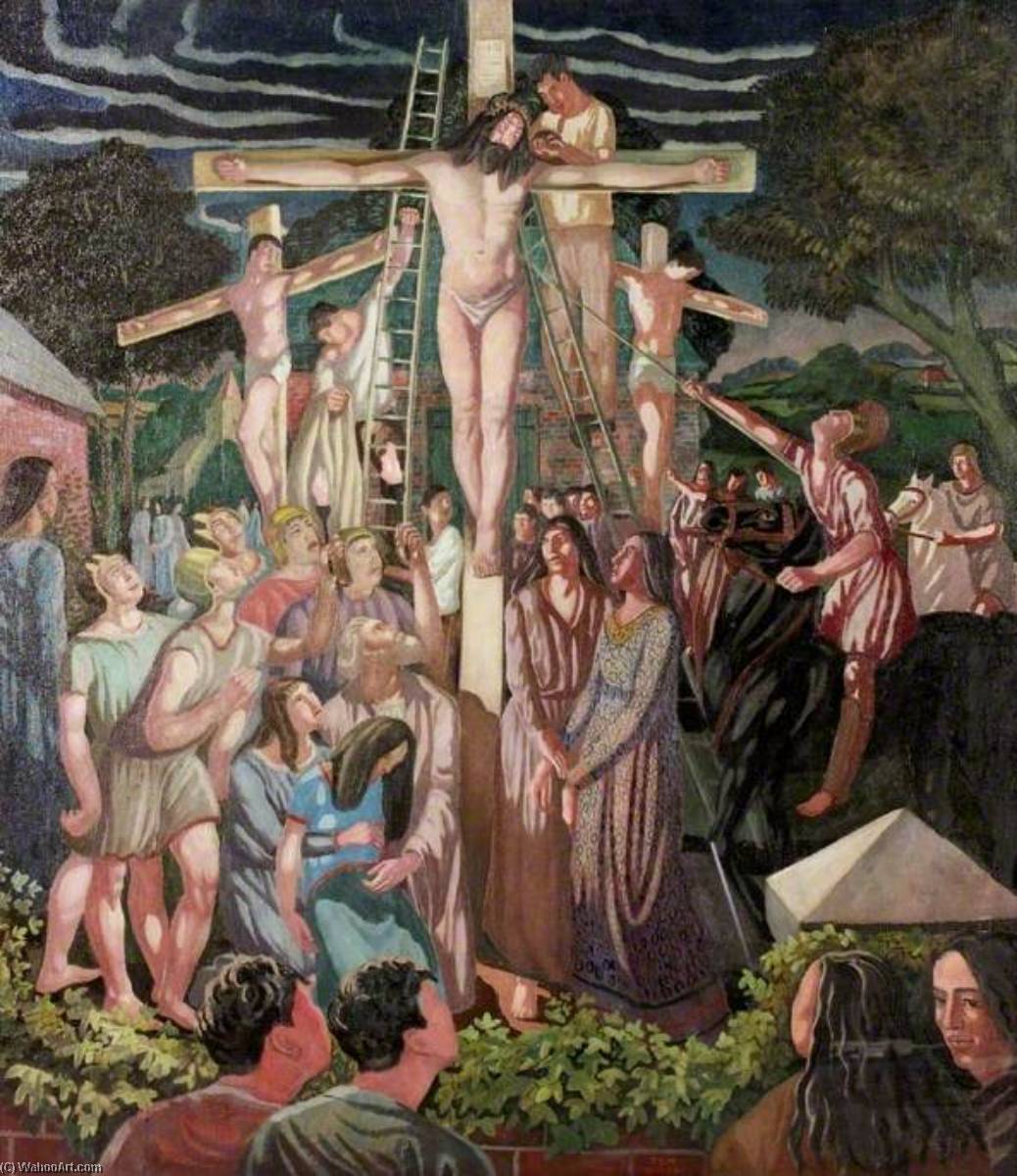
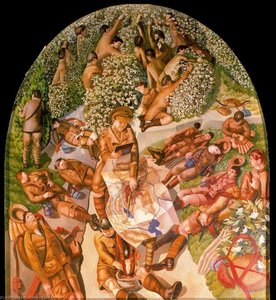
Crucifixion
 Expressionism
 1932
1932 122.0 x 107.0 cm
 Laing Art Galerie
 Weiterlesen
Handgefertigte Ölreproduktion
Handgemaltes Ölgemälde auf Leinwand in Ihrer Wunschgröße und mit Rahmen, auf Bestellung von unseren Künstlern angefertigt. ( Zu Druck wechseln Zum digitalen Bild wechseln)




































Wählen Sie aus unseren vordefinierten Formaten, die den ursprünglichen Proportionen des Kunstwerks entsprechen.

Sie können Ihre eigenen Maße eingeben, um einen bestimmten Rahmen oder Platz auszufüllen. Wenn die gewählte Größe nicht den Proportionen des Originalbildes entspricht, werden wir das Kunstwerk entweder beschneiden oder das Gemälde durch zusätzliche, handgemalte Elemente erweitern. Ein digitales Mockup wird Ihnen zur Genehmigung zugesandt, bevor die Produktion beginnt.
Bitte beachten Sie, dass die Bildschirmvorschau nicht die tatsächliche Beschneidung oder Erweiterung widerspiegelt. Nur das Mockup zeigt die endgültige Komposition exakt an.
Obwohl Sondermaße verfügbar sind, empfehlen wir, eine Größe aus der vordefinierten Liste zu wählen, um die ursprünglichen Proportionen beizubehalten.
Nach der Bestellung wird das ArtsDot.com-Team dem Kunden Anweisungen per E-Mail zusenden und eine Mockup-Vorschau bereitstellen.
Weltweiter Versand () in nur 3 bis 4 Wochen statt der üblichen 5 Wochen. (10 September). Keine Kompromisse bei der Qualität.

Kostenloser weltweiter Expressversand

Hochwertige Leinenleinwand

Umfassender Versicherungsschutz beim Versand

Zollgebühren-Rückerstattungsgarantie

Garantie für exakte Farbtreue

100-Tage-Rückgaberecht (nur bei Mängeln)

100% Geld-zurück-Garantie

Mengenrabatt verfügbar
 Die Glasoption ist nur für Größen unter 110 cm verfügbar.

Crucifixion
Art der Reproduktion
Format der Reproduktion
-


Gesamtpreis
$ 488
Artistic Style and Composition
The painting depicts a somber scene of Jesus being crucified, surrounded by a crowd of onlookers. The artist's use of color and composition creates a sense of depth and emotion, drawing the viewer into the scene. The lighting in the painting is particularly noteworthy, with the use of shadows and highlights adding to the overall mood of the piece.Symbolism and Meaning
The Crucifixion painting is rich in symbolism, with various elements holding significant meaning. The cross itself represents sacrifice and redemption, while the crowd surrounding Jesus symbolizes the diverse reactions of humanity to his crucifixion. The umbrella in the background may represent protection or shelter, adding another layer of depth to the painting.- The Laing Art Gallery is home to an impressive collection of artworks, including pieces by James Walker Tucker and Charles Napier Hemy.
- For more information on the Crucifixion painting, visit ArtsDot.com.
- To learn more about the artist Emma Woollard, visit ArtsDot.com.
The Crucifixion painting is a powerful example of Thomas Saunders Nash's skill as an artist, and its thought-provoking themes continue to resonate with audiences today. Whether you are an art historian or simply appreciate beautiful artwork, this piece is sure to leave a lasting impression.
Ähnliche Kunstwerke
Über den Künstler
Thomas Saunders Nash (1891 – 1968): A Painter of Rural Faith
Thomas Saunders Nash was born in Évreux, France, in 1891, into a family steeped in artistic tradition. His father, Henry Nash, was a sculptor and instilled in Thomas a deep appreciation for craftsmanship and visual storytelling. Early influences included Impressionism and Post-Impressionism, particularly the works of Jean-François Millet – whose depictions of peasant life resonated deeply with Nash’s own sensibilities. This formative period shaped his artistic vision, prioritizing observation and conveying emotion through subtle tonal shifts and meticulous detail.- Early Life & Education: Nash pursued formal art training at École Supérieure des Beaux-Arts in Paris, honing his skills in oil painting and sculpture. He absorbed the stylistic innovations of Cubism and Surrealism, experimenting with fragmented perspectives and dreamlike imagery alongside more traditional landscapes.
- Notable Works: Nash’s oeuvre is characterized by a profound engagement with themes of rural life, religious devotion, and humanist compassion. His paintings frequently portray scenes of agricultural labor—often illuminated by soft, diffused light—capturing the dignity and resilience of ordinary people.
The Influence of Millet & Surrealism
Nash’s artistic journey was significantly impacted by Jean-François Millet's unflinching portrayal of rural hardship and spiritual contemplation. Millet’s canvases served as a catalyst for Nash to explore the complexities of human experience within the natural world, emphasizing empathy and recognizing the beauty inherent in simplicity. Simultaneously, he embraced Surrealist techniques—particularly automatism—allowing subconscious impulses to guide his creative process. This duality resulted in artworks that blended realism with symbolic resonance, reflecting both meticulous observation and imaginative exploration.- Millet’s Legacy: Nash acknowledged Millet's profound influence on his artistic approach, recognizing the importance of conveying emotion through understated visual language.
- Surrealist Experimentation: He actively incorporated Surrealist principles into his paintings, seeking to tap into the realm of dreams and intuition—a deliberate departure from purely representational art.
Key Achievements & Artistic Style
Nash achieved considerable acclaim during his lifetime, securing commissions for murals and landscapes that celebrated French heritage and humanist values. His distinctive artistic style is marked by a masterful command of tonal gradation—creating atmospheric depth and conveying nuanced emotional states—and an unwavering commitment to capturing the essence of his subjects with remarkable accuracy. He favored muted palettes—often dominated by earthy hues—enhancing the contemplative mood of his compositions.- Murals & Landscape Commissions: Nash’s artistic talent earned him recognition from institutions like St Thomas' Hospital and Musée Thomas-Henry, where he created impactful artworks reflecting social responsibility.
- Technique & Palette: His meticulous brushwork and subtle color harmonies established him as a leading figure in French landscape painting—a testament to his dedication to craftmanship and artistic vision.
Legacy & Historical Significance
Thomas Saunders Nash’s enduring legacy resides in his ability to synthesize Impressionistic observation with Surrealist imagination—producing artworks that transcend mere depiction, communicating profound spiritual and humanist ideas. His paintings continue to inspire viewers with their evocative beauty and thoughtful reflection on the human condition. He remains a prominent artist of the 20th century, remembered for his contribution to French art history and his unwavering devotion to portraying rural life with compassion and artistic integrity.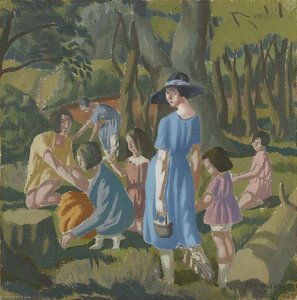
thomas saunders nash
1891 - 1968
Kurzinfos
- Artistic Movement Or Style: Realism
- Artists Or Movements Influenced By This Artist: ['Romanticism']
- Artists Who Influenced This Artist: ['Jean-François Millet']
- Date Of Birth: 1891
- Date Of Death: 1968
- Full Name: Thomas Saunders Nash
- Nationality: British
- Notable Artworks:
- In a Wood
- In the Orchard (The Apple Pickers)
- Crucifixion
- Place Of Birth: Bournemouth, Dorset
Ähnliche Artikel

Das bleibende Erbe der Ölmalerei: Technik, Geschichte und zeitgenössische Praxis
Entdecken Sie die faszinierende Geschichte der Ölmalerei – von den frühen Techniken bis zur modernen Kunst. Expertenwissen, detaillierte Analysen und Inspiration für Sammler & Kunstliebhaber.

The Enduring Legacy of Oil on Canvas: Technique, History & Aesthetic Impact
Explore the rich history & techniques of oil painting – from Renaissance masters to Impressionism. Discover pigments, layering methods, and why this timeless medium endures. Expert insights for artists & art enthusiasts.
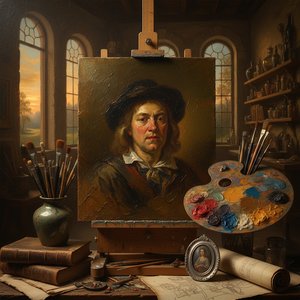
The Enduring Legacy of Oil Paint: Technique, History & Emotional Resonance in Western Art
Explore the rich history & techniques of oil painting! Discover Renaissance masters, scientific principles behind color, and emotional resonance in art. Learn about glazing, layering, and atmospheric perspective – a guide for enthusiasts & collectors.

The Enduring Power of Painting: A Historical & Contemporary Exploration of Form and Emotion
Explore the rich history & enduring techniques of oil painting with ArtsDot. Discover masterpieces, learn about art collecting, and find authentic handmade reproductions crafted by skilled artists.

Öl auf Leinwand: Eine historische und technische Erkundung eines zeitlosen künstlerischen Mediums
Entdecken Sie die faszinierende Welt der Ölmalerei! Von historischen Techniken bis zur modernen Anwendung – wir bieten Expertenwissen, Restaurierungstipps und hochwertige Reproduktionen. Jetzt informieren!