

 Vorschau anzeigen
 Versenden
 Teilen
 Details anzeigen

 Herunterladen
 Ähnliche Objekte
 Röntgenaufnahme
 Diashow
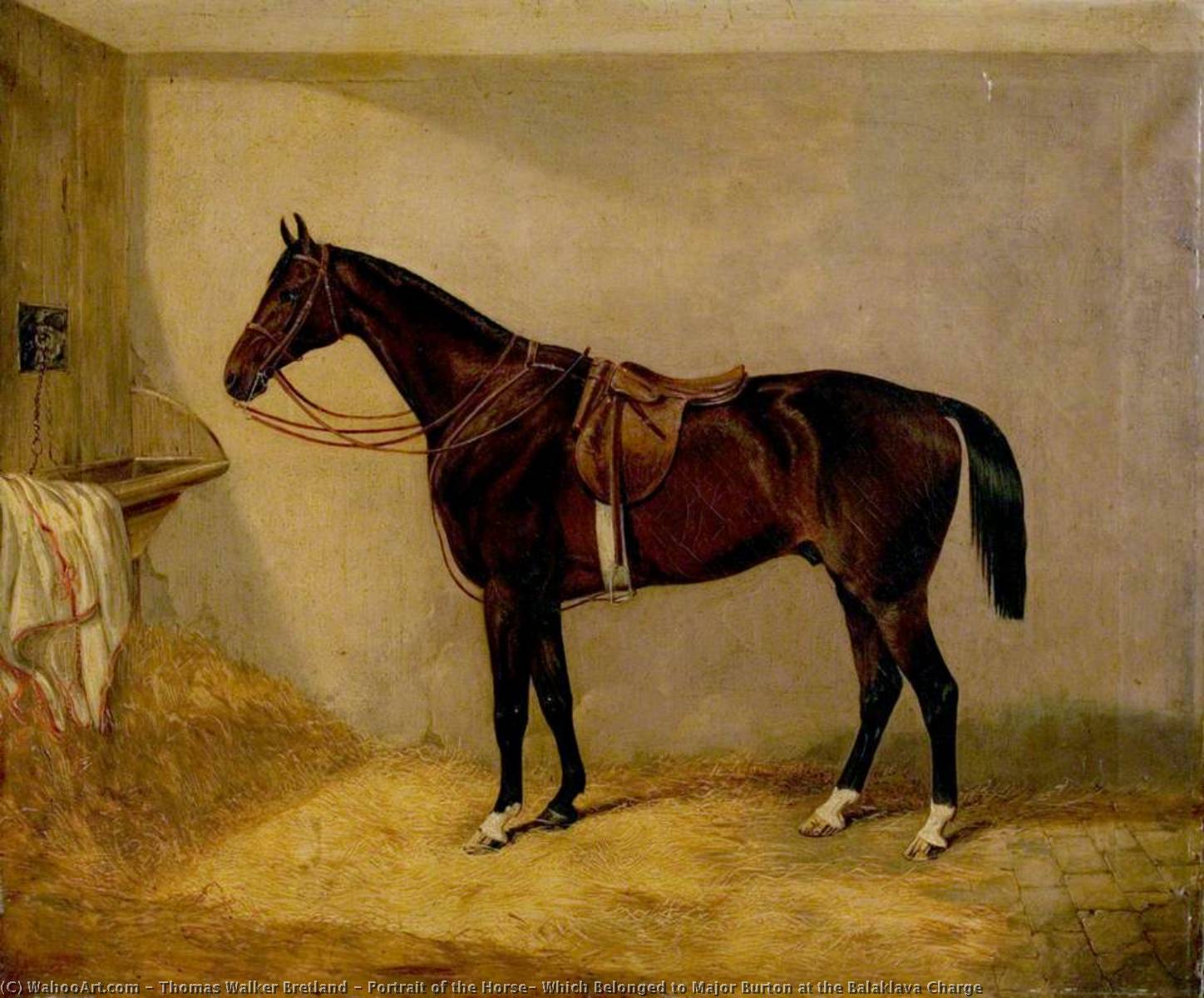
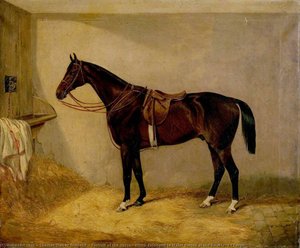
Portrait of the Horse, Which Belonged to Major Burton at the Balaklava Charge
 64.0 x 76.0 cm
 Nottingham Castle Museum Und Kunstgalerie
 Weiterlesen
Handgefertigte Ölreproduktion
Handgemaltes Ölgemälde auf Leinwand in Ihrer Wunschgröße und mit Rahmen, auf Bestellung von unseren Künstlern angefertigt. ( Druck bestellen Bild kaufen)




































Wählen Sie aus unseren vordefinierten Formaten, die den ursprünglichen Proportionen des Kunstwerks entsprechen.

Sie können Ihre eigenen Maße eingeben, um einen bestimmten Rahmen oder Platz auszufüllen. Wenn die gewählte Größe nicht den Proportionen des Originalbildes entspricht, werden wir das Kunstwerk entweder beschneiden oder das Gemälde durch zusätzliche, handgemalte Elemente erweitern. Ein digitales Mockup wird Ihnen zur Genehmigung zugesandt, bevor die Produktion beginnt.
Bitte beachten Sie, dass die Bildschirmvorschau nicht die tatsächliche Beschneidung oder Erweiterung widerspiegelt. Nur das Mockup zeigt die endgültige Komposition exakt an.
Obwohl Sondermaße verfügbar sind, empfehlen wir, eine Größe aus der vordefinierten Liste zu wählen, um die ursprünglichen Proportionen beizubehalten.
Nach der Bestellung wird das ArtsDot.com-Team dem Kunden Anweisungen per E-Mail zusenden und eine Mockup-Vorschau bereitstellen.
Weltweiter Versand () in nur 3 bis 4 Wochen statt der üblichen 5 Wochen. (4 September). Keine Kompromisse bei der Qualität.

Kostenloser weltweiter Expressversand

Hochwertige Leinenleinwand

Umfassender Versicherungsschutz beim Versand

Zollgebühren-Rückerstattungsgarantie

Garantie für exakte Farbtreue

60 Tage Rückgaberecht (nur bei Mängeln)

100% Geld-zurück-Garantie

Mengenrabatt verfügbar
 Die Glasoption ist nur für Größen unter 110 cm verfügbar.

Portrait of the Horse, Which Belonged to Major Burton at the Balaklava Charge
Art der Reproduktion
Format der Reproduktion
-


Gesamtpreis
$ 263
Ähnliche Kunstwerke



Über den Künstler
Thomas Walker Bretland: A Chronicle of Rural Life and Equestrian Grace
Born in Nottingham in 1802, Thomas Walker Bretland’s artistic journey began not within a formal studio, but amidst the bustling world of his father's coach and carriage painting business. From an early age, young Thomas possessed a keen eye for detail and a deep fascination with animals – a passion that would ultimately define his career. Initially apprenticed to his father in this traditional craft, he nonetheless found himself drawn to capturing the essence of the creatures he observed, sketching horses, dogs, and cows with an intensity that hinted at a future far removed from heraldic designs.
Bretland’s early life was shaped by a confluence of influences. The legacy of George Stubbs, the celebrated English animal painter of the 18th century, proved particularly formative. Stubbs' meticulous anatomical studies and dramatic depictions of horses ignited a desire within Bretland to elevate his own work beyond mere illustration, striving instead for a profound understanding of equine anatomy and movement. His father’s initial discouragement of artistic pursuits was ultimately overridden by the advice of Lord Middleton, a discerning patron who recognized the burgeoning talent within the young artist. This pivotal encounter provided Bretland with the encouragement and opportunity to pursue his passion fully.
The Rise of a Sporting Painter
The mid-19th century witnessed a flourishing of sporting art in Britain, fueled by the growing popularity of hunting, racing, and equestrian pursuits among the landed gentry. Bretland skillfully positioned himself within this vibrant milieu, becoming a sought-after painter of horses and scenes related to rural life. His commissions came primarily from wealthy landowners – Dukes of Buccleuch and Montrose, Lord Chesterfield, Baron Rothschild – individuals who valued both artistic skill and social standing. These patrons commissioned portraits of their prized steeds, hunting scenes depicting thrilling chases through the countryside, and evocative landscapes that captured the beauty of the English estate.
Bretland’s style evolved over time, reflecting the prevailing trends of the Victorian era while retaining a distinctly individual character. His paintings are characterized by meticulous detail, rich colors, and a remarkable ability to convey both the physical presence and the spirit of the animals he depicted. He wasn't merely rendering horses; he was capturing their power, grace, and intelligence – imbuing each canvas with a sense of life and movement.
Key Works and Artistic Techniques
Among Bretland’s most celebrated works is “A Prize Shorthorn Cow,” a remarkably detailed depiction of a magnificent bovine specimen. This painting exemplifies his mastery of animal anatomy, capturing the cow's muscular form and expressive features with astonishing accuracy. Similarly, "A Bay Hunter in a Landscape" showcases his ability to integrate animals seamlessly into evocative rural settings, creating scenes that are both visually stunning and emotionally resonant.
Bretland’s technique involved careful observation, preliminary sketches, and a methodical approach to layering paint. He employed a rich palette of colors – deep browns, greens, and blues – to create atmospheric effects and enhance the sense of depth in his compositions. His use of light and shadow was particularly effective in conveying the texture of fur and the sheen of horse coats.
Legacy and Historical Significance
Thomas Walker Bretland died in Nottingham in 1874, leaving behind a significant body of work that reflects both the artistic trends and social customs of his time. His paintings are now held in public collections across Britain, including those at Bristol Museum & Art Gallery, Nottingham City Museums & Galleries, and Shugborough Hall. Bretland’s contribution to sporting art lies not only in his technical skill but also in his ability to capture the essence of rural life – a world of tradition, leisure, and close connection with nature.
His work serves as a valuable window into Victorian England, offering insights into the lives of the landed gentry, their passions for hunting and equestrian pursuits, and their appreciation for fine art. Bretland’s legacy endures as a testament to the enduring appeal of animal portraiture and the power of art to capture the beauty and spirit of the natural world.
thomas walker bretland
1802 - 1874
Kurzinfos
- Artistic Movement Or Style: Sporting painter
- Artists Or Movements Influenced By This Artist: ['John Ferneley Senior']
- Artists Who Influenced This Artist: ['George Stubbs']
- Date Of Birth: 1802
- Date Of Death: 1874
- Full Name: Thomas Walker Bretland
- Nationality: British
- Notable Artworks:
- A Prize Shorthorn Cow
- A Bay Hunter in a Landscape
- Portrait of the Horse...
- Place Of Birth: Nottingham, England

