

 Vorschau anzeigen
 Versenden
 Teilen
 Details anzeigen

 Herunterladen
 Ähnliche Objekte
 Röntgenaufnahme
 Diashow
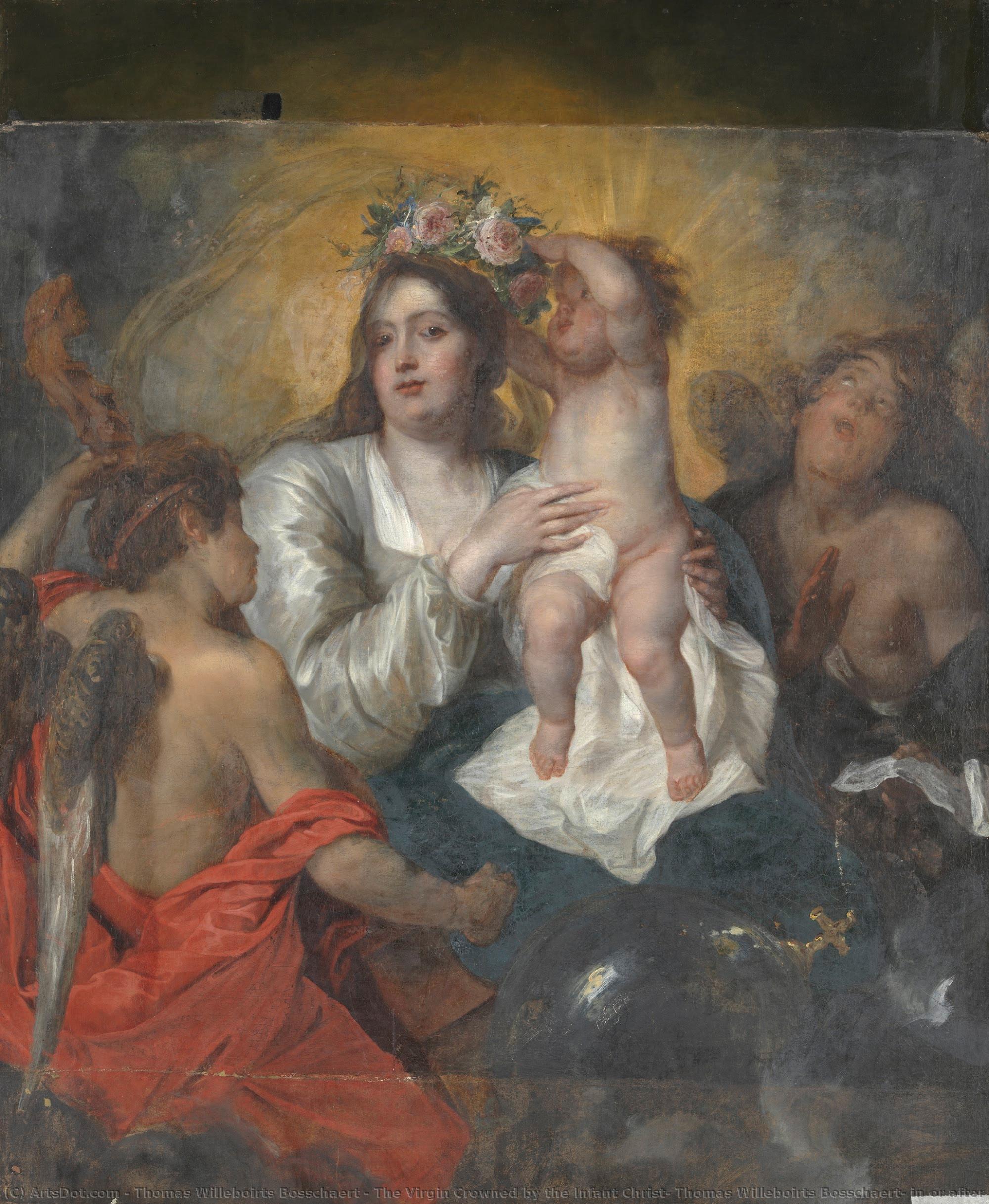
The Virgin Crowned by the Infant Christ, Thomas Willeboirts Bosschaert, in or after c. 1646
 1646
1646 138.0 x 113.0 cm
 Weiterlesen
Giclée / Kunstdruck
Giclée- oder Leinwanddruck in Museumsqualität mit schneller Produktion und flexiblen Veredelungsoptionen. ( Handgemalte Reproduktion bestellen Bild kaufen)




































Wählen Sie aus unseren vordefinierten Formaten, die den ursprünglichen Proportionen des Kunstwerks entsprechen.

Sie können Ihre eigenen Maße eingeben, um ein bestimmtes Format oder einen speziellen Platz einzupassen. Wenn das von Ihnen gewählte Format nicht den Proportionen des Originalbildes entspricht, werden wir das Kunstwerk entweder beschneiden oder das Bild mit einem gespiegelten oder einfarbigen Rand erweitern. Ein digitaler Entwurf wird Ihnen zur Genehmigung zugesandt, bevor die Produktion beginnt.
Bitte beachten Sie, dass die Vorschau auf dem Bildschirm nicht den tatsächlichen Zuschnitt oder die Erweiterung widerspiegelt. Nur der Entwurf zeigt die endgültige Komposition präzise an.
Obwohl Sondermaße verfügbar sind, empfehlen wir die Auswahl eines Maßes aus der vordefinierten Liste, um die ursprünglichen Proportionen zu bewahren.
Weltweiter Versand () innerhalb von 2 Wochen statt der üblichen 4/5 Wochen. (25 August)

Kostenloser weltweiter Expressversand

Hochwertige Leinenleinwand

Umfassender Versicherungsschutz beim Versand

Zollgebühren-Rückerstattungsgarantie

Garantie für exakte Farbtreue

60 Tage Rückgaberecht (nur bei Mängeln)

100% Geld-zurück-Garantie

Mengenrabatt verfügbar
 Die Glasoption ist nur für Größen unter 110 cm verfügbar.

The Virgin Crowned by the Infant Christ, Thomas Willeboirts Bosschaert, in or after c. 1646
Giclée / Kunstdruck
Format der Reproduktion
-


Gesamtpreis
$ 62
Sammlerstück-Beschreibung
Ähnliche Kunstwerke




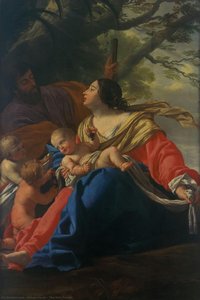

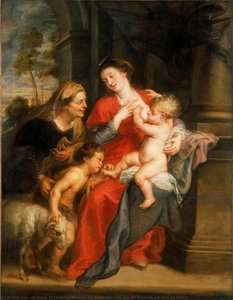
Über den Künstler
early life and training
Thomas Willeboirts (* 1614 in Bergen op Zoom; † 1654 in Antwerpen; genannt: Bosschaert) war ein flämischer Historienmaler. Willeboirts wurde zwar nicht über seine frühe Kindheit und Ausbildung umfassend dokumentiert, doch sein Leben fand seinen Anfang im niederländischen Hafenstadt Bergen auf Zoom. Sein Elternhaus hatte sich bereits Mitte des sechzehnten Jahrhunderts nach dieser Region verlagerte. Bereits 1628 zog er nach Antwerpen, wo er sich für einen umfangreichen achtjährigen Zeitraum in die Werkstatt von Gerard Seghers begab und dessen Einfluss auf seine künstlerische Entwicklung nicht zu unterschätzen ist. Diese formative Periode legte den Grundstein für seine zukünftige künstlerische Tätigkeit und prägte seinen Stil maßgeblich. Sein Vater war ein Mitglied der katholischen Kirche und sein Interesse für Kunst wurde früh gefördert.artistic career and affiliations
Im Jahr 1636 oder 1637 erhielt Willeboirts Bürgerrechte in Antwerpen und trat der angesehenen Gesellschaft St. Lucas bei, einem wichtigen Meilenstein seiner künstlerischen Karriere. Diese Zugehörigkeit nicht nur unterstreckte sein Engagement für sein Handwerk sondern verschaffte ihm zudem Zugang zu einem breiteren Netzwerk von Künstlern und Mäzenen. Durch die Mitgliedschaft konnte er Kontakte knüpfen und sich Wissen aneignen, was seinen künstlerischen Horizont erweiterten. Er arbeitete insbesondere für Prinz Friedrich Heinrich von Oranien und Prinz Wilhelm II. von Oranien und wurde somit zu einem wichtigen Künstler seines Zeitgeistes. Seine Zusammenarbeit mit Gerard Seghers prägte sein Werk nachhaltig und ermöglichte ihm den Austausch mit anderen führenden Künstlern seiner Epoche.notable works and style
Obwohl konkrete Informationen über seine Gemälde begrenzt sind, lässt sich erkennen, dass Willeboirts' Kunstwerk von verschiedenen Einflüssen geprägt war. Er orientierte sich insbesondere an der Werkstatt von Peter Paul Rubens und Anthonis van Dyck, deren Stil er häufig nachahmte und dessen Techniken er beherrschte. Seine Bilder zeichnen sich durch eine außergewöhnliche Detailtreue und eine meisterhafte Verwendung von Licht aus und spiegeln somit die zentralen Elemente des niederländischen Goldenen Zeitalters wider – Realismus und ästhetische Schönheit. Zu seinen bekanntesten Werken zählen insbesondere Gemälde religiöser Themen sowie historische Szenen, die ihm einen hohen künstlerischen Anspruch verleihen. Ein besonders beeindruckendes Werk ist „Venus Arming a Warrior“, das eine außergewöhnliche Darstellung weiblicher Stärke und Macht zeigt.museological significance and legacy
Willeboirts' Werk wird heute vor allem im Museum Boijmans van Beuningen Rotterdam aufbewahrt, wo eine umfassende Sammlung niederländischer Kunst aus verschiedenen Epochen zu sehen ist. Diese Sammlung umfasst sowohl Gemälde als auch Druckgrafiken sowie andere künstlerische Objekte und ermöglicht einen tiefen Einblick in die Kunstgeschichte des siebzehnten Jahrhunderts. Seine Bedeutung für die Entwicklung der europäischen Kunst wird weiterhin gefördert und seine Werke werden intensiv erforscht und analysiert. Er gilt als einer der bedeutenden Vertreter seiner Zeit und sein Einfluss auf nachfolgende Künstlergenerationen ist bis heute spürbar. Sein Werk wird auch durch zahlreiche Ausstellungen und Publikationen dokumentiert und bewahrt und trägt somit zur Förderung des kulturellen Erbes bei.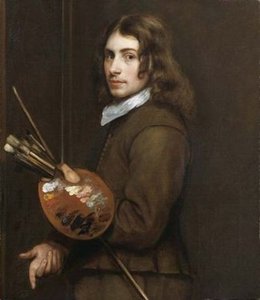
Thomas Willeboirts Bosschaert
1613 - 1654 , Niederlande
Kurzinfos
- Artistic Movement Or Style: Dutch Gouden Eeuw, Barockmalerei
- Artists Or Movements Influenced By This Artist: ['Van Dyck']
- Artists Who Influenced This Artist:
- Gerard Seghers
- Peter Paul Rubens
- Antonius van Dyck
- Date Of Birth: 1613
- Date Of Death: 1654
- Full Name: Thomas Willeboirts Bosschaert
- Nationality: Niederländisch
- Notable Artworks: ['Venus Arming a Warrior']
- Place Of Birth: Breda, Niederlande

