 Versenden
 Teilen
 Details anzeigen

 Herunterladen
 Ähnliche Objekte
 Diashow
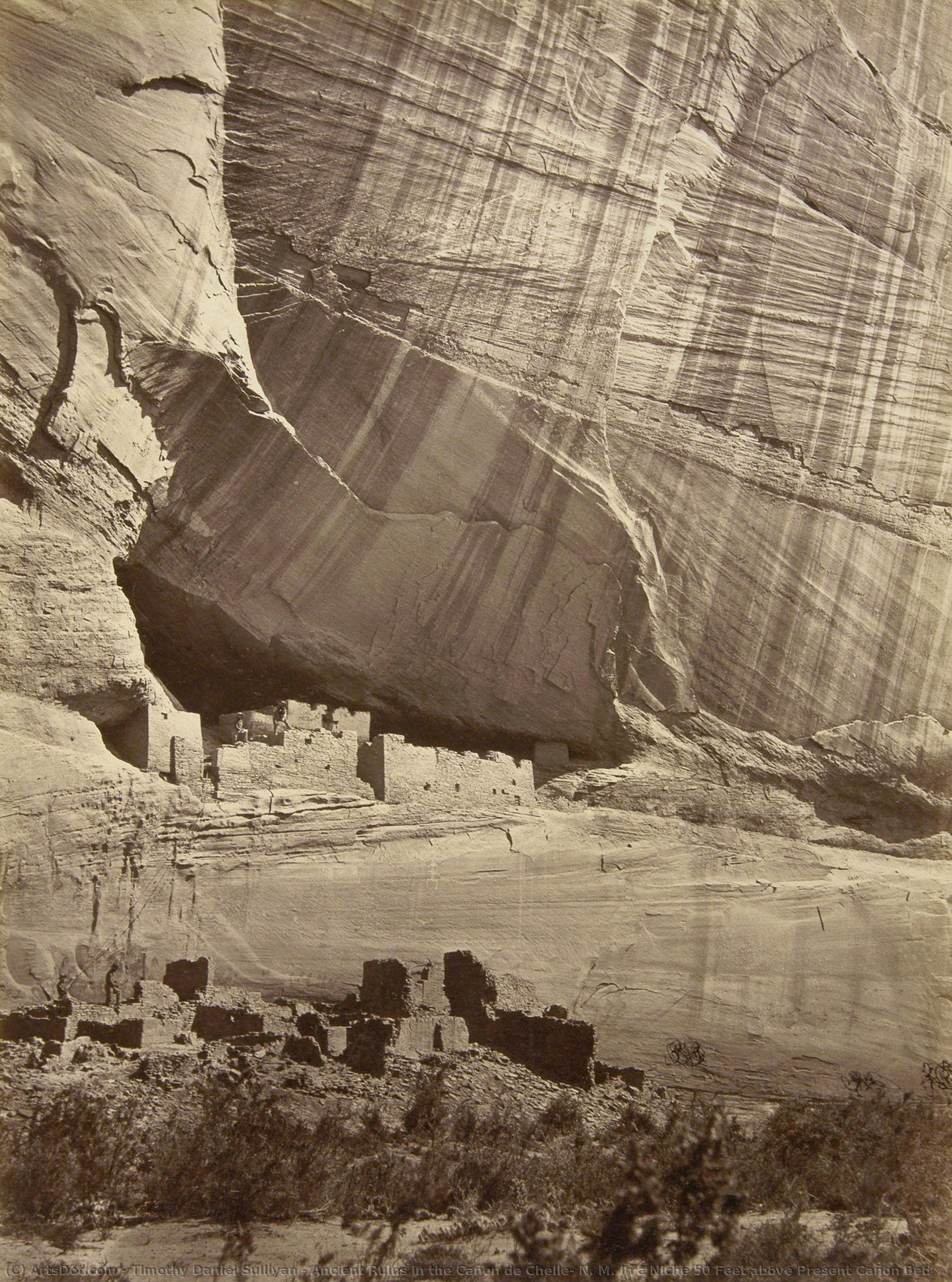
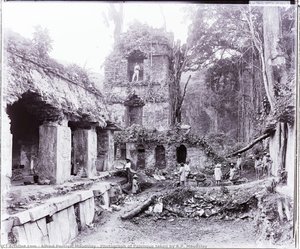
Ancient Ruins in the Cañon de Chelle, N. M. in a Niche 50 Feet above Present Cañon Bed
 Black and White Photography
- Photo
- Tonalism
 1873
1873- 19th Century
 20.0 x 27.0 cm
 Amon Carter Museum of American Art
 Weiterlesen
Handgefertigte Ölreproduktion
Handgemaltes Ölgemälde auf Leinwand in Ihrer Wunschgröße und mit Rahmen, auf Bestellung von unseren Künstlern angefertigt. ( Druck bestellen Bild kaufen)




































Wählen Sie aus unseren vordefinierten Formaten, die den ursprünglichen Proportionen des Kunstwerks entsprechen.

Sie können Ihre eigenen Maße eingeben, um einen bestimmten Rahmen oder Platz auszufüllen. Wenn die gewählte Größe nicht den Proportionen des Originalbildes entspricht, werden wir das Kunstwerk entweder beschneiden oder das Gemälde durch zusätzliche, handgemalte Elemente erweitern. Ein digitales Mockup wird Ihnen zur Genehmigung zugesandt, bevor die Produktion beginnt.
Bitte beachten Sie, dass die Bildschirmvorschau nicht die tatsächliche Beschneidung oder Erweiterung widerspiegelt. Nur das Mockup zeigt die endgültige Komposition exakt an.
Obwohl Sondermaße verfügbar sind, empfehlen wir, eine Größe aus der vordefinierten Liste zu wählen, um die ursprünglichen Proportionen beizubehalten.
Nach der Bestellung wird das ArtsDot.com-Team dem Kunden Anweisungen per E-Mail zusenden und eine Mockup-Vorschau bereitstellen.
Weltweiter Versand () in nur 3 bis 4 Wochen statt der üblichen 5 Wochen. (25 August). Keine Kompromisse bei der Qualität.

Kostenloser weltweiter Expressversand

Hochwertige Leinenleinwand

Umfassender Versicherungsschutz beim Versand

Zollgebühren-Rückerstattungsgarantie

Garantie für exakte Farbtreue

60 Tage Rückgaberecht (nur bei Mängeln)

100% Geld-zurück-Garantie

Mengenrabatt verfügbar
 Die Glasoption ist nur für Größen unter 110 cm verfügbar.

Ancient Ruins in the Cañon de Chelle, N. M. in a Niche 50 Feet above Present Cañon Bed
Art der Reproduktion
Format der Reproduktion
-


Gesamtpreis
$ 263
Beschreibung des Kunstwerks
A Window into the Ancient Past
In this evocative monochrome capture, we are transported to the rugged heart of the American Southwest, specifically to the awe-inspiring Cañon de Chelle in New Mexico. The work presents a profound dialogue between the enduring strength of geological formations and the ephemeral traces of human civilization. At its core, the piece focuses on ancient ruins nestled within a high niche, perched fifty feet above the canyon floor. This dramatic placement serves as a poignant reminder of the ingenuity of ancestral peoples who carved their existence into the very bones of the earth. The stark contrast of light and shadow across the rocky cliffs creates a sense of depth that pulls the viewer into the silent, sun-drenched corridors of history.
The composition is layered with a fascinating meta-narrative; it does not merely present a landscape, but rather showcases an intersection of eras. By featuring a painting by Timothy Daniel Sullivan within the photographic frame, the work invites us to contemplate how art interprets reality. The stone structures, weathered by centuries of wind and rain, stand as silent sentinels of a lost era, while the inclusion of the artistic representation adds a layer of romanticism and nostalgia. This interplay between the raw, documentary nature of photography and the expressive, tonalist influence of Sullivan’s painting creates a rich, textured experience for the observer.
The Mastery of Light and Tonalism
Technically, the work thrives on the subtle nuances of the grayscale palette. Without the distraction of color, the viewer is forced to confront the raw textures of the canyon walls—the grit of the sandstone, the jagged edges of the cliffs, and the smooth, hollowed recesses of the cave-like structures. The influence of Tonalism is palpable here; there is a soft, atmospheric quality that wraps the landscape in a sense of mystery and quietude. This technique allows the light to behave like a physical presence, pooling in the crevices of the ruins and casting long, dramatic shadows that define the rugged topography of New Mexico.
For the discerning collector or interior designer, this piece offers an unparalleled emotional depth. It is more than a mere depiction of a location; it is an exploration of solitude, resilience, and the passage of time. The monochromatic tones lend a timeless elegance to the work, making it a sophisticated addition to any curated space. Whether placed in a gallery setting or used as a focal point in a contemporary living room, the image commands attention through its quiet power. It evokes a sense of wanderlust and intellectual curiosity, inviting anyone who gazes upon it to reflect on the layers of history that lie beneath our feet.
Key Features for Collectors:
- Subject Matter: Historical archaeological ruins and dramatic Southwestern landscapes.
- Artistic Style: A unique blend of documentary photography and Tonalist-inspired painting.
- Visual Impact: High-contrast monochrome that emphasizes texture, depth, and architectural form.
- Atmosphere: Evocative, nostalgic, and profoundly serene.
Ähnliche Kunstwerke

Über den Künstler
Early Life and Career
Timothy Daniel Sullivan, born in New York City on May 29, 1862, emerged from the impoverished Five Points slum—a crucible of immigrant hardship and urban decay—to become a towering figure in Tammany Hall’s political dominion. His formative years were steeped in the gritty realities of Bowery and Lower East Side life, shaping his worldview and fueling an ambition that would propel him to prominence within New York's political elite. Sullivan’s upbringing instilled in him a tenacious spirit and a deep understanding of the struggles faced by ordinary citizens—qualities that would later inform his advocacy for social reform and labor rights. He began his professional journey as a Schuhputzer (shoemaker), honing skills that would prove invaluable in navigating the complexities of New York's burgeoning commercial landscape. Early on, he demonstrated entrepreneurial acumen and an unwavering determination to ascend the socioeconomic ladder—traits that characterized his entire life.Artistic Pursuits: Tonalism’s Subtle Echoes
Despite his imposing physique and commanding presence as a politician, Sullivan harbored a secret passion for art—a pursuit largely overshadowed by his political career but nonetheless worthy of exploration. Influenced profoundly by the tonalist movement, which dominated late 19th-century American painting, Sullivan's artistic style eschewed bold colors and dramatic contrasts in favor of muted hues and atmospheric gradations. This aesthetic choice reflected a broader trend toward introspection and emotional nuance within the art world—a deliberate departure from the exuberant optimism championed by Impressionists. While much of his artwork remains elusive to scholars and collectors alike, evidence suggests that Sullivan’s canvases captured scenes from New York's underbelly—depictions imbued with a melancholic beauty that mirrored the city’s transformation during its rapid industrialization. Recurring motifs included landscapes reminiscent of the American West—a fascination that would solidify his reputation as an explorer and visionary artist.Political Ascendancy: Tammany Hall and Its Grip
Sullivan's political trajectory ascended swiftly, propelled by his unwavering commitment to Tammany Hall—New York City’s dominant Democratic organization—and its charismatic leader William Tweed. Recognizing Sullivan’s considerable charisma and organizational skills, Tweed appointed him as a key strategist within the party’s inner circle—a position that afforded him unparalleled access to power and influence. Sullivan quickly established himself as a formidable force in Bowery politics, skillfully maneuvering through rival factions and securing crucial endorsements for Tweed's ambitious initiatives. His mastery of rhetoric and his ability to mobilize voters cemented Tammany Hall’s control over Manhattan’s political landscape—a legacy that continues to resonate today. The nickname “Big Tim”—earned for his stature and unwavering conviction—became synonymous with Sullivan’s leadership style—characterized by decisive action and uncompromising determination.Notable Works: Landscapes of Transformation
Sullivan's artistic output, though modest in quantity compared to his political achievements, nevertheless offers glimpses into his inner world and reflects the broader cultural currents of his time. Among his most celebrated paintings are *The Old Woman*, a poignant portrait capturing the dignity and resilience of an elderly New Yorker—a testament to Sullivan’s humanist sensibilities. Equally evocative is *The Fisherman*, depicting a solitary figure contemplating the vastness of the ocean—a visual metaphor for Sullivan's contemplation of life's complexities and his yearning for transcendence. These canvases exemplify tonalism’s characteristic subtlety—emphasizing mood and atmosphere over precise detail—and convey a profound appreciation for the beauty inherent in everyday existence. His landscapes, particularly those depicting vistas of the American West—were inspired by the Romantic tradition—reflecting an interest in exploring uncharted territories and capturing the sublime grandeur of nature.Legacy and Impact: A Complex Figure
Timothy Daniel Sullivan’s influence extended far beyond his artistic endeavors—leaving an indelible mark on New York City's history as a champion of social justice, labor rights, and women’s suffrage. His tireless advocacy for progressive reforms galvanized public opinion and propelled Tammany Hall to enact landmark legislation—solidifying its position as a bastion of democratic ideals. Sullivan’s unwavering commitment to ethical governance served as an exemplar for future generations of politicians—inspiring reform movements and shaping the trajectory of New York City's political landscape. Despite controversies surrounding his involvement in illicit activities—including electoral fraud and gambling—Sullivan remained a beloved figure among many New Yorkers—recognized for his generosity, compassion, and dedication to serving the common good. His death in August 1913—under mysterious circumstances—became a subject of public fascination—further cementing his place as one of New York City’s most enigmatic and enduring icons.
Timothy Daniel Sullivan
1862 - 1913 , Vereinigte Staaten von Amerika
Kurzinfos
- Artistic Movement Or Style: Tonalism
- Artists Or Movements Influenced By This Artist: ['Hudson River School']
- Artists Who Influenced This Artist: ['Thomas Moran']
- Date Of Birth: Mai 29, 1862
- Date Of Death: März 31, 1914
- Full Name: Timothy Daniel Sullivan
- Nationality: Amerikaner
- Notable Artworks:
- Die Alte Frau
- Der Fischer
- Place Of Birth: New York City, Vereinigte Staaten
Ähnliche Artikel

Goya: Die 25 Meisterwerke des spanischen Genies – Kunst für Ihr Zuhause | ArtsDot
Entdecken Sie die 25 Meisterwerke von Francisco Goya! Tauchen Sie ein in die düstere Romantik spanischer Malerei, Porträts & Historienbilder. Hochwertige Kunstdrucke auf ArtsDot.com – für Kunstliebhaber und stilvolles Wohnen.

Über uns
Entdecken Sie unsere Geschichte! Wir bringen Weltklasse-Kunst in Ihr Leben durch fachkundige Auswahl, individuelle Kreationen und kostenlose Vorschauen. Seit dem Jahr 2000 von Privatpersonen und Unternehmen geschätzt.
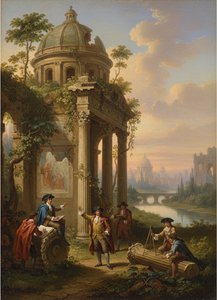
Hubert Robert und die Romantik der Ruinen: Eine Studie zur künstlerischen Innovation und Antikenbegeisterung
Entdecken Sie die faszinierende Welt von Hubert Robert und seiner Ruinenmalerei! Expertenanalyse zu Techniken, Motiven & Investitionspotenzial für anspruchsvolle Kunstsammler. ArtsDot bietet hochwertige Reproduktionen.
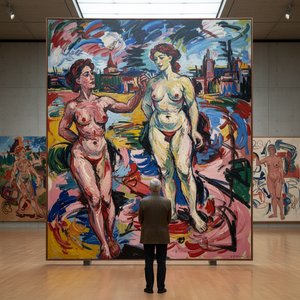
Willem de Kooning: Abstraktion, Geste und die Entwicklung der Nachkriegsamerikanischen Malerei
Entdecken Sie Willem de Koonings revolutionäre Kunst und die Entwicklung des Abstrakten Expressionismus. Expertenanalyse, Investitionspotenzial & Sammlerwert – erfahren Sie mehr auf ArtsDot.
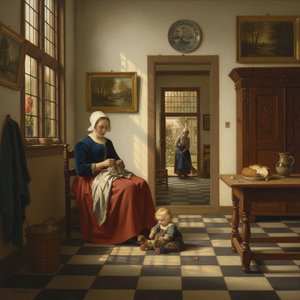
Pieter de Hooch: Meister der Stille und des holländischen Lebens im Goldenen Zeitalter
Entdecken Sie das Werk von Pieter de Hooch, Meister des holländischen Goldenen Zeitalters! Analysen, Hintergrundinformationen und hochwertige Reproduktionen seiner berühmten Genremalerei finden Sie bei ArtsDot.