 Vorschau anzeigen
 Versenden
 Teilen
 Details anzeigen

 Herunterladen
 Ähnliche Objekte
 Röntgenaufnahme
 Diashow
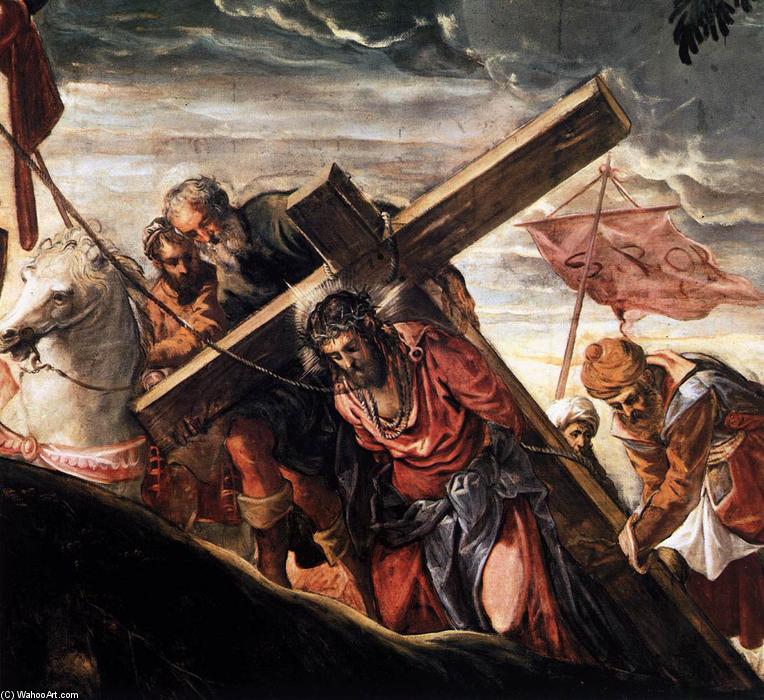
Die Anstiege zum Kalkenberg (Detail)


 Weiterlesen
Handgefertigte Ölreproduktion
Handgemaltes Ölgemälde auf Leinwand in Ihrer Wunschgröße und mit Rahmen, auf Bestellung von unseren Künstlern angefertigt. ( Druck bestellen Bild kaufen)




P118B $10

P118H $10

P118W $10

P438Z $10

P508JH $12

P508YH $12

P805H $10

P805Z $10

P919BZ $10

P919G $10

P919XJ $10

P959ZH $10

P968JZ $12

W106C $8

W218G $10

W218JH $8

W218Y $10

W307PJ $10

W316G $10

W316PJ $8

W316Y $10

W398PJ $8

W4111J $10

W500HY $15

W500JH $15

W692G $12

W849H $8

W940BG $15

W953PJ $8




Wählen Sie aus unseren vordefinierten Formaten, die den ursprünglichen Proportionen des Kunstwerks entsprechen.

Sie können Ihre eigenen Maße eingeben, um einen bestimmten Rahmen oder Platz auszufüllen. Wenn die gewählte Größe nicht den Proportionen des Originalbildes entspricht, werden wir das Kunstwerk entweder beschneiden oder das Gemälde durch zusätzliche, handgemalte Elemente erweitern. Ein digitales Mockup wird Ihnen zur Genehmigung zugesandt, bevor die Produktion beginnt.
Bitte beachten Sie, dass die Bildschirmvorschau nicht die tatsächliche Beschneidung oder Erweiterung widerspiegelt. Nur das Mockup zeigt die endgültige Komposition exakt an.
Obwohl Sondermaße verfügbar sind, empfehlen wir, eine Größe aus der vordefinierten Liste zu wählen, um die ursprünglichen Proportionen beizubehalten.
Nach der Bestellung wird das ArtsDot.com-Team dem Kunden Anweisungen per E-Mail zusenden und eine Mockup-Vorschau bereitstellen.
Weltweiter Versand () in nur 3 bis 4 Wochen statt der üblichen 5 Wochen. (23 August). Keine Kompromisse bei der Qualität.

Kostenloser weltweiter Expressversand

Hochwertige Leinenleinwand

Umfassender Versicherungsschutz beim Versand

Zollgebühren-Rückerstattungsgarantie

Garantie für exakte Farbtreue

60 Tage Rückgaberecht (nur bei Mängeln)

100% Geld-zurück-Garantie

Mengenrabatt verfügbar
 Die Glasoption ist nur für Größen unter 110 cm verfügbar.

Die Anstiege zum Kalkenberg (Detail)
Art der Reproduktion
Format der Reproduktion
-


Gesamtpreis
$ 263
Beschreibung des Kunstwerks
Die Erhebung zum Kalkenberg – Ein dramatischer Moment der Geschichte
Jacopo Tintoretto’s “The Ascent to Calvary” (Detail), painted in 1566, is not merely a depiction of a biblical event; it's a visceral experience. This intimate detail from the larger composition plunges us directly into the heart of Christ’s suffering and the profound drama surrounding his crucifixion. The painting immediately commands attention with its masterful manipulation of light and shadow – a hallmark of Tintoretto’s signature style, often described as “tenebrism,” where stark contrasts between illumination and darkness heighten emotional intensity. The artist doesn't shy away from depicting the raw physicality of the scene; we see the straining muscles of the men carrying the cross, their faces etched with exertion and perhaps even a hint of despair. The sheer weight of the wood is palpable, emphasized by Tintoretto’s skillful rendering of its texture and form.
- The Figures: At the center stands Jesus Christ, his body already bearing the marks of the ordeal. He's not presented as a serene martyr but as a profoundly human figure, vulnerable yet resolute. The two men lifting him are rendered with remarkable anatomical accuracy – Tintoretto’s deep study of the human form is evident in every line and contour. Their gestures convey both strength and a sense of burden, reflecting the immense sacrifice being borne.
- The Horses: Noticeably, Tintoretto includes two horses within this scene. While seemingly an unusual addition to a crucifixion depiction, they are likely symbolic. They could represent the Roman Empire’s power and authority, bearing down upon Christ; or perhaps they symbolize the journey of faith – the arduous path leading to Calvary.
- Color Palette: Tintoretto's use of color is deliberately restrained, dominated by earthy tones—ochres, browns, and deep reds—which contribute to the painting’s somber mood. However, flashes of brighter hues, particularly in the clothing and the sky, draw the eye and create focal points within the composition.
Ein Künstler im Umbruch: Tintoretto und die venezianische Malerei
To understand “The Ascent to Calvary,” we must consider Jacopo Tintoretto’s place within the vibrant artistic landscape of Venice in the mid-16th century. He emerged during a period of intense change, as the High Renaissance gave way to the burgeoning Baroque style. Unlike his contemporaries who often adhered strictly to established conventions, Tintoretto forged his own path, driven by an almost obsessive need for innovation and dramatic effect. His workshop was legendary – a vast, chaotic space where he worked tirelessly, employing assistants to execute many of the complex details of his monumental paintings. This allowed him to focus on composition, color theory, and the overall emotional impact of his work.
Historical Context:** The painting’s creation coincided with a time of religious fervor and political upheaval in Venice. The city was grappling with challenges from foreign powers and internal conflicts, mirroring the spiritual struggles depicted within the artwork itself. Tintoretto's dramatic style resonated powerfully with audiences seeking to experience art as a deeply moving and emotionally engaging spectacle.Symbolik und spirituelle Tiefe
Beyond its technical brilliance, “The Ascent to Calvary” is rich in symbolic meaning. The act of carrying the cross itself represents humanity’s burden of sin and suffering. The figures assisting Christ embody compassion and solidarity – they are witnesses to his sacrifice and participants in his journey. The setting—a desolate hillside—underscores the isolation and vulnerability of Jesus, while also hinting at the promise of redemption. It's a scene laden with theological weight, inviting contemplation on themes of faith, sacrifice, and divine love.
Emotional Impact:* Tintoretto’s masterful use of light and shadow, combined with his dynamic composition, creates an overwhelming sense of drama and pathos. The viewer is drawn into the heart of the moment, experiencing the physical and emotional toll of Christ's ordeal. This painting isn’t simply a historical record; it’s a profound meditation on human suffering and spiritual hope—a testament to Tintoretto’s ability to capture the essence of faith and emotion with unparalleled intensity.Reproduktionen und ihre Bedeutung
ArtsDot offers meticulously crafted, hand-painted reproductions of Jacopo Tintoretto's “The Ascent to Calvary” (Detail). These reproductions faithfully recreate the artist’s original techniques, capturing the nuances of color, texture, and light. Whether you are an art enthusiast, a collector seeking to expand your collection, or simply someone looking for a stunning piece of artwork to enhance your interior space, our reproduction provides an authentic and captivating representation of this iconic masterpiece. Each reproduction is created with the utmost care and attention to detail, ensuring that it stands as a timeless tribute to Tintoretto’s genius.
Ähnliche Kunstwerke
Über den Künstler
Jacopo Tintoretto (1518–1594)
Frühes Leben und Ausbildung
- Geboren Jacopo Robusti in Venedig um Ende September oder Anfang Oktober 1518.
- Sein Vater, Battista Robusti, war Färber – daher der Spitzname „Tintoretto“ („kleiner Färber“).
- Details seiner formellen Ausbildung sind spärlich; Berichte deuten auf ein kurzes und erfolgloses Lehrverhältnis mit Tizian hin.
- Er lernte wahrscheinlich autodidaktisch, indem er sich durch Sektionen und Zeichnungen aus Gips- und Reliefskulpturen mit Anatomie beschäftigte.
Künstlerische Entwicklung & Stil
- Tintorettos Stil ist durch dramatische Kompositionen, energiegeladene Figuren und eine mutige Verwendung der Perspektive gekennzeichnet.
- Seine frühen Werke zeigen eine Mischung aus Einflüssen, darunter Tizian, Michelangelo und andere venezianische Meister.
- Er entwickelte eine besondere Technik mit schnellem Pinselstrich und innovativen Lichteffekten – wodurch er den Spitznamen „Il Furioso“ („der Wütende“) erhielt.
- Seine Arbeit entwickelte sich hin zu immer dynamischeren und emotional aufgeladenen Szenen, oft mit komplexen räumlichen Anordnungen.
Wichtige Werke & Leistungen
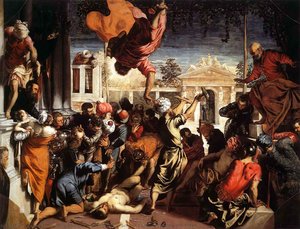
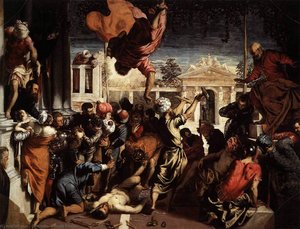
- Das Wunder des Heiligen Markus, der Sklaven befreit (1548): Ein kraftvolles Beispiel für seine dramatische Komposition und Perspektivkünste.
- Arbeiten an der Scuola Grande di San Rocco, Venedig: Dazu gehören „Die Unbefleckte Empfängnis“ und zahlreiche andere Gemälde, die seine Meisterschaft in Erzählung und Maßstab demonstrieren.
- Das letzte Abendmahl (1592–1594): Ein monumentales Werk, das seinen innovativen Ansatz für ein traditionelles Thema demonstriert.
- Zahlreiche religiöse und historische Gemälde für venezianische Kirchen und Paläste.
Einflüsse & Vermächtnis
- Er wurde von Tizians Farbgebung und Michelangelos dynamischer Figurentechnik beeinflusst.
- Tintorettos Werk schloss die Lücke zwischen der Renaissance und dem Barock, indem es spätere Künstler mit seinen dramatischen Kompositionen und ausdrucksstarken Pinselstrichen beeinflusste.
- Seine innovative Verwendung von Licht und Schatten warnt vor Techniken, die von Caravaggio und anderen Barockmeistern verwendet wurden.
- Er hinterließ ein umfangreiches Werk, das bis heute inspiriert und fesselt.
Historische Bedeutung
- Tintoretto war einer der drei großen venezianischen Maler des 16. Jahrhunderts, neben Tizian und Paolo Veronese.
- Er spielte eine entscheidende Rolle bei der Gestaltung der künstlerischen Landschaft Venedigs im späten Renaisanz.
- Sein Werk spiegelt den religiösen Eifer und die politischen Spannungen seiner Zeit wider.
- Tintorettos Vermächtnis als Meister der dramatischen Komposition und des ausdrucksstarken Gemäldes hält an, wodurch er seinen Platz als einer der wichtigsten Künstler der Geschichte festigt.
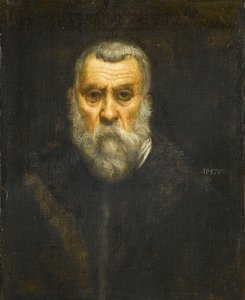
Tintoretto (Jacopo Comin)
1518 - 1594 , Italien
Kurzinfos
- Beeinflusste Künstler:
- Tizian
- Michelangelo
- Bemerkenswerte Werke:
- Das Wunder des Hl. Markus
- Die Himmelfahrt Mariä
- Letzte Abendmahl (San Giorgio)
- Susanna und die Älteren
- Geburtsdatum: September/Oktober 1518
- Geburtsort: Venedig, Italien
- Künstlerische Richtung: Manierismus, Venezianische Schule
- Nationalität: Venezianisch
- Todatum: 31. Mai 1594
- Vollständiger Name: Jacopo Tintoretto
- Von Künstlern Beeinflusst:
- Bonifazio Veronese
- Paris Bordone
Ähnliche Artikel

Jacopo Tintoretto: Die 25 Meisterwerke des venezianischen Dramatikers | ArtsDot
Entdecken Sie die 25 Meisterwerke von Jacopo Tintoretto! Tauchen Sie ein in die dramatische Welt der venezianischen Renaissance. Hochwertige Kunst-Reproduktionen & Inspiration für Ihr Zuhause – jetzt auf ArtsDot.com.

The Dramatic Flourish: Exploring the Baroque Movement's Enduring Legacy in Art History
Explore the dramatic world of Baroque art! Discover iconic artists like Caravaggio & Rubens, defining techniques, and its lasting impact on art history. Expert insights for collectors & enthusiasts at ArtsDot.

Barocke Pracht: Wie Sie Opulenz und Emotionen in zeitgenössische Innenräume bringen
Entdecken Sie die Pracht des Barock! Expertenratgeber für luxuriöse Innenräume mit barocken Elementen. Inspiration, Tipps & hochwertige Kunst bei .

The Visceral Stage: Exploring Dramatic Narratives & Emotional Intensity in Baroque Art
Explore the dramatic world of Baroque art! Discover iconic masters like Caravaggio & Rembrandt, their techniques, and the movement's lasting impact. Expert insights for collectors & enthusiasts at ArtsDot.

Barock Meisterwerke: Die 10 prägendsten Kunstwerke für Ihr Zuhause |
Entdecken Sie die 10 prägendsten Meisterwerke des Barock! Caravaggio, Rembrandt & Co. – Erfahren Sie die Geschichten hinter ikonischen Gemälde und finden Sie hochwertige Kunst Reproduktionen für Ihr Zuhause auf .