 Vorschau anzeigen
 Versenden
 Teilen
 Details anzeigen

 Herunterladen
 Ähnliche Objekte
 Röntgenaufnahme
 Diashow
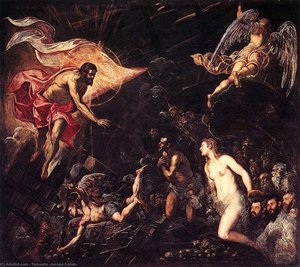
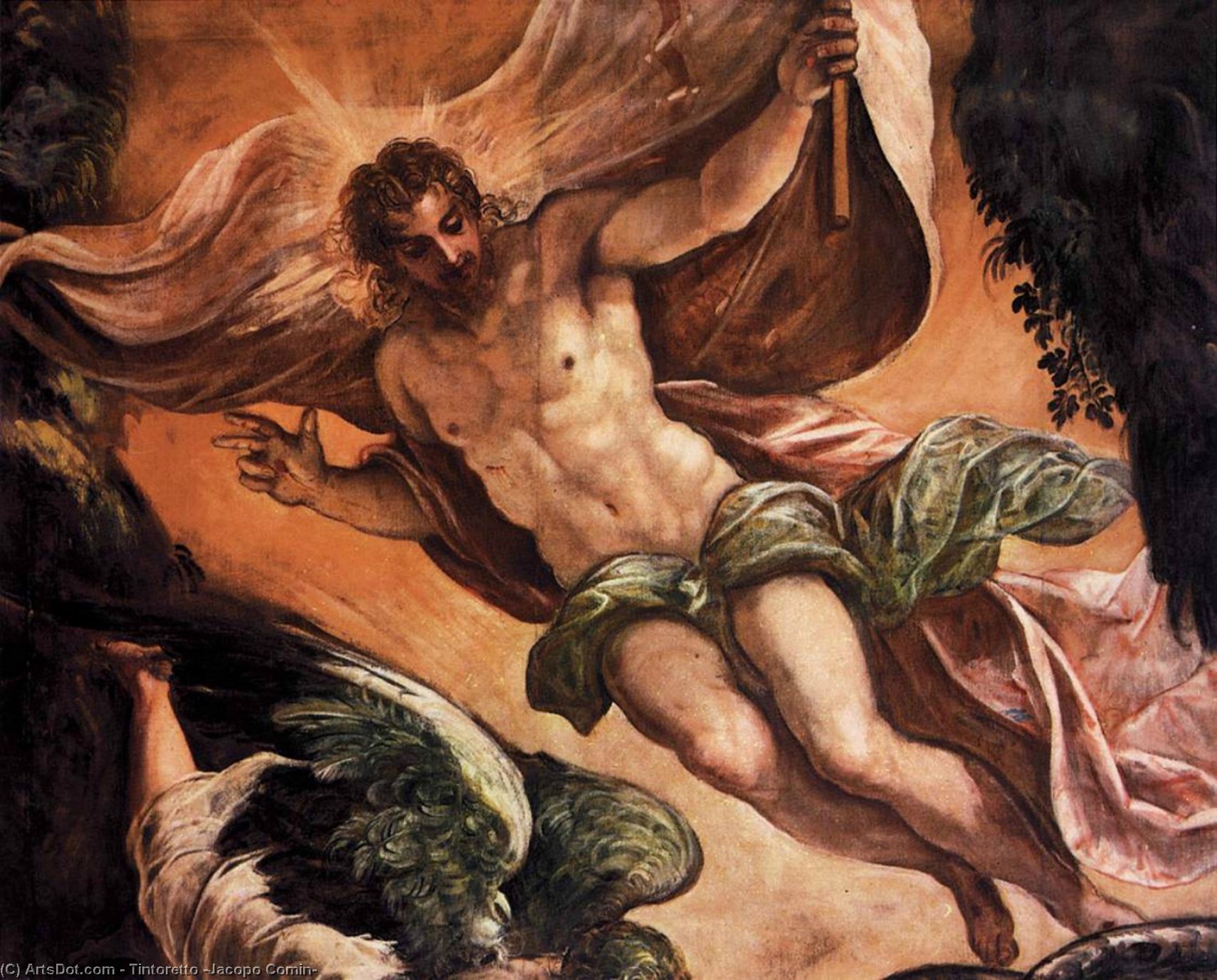
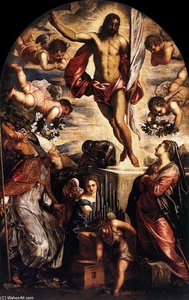
Die Auferstehung Christi (Detail)


 Weiterlesen
Handgefertigte Ölreproduktion
Handgemaltes Ölgemälde auf Leinwand in Ihrer Wunschgröße und mit Rahmen, auf Bestellung von unseren Künstlern angefertigt. ( Druck bestellen Bild kaufen)




P118B $10

P118H $10

P118W $10

P438Z $10

P508JH $12

P508YH $12

P805H $10

P805Z $10

P919BZ $10

P919G $10

P919XJ $10

P959ZH $10

P968JZ $12

W106C $8

W218G $10

W218JH $8

W218Y $10

W307PJ $10

W316G $10

W316PJ $8

W316Y $10

W398PJ $8

W4111J $10

W500HY $15

W500JH $15

W692G $12

W849H $8

W940BG $15

W953PJ $8




Wählen Sie aus unseren vordefinierten Formaten, die den ursprünglichen Proportionen des Kunstwerks entsprechen.

Sie können Ihre eigenen Maße eingeben, um einen bestimmten Rahmen oder Platz auszufüllen. Wenn die gewählte Größe nicht den Proportionen des Originalbildes entspricht, werden wir das Kunstwerk entweder beschneiden oder das Gemälde durch zusätzliche, handgemalte Elemente erweitern. Ein digitales Mockup wird Ihnen zur Genehmigung zugesandt, bevor die Produktion beginnt.
Bitte beachten Sie, dass die Bildschirmvorschau nicht die tatsächliche Beschneidung oder Erweiterung widerspiegelt. Nur das Mockup zeigt die endgültige Komposition exakt an.
Obwohl Sondermaße verfügbar sind, empfehlen wir, eine Größe aus der vordefinierten Liste zu wählen, um die ursprünglichen Proportionen beizubehalten.
Nach der Bestellung wird das ArtsDot.com-Team dem Kunden Anweisungen per E-Mail zusenden und eine Mockup-Vorschau bereitstellen.
Weltweiter Versand () in nur 3 bis 4 Wochen statt der üblichen 5 Wochen. (23 August). Keine Kompromisse bei der Qualität.

Kostenloser weltweiter Expressversand

Hochwertige Leinenleinwand

Umfassender Versicherungsschutz beim Versand

Zollgebühren-Rückerstattungsgarantie

Garantie für exakte Farbtreue

60 Tage Rückgaberecht (nur bei Mängeln)

100% Geld-zurück-Garantie

Mengenrabatt verfügbar
 Die Glasoption ist nur für Größen unter 110 cm verfügbar.

Die Auferstehung Christi (Detail)
Art der Reproduktion
Format der Reproduktion
-


Gesamtpreis
$ 263
Beschreibung des Kunstwerks
Die Auferstehung Christi – Ein Meisterwerk von Tintoretto
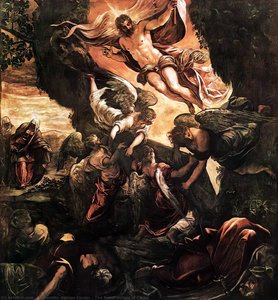
Tintoretto’s “Die Auferstehung Christi” (1579), housed within the Scuola Grande di San Rocco in Venice, is not merely a depiction of a biblical event; it's an explosion of movement, light, and profound spiritual drama. This oil on canvas masterpiece transcends simple representation, plunging the viewer directly into the heart of Christ’s resurrection – a moment brimming with both triumph and poignant humanity. Born Jacopo Robusti, later known as Tintoretto, was already a formidable artist by this period, having honed his skills under Titian, though their relationship remained fraught with rivalry. He possessed an unparalleled ability to capture fleeting moments and imbue them with intense emotion, a characteristic vividly displayed in this dynamic composition. The painting immediately commands attention through its sheer scale and the dramatic interplay of light and shadow – a hallmark of Tintoretto’s distinctive style, often referred to as “terribilità” (terror). The scene unfolds with Christ ascending into the heavens, his arms outstretched in an act of boundless liberation. He is not depicted as a static figure but as a force of nature, seemingly propelled upwards through a swirling vortex of clouds and light. The figures surrounding him – the grieving disciples, the angel Gabriel, and the watchful witnesses – are rendered with remarkable energy and expressiveness, each caught in the throes of witnessing this miraculous event. The use of color is equally arresting; vibrant reds and golds dominate the upper register, symbolizing divine glory and resurrection, while cooler blues and purples evoke the somber atmosphere of death and mourning that has just been overcome.Tintoretto: Ein Geniesser des Lichtes und der Bewegung
Tintoretto’s artistic genius lay in his mastery of light and movement – qualities he exploited with breathtaking audacity. Unlike many of his contemporaries who favored a more static, classical approach, Tintoretto embraced a dynamic, almost frenetic style. He employed rapid brushstrokes, layering paint to create an illusion of depth and texture that seemed to shimmer before the viewer’s eyes. This technique, combined with his innovative use of perspective, created a sense of overwhelming immediacy, as if the scene were unfolding in real time. His studio was famously chaotic, with assistants working simultaneously on multiple panels, contributing to this sense of frenetic energy. Tintoretto's training was unconventional; he largely eschewed formal apprenticeship, preferring to learn through direct observation and experimentation. He dissected corpses to study anatomy, drew from casts and reliefs, and relentlessly practiced his craft, often working late into the night. This dedication fueled his unique style, characterized by bold contrasts, dramatic diagonals, and a profound understanding of human emotion. The nickname “Il Furioso” (The Furious) aptly describes his approach – he was driven by an almost obsessive need to capture the essence of his subject with unparalleled intensity.Symbolik und Interpretation: Mehr als nur eine religiöse Szene
Beyond its immediate depiction of Christ’s resurrection, "Die Auferstehung Christi" is rich in symbolic meaning. The swirling clouds represent both the turbulent transition from death to life and the divine realm. The angel Gabriel, positioned prominently on the left, signifies divine intervention and the promise of salvation. The figures gathered at the foot of the tomb – including St. John and Mary Magdalene – embody faith, grief, and hope. Notably, the scene is not simply a celebration of resurrection; it also acknowledges the profound sorrow associated with Christ’s sacrifice. The weeping disciples are not merely witnesses to a miracle but are deeply affected by the magnitude of what has occurred. The inclusion of several figures in the foreground – some identifiable as apostles, others more ambiguous – suggests that this is not just a singular event but a communal experience, witnessed and interpreted by the entire Christian community. The placement of these figures also creates a sense of depth and involvement for the viewer, drawing them into the narrative.Die Bedeutung im Kunstgeschichte: Ein Einflussreicher Innovator
“Die Auferstehung Christi” stands as a pivotal work in the Venetian school of painting and profoundly influenced subsequent generations of artists. Tintoretto’s innovative use of light, color, and composition challenged traditional artistic conventions and paved the way for Baroque art. His dynamic style, characterized by dramatic movement and intense emotion, resonated with audiences who sought a more visceral and engaging experience of religious imagery. Artists like Rubens and Rembrandt were deeply influenced by his techniques, adopting his bold brushwork and masterful use of chiaroscuro (the contrast between light and dark). The painting’s influence extends beyond the realm of religious art; its dramatic intensity and emotional power have captivated viewers for centuries. Today, “Die Auferstehung Christi” remains a testament to Tintoretto's genius – a vibrant, unforgettable depiction of one of Christianity’s most profound moments, showcasing his unparalleled skill as a painter and his enduring legacy in the history of art. For those interested in exploring more of Tintoretto’s works, consider examining "Do not touch me" and “The Flight into Egypt (detail)”, both housed within the Scuola Grande di San Rocco. To delve deeper into the life and work of Tintoretto, a visit to the museum itself – The Museum San Cassiano, Venice Italy – offers invaluable insights.Ähnliche Kunstwerke
Über den Künstler
Jacopo Tintoretto (1518–1594)
Frühes Leben und Ausbildung
- Geboren Jacopo Robusti in Venedig um Ende September oder Anfang Oktober 1518.
- Sein Vater, Battista Robusti, war Färber – daher der Spitzname „Tintoretto“ („kleiner Färber“).
- Details seiner formellen Ausbildung sind spärlich; Berichte deuten auf ein kurzes und erfolgloses Lehrverhältnis mit Tizian hin.
- Er lernte wahrscheinlich autodidaktisch, indem er sich durch Sektionen und Zeichnungen aus Gips- und Reliefskulpturen mit Anatomie beschäftigte.
Künstlerische Entwicklung & Stil
- Tintorettos Stil ist durch dramatische Kompositionen, energiegeladene Figuren und eine mutige Verwendung der Perspektive gekennzeichnet.
- Seine frühen Werke zeigen eine Mischung aus Einflüssen, darunter Tizian, Michelangelo und andere venezianische Meister.
- Er entwickelte eine besondere Technik mit schnellem Pinselstrich und innovativen Lichteffekten – wodurch er den Spitznamen „Il Furioso“ („der Wütende“) erhielt.
- Seine Arbeit entwickelte sich hin zu immer dynamischeren und emotional aufgeladenen Szenen, oft mit komplexen räumlichen Anordnungen.
Wichtige Werke & Leistungen
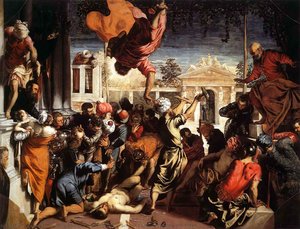
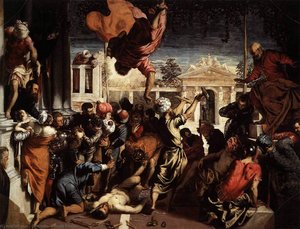
- Das Wunder des Heiligen Markus, der Sklaven befreit (1548): Ein kraftvolles Beispiel für seine dramatische Komposition und Perspektivkünste.
- Arbeiten an der Scuola Grande di San Rocco, Venedig: Dazu gehören „Die Unbefleckte Empfängnis“ und zahlreiche andere Gemälde, die seine Meisterschaft in Erzählung und Maßstab demonstrieren.
- Das letzte Abendmahl (1592–1594): Ein monumentales Werk, das seinen innovativen Ansatz für ein traditionelles Thema demonstriert.
- Zahlreiche religiöse und historische Gemälde für venezianische Kirchen und Paläste.
Einflüsse & Vermächtnis
- Er wurde von Tizians Farbgebung und Michelangelos dynamischer Figurentechnik beeinflusst.
- Tintorettos Werk schloss die Lücke zwischen der Renaissance und dem Barock, indem es spätere Künstler mit seinen dramatischen Kompositionen und ausdrucksstarken Pinselstrichen beeinflusste.
- Seine innovative Verwendung von Licht und Schatten warnt vor Techniken, die von Caravaggio und anderen Barockmeistern verwendet wurden.
- Er hinterließ ein umfangreiches Werk, das bis heute inspiriert und fesselt.
Historische Bedeutung
- Tintoretto war einer der drei großen venezianischen Maler des 16. Jahrhunderts, neben Tizian und Paolo Veronese.
- Er spielte eine entscheidende Rolle bei der Gestaltung der künstlerischen Landschaft Venedigs im späten Renaisanz.
- Sein Werk spiegelt den religiösen Eifer und die politischen Spannungen seiner Zeit wider.
- Tintorettos Vermächtnis als Meister der dramatischen Komposition und des ausdrucksstarken Gemäldes hält an, wodurch er seinen Platz als einer der wichtigsten Künstler der Geschichte festigt.
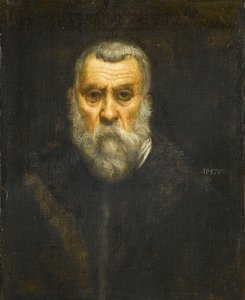
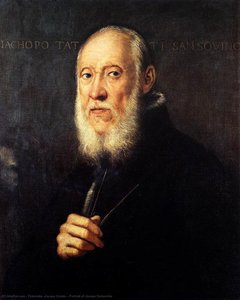
Tintoretto (Jacopo Comin)
1518 - 1594 , Italien
Kurzinfos
- Beeinflusste Künstler:
- Tizian
- Michelangelo
- Bemerkenswerte Werke:
- Das Wunder des Hl. Markus
- Die Himmelfahrt Mariä
- Letzte Abendmahl (San Giorgio)
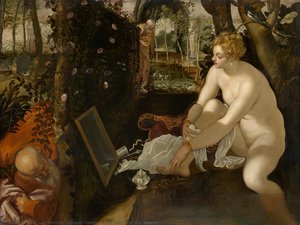
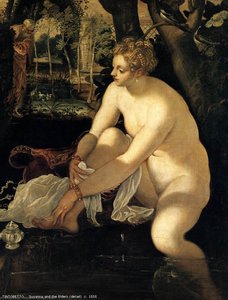
- Susanna und die Älteren
- Geburtsdatum: September/Oktober 1518
- Geburtsort: Venedig, Italien
- Künstlerische Richtung: Manierismus, Venezianische Schule
- Nationalität: Venezianisch
- Todatum: 31. Mai 1594
- Vollständiger Name: Jacopo Tintoretto
- Von Künstlern Beeinflusst:
- Bonifazio Veronese
- Paris Bordone
Ähnliche Artikel

Jacopo Tintoretto: Die 25 Meisterwerke des venezianischen Dramatikers | ArtsDot
Entdecken Sie die 25 Meisterwerke von Jacopo Tintoretto! Tauchen Sie ein in die dramatische Welt der venezianischen Renaissance. Hochwertige Kunst-Reproduktionen & Inspiration für Ihr Zuhause – jetzt auf ArtsDot.com.

The Enduring Power of Painting: A Historical & Contemporary Exploration of Form and Emotion
Explore the rich history & enduring techniques of oil painting with ArtsDot. Discover masterpieces, learn about art collecting, and find authentic handmade reproductions crafted by skilled artists.

Barocke Pracht: Wie Sie Opulenz und Emotionen in zeitgenössische Innenräume bringen
Entdecken Sie die Pracht des Barock! Expertenratgeber für luxuriöse Innenräume mit barocken Elementen. Inspiration, Tipps & hochwertige Kunst bei .

The Dramatic Flourish: Exploring the Baroque Movement's Enduring Legacy in Art History
Explore the dramatic world of Baroque art! Discover iconic artists like Caravaggio & Rubens, defining techniques, and its lasting impact on art history. Expert insights for collectors & enthusiasts at ArtsDot.

The Enduring Legacy of Oil on Canvas: Technique, History & Aesthetic Impact
Explore the rich history & techniques of oil painting – from Renaissance masters to Impressionism. Discover pigments, layering methods, and why this timeless medium endures. Expert insights for artists & art enthusiasts.