 Vorschau anzeigen
 Versenden
 Teilen
 Details anzeigen

 Herunterladen
 Ähnliche Objekte
 Röntgenaufnahme
 Diashow
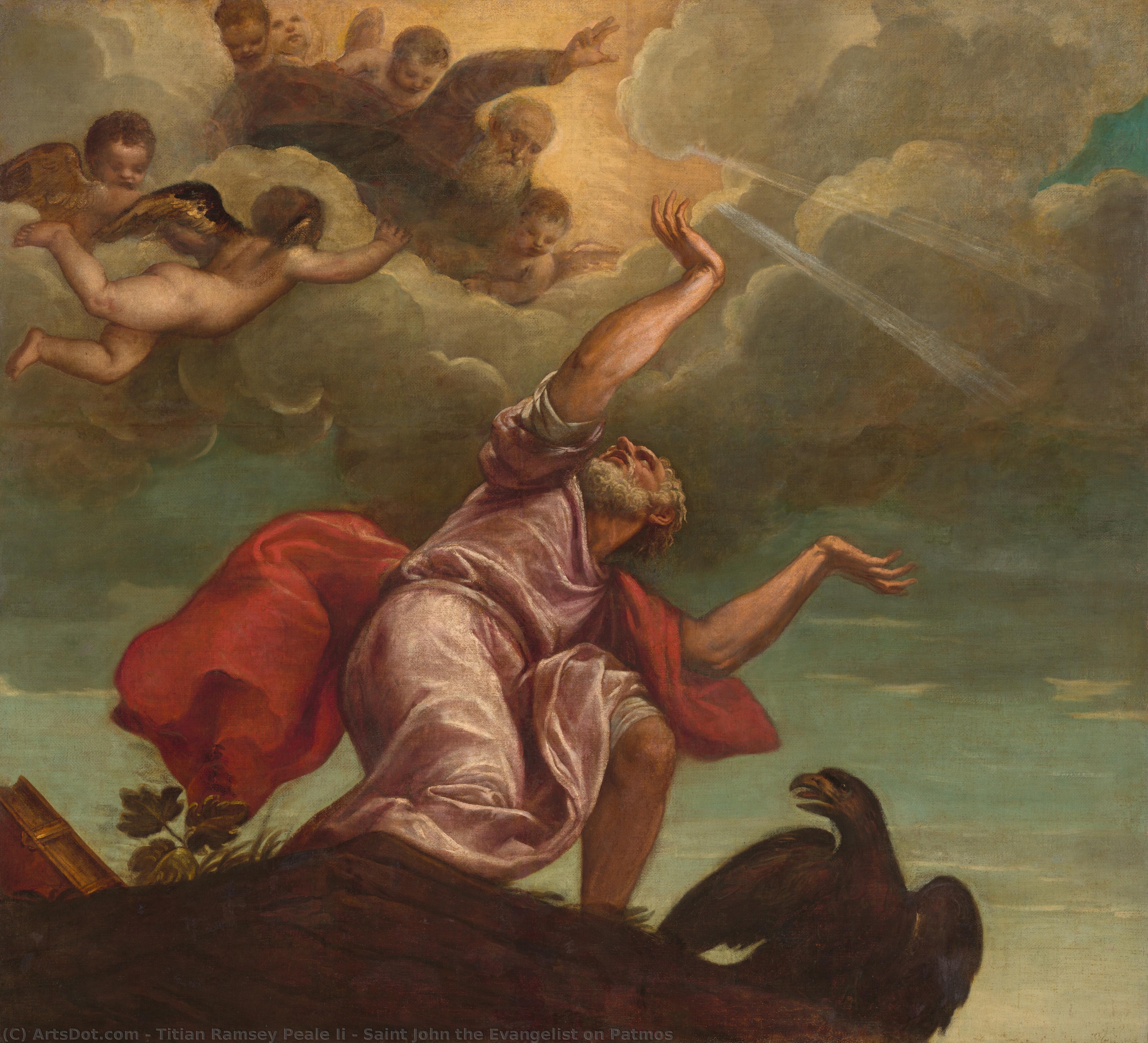
Saint John the Evangelist on Patmos
 Acryl auf Leinwand
- Wandkunst
- Baroque Revival
 1555
1555- Renaissance
 266.0 x 291.0 cm
 Weiterlesen
Handgefertigte Ölreproduktion
Handgemaltes Ölgemälde auf Leinwand in Ihrer Wunschgröße und mit Rahmen, auf Bestellung von unseren Künstlern angefertigt. ( Druck bestellen Bild kaufen)




P118B $10

P118H $10

P118W $10

P438Z $10

P508JH $12

P508YH $12

P805H $10

P805Z $10

P919BZ $10

P919G $10

P919XJ $10

P959ZH $10

P968JZ $12

W106C $8

W218G $10

W218JH $8

W218Y $10

W307PJ $10

W316G $10

W316PJ $8

W316Y $10

W398PJ $8

W4111J $10

W500HY $15

W500JH $15

W692G $12

W849H $8

W940BG $15

W953PJ $8




Wählen Sie aus unseren vordefinierten Formaten, die den ursprünglichen Proportionen des Kunstwerks entsprechen.

Sie können Ihre eigenen Maße eingeben, um einen bestimmten Rahmen oder Platz auszufüllen. Wenn die gewählte Größe nicht den Proportionen des Originalbildes entspricht, werden wir das Kunstwerk entweder beschneiden oder das Gemälde durch zusätzliche, handgemalte Elemente erweitern. Ein digitales Mockup wird Ihnen zur Genehmigung zugesandt, bevor die Produktion beginnt.
Bitte beachten Sie, dass die Bildschirmvorschau nicht die tatsächliche Beschneidung oder Erweiterung widerspiegelt. Nur das Mockup zeigt die endgültige Komposition exakt an.
Obwohl Sondermaße verfügbar sind, empfehlen wir, eine Größe aus der vordefinierten Liste zu wählen, um die ursprünglichen Proportionen beizubehalten.
Nach der Bestellung wird das ArtsDot.com-Team dem Kunden Anweisungen per E-Mail zusenden und eine Mockup-Vorschau bereitstellen.
Weltweiter Versand () in nur 3 bis 4 Wochen statt der üblichen 5 Wochen. (22 August). Keine Kompromisse bei der Qualität.

Kostenloser weltweiter Expressversand

Hochwertige Leinenleinwand

Umfassender Versicherungsschutz beim Versand

Zollgebühren-Rückerstattungsgarantie

Garantie für exakte Farbtreue

60 Tage Rückgaberecht (nur bei Mängeln)

100% Geld-zurück-Garantie

Mengenrabatt verfügbar
 Die Glasoption ist nur für Größen unter 110 cm verfügbar.

Saint John the Evangelist on Patmos
Art der Reproduktion
Format der Reproduktion
-


Gesamtpreis
$ 263
Beschreibung des Kunstwerks
A Venetian Echo in American Vision: Examining Titian Ramsay Peale II’s ‘Saint John the Evangelist on Patmos’
Titian Ramsay Peale II stands as a singular figure within 19th-century American art—a descendant of Charles Willson Peale, arguably the nation's foremost portraitist, yet profoundly shaped by the artistic currents originating in Venice during the High Renaissance. Unlike many artists of his era preoccupied with Romantic fervor and dramatic landscapes, Peale II possessed an unwavering devotion to classical ideals, meticulously translating them onto canvas with a level of detail and chromatic vibrancy that distinguishes him from his contemporaries. This dedication isn’t merely stylistic; it represents a deep engagement with humanist principles—a desire to capture not just likeness but also the essence of human experience within a framework rooted in artistic grandeur. His oeuvre speaks volumes about the burgeoning American identity while simultaneously honoring the legacy of European masters, creating an arresting dialogue between tradition and innovation.Subject Matter and Narrative Composition
The painting depicts Saint John the Evangelist on Patmos—a scene steeped in theological significance. Traditionally interpreted as representing divine inspiration and revelation, Peale II’s depiction portrays Saint John alone on a rocky ledge overlooking the sea, illuminated by an ethereal sky ablaze with clouds and angelic figures. This positioning immediately establishes a contemplative mood, inviting viewers to contemplate themes of solitude, faith, and spiritual ascension. The central figure—Saint John himself—is rendered with remarkable precision, capturing subtle nuances of expression and posture that convey both vulnerability and unwavering devotion. Surrounding him are six radiant angels, symbolizing divine grace and protection, reaching upwards towards the luminous celestial realm. This pyramidal composition reinforces the sense of upward movement and emphasizes the saint’s connection to God.Style and Technique: Renaissance Precision Meets Baroque Drama
Peale II's artistic approach defies easy categorization. While undeniably influenced by the Baroque fascination with dramatic lighting and emotive gesture—evident in the swirling clouds and the outstretched hands of Saint John—he maintains a steadfast commitment to Renaissance anatomical accuracy and meticulous detail. The artist’s brushwork is characterized by smooth, blended strokes that achieve an astonishing level of realism, particularly noticeable in the depiction of Saint John's face and drapery. He skillfully employs chiaroscuro—the interplay between light and shadow—to sculpt form and heighten emotional impact, mirroring techniques perfected by Venetian masters like Titian and Raphael. The luminous sky, achieved through layering translucent glazes, contributes to an otherworldly atmosphere that underscores the spiritual dimension of the scene.Symbolism: Light, Angels, and Revelation
The painting overflows with symbolic resonance. The radiant light emanating from Saint John’s head symbolizes divine illumination—the very source of his prophetic vision. The angels represent messengers of God, conveying reassurance and guiding Saint John towards enlightenment. The book held by Saint John embodies sacred scripture and represents the Word of God, central to Christian faith. Furthermore, the eagle perched beside Saint John serves as a symbol of vigilance and spiritual fortitude, mirroring imagery prevalent in Renaissance iconography. These carefully chosen symbols elevate the artwork beyond mere representation, inviting contemplation on profound theological concepts.Emotional Impact: A Moment of Serenity Amidst Celestial Glory
Ultimately, ‘Saint John the Evangelist on Patmos’ succeeds in conveying a palpable sense of serenity and reverence. Despite the grandeur of the celestial setting—the swirling clouds and luminous angels—Peale II anchors the scene with Saint John's grounded posture and contemplative gaze. The artist captures not just visual beauty but also an inner stillness that speaks to the viewer’s own spiritual aspirations. This masterful blend of observation and emotion distinguishes Peale II’s work as a testament to the enduring power of classical art to inspire contemplation and elevate the human spirit—a timeless masterpiece deserving of admiration and reproduction.Ähnliche Kunstwerke


Über den Künstler
**frühes Leben und künstlerische Anfänge**
Titian Ramsey Peale II, ein Name, der durch die Annalen der Kunstgeschichte hallt, aber von einem Hauch Geheimnis umgeben ist. Geboren 1799, war Peales frühes Leben von einer unaufhaltsamen Leidenschaft für die Künste geprägt, die ihn schließlich dazu führte, ein versierter Maler zu werden.**Künstlerische Beiträge und Stil**
Peales Werk, das durch seinen **Hochrenaissance**-Flair gekennzeichnet ist, zeigt seine Meisterschaft in Öl auf Holz und Leinwand. Bemerkenswerte Werke sind unter anderem:- Altar-Schrein mit vier Heiligen (125 x 72 cm, Öl auf Holz), ein Zeugnis seiner Hingabe an die religiöse Kunst.
- Anbetung der Hirten (Palazzo Pitti, Florenz, Italien, **Hochrenaissance**, Öl auf Karton), das seine Fähigkeit widerspiegelt, ergreifende Momente einzufangen.
- Die Schönheit (89 x 76 cm, Palazzo Pitti, Florenz, Italien, **Hochrenaissance**, Öl auf Leinwand), ein Porträt, das Eleganz und Raffinesse ausstrahlt.
**Einflüsse und Vermächtnis**
Obwohl sein Leben nicht so gut dokumentiert ist wie das einiger Zeitgenossen, ist Peales Werk zweifellos von der **italienischen Hochrenaissance** beeinflusst, mit Hinweisen auf venezianische Farbismus. Sein Vermächtnis, das seine Zeit über die breite Anerkennung hinausging, wurde durch die Linse moderner Kunstkritik wiederentdeckt und neu geschätzt.**Wo man Peales Werke finden kann**
Für diejenigen, die sich tiefergehend mit Peales Oeuvre beschäftigen möchten, kann Titian Ramsey Peale II: Altar-Schrein mit vier Heiligen auf ArtsDot gefunden werden, zusammen mit anderen bemerkenswerten Werken. Die Uffizien-Galerie (Florenz, Italien) und die Pitti-Palast (Florenz, Italien) beherbergen ebenfalls seine Werke und bieten einen Einblick in die Welt des Künstlers.**Schlussfolgerung**
Titian Ramsey Peale II, eine enigmatische Figur der Kunstwelt, hinterlässt eine Kette von Meisterwerken, die weiterhin faszinieren und inspirieren. Durch ArtsDot und andere Ressourcen sind seine Werke heute zugänglicher denn je und laden eine neue Generation von Kunstinteressierten ein, seine Beiträge zur **Hochrenaissance**-Bewegung zu entdecken und wertzuschätzen.- Erforschen Sie weitere Werke von Peale II auf ArtsDot.
- Erfahren Sie mehr über andere einflussreiche Künstler wie Giulio Clovio, der für seine illuminierten Handschriften bekannt ist.
- Entdecken Sie die Museum Fine Art Society (Vereinigtes Königreich), eine führende Institution zur Förderung des Kunst-Erbes, auf ArtsDot.
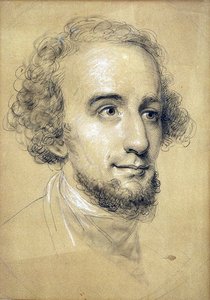
Tizian Ramsay Peale II
1799 - 1885 , Vereinigte Staaten von Amerika
Kurzinfos
- Beeinflusste Künstler: ['Tizian (venezianisch)']
- Bemerkenswerte Werke:
- Altar Schrein mit Vier Heiligen
- Anbetung der Hirten
- Die Schönheit
- Einflüsse: Italienische Hochrenaissance, Venezianischer Kolorismus
- Geburtsdatum: 1799
- Künstlerische Bewegung: Hochrenaissance
- Nationalität: Amerikanisch
- Todatum: 1885
- Vollständiger Name: Tizian Ramsay Peale II
Ähnliche Artikel

John Singer Sargent: Die 25 Meisterwerke des Porträts – Kunst für Ihr Zuhause | ArtsDot
Entdecken Sie die 25 Meisterwerke von John Singer Sargent! Tauchen Sie ein in die Welt der Porträtmalerei, des Impressionismus & der Belle Époque. Hochwertige Kunstdrucke & Reproduktionen für Ihr Zuhause – jetzt auf ArtsDot.com!

John Constable: Die 25 Meisterwerke des englischen Landschaftsgenies – ArtsDot
Entdecken Sie die 25 Meisterwerke von John Constable! Erleben Sie englische Landschaftsmalerei vom Hay Wain bis zur Stour Valley. Hochwertige Reproduktionen & Kunst für Ihr Zuhause auf ArtsDot.com.
Tizian und die venezianische Renaissance: Innovation, Farbe und Porträtkunst
Entdecken Sie Tizians revolutionäre Kunst und die venezianische Renaissance! Expertenwissen über Farbe, Porträtkunst & Investition in Meisterwerke. Jetzt lesen!

Titian Ramsay Peale: Präzision und künstlerische Innovation in der frühen amerikanischen botanischen Malerei
Entdecken Sie das Werk von Titian Ramsay Peale, einem Pionier der amerikanischen botanischen Malerei! Erfahren Sie mehr über seine präzisen Illustrationen, die Long-Expedition und seinen Beitrag zur Naturforschung. ArtsDot.

Barock Meisterwerke: Die 10 prägendsten Kunstwerke für Ihr Zuhause |
Entdecken Sie die 10 prägendsten Meisterwerke des Barock! Caravaggio, Rembrandt & Co. – Erfahren Sie die Geschichten hinter ikonischen Gemälde und finden Sie hochwertige Kunst Reproduktionen für Ihr Zuhause auf .