

 Vorschau anzeigen
 Versenden
 Teilen
 Details anzeigen

 Herunterladen
 Ähnliche Objekte
 Röntgenaufnahme
 Diashow
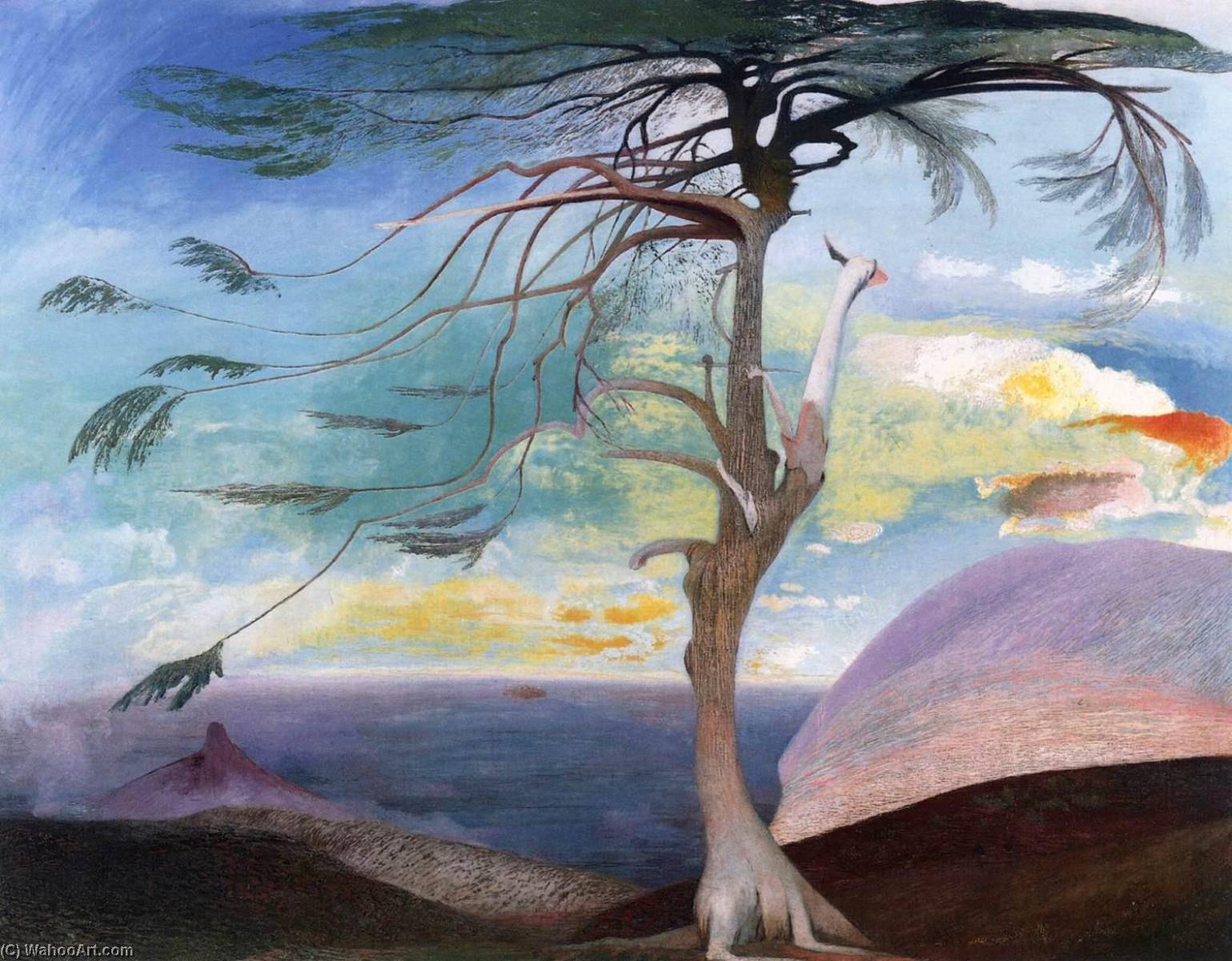
The Solitary Cedar
 Oil
Oil- WallArt
- Expressionism
 1907
1907- 19th Century
 194.0 x 248.0 cm
 Janus Pannonius Múzeum
 Weiterlesen
Handgefertigte Ölreproduktion
Handgemaltes Ölgemälde auf Leinwand in Ihrer Wunschgröße und mit Rahmen, auf Bestellung von unseren Künstlern angefertigt. ( Druck bestellen Bild kaufen)




P118B $10

P118H $10

P118W $10

P438Z $10

P508JH $12

P508YH $12

P805H $10

P805Z $10

P919BZ $10

P919G $10

P919XJ $10

P959ZH $10

P968JZ $12

W106C $8

W218G $10

W218JH $8

W218Y $10

W307PJ $10

W316G $10

W316PJ $8

W316Y $10

W398PJ $8

W4111J $10

W500HY $15

W500JH $15

W692G $12

W849H $8

W940BG $15

W953PJ $8




Wählen Sie aus unseren vordefinierten Formaten, die den ursprünglichen Proportionen des Kunstwerks entsprechen.

Sie können Ihre eigenen Maße eingeben, um einen bestimmten Rahmen oder Platz auszufüllen. Wenn die gewählte Größe nicht den Proportionen des Originalbildes entspricht, werden wir das Kunstwerk entweder beschneiden oder das Gemälde durch zusätzliche, handgemalte Elemente erweitern. Ein digitales Mockup wird Ihnen zur Genehmigung zugesandt, bevor die Produktion beginnt.
Bitte beachten Sie, dass die Bildschirmvorschau nicht die tatsächliche Beschneidung oder Erweiterung widerspiegelt. Nur das Mockup zeigt die endgültige Komposition exakt an.
Obwohl Sondermaße verfügbar sind, empfehlen wir, eine Größe aus der vordefinierten Liste zu wählen, um die ursprünglichen Proportionen beizubehalten.
Nach der Bestellung wird das ArtsDot.com-Team dem Kunden Anweisungen per E-Mail zusenden und eine Mockup-Vorschau bereitstellen.
Weltweiter Versand () in nur 3 bis 4 Wochen statt der üblichen 5 Wochen. (23 August). Keine Kompromisse bei der Qualität.

Kostenloser weltweiter Expressversand

Hochwertige Leinenleinwand

Umfassender Versicherungsschutz beim Versand

Zollgebühren-Rückerstattungsgarantie

Garantie für exakte Farbtreue

60 Tage Rückgaberecht (nur bei Mängeln)

100% Geld-zurück-Garantie

Mengenrabatt verfügbar
 Die Glasoption ist nur für Größen unter 110 cm verfügbar.

The Solitary Cedar
Art der Reproduktion
Format der Reproduktion
-


Gesamtpreis
$ 263
Beschreibung des Kunstwerks
A Visionary Encounter with Nature
In the vast, sweeping expanse of Tivadar Csontváry Kosztka’s 1907 masterpiece, The Solitary Cedar, viewers are invited into a world where the boundaries between reality and dreamscape dissolve. This monumental work, measuring an impressive 194 x 248 cm, serves as a profound testament to the artist's ability to capture the raw, untamed spirit of the natural world. At its heart stands a singular, majestic cedar, its branches reaching upward like desperate fingers grasping for the heavens. The tree does not merely exist within a landscape; it commands it, acting as a silent protagonist in a drama of survival and resilience. As the eye wanders across the canvas, one notices the subtle presence of birds perched amidst the boughs, their small forms providing a delicate counterpoint to the rugged strength of the wood, injecting a sense of fleeting life into an otherwise eternal struggle.
The atmosphere of the painting is thick with the tension of an approaching storm. Csontváry Kosztka masterfully employs a palette of swirling blues and brilliant whites to depict a sky in flux, where clouds gather like heavy thoughts. This turbulent backdrop creates a sense of depth and dimension, pulling the observer into a space where the air feels heavy with moisture and electricity. The technique used here bridges the gap between Post-Impressionism and early Expressionism; the brushwork is not merely descriptive but emotional, using texture to convey the movement of wind and the shifting light of a tempestuous afternoon. For the discerning collector or interior designer, this piece offers a commanding presence, capable of anchoring a room with its dramatic scale and profound atmospheric weight.
Symbolism and the Artist's Soul
To understand The Solitary Cedar, one must look through the lens of Csontváry Kosztka’s unique "sunway" style—a visionary approach that sought to illuminate the spiritual essence behind physical forms. The cedar tree itself serves as a potent symbol of solitude and endurance. Standing apart from the more distant, shadowed trees in the background, it represents the individual soul navigating the storms of existence. There is a poignant duality at play: the vulnerability of the branches against the elements versus the unyielding strength of the trunk. This reflects the artist's own complex biography, marked by a life of cultural shifts and personal enigmas.
For those seeking to incorporate fine art into a curated space, this reproduction offers more than just aesthetic beauty; it provides an emotional anchor. The painting’s ability to evoke both peace and turbulence makes it a versatile choice for sophisticated interiors, whether placed in a quiet study to inspire contemplation or in a grand living area to serve as a conversation piece. It is a work that demands attention, inviting the viewer to contemplate their own relationship with the wild, unpredictable beauty of the universe. Through his skillful use of composition and color, Csontáry Kosztka ensures that The Solitary Cedar remains an enduring icon of the power and majesty of nature.
Ähnliche Kunstwerke
Über den Künstler
Tivadar Csontváry Kosztka, the Painter of Lights
Tivadar Csontváry Kosztka remains a captivating enigma in the landscape of Hungarian art—a painter whose life was as dramatic and unconventional as the canvases he produced. Born Mihály Tivadar Kosztka on July 5th, 1853, in Kisszeben (modern-day Sabinov, Slovakia), his origins were steeped in a fascinating confluence of cultures. His father, Dr. László Kosztka, was a physician and pharmacist, his mother was Franciszka Hajczelmajer of Darócz (now Šarišské Dravce, Slovakia); he grew up speaking Slovak mixed with German alongside the eventual fervent embrace of his Hungarian identity. This early immersion in diverse linguistic and cultural currents arguably contributed to the unique perspective that would later define his artistic vision—a vision both intensely personal and universally resonant. For many years, he dutifully followed in his father’s footsteps, practicing pharmacy until his twenties. However, a life-altering experience at the age of twenty-seven irrevocably altered his course. On October 13th, 1880, while immersed in his work, he claimed to receive a divine calling: a voice declared him destined to become “the greatest painter of the world, greater than Raphael.” This moment became the cornerstone of his artistic ambition, propelling him onto an extraordinary and often solitary path.From Apothecary to Artistic Pilgrim
The mystical vision irrevocably altered Csontváry’s trajectory. He abandoned his profession of pharmacist and embarked upon a period of intense preparation—fueled by unwavering self-belief and a relentless pursuit of artistic mastery. Initially rebuffed by traditional art schools, he persevered, traveling extensively throughout Europe—Rome, Paris, Munich—studying the masters and honing his skills. He financed these journeys by continuing to work as an apothecary, sacrificing personal comfort for the sake of his artistic calling. From 1890 onwards, his travels expanded beyond Europe, taking him to North Africa and the Middle East—to Dalmatia, Italy, Greece, Lebanon, Palestine, Egypt—and Syria. These lands became a profound source of inspiration, imbuing his canvases with exotic landscapes, dramatic light, and a sense of spiritual yearning. He wasn’t merely documenting what he saw; he was interpreting it through the lens of his own intensely personal vision—a vision often tinged with melancholy and a deep reverence for nature's power. The sheer scale of his ambition is reflected in the monumental size of many of his works, demanding attention and enveloping the viewer in their immersive landscapes.The ‘Sunway’ and a Unique Artistic Voice
Csontváry’s artistic style defies easy categorization. While often associated with Post-Impressionism and Expressionism, he remained largely self-taught, forging his own path. His paintings are characterized by their monumental scale—many stretch several meters in width and height—and a bold use of color and composition. He developed what he termed the “sunway” (*napút*)—an approach that emphasized the transformative power of light and its ability to reveal hidden truths. This wasn’t merely about depicting sunlight; it was about capturing the very essence of illumination, both physical and spiritual. His landscapes are often imbued with a sense of awe-inspiring grandeur, while his depictions of Middle Eastern scenes possess a haunting beauty and an undercurrent of melancholy. Works like *The Lonely Cedar* (1907) and *Pilgrimage to the Cedars in Lebanon* (1907) exemplify this approach—towering trees silhouetted against dramatic skies, evoking feelings of solitude, reverence, and the sublime. Other notable paintings include *Springtime in Mostar* (1903), capturing a romantic vision of the historic town, and *The Wailing Wall in Jerusalem* (1904)—a poignant depiction of faith and remembrance. He sought to capture not just the appearance of things, but their underlying spiritual essence—a quality that sets his work apart from many of his contemporaries.A Legacy Illuminated
Csontváry’s unwavering commitment to his artistic vision, despite facing rejection and hardship, serves as an inspiration to artists today. His paintings continue to captivate audiences across cultures and generations, resonating with themes of solitude, faith, and the sublime. He achieved remarkable success in capturing the ethereal beauty of nature—a feat that cemented his place among Hungary’s most celebrated painters. The monumental scale of his canvases—often exceeding several meters—demands attention and invites contemplation, transporting viewers to distant landscapes bathed in otherworldly light. His distinctive technique—characterized by bold color palettes and expressive brushstrokes—established him as a pioneer of Hungarian Expressionism. Furthermore, Csontváry’s unwavering belief in the divine calling that shaped his life—a conviction born from a transformative experience at twenty-seven—remains a testament to the power of artistic inspiration. His legacy endures not only in the beauty of his paintings but also in the enduring spirit of an artist who dared to pursue his dreams with uncompromising passion. ## Notable Achievements:- Early Artistic Training: He studied in Budapest and Munich, absorbing influences from Impressionism and Symbolism.
- Travels & Inspiration: Extensive journeys to Europe and the Middle East fueled his artistic creativity—particularly his fascination with landscapes and religious symbolism.
- Monumental Paintings: Csontváry created several large-scale canvases that stand as masterpieces of Hungarian art, showcasing his mastery of color and composition.
- The “Sunway” Technique: He developed a unique artistic approach—emphasizing the transformative power of light—that distinguishes him from other painters of his era.
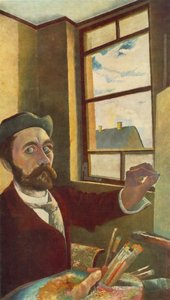
Tivadar Csontváry Kosztka
1853 - 1919 , Österreichisch-Ungarisches Reich
Kurzinfos
- Artistic Movement Or Style: Expressionismus & Postimpressionismus
- Artists Who Influenced This Artist: ['Raphael']
- Date Of Birth: 5 Juli 1853
- Date Of Death: 20 Juni 1919
- Full Name: Mihály Tivadar Kosztka
- Nationality: Ungarisch
- Notable Artworks:
- Der Einsame Zeder
- Die Begegnung der Liebenden
- Das Wailing Wall
- Place Of Birth: Kisszeben, Slovakié
Ähnliche Artikel

Romantische Landschaften: Die 10 Meisterwerke, die eine Epoche prägten | ArtsDot
Entdecken Sie die 10 Meisterwerke der Romantischen Landschaftsmalerei! Von Caspar David Friedrich bis Turner – erleben Sie die Kunst, Emotion & Natur. Hochwertige Reproduktionen auf ArtsDot.com
Arboreal Echoes: A Historical & Artistic Exploration of Trees in Painting
Explore the rich history of trees in painting! Discover symbolism, Romantic masterpieces by Caspar David Friedrich & beyond. A curated journey for art enthusiasts.

John Constable: Die 25 Meisterwerke des englischen Landschaftsgenies – ArtsDot
Entdecken Sie die 25 Meisterwerke von John Constable! Erleben Sie englische Landschaftsmalerei vom Hay Wain bis zur Stour Valley. Hochwertige Reproduktionen & Kunst für Ihr Zuhause auf ArtsDot.com.
Arboreal Echoes: A Historical & Artistic Exploration of Trees in Painting
Explore the rich history of trees in painting! Discover symbolism, Romantic masterpieces by Caspar David Friedrich & beyond. A curated journey for art enthusiasts.

Evocations of Place: A Historical Journey Through Landscape Art
Explore the rich history of landscape art with ArtsDot. Discover renowned artists, movements like Impressionism & Romanticism, and expert guidance for collecting timeless pieces. Find your perfect serene escape today!

