

 Vorschau anzeigen
 Versenden
 Teilen
 Details anzeigen

 Herunterladen
 Ähnliche Objekte
 Röntgenaufnahme
 Diashow
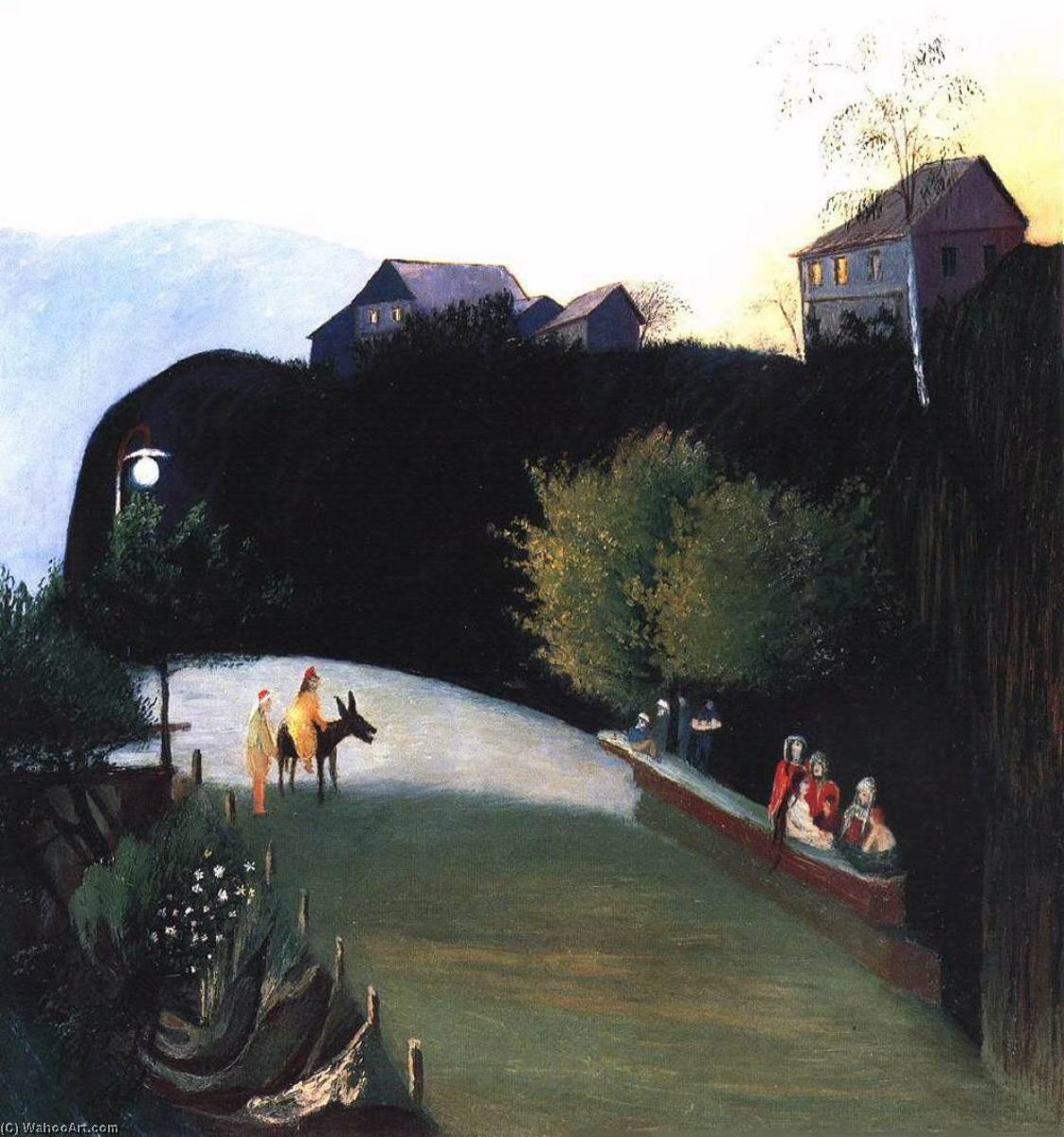
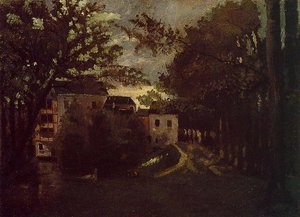
Trees in Electric Light at Jajce
 1903
1903 92.0 x 88.0 cm
 Weiterlesen
Erwerben Sie ein hochauflösendes, optimiertes digitales Bild, das der Online-Vorschau weit überlegen ist.
Jede Datei wird von unseren hauseigenen Spezialisten mit modernsten Werkzeugen und fachmännischer manueller Retusche sorgfältig vorbereitet. Wir stellen sicher, dass jedes Bild eine außergewöhnliche Klarheit, präzise Farbgenauigkeit und feinste Details aufweist.
Die endgültige Datei wird innerhalb von 72 Stunden per E-Mail zugestellt und ist für den sofortigen Einsatz in professionellen, redaktionellen und Druckumgebungen optimiert. Es handelt sich um dieselbe Qualität, der führende Designstudios, Verlage und Galerien vertrauen.
Digitales Bild
Laden Sie eine hochauflösende Datei für die persönliche Präsentation, den Druck und kreative Projekte herunter. ( Druck bestellen Handgemalte Reproduktion bestellen)
In jeder Bestellung digitaler Bilder enthalten
Professionelle digitale Bereitstellung, garantiert
Wenn Sie sich für ArtsDot.com entscheiden, erhalten Sie nicht nur ein Bild – Sie erhalten ein professionell aufbereitetes digitales Kunstwerk, das mit höchster Präzision erstellt und durch eine Zufriedenheitsgarantie abgesichert wird. Hier ist alles, was automatisch mit Ihrer Bestellung geliefert wird:

Schnelle E-Mail-Zustellung
Ihre hochauflösende digitale Bilddatei wird Ihnen innerhalb von 72 Stunden nach der Bestellung per E-Mail zugestellt – bereit zur sofortigen Verwendung.

KI-optimierte digitale Datei
Ihre Kunstwerke werden professionell mithilfe fortschrittlicher KI-Tools und manueller Bearbeitung optimiert, um maximale Detailtreue, Klarheit und Farbgenauigkeit zu gewährleisten.

Lebenslanger kostenloser Neudruckservice
Datei versehentlich gelöscht oder verloren? Keine Sorge – wir senden sie Ihnen jederzeit kostenlos erneut zu.

Keine Einfuhrgebühren – jemals
Genießen Sie Ihr Kunstwerk sofort ohne Zollgebühren, Einfuhrabgaben oder Versandkosten – digitale Downloads sind immer steuerfrei.

Garantierte Farbtreue
Wir garantieren, dass Ihr digitales Bild mithilfe professioneller Werkzeuge und Farbmanagement die Originalfarben so präzise wie möglich wiedergibt.

60-Tage-Zufriedenheitsgarantie
Sollten Sie mit Ihrem digitalen Bild nicht zufrieden sein, werden wir es überarbeiten oder Ihnen innerhalb von 60 Tagen 100% erstatten – ohne Wenn und Aber.

100% Geld-zurück-Garantie
Nicht zufrieden? Erhalten Sie innerhalb von 60 Tagen nach Erhalt Ihrer digitalen Datei eine vollständige Rückerstattung – ohne Angabe von Gründen.

Rabatte bei Großbestellungen
3 Bilder kaufen, 10% sparen – 5 Bilder kaufen, 15% sparen – Ab 10 Bildern 20% sparen. Ideal für kreative Projekte, Galerien und Agenturen.
Ähnliche Kunstwerke





Biografie des Künstlers
Tivadar Csontváry Kosztka, the Painter of Lights
Tivadar Csontváry Kosztka remains a captivating enigma in the landscape of Hungarian art—a painter whose life was as dramatic and unconventional as the canvases he produced. Born Mihály Tivadar Kosztka on July 5th, 1853, in Kisszeben (modern-day Sabinov, Slovakia), his origins were steeped in a fascinating confluence of cultures. His father, Dr. László Kosztka, was a physician and pharmacist, his mother was Franciszka Hajczelmajer of Darócz (now Šarišské Dravce, Slovakia); he grew up speaking Slovak mixed with German alongside the eventual fervent embrace of his Hungarian identity. This early immersion in diverse linguistic and cultural currents arguably contributed to the unique perspective that would later define his artistic vision—a vision both intensely personal and universally resonant. For many years, he dutifully followed in his father’s footsteps, practicing pharmacy until his twenties. However, a life-altering experience at the age of twenty-seven irrevocably altered his course. On October 13th, 1880, while immersed in his work, he claimed to receive a divine calling: a voice declared him destined to become “the greatest painter of the world, greater than Raphael.” This moment became the cornerstone of his artistic ambition, propelling him onto an extraordinary and often solitary path.From Apothecary to Artistic Pilgrim
The mystical vision irrevocably altered Csontváry’s trajectory. He abandoned his profession of pharmacist and embarked upon a period of intense preparation—fueled by unwavering self-belief and a relentless pursuit of artistic mastery. Initially rebuffed by traditional art schools, he persevered, traveling extensively throughout Europe—Rome, Paris, Munich—studying the masters and honing his skills. He financed these journeys by continuing to work as an apothecary, sacrificing personal comfort for the sake of his artistic calling. From 1890 onwards, his travels expanded beyond Europe, taking him to North Africa and the Middle East—to Dalmatia, Italy, Greece, Lebanon, Palestine, Egypt—and Syria. These lands became a profound source of inspiration, imbuing his canvases with exotic landscapes, dramatic light, and a sense of spiritual yearning. He wasn’t merely documenting what he saw; he was interpreting it through the lens of his own intensely personal vision—a vision often tinged with melancholy and a deep reverence for nature's power. The sheer scale of his ambition is reflected in the monumental size of many of his works, demanding attention and enveloping the viewer in their immersive landscapes.The ‘Sunway’ and a Unique Artistic Voice
Csontváry’s artistic style defies easy categorization. While often associated with Post-Impressionism and Expressionism, he remained largely self-taught, forging his own path. His paintings are characterized by their monumental scale—many stretch several meters in width and height—and a bold use of color and composition. He developed what he termed the “sunway” (*napút*)—an approach that emphasized the transformative power of light and its ability to reveal hidden truths. This wasn’t merely about depicting sunlight; it was about capturing the very essence of illumination, both physical and spiritual. His landscapes are often imbued with a sense of awe-inspiring grandeur, while his depictions of Middle Eastern scenes possess a haunting beauty and an undercurrent of melancholy. Works like *The Lonely Cedar* (1907) and *Pilgrimage to the Cedars in Lebanon* (1907) exemplify this approach—towering trees silhouetted against dramatic skies, evoking feelings of solitude, reverence, and the sublime. Other notable paintings include *Springtime in Mostar* (1903), capturing a romantic vision of the historic town, and *The Wailing Wall in Jerusalem* (1904)—a poignant depiction of faith and remembrance. He sought to capture not just the appearance of things, but their underlying spiritual essence—a quality that sets his work apart from many of his contemporaries.A Legacy Illuminated
Csontváry’s unwavering commitment to his artistic vision, despite facing rejection and hardship, serves as an inspiration to artists today. His paintings continue to captivate audiences across cultures and generations, resonating with themes of solitude, faith, and the sublime. He achieved remarkable success in capturing the ethereal beauty of nature—a feat that cemented his place among Hungary’s most celebrated painters. The monumental scale of his canvases—often exceeding several meters—demands attention and invites contemplation, transporting viewers to distant landscapes bathed in otherworldly light. His distinctive technique—characterized by bold color palettes and expressive brushstrokes—established him as a pioneer of Hungarian Expressionism. Furthermore, Csontváry’s unwavering belief in the divine calling that shaped his life—a conviction born from a transformative experience at twenty-seven—remains a testament to the power of artistic inspiration. His legacy endures not only in the beauty of his paintings but also in the enduring spirit of an artist who dared to pursue his dreams with uncompromising passion. ## Notable Achievements:- Early Artistic Training: He studied in Budapest and Munich, absorbing influences from Impressionism and Symbolism.
- Travels & Inspiration: Extensive journeys to Europe and the Middle East fueled his artistic creativity—particularly his fascination with landscapes and religious symbolism.
- Monumental Paintings: Csontváry created several large-scale canvases that stand as masterpieces of Hungarian art, showcasing his mastery of color and composition.
- The “Sunway” Technique: He developed a unique artistic approach—emphasizing the transformative power of light—that distinguishes him from other painters of his era.
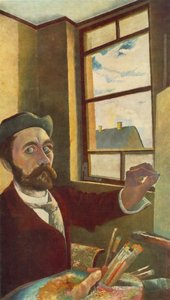
Tivadar Csontváry Kosztka
1853 - 1919 , Österreichisch-Ungarisches Reich
Kurzinfos
- Artistic Movement Or Style: Expressionismus & Postimpressionismus
- Artists Who Influenced This Artist: ['Raphael']
- Date Of Birth: 5 Juli 1853
- Date Of Death: 20 Juni 1919
- Full Name: Mihály Tivadar Kosztka
- Nationality: Ungarisch
- Notable Artworks:
- Der Einsame Zeder
- Die Begegnung der Liebenden
- Das Wailing Wall
- Place Of Birth: Kisszeben, Slovakié

