 Vorschau anzeigen
 Versenden
 Teilen
 Details anzeigen

 Herunterladen
 Ähnliche Objekte
 Röntgenaufnahme
 Diashow
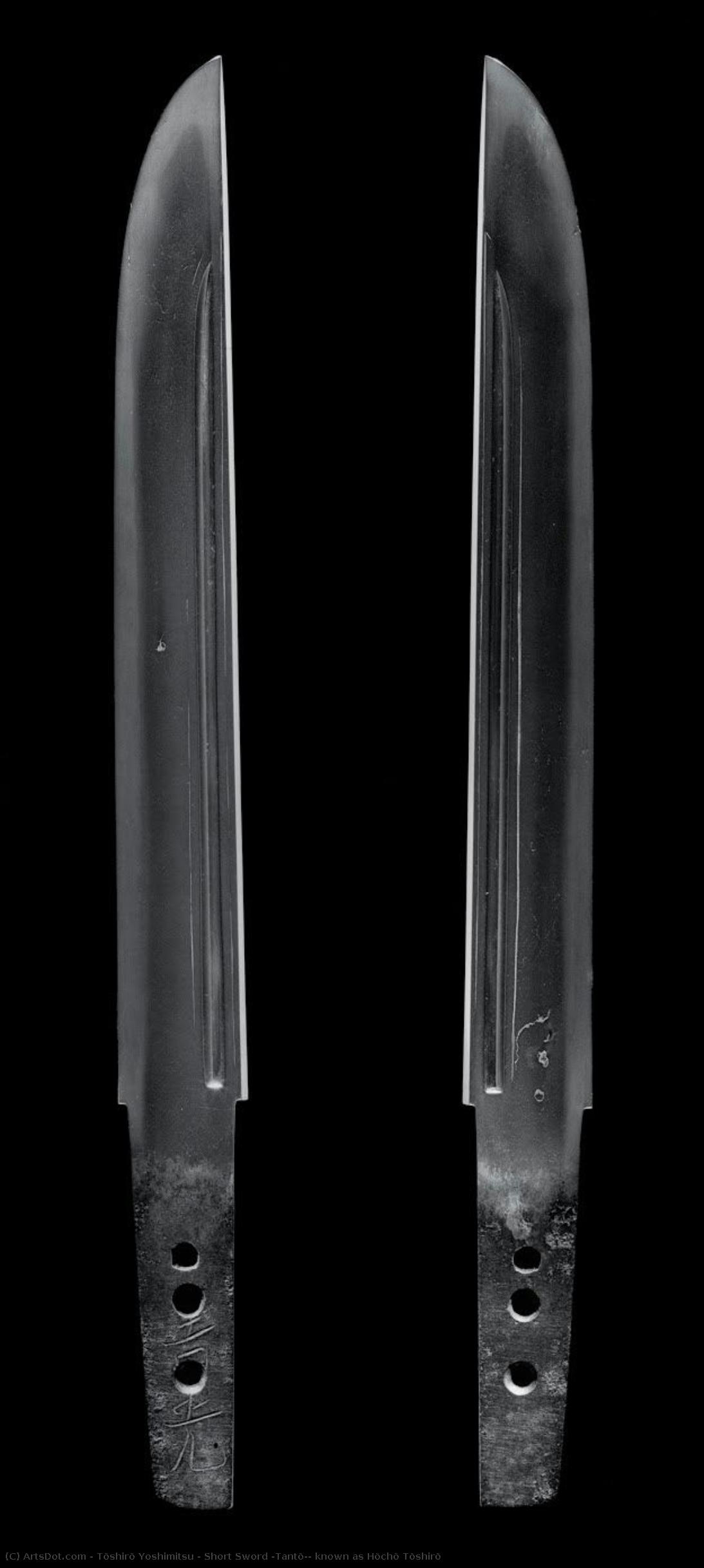
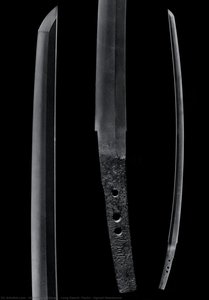
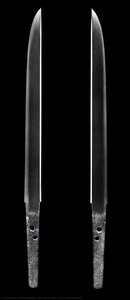
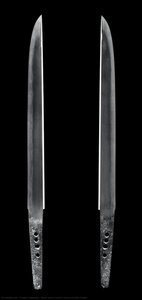
Short Sword (Tantō), known as Hōchō Tōshirō

 Weiterlesen
Erwerben Sie ein hochauflösendes, optimiertes digitales Bild, das der Online-Vorschau weit überlegen ist.
Jede Datei wird von unseren hauseigenen Spezialisten mit modernsten Werkzeugen und fachmännischer manueller Retusche sorgfältig vorbereitet. Wir stellen sicher, dass jedes Bild eine außergewöhnliche Klarheit, präzise Farbgenauigkeit und feinste Details aufweist.
Die endgültige Datei wird innerhalb von 72 Stunden per E-Mail zugestellt und ist für den sofortigen Einsatz in professionellen, redaktionellen und Druckumgebungen optimiert. Es handelt sich um dieselbe Qualität, der führende Designstudios, Verlage und Galerien vertrauen.
Digitales Bild
Laden Sie eine hochauflösende Datei für die persönliche Präsentation, den Druck und kreative Projekte herunter. ( Druck bestellen Handgemalte Reproduktion bestellen)
In jeder Bestellung digitaler Bilder enthalten
Professionelle digitale Bereitstellung, garantiert
Wenn Sie sich für ArtsDot.com entscheiden, erhalten Sie nicht nur ein Bild – Sie erhalten ein professionell aufbereitetes digitales Kunstwerk, das mit höchster Präzision erstellt und durch eine Zufriedenheitsgarantie abgesichert wird. Hier ist alles, was automatisch mit Ihrer Bestellung geliefert wird:

Schnelle E-Mail-Zustellung
Ihre hochauflösende digitale Bilddatei wird Ihnen innerhalb von 72 Stunden nach der Bestellung per E-Mail zugestellt – bereit zur sofortigen Verwendung.

KI-optimierte digitale Datei
Ihre Kunstwerke werden professionell mithilfe fortschrittlicher KI-Tools und manueller Bearbeitung optimiert, um maximale Detailtreue, Klarheit und Farbgenauigkeit zu gewährleisten.

Lebenslanger kostenloser Neudruckservice
Datei versehentlich gelöscht oder verloren? Keine Sorge – wir senden sie Ihnen jederzeit kostenlos erneut zu.

Keine Einfuhrgebühren – jemals
Genießen Sie Ihr Kunstwerk sofort ohne Zollgebühren, Einfuhrabgaben oder Versandkosten – digitale Downloads sind immer steuerfrei.

Garantierte Farbtreue
Wir garantieren, dass Ihr digitales Bild mithilfe professioneller Werkzeuge und Farbmanagement die Originalfarben so präzise wie möglich wiedergibt.

60-Tage-Zufriedenheitsgarantie
Sollten Sie mit Ihrem digitalen Bild nicht zufrieden sein, werden wir es überarbeiten oder Ihnen innerhalb von 60 Tagen 100% erstatten – ohne Wenn und Aber.

100% Geld-zurück-Garantie
Nicht zufrieden? Erhalten Sie innerhalb von 60 Tagen nach Erhalt Ihrer digitalen Datei eine vollständige Rückerstattung – ohne Angabe von Gründen.

Rabatte bei Großbestellungen
3 Bilder kaufen, 10% sparen – 5 Bilder kaufen, 15% sparen – Ab 10 Bildern 20% sparen. Ideal für kreative Projekte, Galerien und Agenturen.
Ähnliche Kunstwerke



Biografie des Künstlers
The Enigmatic Blades of Tōshirō Yoshimitsu
Tōshirō Yoshimitsu, a name whispered with reverence among connoisseurs of Japanese swordsmanship, stands as one of the most celebrated smiths of the Kamakura period (1185-1333). Unlike many artisans whose lives are shrouded in detailed documentation, Yoshimitsu’s story is pieced together from the blades themselves – their exceptional quality and distinctive characteristics serving as his enduring biography. He flourished in Kyoto, a center of artistic and cultural refinement, belonging to the esteemed Awataguchi school, a lineage known for its innovative techniques and dedication to forging swords of unparalleled beauty and strength.
A Legacy Forged in Steel
Yoshimitsu’s precise origins remain somewhat elusive. He is believed to have been either a disciple of Norikuni or Kuniyoshi, both prominent smiths within the Awataguchi tradition. This school distinguished itself by moving away from the more traditional methods prevalent at the time, embracing a new aesthetic that prioritized elegance and refinement alongside formidable cutting power. The Kamakura period was an era defined by the rise of the samurai class and their increasing demand for superior weaponry. Yoshimitsu responded to this need with exceptional skill, becoming particularly renowned for his mastery of short swords – the wakizashi and tanto. These blades were not merely weapons; they were symbols of status, artistry, and personal honor.
The Artistry of ‘Toshiro’
What truly sets Yoshimitsu apart is the unique quality that earned him his nickname, “Toshiro.” This designation refers to a specific characteristic found in his blades: an exceptionally thick cross-section. While seemingly subtle, this feature imparted remarkable strength and resilience to the swords, making them highly prized by warriors. Beyond this defining trait, Yoshimitsu’s work is characterized by a dynamic hamon – the temper line that reveals the blade's hardened edge – often displaying a complex interplay of patterns. His forging technique resulted in a fine grain structure (hada) and a lustrous polish, further enhancing the aesthetic appeal of his creations. He was not simply crafting swords; he was creating works of art imbued with both power and grace.
Influence and Historical Context
Yoshimitsu’s influence extended far beyond his own lifetime. His blades became highly sought after by powerful figures, including Toyotomi Hideyoshi, the unifier of Japan in the late 16th century. Hideyoshi, a passionate collector of exceptional swords, counted Yoshimitsu among his “Three Great Masters,” alongside Masamune and Yoshihiro. This recognition cemented Yoshimitsu’s place in Japanese sword history. The fact that blades attributed to him were listed in prestigious catalogues like the Kyōho meibutsu chō – a compendium of Japan's most famous swords compiled in the early 18th century – speaks volumes about his enduring reputation. The rediscovery of previously lost works, such as the katana once held by the Konoe family, continues to fuel scholarly interest and admiration for his artistry.
A Lasting Symbol of Japanese Craftsmanship
Today, Tōshirō Yoshimitsu’s blades are treasured heirlooms, residing in museums and private collections around the world. They represent not only the pinnacle of Kamakura-period swordsmithing but also a profound understanding of materials, technique, and aesthetic principles. His legacy extends beyond the physical beauty of his creations; it embodies the spirit of Japanese craftsmanship – a dedication to perfection, an unwavering pursuit of excellence, and a deep respect for tradition. The study of Yoshimitsu’s work offers invaluable insights into the cultural values and artistic sensibilities of medieval Japan, ensuring that his name will continue to be revered by collectors and scholars for generations to come.