 Vorschau anzeigen
 Versenden
 Teilen
 Details anzeigen

 Herunterladen
 Ähnliche Objekte
 Röntgenaufnahme
 Diashow
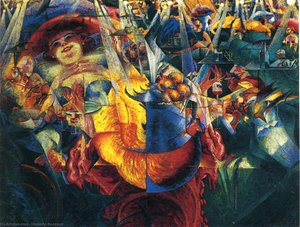
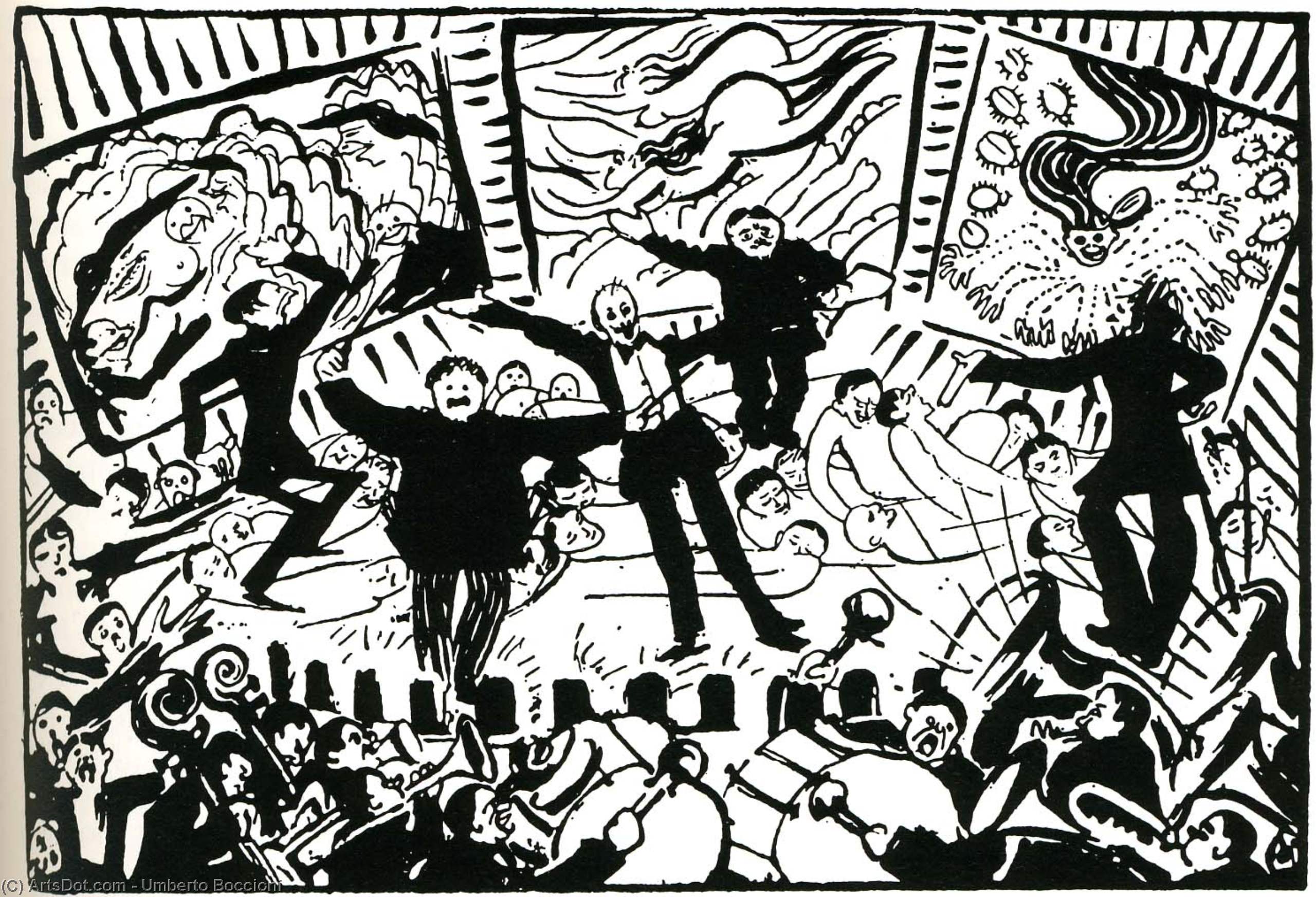
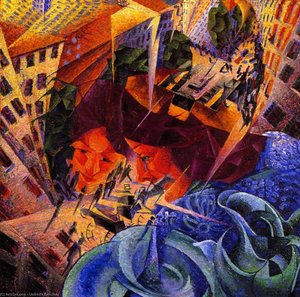
A Futurist Evening in Milan

 Weiterlesen
Handgefertigte Ölreproduktion
Handgemaltes Ölgemälde auf Leinwand in Ihrer Wunschgröße und mit Rahmen, auf Bestellung von unseren Künstlern angefertigt. ( Druck bestellen Bild kaufen)




P118B $10

P118H $10

P118W $10

P438Z $10

P508JH $12

P508YH $12

P805H $10

P805Z $10

P919BZ $10

P919G $10

P919XJ $10

P959ZH $10

P968JZ $12

W106C $8

W218G $10

W218JH $8

W218Y $10

W307PJ $10

W316G $10

W316PJ $8

W316Y $10

W398PJ $8

W4111J $10

W500HY $15

W500JH $15

W692G $12

W849H $8

W940BG $15

W953PJ $8




Wählen Sie aus unseren vordefinierten Formaten, die den ursprünglichen Proportionen des Kunstwerks entsprechen.

Sie können Ihre eigenen Maße eingeben, um einen bestimmten Rahmen oder Platz auszufüllen. Wenn die gewählte Größe nicht den Proportionen des Originalbildes entspricht, werden wir das Kunstwerk entweder beschneiden oder das Gemälde durch zusätzliche, handgemalte Elemente erweitern. Ein digitales Mockup wird Ihnen zur Genehmigung zugesandt, bevor die Produktion beginnt.
Bitte beachten Sie, dass die Bildschirmvorschau nicht die tatsächliche Beschneidung oder Erweiterung widerspiegelt. Nur das Mockup zeigt die endgültige Komposition exakt an.
Obwohl Sondermaße verfügbar sind, empfehlen wir, eine Größe aus der vordefinierten Liste zu wählen, um die ursprünglichen Proportionen beizubehalten.
Nach der Bestellung wird das ArtsDot.com-Team dem Kunden Anweisungen per E-Mail zusenden und eine Mockup-Vorschau bereitstellen.
Weltweiter Versand () in nur 3 bis 4 Wochen statt der üblichen 5 Wochen. (24 August). Keine Kompromisse bei der Qualität.

Kostenloser weltweiter Expressversand

Hochwertige Leinenleinwand

Umfassender Versicherungsschutz beim Versand

Zollgebühren-Rückerstattungsgarantie

Garantie für exakte Farbtreue

60 Tage Rückgaberecht (nur bei Mängeln)

100% Geld-zurück-Garantie

Mengenrabatt verfügbar
 Die Glasoption ist nur für Größen unter 110 cm verfügbar.

A Futurist Evening in Milan
Art der Reproduktion
Format der Reproduktion
-


Gesamtpreis
$ 588
Beschreibung des Kunstwerks
A Glimpse into Futurist Nightlife: “A Futurist Evening in Milan”
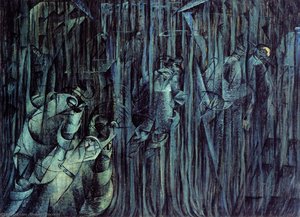
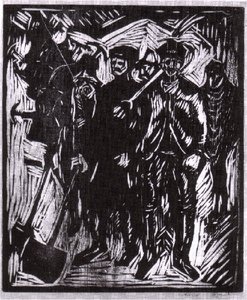
Umberto Boccioni’s "A Futurist Evening in Milan," painted in 1911, isn't merely a depiction of a city street; it’s a visceral embodiment of the Italian Futurists’ revolutionary vision. This dynamic monochrome print captures a fleeting moment of urban chaos and ecstatic energy – a snapshot of a society tearing down its traditions and embracing the intoxicating pulse of modernity. The painting immediately assaults the viewer with fragmented forms, overlapping planes, and a deliberate distortion of perspective, hallmarks of Boccioni's signature style and the core tenets of Futurism itself. It’s a work that demands attention, pulling you into its whirlwind of movement and challenging your perception of reality.
The scene unfolds within a darkened Milan street, populated by figures rendered with an almost caricature-like intensity. They are not portraits in the traditional sense; rather, they're distilled representations of human energy – dancers, performers, perhaps even revelers caught in a spontaneous celebration. Boccioni masterfully employs bold, angular lines to define these forms, creating a sense of fractured motion and suggesting that every surface is actively vibrating with unseen force. The composition isn’t anchored by a central focal point; instead, the eye is relentlessly drawn across the canvas, swept along by the currents of overlapping shapes and lines. This deliberate lack of stability mirrors the Futurists' rejection of static representation, favoring instead an emphasis on dynamism and the fleeting nature of experience.
The Language of Movement: Technique and Style
Boccioni’s technique is both precise and deliberately loose. The painting appears to be executed in ink or charcoal on paper, lending it a raw, immediate quality. Notice the varying densities of hatching – areas of intense shading create pockets of darkness, while lighter tones suggest highlights and open space. This textural layering contributes significantly to the sense of depth and movement within the image. The flattened perspective, a key element of Futurist aesthetics, further emphasizes this feeling of dynamism. Traditional spatial relationships are deliberately distorted, creating an illusion of simultaneous action and collapsing distance.
Crucially, the monochrome palette – shades of grey ranging from deepest black to pale white – amplifies the painting’s impact. The absence of color forces the viewer to focus entirely on form, line, and movement. It's a stark, almost brutal aesthetic choice that perfectly complements the chaotic subject matter. The use of geometric shapes—rectangles, triangles, and curves—is not merely decorative; they are integral to the painting’s structure, acting as building blocks for the overall composition and reinforcing the sense of fragmented dynamism.
A Symbol of a Changing World
“A Futurist Evening in Milan” is more than just a record of a specific scene; it's a potent symbol of the anxieties and aspirations of early 20th-century Europe. The Futurists, obsessed with speed, technology, and the destruction of the past, saw beauty in industrialization and the relentless march of progress. This painting captures that spirit perfectly – a celebration of urban life, but also an acknowledgment of its inherent chaos and disruption. The skeletal figures glimpsed within the scene can be interpreted as representing the dehumanizing effects of modernity, while the overall sense of frenetic energy suggests a society on the brink of transformation.
Consider, too, the influence of pre-Christian symbolism—the horse above the crowd evokes primal instincts and raw power. The painting isn’t simply depicting a party; it's exploring the fundamental questions of identity, community, and the human condition in an era defined by rapid change. It’s a work that continues to resonate today, prompting us to consider our own relationship with technology, speed, and the ever-shifting landscape of modern life.
Collecting the Energy: Reproduction Considerations
Reproductions of “A Futurist Evening in Milan” offer a remarkable opportunity to bring this dynamic artwork into your home or office. ArtsDot’s hand-painted reproductions meticulously recreate Boccioni's original techniques, capturing the nuances of his ink and charcoal style with exceptional fidelity. The choice of monochrome ensures that the painting’s inherent energy and visual impact are preserved, creating a striking statement piece that will undoubtedly become a focal point in any space.
When selecting a reproduction, pay attention to the level of detail and the accuracy of the tonal range. A high-quality print will faithfully reproduce Boccioni's deliberate use of hatching and shading, allowing you to fully appreciate the painting’s complex textures and layered composition. Ultimately, owning a reproduction of “A Futurist Evening in Milan” is not just acquiring an image; it’s gaining access to a powerful symbol of a transformative era in art history.
Ähnliche Kunstwerke
Über den Künstler
frühe Jahre und Ausbildung
umberto boccioni, ein bedeutender italienischer Maler und Bildhauer, wurde am 19. Oktober 1882 in Reggio Calabria, Italien, geboren. Durch den Job seines Vaters wurde es zu häufigen Umzügen durch Italien, was Boccionis frühes Leben beeinflusste. Mit 15 Jahren ließ er sich in Catania, Sizilien, nieder, wo er seine Schulausbildung beendete. Später zog er nach Rom, um an der Accademia di Belle Arti di Roma's scuola libera del nudo und unter Giovanni Mataloni, einem Künstler im Stil der Libertät für Plakate, zu studieren.Die Futuristenbewegung
Boccionis innovativer Ansatz zur Form und zum Zerfall von Masse hatte einen erheblichen Einfluss auf die Kunstwelt. Er wurde zum Haupttheoretiker der Futuristenbewegung und unterschrieb das Manifesto dei Pittori Futuristi ("Manifest der futuristischen Maler") im Jahr 1910. Seine Werke werden von vielen öffentlichen Kunstmuseen besichert, darunter eine umfangreiche Retrospektive im Metropolitan Museum of Art in New York City im Jahr 1988.Bedeutende Werke und Vermächtnis
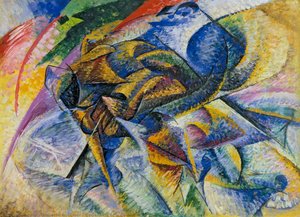
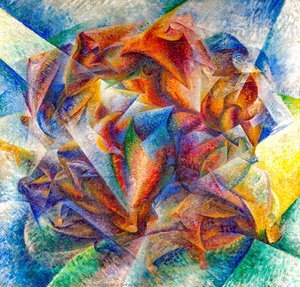
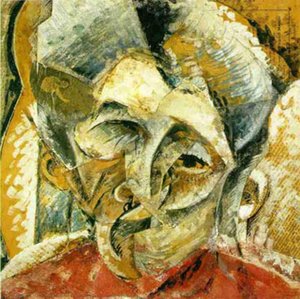
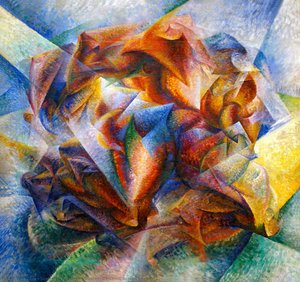
- Dynamik eines menschlichen Körpers (Futurismus, Öl auf Leinwand), ein Gemälde, das Boccionis einzigartigen Stil zeigt.
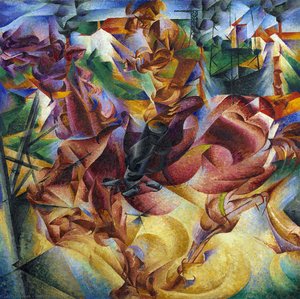
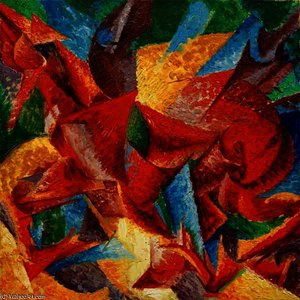
- Dimensionale Formen eines Pferdes (40 x 40 cm, Futurismus, Öl auf Leinwand), ein weiteres Beispiel für seinen innovativen Ansatz zur Form.
- Einzigartige Formen der Kontinuität im Raum (Futurismus, Bronze), eine Skulptur, die seinen Zerfall von fester Masse demonstriert.
Relevante Links von ArtsDot.com
- Gemälde von 'umberto boccioni' | umberto boccioni:dynamik eines menschlichen Körpers (Futurismus, Öl auf Leinwand,)
- Gemälde von 'umberto boccioni' | umberto boccioni:dimensionale Formen eines Pferdes (40 x 40 cm, Futurismus, Öl auf Leinwand,)
- Gemälde von 'umberto boccioni' | umberto boccioni:Löwen (Futurismus, Öl auf Leinwand,)
Wikipedia: umberto boccioni
umberto boccioni, ein einflussreicher italienischer Maler und Bildhauer. Er half, die revolutionäre Ästhetik der Futuristenbewegung als einer ihrer Hauptfiguren zu gestalten. Anmerkung: Dieser Artikel ist eine Übersetzung aus dem Italienischen, aber zu Analysezwecken wurde er ins Englische übersetzt. Die ursprüngliche Frage war auf Italienisch gestellt.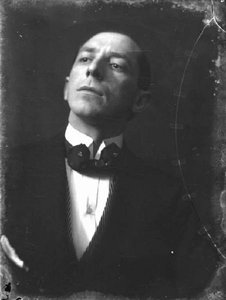
Umberto Boccioni
1882 - 1916 , Italien
Kurzinfos
- Beeinflusste Künstler:
- Giovanni Mataloni
- Giacomo Balla
- Bemerkenswerte Werke:
- Dynamismus eines Menschen
- Einzigartige Formen im Raum
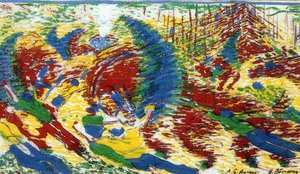
- Die Stadt erhebt sich
- Dimensionale Pferdeformen
- Geburtsdatum: 19. Oktober 1882
- Geburtsort: Reggio Calabria, Italien
- Künstlerische Bewegung: Futurismus
- Nationalität: Italienisch
- Sterbedatum: 1916
- Vollständiger Name: Umberto Boccioni
- Von Künstlern Beeinflusst:
- Divisionismus
- Kubismus
Ähnliche Artikel

Weiße Meisterwerke: Die Top 10 berühmtesten Gemälde und ihre zeitlose Eleganz
Entdecken Sie die Top 10 berühmter Gemälde, dominiert von Weiß! Von Malewitsch bis Rothko – erfahren Sie Geschichten hinter ikonischen Kunstwerke und lassen Sie sich für Ihre Wohnraumgestaltung inspirieren. Kunstreproduktionen in Museumsqualiät auf

Die Top 10 berühmter Gemälde im Reich der dunklen Töne |
Entdecken Sie die Top 10 berühmter Gemälde, beherrscht von dunklen Tönen! Von Caravaggio bis Manet – erfahren Sie die Geschichten hinter Meisterwerken der Kunstgeschichte. Finden Sie Ihre perfekte Reproduktion auf .

Monochrome Visions: Exploring the Aesthetic & Historical Significance of Black & White Photography
Explore the rich history & artistic power of black and white photography. From early techniques to iconic masters like Ansel Adams, discover why monochrome continues to captivate art lovers today. Expert insights for collectors.
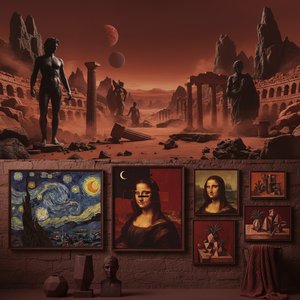
Die Top 10 Gemälde der Kunstgeschichte – Dominiert von tiefem Schwarz
Entdecken Sie die Top 10 Gemälde, die von tiefem Schwarz und dramatischer Atmosphäre geprägt sind. Von Caravaggio bis Manet – Kunstgeschichte erleben & hochwertige Reproduktionen auf finden! Jetzt entdecken.
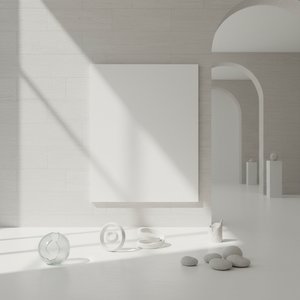
The Subtleties of White: Exploring Absence, Light & Symbolism in Art History
Explore the profound symbolism & history of white in art! From ancient purity to modern abstraction, discover how artists have used absence & light. Expert insights from ArtsDot.