 Vorschau anzeigen
 Versenden
 Teilen
 Details anzeigen

 Herunterladen
 Ähnliche Objekte
 Röntgenaufnahme
 Diashow
 Stats
StatsFactory Foltzer


 Weiterlesen
Giclée / Kunstdruck
Giclée- oder Leinwanddruck in Museumsqualität mit schneller Produktion und flexiblen Veredelungsoptionen. ( Handgemalte Reproduktion bestellen Switch to Digital Image)




P118B $10

P118H $10

P118W $10

P438Z $10

P508JH $12

P508YH $12

P805H $10

P805Z $10

P919BZ $10

P919G $10

P919XJ $10

P959ZH $10

P968JZ $12

W106C $8

W218G $10

W218JH $8

W218Y $10

W307PJ $10

W316G $10

W316PJ $8

W316Y $10

W398PJ $8

W4111J $10

W500HY $15

W500JH $15

W692G $12

W849H $8

W940BG $15

W953PJ $8




Wählen Sie aus unseren vordefinierten Formaten, die den ursprünglichen Proportionen des Kunstwerks entsprechen.

Sie können Ihre eigenen Maße eingeben, um ein bestimmtes Format oder einen speziellen Platz einzupassen. Wenn das von Ihnen gewählte Format nicht den Proportionen des Originalbildes entspricht, werden wir das Kunstwerk entweder beschneiden oder das Bild mit einem gespiegelten oder einfarbigen Rand erweitern. Ein digitaler Entwurf wird Ihnen zur Genehmigung zugesandt, bevor die Produktion beginnt.
Bitte beachten Sie, dass die Vorschau auf dem Bildschirm nicht den tatsächlichen Zuschnitt oder die Erweiterung widerspiegelt. Nur der Entwurf zeigt die endgültige Komposition präzise an.
Obwohl Sondermaße verfügbar sind, empfehlen wir die Auswahl eines Maßes aus der vordefinierten Liste, um die ursprünglichen Proportionen zu bewahren.
Weltweiter Versand () innerhalb von 2 Wochen statt der üblichen 4/5 Wochen. (8 September)

Kostenloser weltweiter Expressversand

Hochwertige Leinenleinwand

Umfassender Versicherungsschutz beim Versand

Zollgebühren-Rückerstattungsgarantie

Garantie für exakte Farbtreue

100-Tage-Rückgaberecht (nur bei Mängeln)

100% Geld-zurück-Garantie

Mengenrabatt verfügbar
 Die Glasoption ist nur für Größen unter 110 cm verfügbar.

Factory Foltzer
Giclée / Kunstdruck
Format der Reproduktion
-


Gesamtpreis
$ 62
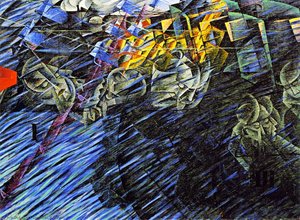
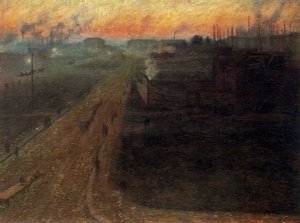
Umberto Boccioni’s “Factory Foltzer”: A Vision of Industrial Dynamism
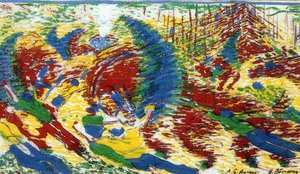
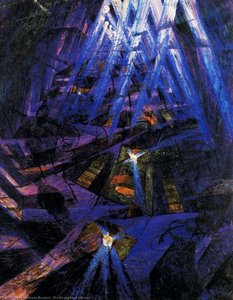
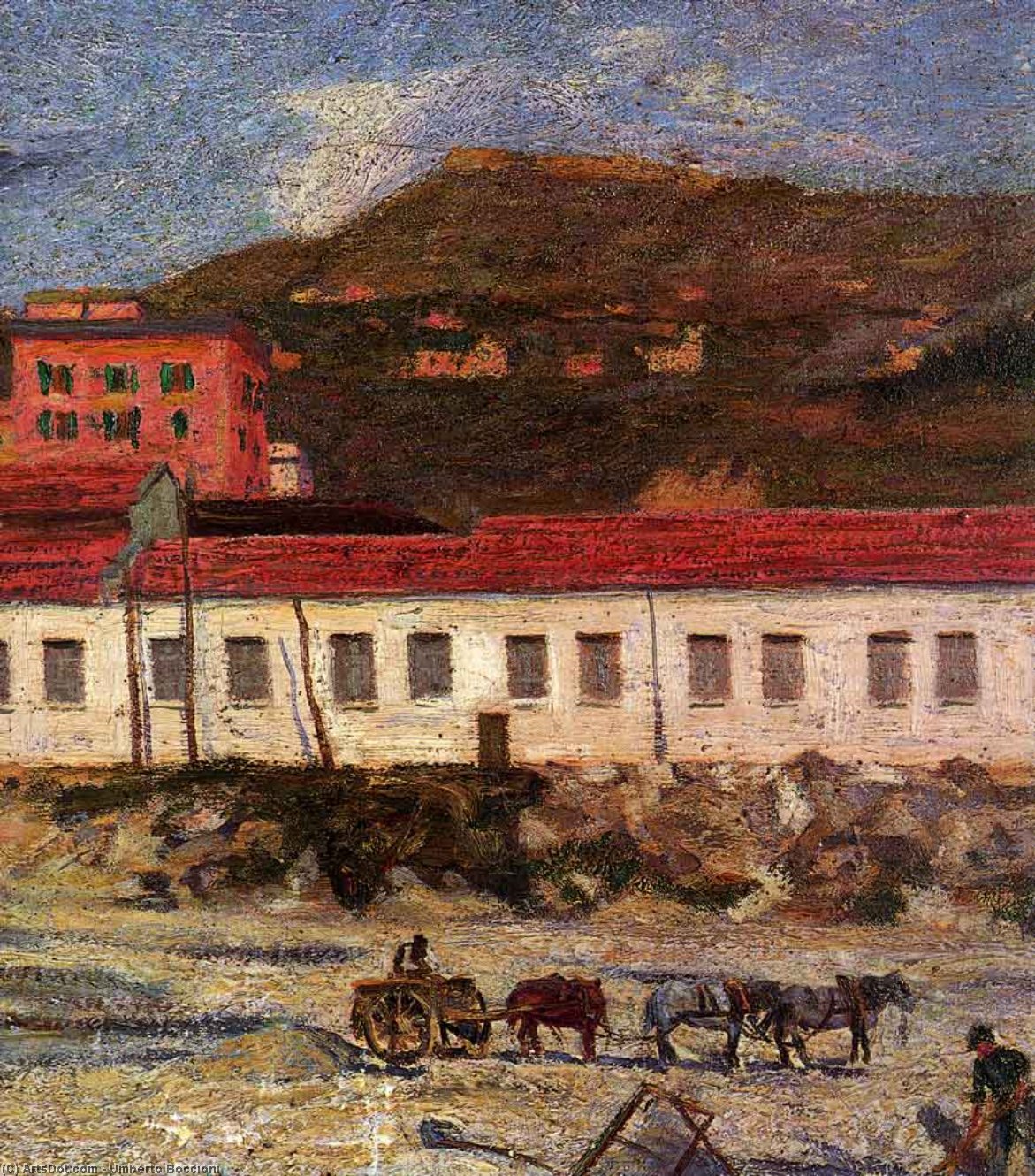
“Factory Foltzer,” painted in 1909 by the pioneering Futurist artist Umberto Boccioni, is a captivating and unsettling glimpse into a potential future – one dominated by industry and propelled by relentless motion. This artwork, depicting a scene of individuals traversing a vast industrial complex on horseback, immediately confronts the viewer with a jarring juxtaposition: the timeless image of equestrian travel colliding with the burgeoning machinery of the early 20th century. The painting’s raw energy and distorted perspective are hallmarks of Boccioni's embrace of Futurism, a movement that sought to capture not just appearances but the very essence of speed, technology, and urban life.
- Subject Matter: The central subject is a bustling factory or industrial facility, rendered with an almost chaotic intensity. Riders on horseback navigate this space alongside a wagon, suggesting a complex system of transport and labor within the facility.
- Style & Technique: Boccioni’s brushwork is deliberately fragmented and dynamic, reflecting the Futurist desire to represent movement and energy. The figures are not depicted with traditional realism but rather as flattened planes of color and form, conveying a sense of acceleration and disruption. Notice the use of bold, contrasting colors – particularly the striking red roofs – which further amplify the painting’s dramatic effect.
Historical Context: Futurism and the Dawn of Modernity
Painted in 1909, “Factory Foltzer” emerged during a period of profound social and technological change in Italy. The rise of industrialization, coupled with the fervor surrounding advancements in transportation – particularly automobiles and airplanes – fueled the Futurist movement’s core tenets. Led by Filippo Tommaso Marinetti, Futurists vehemently rejected traditional artistic values, celebrating speed, violence, technology, and the dynamism of modern life. Boccioni, a key figure within this revolutionary group, sought to translate these ideas onto canvas, creating works that were deliberately provocative and challenging.
- Futurist Ideology: The painting embodies the Futurist belief in embracing the future, rejecting the past’s artistic conventions.
- Industrialization's Influence: It reflects the growing importance of factories and industrial labor in Italian society at the time.
Symbolism and Interpretation
Beyond its depiction of a specific scene, “Factory Foltzer” is laden with symbolic meaning. The horses themselves can be interpreted as representing a stubborn resistance to progress – a nostalgic connection to a simpler past – while the factory signifies the relentless march forward into an industrialized future. The wagon suggests a system of control and organization within this chaotic environment. The overall composition evokes a sense of unease, prompting questions about humanity’s relationship with technology and its potential consequences.
Emotional Impact: The painting's distorted perspective and frenetic energy create a powerful emotional response, conveying a feeling of disorientation, urgency, and perhaps even anxiety. It is a visceral representation of the anxieties and excitement surrounding rapid technological advancement.Artistic Significance & Reproduction
Umberto Boccioni’s “Factory Foltzer” stands as a pivotal work in the history of modern art, demonstrating the radical experimentation and innovative spirit of the Futurist movement. ArtsDot.com is proud to offer meticulously crafted hand-painted reproductions of this iconic artwork, allowing you to experience its power and beauty firsthand. Our skilled artisans employ traditional techniques to faithfully recreate Boccioni’s original vision, ensuring that each reproduction captures the dynamism, color, and emotional intensity of the piece. Whether for your home, office, or collection, a ArtsDot.com reproduction of “Factory Foltzer” is an investment in art history and a testament to the enduring legacy of Umberto Boccioni.
Ähnliche Kunstwerke
Über den Künstler
frühe Jahre und Ausbildung
umberto boccioni, ein bedeutender italienischer Maler und Bildhauer, wurde am 19. Oktober 1882 in Reggio Calabria, Italien, geboren. Durch den Job seines Vaters wurde es zu häufigen Umzügen durch Italien, was Boccionis frühes Leben beeinflusste. Mit 15 Jahren ließ er sich in Catania, Sizilien, nieder, wo er seine Schulausbildung beendete. Später zog er nach Rom, um an der Accademia di Belle Arti di Roma's scuola libera del nudo und unter Giovanni Mataloni, einem Künstler im Stil der Libertät für Plakate, zu studieren.Die Futuristenbewegung
Boccionis innovativer Ansatz zur Form und zum Zerfall von Masse hatte einen erheblichen Einfluss auf die Kunstwelt. Er wurde zum Haupttheoretiker der Futuristenbewegung und unterschrieb das Manifesto dei Pittori Futuristi ("Manifest der futuristischen Maler") im Jahr 1910. Seine Werke werden von vielen öffentlichen Kunstmuseen besichert, darunter eine umfangreiche Retrospektive im Metropolitan Museum of Art in New York City im Jahr 1988.Bedeutende Werke und Vermächtnis
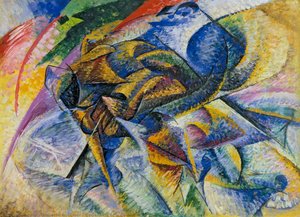
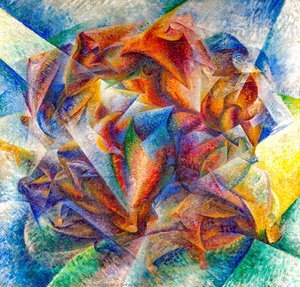
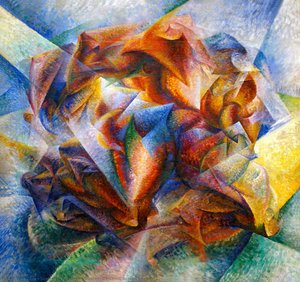
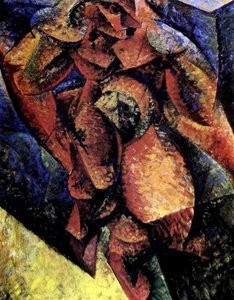
- Dynamik eines menschlichen Körpers (Futurismus, Öl auf Leinwand), ein Gemälde, das Boccionis einzigartigen Stil zeigt.
- Dimensionale Formen eines Pferdes (40 x 40 cm, Futurismus, Öl auf Leinwand), ein weiteres Beispiel für seinen innovativen Ansatz zur Form.
- Einzigartige Formen der Kontinuität im Raum (Futurismus, Bronze), eine Skulptur, die seinen Zerfall von fester Masse demonstriert.
Relevante Links von ArtsDot.com
- Gemälde von 'umberto boccioni' | umberto boccioni:dynamik eines menschlichen Körpers (Futurismus, Öl auf Leinwand,)
- Gemälde von 'umberto boccioni' | umberto boccioni:dimensionale Formen eines Pferdes (40 x 40 cm, Futurismus, Öl auf Leinwand,)
- Gemälde von 'umberto boccioni' | umberto boccioni:Löwen (Futurismus, Öl auf Leinwand,)
Wikipedia: umberto boccioni
umberto boccioni, ein einflussreicher italienischer Maler und Bildhauer. Er half, die revolutionäre Ästhetik der Futuristenbewegung als einer ihrer Hauptfiguren zu gestalten. Anmerkung: Dieser Artikel ist eine Übersetzung aus dem Italienischen, aber zu Analysezwecken wurde er ins Englische übersetzt. Die ursprüngliche Frage war auf Italienisch gestellt.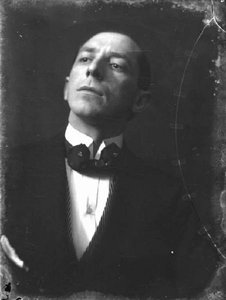
Umberto Boccioni
1882 - 1916 , Italien
Kurzinfos
- Beeinflusste Künstler:
- Giovanni Mataloni
- Giacomo Balla
- Bemerkenswerte Werke:
- Dynamismus eines Menschen
- Einzigartige Formen im Raum
- Die Stadt erhebt sich
- Dimensionale Pferdeformen
- Geburtsdatum: 19. Oktober 1882
- Geburtsort: Reggio Calabria, Italien
- Künstlerische Bewegung: Futurismus
- Nationalität: Italienisch
- Sterbedatum: 1916
- Vollständiger Name: Umberto Boccioni
- Von Künstlern Beeinflusst:
- Divisionismus
- Kubismus
Ähnliche Artikel

Crimson Threads of Narrative: Exploring Symbolism & Representation in Artworks Featuring the Red Dress
Explore the rich symbolism of the red dress in art history! From ancient power displays to iconic portraits like Cézanne’s 'Madame Cezanne', discover the cultural and artistic significance behind this captivating color. Expert analysis & insights.
The Noble Steed on Canvas: A Historical & Artistic Exploration of Horse Painting Across Cultures
Explore the rich history of horse painting! Discover masterpieces from Stubbs to Munnings & learn about symbolism, techniques & artists. Find museum-quality reproductions at ArtsDot.

Umberto Boccioni: Dynamismus, Futuristische Ideale und die Evolution der modernen Skulptur
Entdecken Sie Umberto Boccionis revolutionäre Skulpturen und die Ideale des Futurismus! Analysieren wir Leben, Werk und den Einfluss dieser Avantgarde-Bewegung auf die moderne Kunstgeschichte. Jetzt lesen!
The Noble Steed: A Historical and Artistic Exploration of Horses in Fine Art
Explore the rich history of horses in fine art! From ancient depictions to Renaissance masterpieces & beyond, discover iconic artworks and artists. Learn about symbolism, techniques, and find museum-quality reproductions at ArtsDot.
The Equine Muse: A Historical & Artistic Exploration of Horses in Painting
Explore the captivating history of horses in painting! Discover Renaissance masterpieces, Baroque grandeur & expert insights for collecting equestrian art. Learn about symbolism, techniques & lasting value with ArtsDot.