 Vorschau anzeigen
 Versenden
 Teilen
 Details anzeigen

 Herunterladen
 Ähnliche Objekte
 Röntgenaufnahme
 Diashow
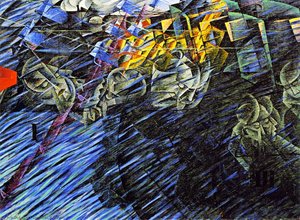
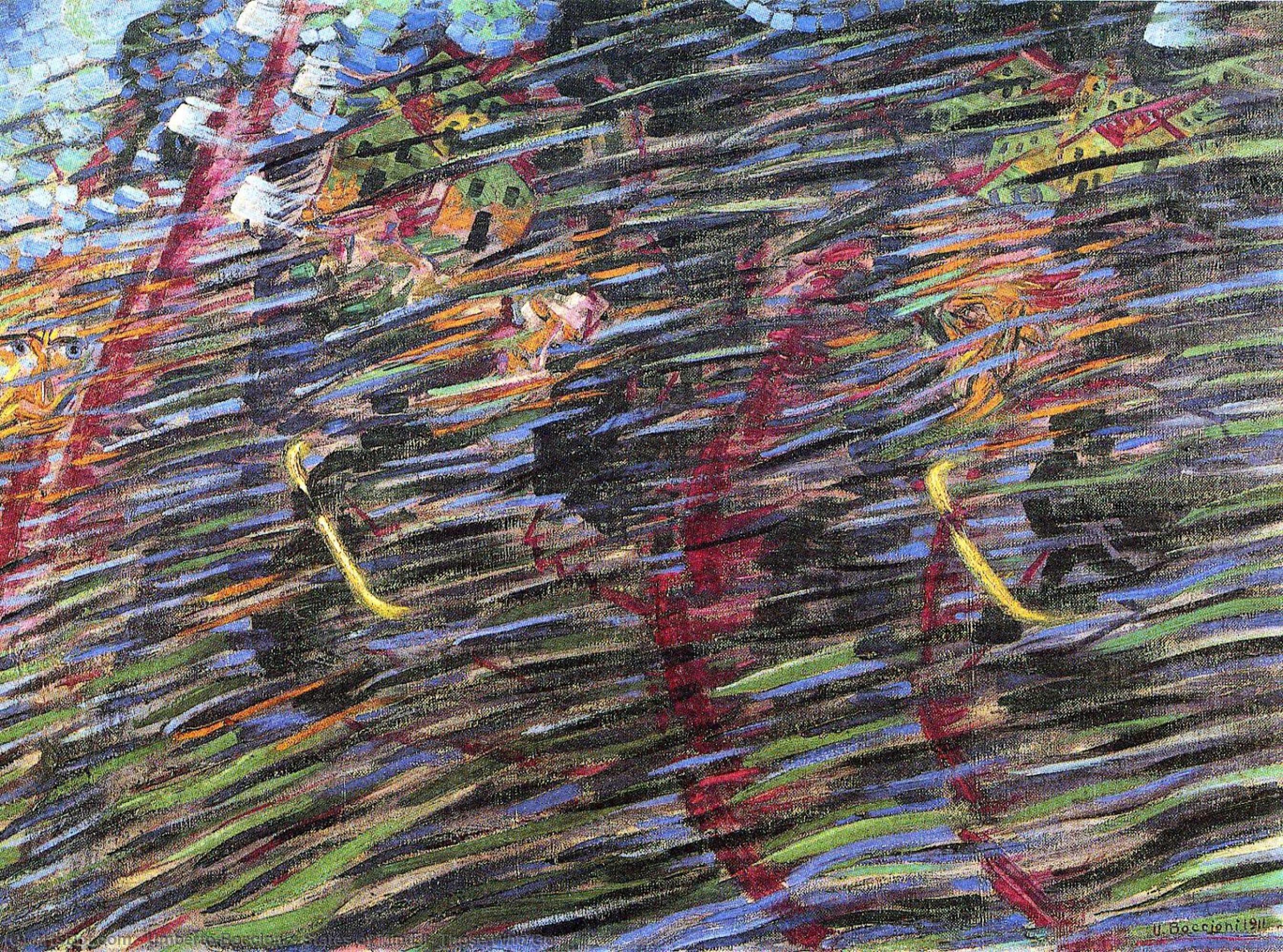
States of Mind II: Those Who Go


 Weiterlesen
Handgefertigte Ölreproduktion
Handgemaltes Ölgemälde auf Leinwand in Ihrer Wunschgröße und mit Rahmen, auf Bestellung von unseren Künstlern angefertigt. ( Druck bestellen Bild kaufen)




P118B $10

P118H $10

P118W $10

P438Z $10

P508JH $12

P508YH $12

P805H $10

P805Z $10

P919BZ $10

P919G $10

P919XJ $10

P959ZH $10

P968JZ $12

W106C $8

W218G $10

W218JH $8

W218Y $10

W307PJ $10

W316G $10

W316PJ $8

W316Y $10

W398PJ $8

W4111J $10

W500HY $15

W500JH $15

W692G $12

W849H $8

W940BG $15

W953PJ $8




Wählen Sie aus unseren vordefinierten Formaten, die den ursprünglichen Proportionen des Kunstwerks entsprechen.

Sie können Ihre eigenen Maße eingeben, um einen bestimmten Rahmen oder Platz auszufüllen. Wenn die gewählte Größe nicht den Proportionen des Originalbildes entspricht, werden wir das Kunstwerk entweder beschneiden oder das Gemälde durch zusätzliche, handgemalte Elemente erweitern. Ein digitales Mockup wird Ihnen zur Genehmigung zugesandt, bevor die Produktion beginnt.
Bitte beachten Sie, dass die Bildschirmvorschau nicht die tatsächliche Beschneidung oder Erweiterung widerspiegelt. Nur das Mockup zeigt die endgültige Komposition exakt an.
Obwohl Sondermaße verfügbar sind, empfehlen wir, eine Größe aus der vordefinierten Liste zu wählen, um die ursprünglichen Proportionen beizubehalten.
Nach der Bestellung wird das ArtsDot.com-Team dem Kunden Anweisungen per E-Mail zusenden und eine Mockup-Vorschau bereitstellen.
Weltweiter Versand () in nur 3 bis 4 Wochen statt der üblichen 5 Wochen. (25 August). Keine Kompromisse bei der Qualität.

Kostenloser weltweiter Expressversand

Hochwertige Leinenleinwand

Umfassender Versicherungsschutz beim Versand

Zollgebühren-Rückerstattungsgarantie

Garantie für exakte Farbtreue

60 Tage Rückgaberecht (nur bei Mängeln)

100% Geld-zurück-Garantie

Mengenrabatt verfügbar
 Die Glasoption ist nur für Größen unter 110 cm verfügbar.

States of Mind II: Those Who Go
Art der Reproduktion
Format der Reproduktion
-


Gesamtpreis
$ 263
Beschreibung des Kunstwerks
States of Mind II: Those Who Go – A Chronicle of Futurist Intensity
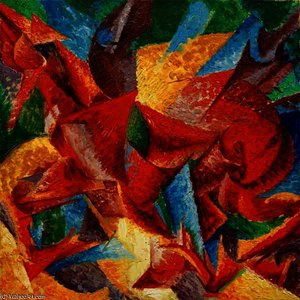
Umberto Boccioni’s “States of Mind II: Those Who Go,” painted in 1911, is more than a depiction of four riders battling a tempestuous sky; it's a visceral embodiment of the Futurist movement’s core tenets. Born from a desire to reject the perceived stagnation of traditional art and embrace the dynamism of the burgeoning industrial age, Futurism sought to capture not just what things *looked* like, but how they *felt* – specifically, the exhilarating rush of speed, motion, and technological advancement. This painting, rendered in oil on canvas with remarkable technical skill, achieves this ambition with a raw intensity rarely seen before or since.
- Subject Matter: The scene depicts four figures, presumably men, engaged in a perilous equestrian journey through a violent storm. Their horses are not merely subjects of the painting; they are integral to conveying the sense of unrestrained movement and power.
- Style & Technique: Boccioni’s approach aligns perfectly with Futurist principles. He employs fragmented forms, distorted perspectives, and a deliberate lack of traditional representational accuracy to emphasize speed and energy. The brushstrokes themselves seem to vibrate with motion, contributing to the overall sense of dynamism. Notice how the figures are not neatly delineated but rather suggested through overlapping planes and blurred edges.
- Color Palette: The predominantly dark color scheme – deep reds, greens, blues, and yellows – amplifies the drama and contributes to the painting’s emotional impact. These colors aren't used for descriptive realism; instead, they are employed strategically to heighten the sense of urgency and chaos.
Historical Context: The Rise of Futurism
“States of Mind II” was created during a pivotal moment in Italian art history – the birth of Futurism. Founded by Filippo Tommaso Marinetti in 1909, this movement championed machines, speed, violence, and the rejection of all things old and established. The Futurist manifesto declared war on museums, historical monuments, and anything that represented the past. Boccioni was a key figure in this revolutionary group, and his work reflects their desire to capture the spirit of modernity – a world defined by rapid industrialization, technological innovation, and a sense of exhilarating change.
The painting’s creation coincided with a period of intense social and political upheaval in Europe. The rise of nationalism, the growth of cities, and the increasing influence of technology were all contributing to a feeling of instability and uncertainty. Boccioni's work can be seen as an attempt to grapple with these anxieties by celebrating the potential for progress and transformation.
Symbolism & Emotional Impact
The image’s power lies not just in its technical execution but also in its symbolic resonance. The riders, struggling against the storm, represent humanity's relentless pursuit of progress – a willingness to confront challenges head-on, even when faced with overwhelming odds. The turbulent sky mirrors the inner turmoil and anxieties of the era, while the horses symbolize strength, power, and the untamed forces of nature.
“States of Mind II: Those Who Go” evokes a profound sense of drama, urgency, and resilience. It’s a painting that demands attention, forcing the viewer to confront the raw emotions of struggle and determination. The work's emotional impact is further heightened by Boccioni's masterful use of color and composition.
A Legacy of Dynamic Art
Umberto Boccioni’s “States of Mind II: Those Who Go” stands as a seminal work in the history of modern art. It exemplifies the Futurist movement’s radical experimentation with form, color, and perspective, paving the way for subsequent generations of artists to explore new ways of representing the world around them. This painting is not merely a beautiful image; it's a powerful statement about the human condition – our capacity for both destruction and creation, our relentless pursuit of progress, and our enduring struggle against adversity.
Ähnliche Kunstwerke

Über den Künstler
frühe Jahre und Ausbildung
umberto boccioni, ein bedeutender italienischer Maler und Bildhauer, wurde am 19. Oktober 1882 in Reggio Calabria, Italien, geboren. Durch den Job seines Vaters wurde es zu häufigen Umzügen durch Italien, was Boccionis frühes Leben beeinflusste. Mit 15 Jahren ließ er sich in Catania, Sizilien, nieder, wo er seine Schulausbildung beendete. Später zog er nach Rom, um an der Accademia di Belle Arti di Roma's scuola libera del nudo und unter Giovanni Mataloni, einem Künstler im Stil der Libertät für Plakate, zu studieren.Die Futuristenbewegung
Boccionis innovativer Ansatz zur Form und zum Zerfall von Masse hatte einen erheblichen Einfluss auf die Kunstwelt. Er wurde zum Haupttheoretiker der Futuristenbewegung und unterschrieb das Manifesto dei Pittori Futuristi ("Manifest der futuristischen Maler") im Jahr 1910. Seine Werke werden von vielen öffentlichen Kunstmuseen besichert, darunter eine umfangreiche Retrospektive im Metropolitan Museum of Art in New York City im Jahr 1988.Bedeutende Werke und Vermächtnis
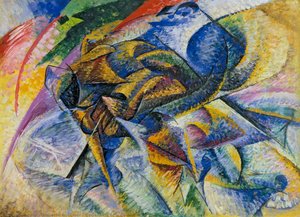
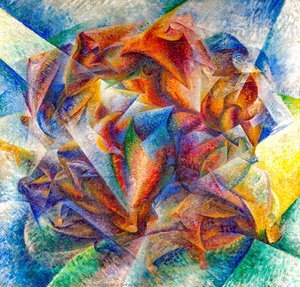
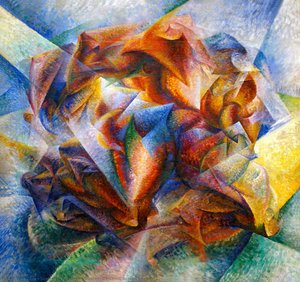
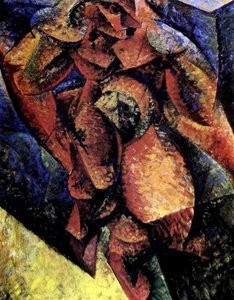
- Dynamik eines menschlichen Körpers (Futurismus, Öl auf Leinwand), ein Gemälde, das Boccionis einzigartigen Stil zeigt.
- Dimensionale Formen eines Pferdes (40 x 40 cm, Futurismus, Öl auf Leinwand), ein weiteres Beispiel für seinen innovativen Ansatz zur Form.
- Einzigartige Formen der Kontinuität im Raum (Futurismus, Bronze), eine Skulptur, die seinen Zerfall von fester Masse demonstriert.
Relevante Links von ArtsDot.com
- Gemälde von 'umberto boccioni' | umberto boccioni:dynamik eines menschlichen Körpers (Futurismus, Öl auf Leinwand,)
- Gemälde von 'umberto boccioni' | umberto boccioni:dimensionale Formen eines Pferdes (40 x 40 cm, Futurismus, Öl auf Leinwand,)
- Gemälde von 'umberto boccioni' | umberto boccioni:Löwen (Futurismus, Öl auf Leinwand,)
Wikipedia: umberto boccioni
umberto boccioni, ein einflussreicher italienischer Maler und Bildhauer. Er half, die revolutionäre Ästhetik der Futuristenbewegung als einer ihrer Hauptfiguren zu gestalten. Anmerkung: Dieser Artikel ist eine Übersetzung aus dem Italienischen, aber zu Analysezwecken wurde er ins Englische übersetzt. Die ursprüngliche Frage war auf Italienisch gestellt.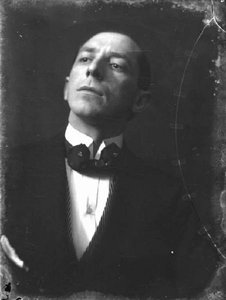
Umberto Boccioni
1882 - 1916 , Italien
Kurzinfos
- Beeinflusste Künstler:
- Giovanni Mataloni
- Giacomo Balla
- Bemerkenswerte Werke:
- Dynamismus eines Menschen
- Einzigartige Formen im Raum
- Die Stadt erhebt sich
- Dimensionale Pferdeformen
- Geburtsdatum: 19. Oktober 1882
- Geburtsort: Reggio Calabria, Italien
- Künstlerische Bewegung: Futurismus
- Nationalität: Italienisch
- Sterbedatum: 1916
- Vollständiger Name: Umberto Boccioni
- Von Künstlern Beeinflusst:
- Divisionismus
- Kubismus
Ähnliche Artikel

The Enduring Legacy of Oil on Canvas: Technique, History & Aesthetic Impact
Explore the rich history & techniques of oil painting – from Renaissance masters to Impressionism. Discover pigments, layering methods, and why this timeless medium endures. Expert insights for artists & art enthusiasts.

Öl auf Leinwand: Eine historische und technische Erkundung eines zeitlosen künstlerischen Mediums
Entdecken Sie die faszinierende Welt der Ölmalerei! Von historischen Techniken bis zur modernen Anwendung – wir bieten Expertenwissen, Restaurierungstipps und hochwertige Reproduktionen. Jetzt informieren!

Das bleibende Erbe der Ölmalerei: Technik, Geschichte und zeitgenössische Praxis
Entdecken Sie die faszinierende Geschichte der Ölmalerei – von den frühen Techniken bis zur modernen Kunst. Expertenwissen, detaillierte Analysen und Inspiration für Sammler & Kunstliebhaber.
Öl auf Leinwand: Die 10 Meisterwerke, die Kunst für immer veränderten |
Entdecken Sie die 10 legendärsten Öl auf Leinwand Meisterwerke! Von Van Gogh bis Monet – erfahren Sie die Geschichten hinter ikonischen Gemälden und lassen Sie sich von Kunstgeschichte inspirieren. Hochwertige Reproduktionen für Ihr Zuhause finden Sie auf .

The Enduring Power of Painting: A Historical & Contemporary Exploration of Form and Emotion
Explore the rich history & enduring techniques of oil painting with ArtsDot. Discover masterpieces, learn about art collecting, and find authentic handmade reproductions crafted by skilled artists.