 Vorschau anzeigen
 Versenden
 Teilen
 Details anzeigen

 Herunterladen
 Ähnliche Objekte
 Röntgenaufnahme
 Diashow
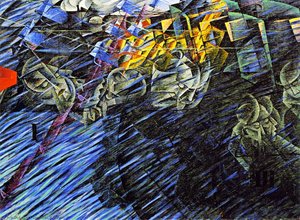
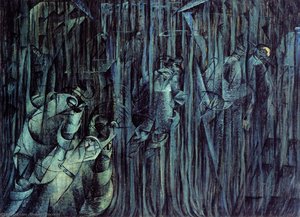
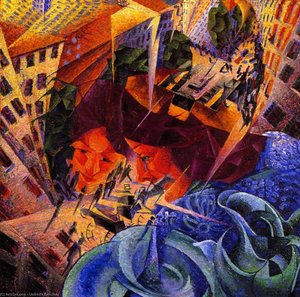
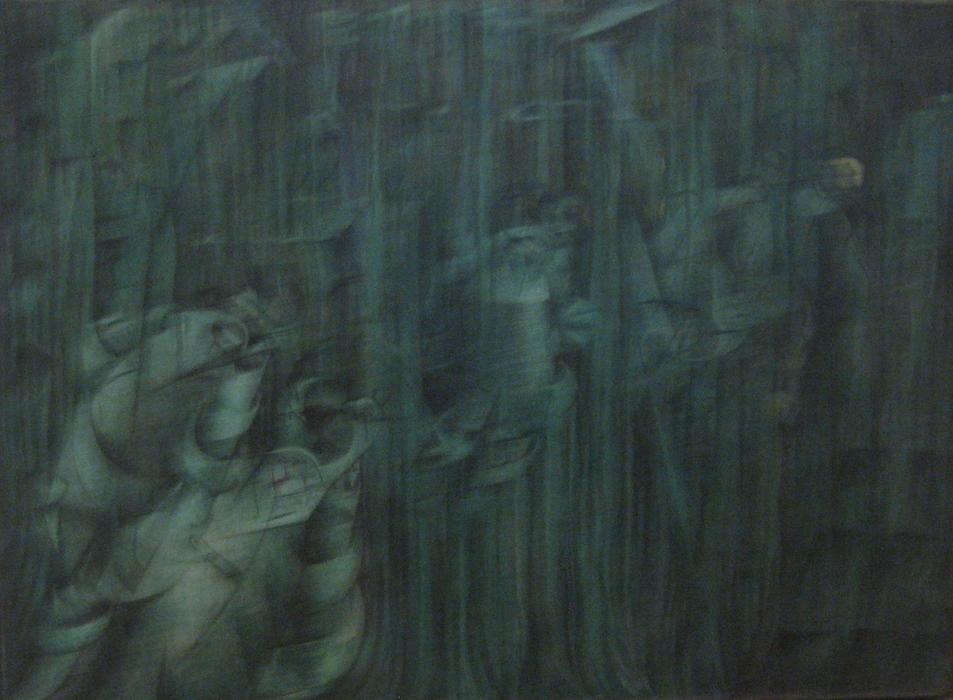
States of Mind III: Those Who Stay


 Weiterlesen
Handgefertigte Ölreproduktion
Handgemaltes Ölgemälde auf Leinwand in Ihrer Wunschgröße und mit Rahmen, auf Bestellung von unseren Künstlern angefertigt. ( Druck bestellen Bild kaufen)




P118B $10

P118H $10

P118W $10

P438Z $10

P508JH $12

P508YH $12

P805H $10

P805Z $10

P919BZ $10

P919G $10

P919XJ $10

P959ZH $10

P968JZ $12

W106C $8

W218G $10

W218JH $8

W218Y $10

W307PJ $10

W316G $10

W316PJ $8

W316Y $10

W398PJ $8

W4111J $10

W500HY $15

W500JH $15

W692G $12

W849H $8

W940BG $15

W953PJ $8




Wählen Sie aus unseren vordefinierten Formaten, die den ursprünglichen Proportionen des Kunstwerks entsprechen.

Sie können Ihre eigenen Maße eingeben, um einen bestimmten Rahmen oder Platz auszufüllen. Wenn die gewählte Größe nicht den Proportionen des Originalbildes entspricht, werden wir das Kunstwerk entweder beschneiden oder das Gemälde durch zusätzliche, handgemalte Elemente erweitern. Ein digitales Mockup wird Ihnen zur Genehmigung zugesandt, bevor die Produktion beginnt.
Bitte beachten Sie, dass die Bildschirmvorschau nicht die tatsächliche Beschneidung oder Erweiterung widerspiegelt. Nur das Mockup zeigt die endgültige Komposition exakt an.
Obwohl Sondermaße verfügbar sind, empfehlen wir, eine Größe aus der vordefinierten Liste zu wählen, um die ursprünglichen Proportionen beizubehalten.
Nach der Bestellung wird das ArtsDot.com-Team dem Kunden Anweisungen per E-Mail zusenden und eine Mockup-Vorschau bereitstellen.
Weltweiter Versand () in nur 3 bis 4 Wochen statt der üblichen 5 Wochen. (26 August). Keine Kompromisse bei der Qualität.

Kostenloser weltweiter Expressversand

Hochwertige Leinenleinwand

Umfassender Versicherungsschutz beim Versand

Zollgebühren-Rückerstattungsgarantie

Garantie für exakte Farbtreue

60 Tage Rückgaberecht (nur bei Mängeln)

100% Geld-zurück-Garantie

Mengenrabatt verfügbar
 Die Glasoption ist nur für Größen unter 110 cm verfügbar.

States of Mind III: Those Who Stay
Art der Reproduktion
Format der Reproduktion
-


Gesamtpreis
$ 263
Beschreibung des Kunstwerks
States of Mind III: Those Who Stay - A Futurist Echo in Desert Silence
The painting “States of Mind III: Those Who Stay,” created by Umberto Boccioni in 1911, isn’t merely a depiction of a train station; it's an embodiment of Futurism’s core philosophy—a visceral exploration of movement and psychological fragmentation against the backdrop of a desolate landscape. Captured on canvas with oil paints, this monumental artwork stands as one of Boccioni’s most iconic pieces, reflecting his profound engagement with the anxieties and exhilarations of modernity. The Museo di Arte Moderna in Milan houses the original, offering visitors an unparalleled opportunity to experience firsthand the artist's revolutionary vision.- Composition & Technique: Boccioni employed a dynamic compositional strategy—diagonal lines dominate, conveying a sense of relentless progression and instability. He utilized a technique known as “Spazialismo,” or Spatialism, which aimed to transcend traditional perspective by fracturing the image into multiple planes simultaneously. This approach mirrored Futurists’ rejection of academic conventions and their desire to represent reality as experienced in motion.
- Historical Context: Futurism emerged from Italy at the dawn of the 20th century, fueled by a fervent belief in technological advancement and an outrage against bourgeois morality. Filippo Tommaso Marinetti's manifesto galvanized artists like Boccioni to embrace speed, violence, and industrial culture as sources of artistic inspiration. The painting reflects this broader cultural preoccupation with dynamism and disruption—a reaction to the perceived stagnation of Victorian society.
- Symbolism & Emotion: Beyond its formal elements, “States of Mind III” resonates with powerful emotional undertones. The train station symbolizes departure and transition, mirroring the psychological state depicted by Boccioni – loneliness, anguish, and dazed confusion. Vertical lines convey the weight of sadness carried by those left behind, highlighting the painting's melancholic core.
- Color Palette: The artwork’s subdued color palette—primarily dominated by blues—contributes to its moodiness and reinforces the sense of isolation. These hues evoke a feeling of emptiness and reinforce the overarching theme of psychological fragmentation.
A Pioneer of Spatialism – Boccioni's Innovative Approach
Boccioni’s groundbreaking Spatialismo technique represents a radical departure from Impressionist perspective, prioritizing the viewer’s sensory experience over illusionistic representation. By fracturing the image into multiple planes—a deliberate rejection of traditional linear perspective—he sought to capture not just what was seen but how it *felt*. This method anticipated developments in abstract art decades later and cemented Boccioni's position as a visionary innovator. The meticulous layering of paint demonstrates his dedication to conveying depth and complexity, mirroring the multifaceted nature of human emotion.Beyond Representation – Exploring Psychological Depth
“States of Mind III” transcends mere visual depiction; it delves into the realm of psychological exploration—a hallmark of Futurism’s artistic ambition. Boccioni wasn't interested in portraying a static scene but rather capturing the fleeting, turbulent emotions associated with moments of transition and loss. The painting compels viewers to confront uncomfortable truths about human experience and invites contemplation on themes of alienation and disorientation. It stands as a testament to Boccioni’s belief that art should engage not just the eye but also the intellect and the soul—a legacy that continues to inspire artists today.A Legacy Enduring – Influence & Reproduction Value
Umberto Boccioni's influence extends far beyond his own lifetime, shaping the trajectory of modern sculpture and inspiring generations of artists. The Museo di Arte Moderna’s exhibition in 1988 solidified his reputation as a pivotal figure in Futurist art history, attracting considerable scholarly attention. Today, high-quality reproductions of “States of Mind III” are sought after by collectors and interior designers alike—a testament to the painting's enduring aesthetic appeal and its ability to evoke profound emotional responses. Its striking composition and masterful technique continue to captivate audiences worldwide.Ähnliche Kunstwerke
Über den Künstler
frühe Jahre und Ausbildung
umberto boccioni, ein bedeutender italienischer Maler und Bildhauer, wurde am 19. Oktober 1882 in Reggio Calabria, Italien, geboren. Durch den Job seines Vaters wurde es zu häufigen Umzügen durch Italien, was Boccionis frühes Leben beeinflusste. Mit 15 Jahren ließ er sich in Catania, Sizilien, nieder, wo er seine Schulausbildung beendete. Später zog er nach Rom, um an der Accademia di Belle Arti di Roma's scuola libera del nudo und unter Giovanni Mataloni, einem Künstler im Stil der Libertät für Plakate, zu studieren.Die Futuristenbewegung
Boccionis innovativer Ansatz zur Form und zum Zerfall von Masse hatte einen erheblichen Einfluss auf die Kunstwelt. Er wurde zum Haupttheoretiker der Futuristenbewegung und unterschrieb das Manifesto dei Pittori Futuristi ("Manifest der futuristischen Maler") im Jahr 1910. Seine Werke werden von vielen öffentlichen Kunstmuseen besichert, darunter eine umfangreiche Retrospektive im Metropolitan Museum of Art in New York City im Jahr 1988.Bedeutende Werke und Vermächtnis
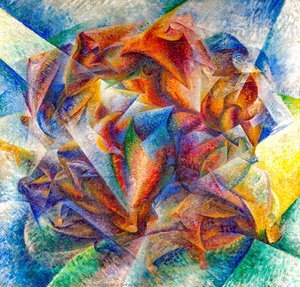
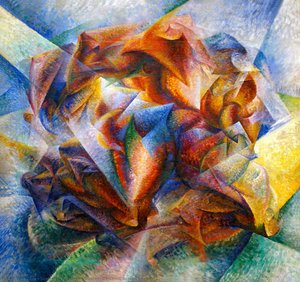
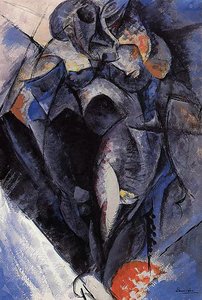
- Dynamik eines menschlichen Körpers (Futurismus, Öl auf Leinwand), ein Gemälde, das Boccionis einzigartigen Stil zeigt.
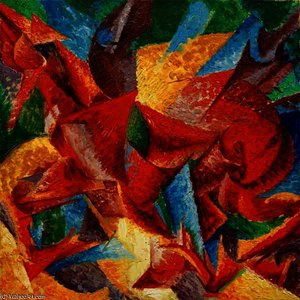
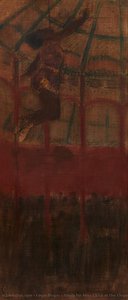
- Dimensionale Formen eines Pferdes (40 x 40 cm, Futurismus, Öl auf Leinwand), ein weiteres Beispiel für seinen innovativen Ansatz zur Form.
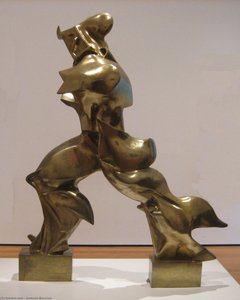
- Einzigartige Formen der Kontinuität im Raum (Futurismus, Bronze), eine Skulptur, die seinen Zerfall von fester Masse demonstriert.
Relevante Links von ArtsDot.com
- Gemälde von 'umberto boccioni' | umberto boccioni:dynamik eines menschlichen Körpers (Futurismus, Öl auf Leinwand,)
- Gemälde von 'umberto boccioni' | umberto boccioni:dimensionale Formen eines Pferdes (40 x 40 cm, Futurismus, Öl auf Leinwand,)
- Gemälde von 'umberto boccioni' | umberto boccioni:Löwen (Futurismus, Öl auf Leinwand,)
Wikipedia: umberto boccioni
umberto boccioni, ein einflussreicher italienischer Maler und Bildhauer. Er half, die revolutionäre Ästhetik der Futuristenbewegung als einer ihrer Hauptfiguren zu gestalten. Anmerkung: Dieser Artikel ist eine Übersetzung aus dem Italienischen, aber zu Analysezwecken wurde er ins Englische übersetzt. Die ursprüngliche Frage war auf Italienisch gestellt.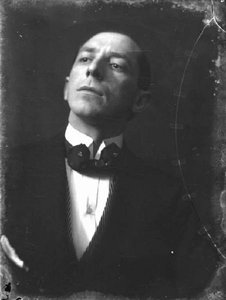
Umberto Boccioni
1882 - 1916 , Italien
Kurzinfos
- Beeinflusste Künstler:
- Giovanni Mataloni
- Giacomo Balla
- Bemerkenswerte Werke:
- Dynamismus eines Menschen
- Einzigartige Formen im Raum
- Die Stadt erhebt sich
- Dimensionale Pferdeformen
- Geburtsdatum: 19. Oktober 1882
- Geburtsort: Reggio Calabria, Italien
- Künstlerische Bewegung: Futurismus
- Nationalität: Italienisch
- Sterbedatum: 1916
- Vollständiger Name: Umberto Boccioni
- Von Künstlern Beeinflusst:
- Divisionismus
- Kubismus
Ähnliche Artikel

Umberto Boccioni: Dynamismus, Futuristische Ideale und die Evolution der modernen Skulptur
Entdecken Sie Umberto Boccionis revolutionäre Skulpturen und die Ideale des Futurismus! Analysieren wir Leben, Werk und den Einfluss dieser Avantgarde-Bewegung auf die moderne Kunstgeschichte. Jetzt lesen!

Bronze-Meisterwerke: Die 10 Skulpturen, die Kunstgeschichte schrieben | ArtsDot
Entdecken Sie die 10 legendärsten Bronze Skulpturen der Kunstgeschichte! Von Michelangelo bis Rodin – erfahren Sie die Geschichten hinter den Meisterwerken und lassen Sie sich von Wanddeko-Ideen inspirieren. Hochwertige Kunstdrucke auf ArtsDot.com.

Die 10 legendärsten Bronzestatuen: Meisterwerke, die Kunstgeschichte schrieben | ArtsDot
Entdecken Sie die 10 legendärsten Bronzestatuen der Kunstgeschichte! Von Rodin bis Michelangelo – erfahren Sie die Geschichten hinter ikonischen Skulpturen und finden Sie hochwertige Reproduktionen für Ihr Zuhause. Jetzt bei ArtsDot entdecken!

The Enduring Form: Exploring Themes & Techniques in Sculpture Across Historical Periods
Explore the rich history of sculpture from ancient masterpieces to contemporary innovations. Discover key techniques, influential artists & investment potential for discerning art collectors.

The Enduring Form: Sculpture Across History, Technique & Emotional Resonance
Explore the rich history of sculpture with ArtsDot. Discover key techniques, influential artists & investment potential for discerning collectors. Expert insights into valuing and collecting timeless masterpieces.